Grace and Truth: Not Two, But One
For the law was given through Moses, but grace [unmerited favor] and truth came through Jesus Christ. John 1:17 Let’s dwell together, for a moment, on a passage that has profoundly touched my heart, a passage that speaks to the very core of our relationship with our Lord. It’s found in the beautiful opening chapter

For the law was given through Moses, but grace [unmerited favor] and truth came through Jesus Christ.
John 1:17
Let’s dwell together, for a moment, on a passage that has profoundly touched my heart, a passage that speaks to the very core of our relationship with our Lord. It’s found in the beautiful opening chapter of John’s Gospel, a chapter that sings of Jesus, the Word made flesh, the embodiment of God’s love.
You see, I’ve been reflecting on John 1:17, that simple yet profound statement: “For the law was given through Moses; grace and truth came through Jesus Christ.” At first glance, it may seem like a straightforward comparison between the old covenant and the new. But as we delve deeper, as we allow the Holy Spirit to illuminate the words, a remarkable truth unfolds.
It’s easy to think of “grace” and “truth” as separate entities, two sides of a coin. We might even imagine them in a sort of tension, as if one could exist without the other. But what if, as the original Greek suggests, they are not two distinct things, but rather, a single, indivisible reality? What if, as John implies, they are woven together, inseparable, a singular expression of God’s very nature?
Think about it: “grace and truth came through Jesus Christ.” The verb “came” is singular, indicating that grace and truth arrived as a unified whole. In God’s eyes, grace – that unmerited favor, that undeserved love – is truth, and truth is grace. They are not opposing forces, but rather, two facets of the same divine diamond, reflecting the light of God’s love in its fullness.
How often do we hear well-meaning voices say, “Yes, grace is important, but we must also preach truth”? It’s as if grace and truth are locked in a perpetual struggle, a tug-of-war for our allegiance. But this is a false dichotomy. To separate them is to misunderstand the very heart of the Gospel.
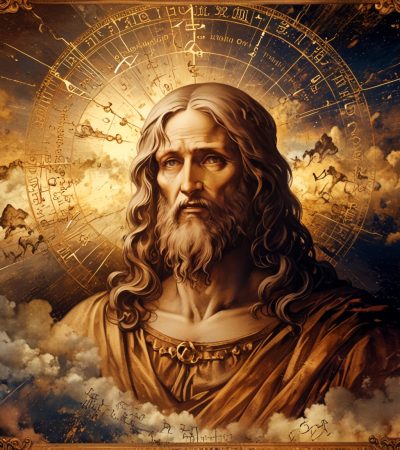
Consider John 1:14: “And the Word became flesh and dwelt among us, and we beheld His glory, the glory as of the only begotten of the Father, full of grace1 and truth.” Jesus, the Word made flesh, is the embodiment of both grace and truth. He is not merely a messenger carrying these attributes; He is the very essence of them. Grace is not a doctrine or a concept; grace is a Person.
This distinction is crucial. The law, given through Moses, was a set of rules, a system of dos and don’ts. It was a reflection of God’s holiness, a standard we could never fully attain. But grace, through Jesus, is something entirely different. It’s not a list of requirements; it’s a living, breathing relationship. It’s God Himself, reaching down to us, embracing us in our brokenness, and lifting us up to His perfect love.
Imagine, my friends, the difference between sending a letter and coming in person. A letter, however heartfelt, remains at a distance. But a personal visit, a face-to-face encounter, speaks of intimacy, of deep connection. That’s what Jesus did. He didn’t just send a message of grace; He came to us, in the flesh, to be grace incarnate.
The law was given; grace came. The law was a system of human effort, of striving to reach God through our own righteousness. But grace is God’s initiative, His loving descent into our world, His willingness to meet us where we are and transform us from the inside out.
Every other system of morality, every philosophy, every religion, is ultimately about man trying to climb the ladder to God. But Christianity is radically different. It’s about God climbing down the ladder to us. It’s about His love breaking through our barriers, His grace shattering our chains, His truth setting us free.
This truth, this grace, is not a mere intellectual exercise. It’s a transformative power that changes everything. It changes how we see ourselves, how we see others, and how we see God. It liberates us from the burden of self-righteousness and the fear of condemnation. It empowers us to live lives of love, forgiveness, and compassion.
When we truly understand that grace and truth are one, that they are embodied in the person of Jesus, we begin to see the world through a different lens. We see the brokenness around us, not with judgment, but with compassion. We see the lost and the hurting, not as objects of our pity, but as recipients of God’s boundless love.
And here, my friends, is where our journey takes on a new dimension. We are called to be vessels of this grace and truth, to share it with the world, not as a set of doctrines, but as a living, breathing reality. We are called to be like Jesus, full of grace and truth, reflecting His love to a world that desperately needs it.
To truly understand the depths of this beautiful truth, I invite you to explore Moralisee.com’s daily devotions. Each day, we delve into the scriptures, seeking to uncover the treasures of God’s word, to experience His grace and truth in a fresh and profound way. In these devotions, we don’t just offer theological insights; we offer a personal encounter with the living God, a chance to experience His love and grace in the midst of our daily lives.
Let us together seek a deeper understanding of the inseparable nature of grace and truth, revealed to us in the person of Jesus Christ. Let us allow His love to transform us, to empower us, and to equip us to be His hands and feet in a world that so desperately needs His touch.
Explore Moralisee.com and let’s together walk in the light of His grace and truth. May His love illuminate your path and fill your heart with His peace.