

Genesis 9:1-3 NIV
Then God blessed Noah and his sons, saying to them, “Be fruitful and increase in number and fill the earth. The fear and dread of you will fall on all the beasts of the earth, and on all the birds in the sky, on every creature that moves along the ground, and on all the fish in the sea; they are given into your hands. Everything that lives and moves about will be food for you. Just as I gave you the green plants, I now give you everything.
Genesis 9:1-3 NIV
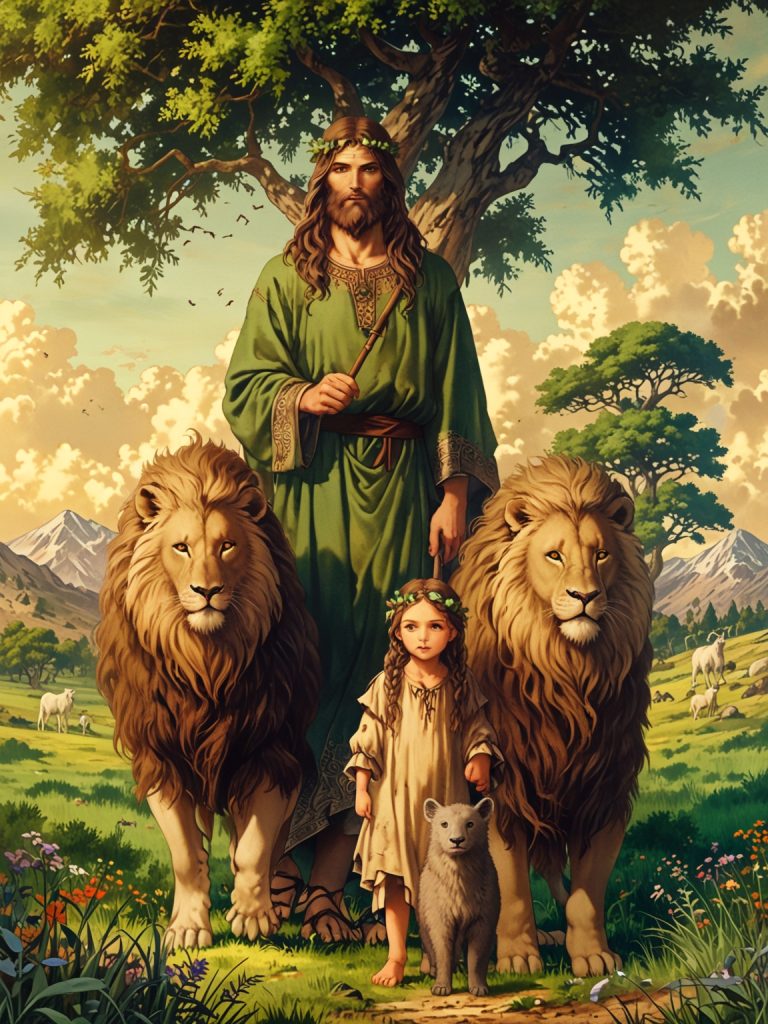
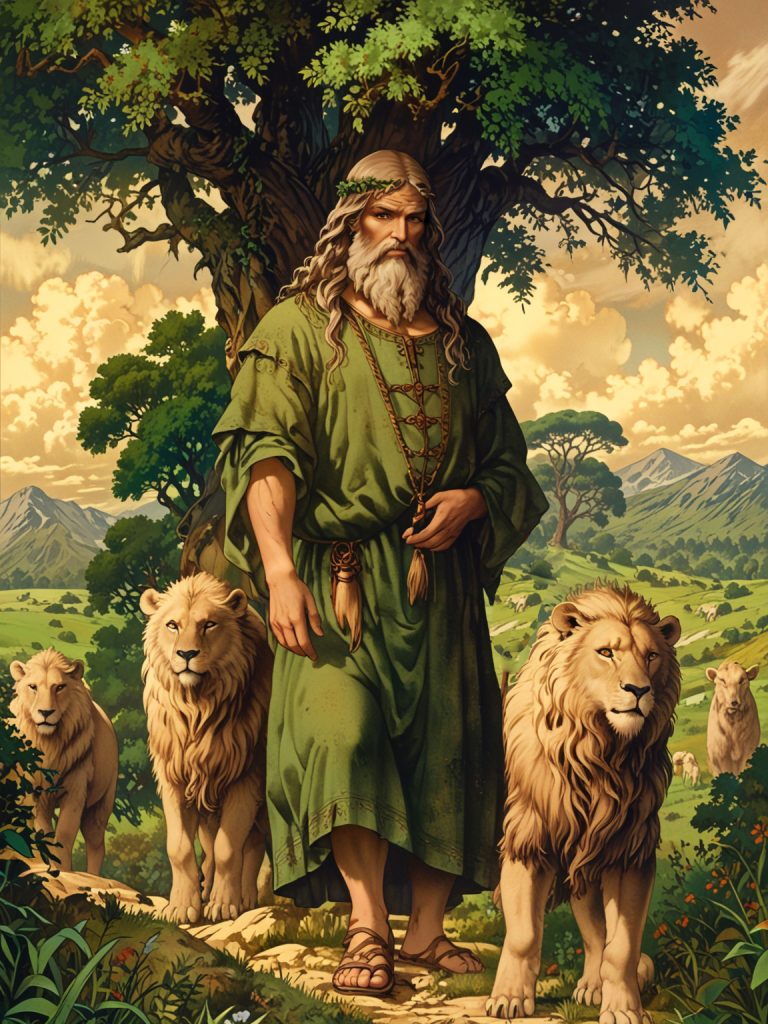
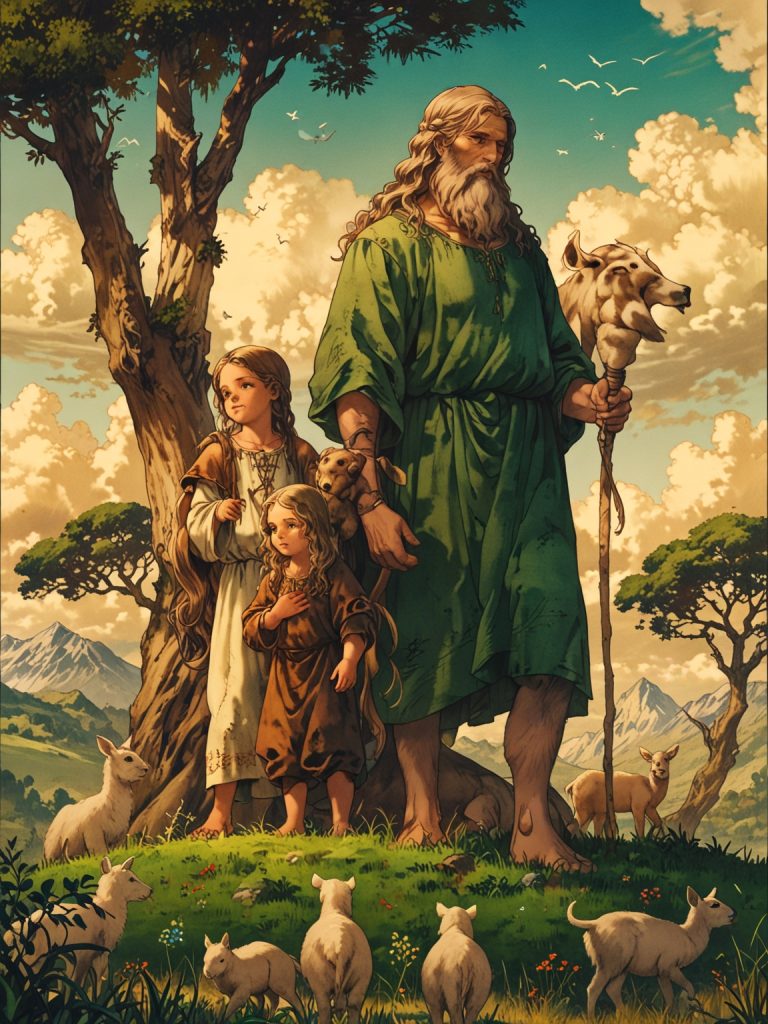
This verse occurs immediately following the miraculous account of Noah’s Ark. The floodwaters have gone, the dove has returned carrying an olive branch, and God is speaking directly to Noah and his family.
Verse 1: “Then God blessed Noah and his sons, saying to them, ‘Be fruitful and increase in number and fill the earth.'”
Here we see God’s incredible grace. The world was corrupted by sin, and the deluge was the result. But, in his mercy, God saves Noah and his family, allowing them to begin again. This benefit is like a new beginning, an opportunity to rebuild and repopulate the earth. It serves as a reminder that even after judgment, God intends for mankind to prosper.
Verse 2: “The fear and dread of you will fall on all the beasts of the earth, and on all the birds in the sky, on every creature that moves along the ground, and on all the fish in the sea; they are given into your hands.”
This verse could seem harsh at first. Remember, the animals had just survived a horrible deluge. The world has changed, and God is bringing about a new order. Animals will have a natural respect and even fear of people. This enables humans to survive and care for the planet’s species.
Verse 3: “Everything that lives and moves about will be food for you. Just as I gave you the green plants, I now give you everything.”
Before the flood, people were vegetarians. God has now expanded their diet to include meat. In light of the devastation, this is a practical change. It also emphasizes humanity’s duty as stewards of creation, relying on what God provides to meet their needs.
Genesis 9.4-7 NIV
“But you must not eat meat that has its lifeblood still in it. And for your lifeblood I will surely demand an accounting. I will demand an accounting from every animal. And from each human being, too, I will demand an accounting for the life of another human being.
“Whoever sheds human blood,
by humans shall their blood be shed;
for in the image of God
has God made mankind.
As for you, be fruitful and increase in number; multiply on the earth and increase upon it.”
Genesis 9.4-7 NIV
This verse occurs immediately following the miraculous account of Noah’s Ark. The floodwaters have gone, the dove has returned carrying an olive branch, and God is speaking directly to Noah and his family.
Verse 1: “Then God blessed Noah and his sons, saying to them, ‘Be fruitful and increase in number and fill the earth.'”
Here we see God’s incredible grace. The world was corrupted by sin, and the deluge was the result. But, in his mercy, God saves Noah and his family, allowing them to begin again. This benefit is like a new beginning, an opportunity to rebuild and repopulate the earth. It serves as a reminder that even after judgment, God intends for mankind to prosper.
Verse 2: “The fear and dread of you will fall on all the beasts of the earth, and on all the birds in the sky, on every creature that moves along the ground, and on all the fish in the sea; they are given into your hands.”
This verse could seem harsh at first. Remember, the animals had just survived a horrible deluge. The world has changed, and God is bringing about a new order. Animals will have a natural respect and even fear of people. This enables humans to survive and care for the planet’s species.
Verse 3: “Everything that lives and moves about will be food for you. Just as I gave you the green plants, I now give you everything.”
Before the flood, people were vegetarians. God has now expanded their diet to include meat. In light of the devastation, this is a practical change. It also emphasizes humanity’s duty as stewards of creation, relying on what God provides to meet their needs.
This passage comes immediately after God’s blessing to Noah and his sons. They’ve just been assigned the responsibility of repopulating the earth, but there are some essential instructions included.
Verse 4: “But you must not eat meat that has its lifeblood still in it.”
This may seem like an unusual regulation at first. Back then, there were no refrigerators or supermarkets. Animal slaughter was a severe act, and this verse serves as a reminder to value life. Blood represents the creature’s life energy. By correctly draining the blood, we recognize the worth of that life sacrificed for sustenance.
Verse 5: “And for your lifeblood I will surely demand an accounting. I will demand an accounting from every animal. And from each human being, too, I will demand an accounting for the life of another human being.”
This passage conveys a powerful message about the sanctity of life. God is the source of life, and He takes the taking of life extremely seriously. Violence, whether against an animal or a person, is never tolerated. Here, God sets a principle: anyone who harms another living being will face consequences.
Verse 6: “Whoever sheds human blood, by humans shall their blood be shed; for in the image of God has God made mankind.”
This verse becomes considerably more frank. Here, God imposes deadly penalty for murder. It’s a reminder that humans are unique creations fashioned “in the image of God.” Taking a human life is a fundamental violation of God’s plan.
Verse 7: “As for you, be fruitful and increase in number; multiply on the earth and increase upon it.”
This verse brings things full circle. Even despite these significant warnings, God extends His blessing for humanity’s flourishing. Life is precious, but it is also supposed to be experienced and shared. We are expected to be stewards of creation, caring for the earth and one another.
Genesis 9:8-17 NIV
Then God said to Noah and to his sons with him: “I now establish my covenant with you and with your descendants after you and with every living creature that was with you—the birds, the livestock and all the wild animals, all those that came out of the ark with you—every living creature on earth. I establish my covenant with you: Never again will all life be destroyed by the waters of a flood; never again will there be a flood to destroy the earth.”
And God said, “This is the sign of the covenant I am making between me and you and every living creature with you, a covenant for all generations to come: I have set my rainbow in the clouds, and it will be the sign of the covenant between me and the earth. Whenever I bring clouds over the earth and the rainbow appears in the clouds, I will remember my covenant between me and you and all living creatures of every kind. Never again will the waters become a flood to destroy all life. Whenever the rainbow appears in the clouds, I will see it and remember the everlasting covenant between God and all living creatures of every kind on the earth.”
So God said to Noah, “This is the sign of the covenant I have established between me and all life on the earth.”
Genesis 9:8-17 NIV
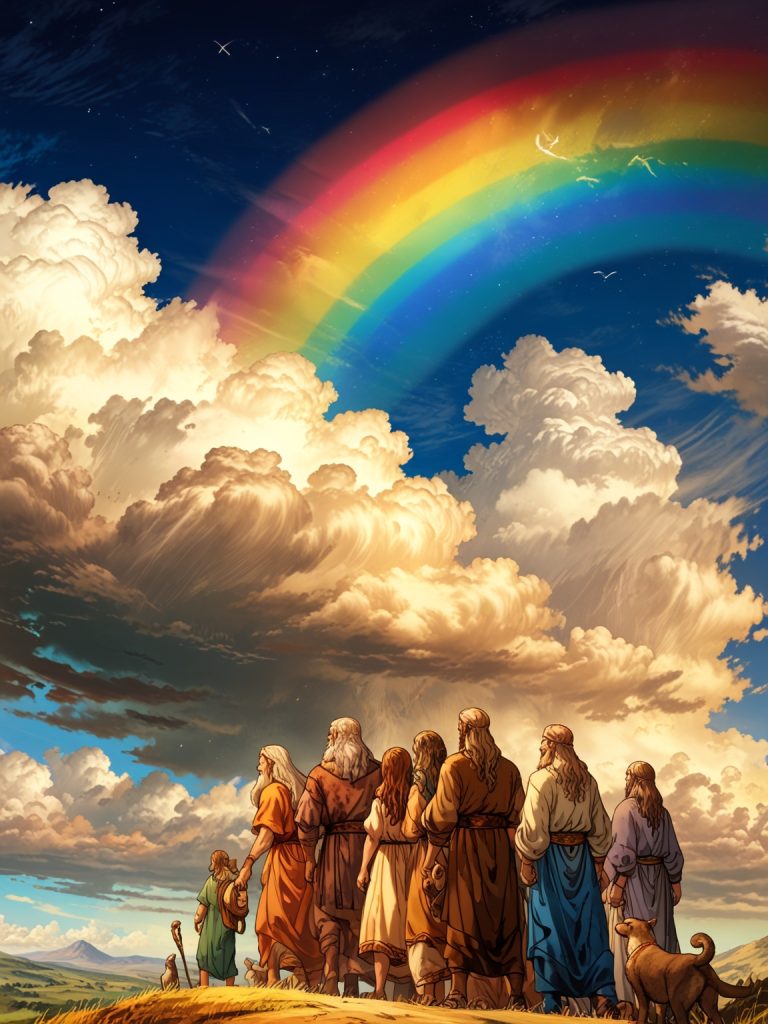
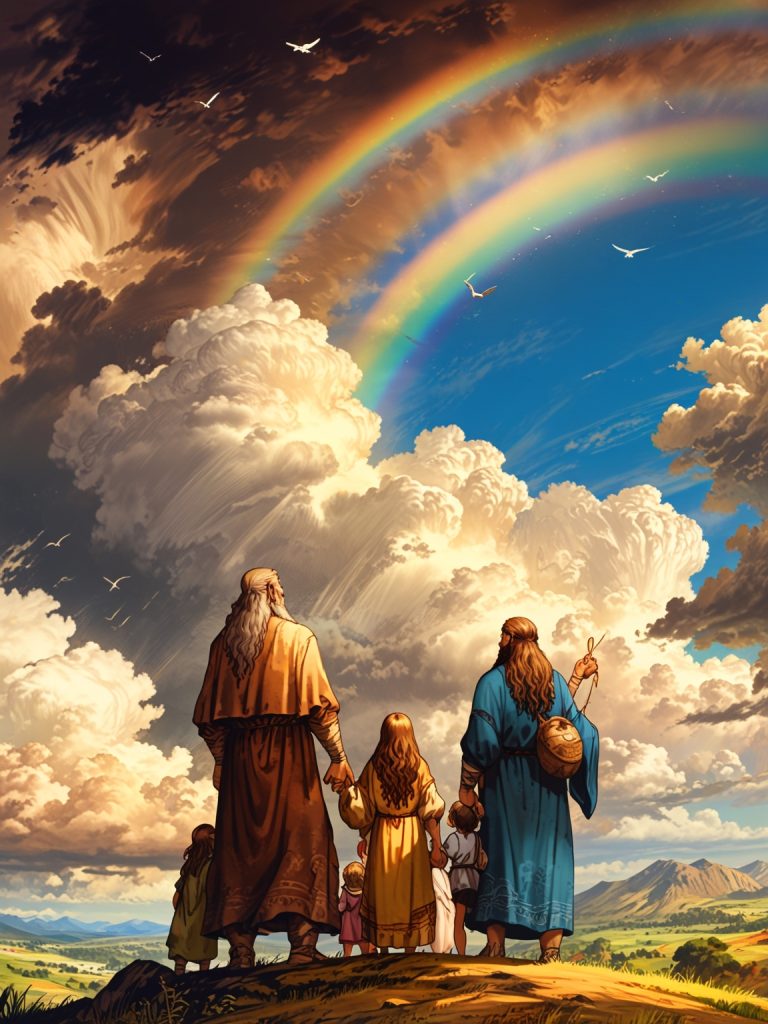
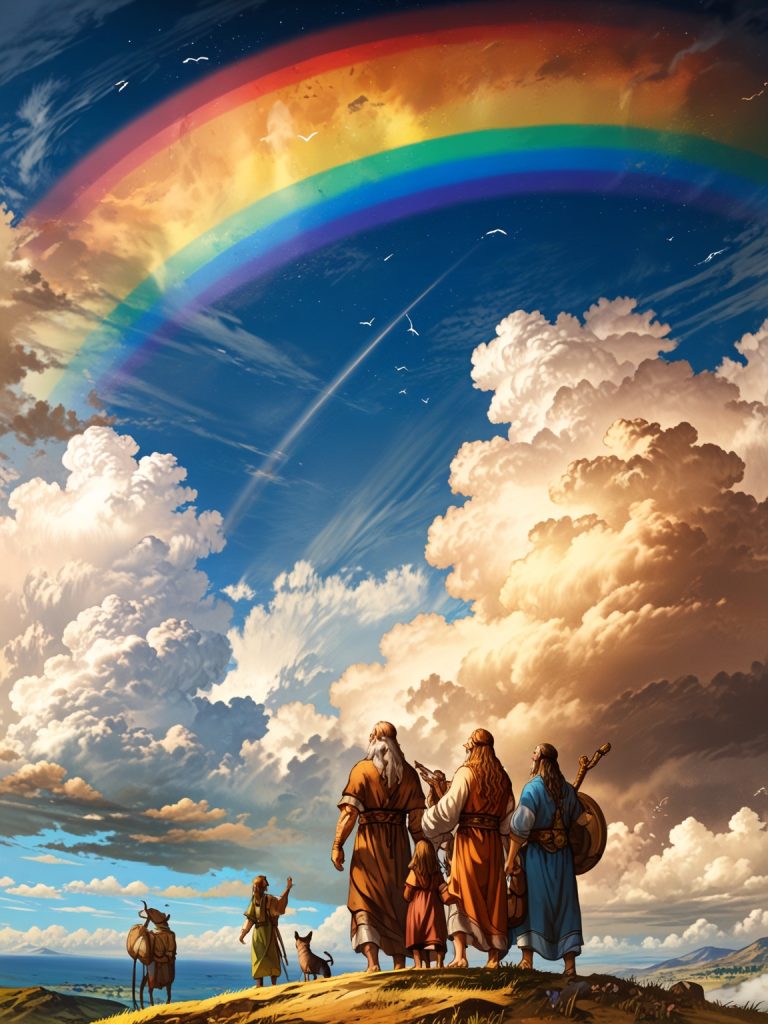
This wonderful narrative depicts the aftermath of the flood and God’s instructions to Noah and his family. Here, we see God making a specific pledge, or covenant, with humanity and all living things.
Verses 8-11: “Then God said to Noah and to his sons with him… I establish my covenant with you… Never again will all life be destroyed by the waters of a flood…”
Consider the terror and uncertainty Noah and his family must have experienced. They had just witnessed the world’s devastation. Here, God provides them with wonderful comfort. He makes a solemn commitment – a covenant – that He will never again destroy the planet by flood. This is a tremendous expression of love and reassurance.
Verses 12-14: “And God said, ‘This is the sign of the covenant… I have set my rainbow in the clouds…”
God does more than just make a promise; He also provides a visible sign, the rainbow. This stunning display of color becomes a representation of God’s faithfulness. When we see a rainbow, we are reminded of God’s covenant and unshakable devotion to life.
Verses 15-17: “Whenever I bring clouds over the earth and the rainbow appears in the clouds… So God said to Noah, ‘This is the sign of the covenant…”
The rainbow is more than just a beautiful sight; it is a symbol of God’s mercy. Even when the sky darken with clouds, the rainbow reminds us that God keeps His word. This covenant is not limited to humans; it applies to “all living creatures.” God cares for all of creation, and the rainbow is a magnificent symbol of that caring.
Genesis 9:18-29 NIV
The sons of Noah who came out of the ark were Shem, Ham and Japheth. (Ham was the father of Canaan.) These were the three sons of Noah, and from them came the people who were scattered over the whole earth.
Noah, a man of the soil, proceeded to plant a vineyard. When he drank some of its wine, he became drunk and lay uncovered inside his tent. Ham, the father of Canaan, saw his father naked and told his two brothers outside. But Shem and Japheth took a garment and laid it across their shoulders; then they walked in backward and covered their father’s naked body. Their faces were turned the other way so that they would not see their father naked.
When Noah awoke from his wine and found out what his youngest son had done to him, he said,
“Cursed be Canaan!
The lowest of slaves
will he be to his brothers.”
He also said,
“Praise be to the Lord, the God of Shem!
May Canaan be the slave of Shem.
May God extend Japheth’s territory;
may Japheth live in the tents of Shem,
and may Canaan be the slave of Japheth.”
After the flood Noah lived 350 years. Noah lived a total of 950 years, and then he died.
Genesis 9:18-29 NIV
This passage picks up the story after the flood and introduces some of the ancestors of humanity.
Verse 18: “The sons of Noah who came out of the ark were Shem, Ham and Japheth. (Ham was the father of Canaan.)”
Here, we meet Noah’s three sons: Shem, Ham, and Japheth. These are the ancestors of all human groupings on the planet. The added comment about Ham being Canaan’s father sets the stage for the verses that follow.
Verses 19-21: “These were the three sons of Noah, and from them came the people who were scattered over the whole earth. Noah, a man of the soil, proceeded to plant a vineyard. When he drank some of its wine, he became drunk and lay uncovered inside his tent.”
This verse reminds us that even great men, like as Noah, are human. He plants a vineyard, which is a nice thing, but then makes the error of drinking too much wine. It’s a cautionary tale about moderation and the dangers of overindulging.
Verses 22-23: “Ham, the father of Canaan, saw his father naked and told his two brothers outside. But Shem and Japheth took a garment and laid it across their shoulders; then they walked in backward and covered their father’s naked body. Their faces were turned the other way so that they would not see their father naked.”
Here we can discern the differences in character amongst Noah’s sons. Ham disrespects his father by exposing his frailty. Shem and Japheth, on the other hand, demonstrate respect and compassion. They act modestly and take steps to protect their father’s dignity.
Verses 24-27: “When Noah awoke from his wine and found out what his youngest son had done to him, he pronounced a curse on Canaan, Ham’s son, predicting a life of servitude. He then blessed Shem and Japheth, prophesying their future prosperity.”
This is a challenging portion of the story. Noah’s curse on Canaan has been interpreted several times throughout history. It’s vital to remember that the Bible is a product of its time, and some passages represent cultural conventions that no longer apply. The key point is the need of honoring our parents and the penalties of disrespect. Noah’s benediction on Shem and Japheth emphasizes the value of leading a decent and responsible life.
Verses 28-29: “After the flood Noah lived 350 years. Noah lived a total of 950 years, and then he died.”
The passage ends by reminding us of Noah’s long life. He survived a world-changing deluge and became the father of humanity’s new beginning.
This chapter from Genesis reminds us of God’s enduring faithfulness and the importance of respect within families. Even after the devastation of the flood, God offers a covenant of peace and a beautiful symbol of hope in the rainbow. The Bible is full of stories like this, offering wisdom and inspiration for every generation. Why not delve deeper? There are incredible resources available online that combine the power of the written word with stunning AI-generated images. These images can bring the stories to life in a whole new way, sparking deeper understanding and appreciation for the Bible’s timeless message. So, I encourage you to explore further and discover the beauty of the Bible in a fresh light!


