

Genesis 6:1-3 NIV
When human beings began to increase in number on the earth and daughters were born to them, the sons of God saw that the daughters of humans were beautiful, and they married any of them they chose. Then the Lord said, “My Spirit will not contend with humans forever, for they are mortal; their days will be a hundred and twenty years.”
Genesis 6:1-3 NIV
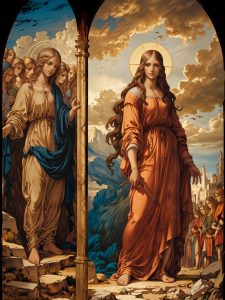
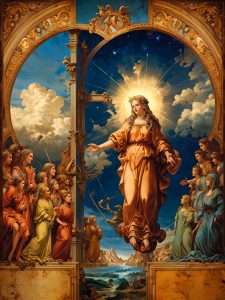
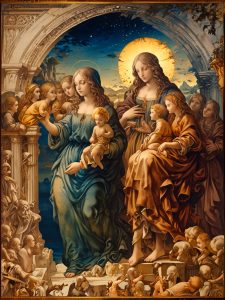
Verse 1: “When human beings began to increase in number on the earth and daughters were born to them,”
This verse sets the stage for the upcoming events. It explains that when humans expanded and multiplied on Earth, daughters were born to them. This denotes a period of population increase and expansion, during which families grew and towns formed.
Verse 2: “the sons of God saw that the daughters of humans were beautiful, and they married any of them they chose.”
Here we meet the “sons of God,” a word that has been interpreted in a variety of ways. Some believe it alludes to angels, while others say it relates to the children of Seth, Adam’s son. Regardless of interpretation, these “sons of God” saw the beauty of human girls and chose to marry them. This merger of the divine and human realms is crucial because it sets the stage for future events.
Verse 3: “Then the Lord said, ‘My Spirit will not contend with humans forever, for they are mortal; their days will be a hundred and twenty years.’”
This verse describes God’s response to the circumstance. The Lord recognizes the mortality of mankind and resolves that His Spirit will not fight them eternally. This suggests that God’s patience is limited, and He understands the fragility and impermanence of human life. By establishing a lifespan of 120 years, God sets a limit for human existence, emphasizing the importance of living righteously during the time allotted to them.
Genesis 6:4 NIV
The Nephilim were on the earth in those days—and also afterward—when the sons of God went to the daughters of humans and had children by them. They were the heroes of old, men of renown.
Genesis 6:4 NIV
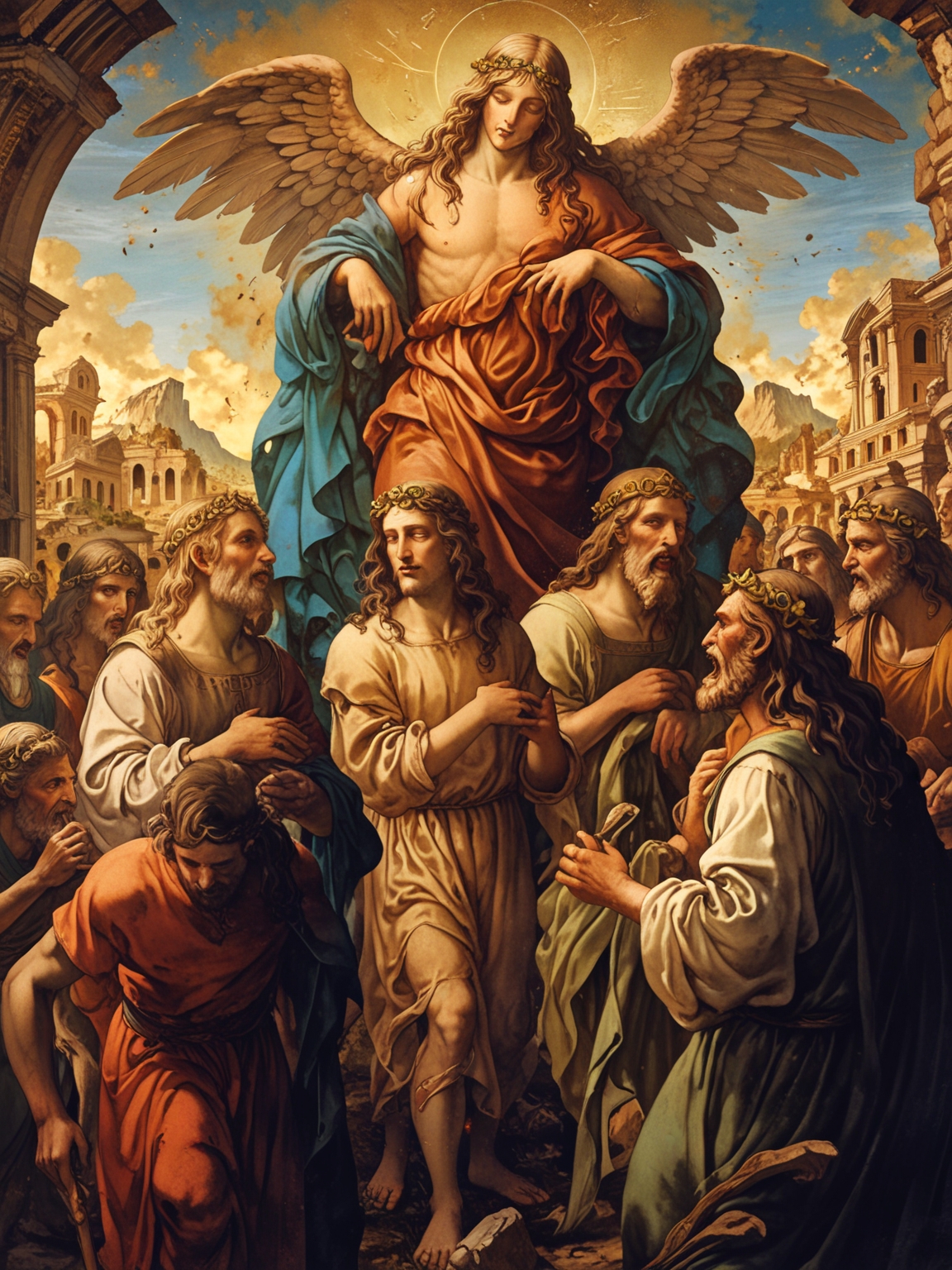
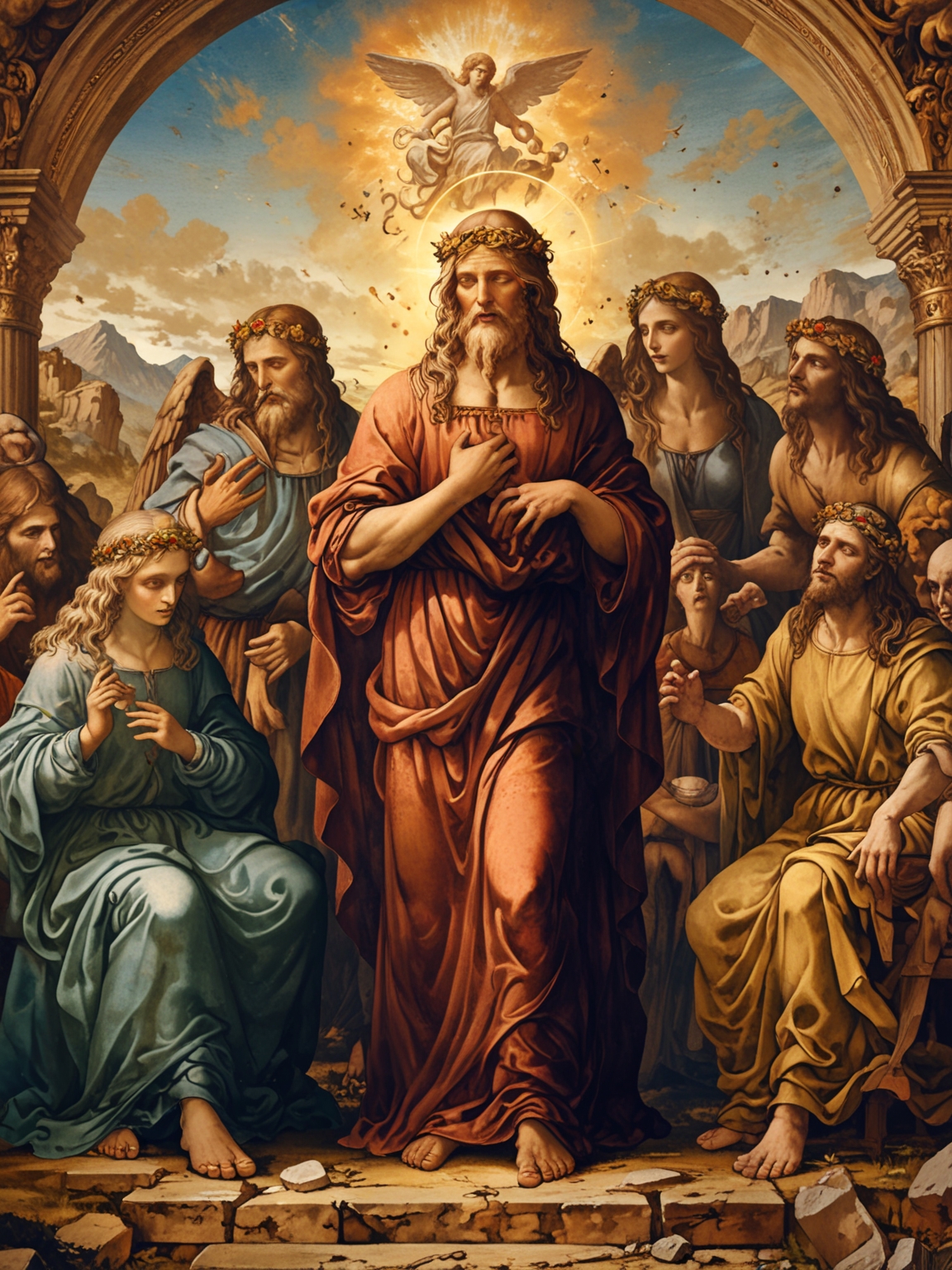
The Nephilim:
First, we discover the term “Nephilim.” The actual meaning is debatable. Some versions use the term “giants,” which may evoke ideas of massive, powerful entities. Others leave it untranslated. Whatever the case, the Nephilim were unquestionably important individuals in this period.
The Sons of God and the Daughters of Humans:
Then it discusses the “sons of God” marrying “daughters of humans” and bearing children. Similar to the previous chapter, there are various interpretations of who the “sons of God” are. Angels are a possibility, but some experts believe they were strong human leaders who may have strayed from God. Whoever they were, their relationship with the “daughters of humans” was viewed as troublesome.
Heroes and Men of Renown:
The phrase appears to refer to the children of this coupling as “heroes of old, men of renown.” They were probably powerful and accomplished individuals. But there is a whiff of something wrong here. The word “hero” in Hebrew can also refer to bullies or tyrants. So their notoriety may be founded on their power rather than their good works.
The Big Picture:
So what is the point of this passage? It tells the story of humanity making a bad turn. People, particularly leaders, were consumed by their own goals and power, which ruined the planet. The Nephilim, while seemingly majestic, indicate a route away from God.
Genesis 6:5-8 NIV
The Lord saw how great the wickedness of the human race had become on the earth, and that every inclination of the thoughts of the human heart was only evil all the time. The Lord regretted that he had made human beings on the earth, and his heart was deeply troubled. So the Lord said, “I will wipe from the face of the earth the human race I have created—and with them the animals, the birds and the creatures that move along the ground—for I regret that I have made them.” But Noah found favor in the eyes of the Lord.
Genesis 6:5-8 NIV
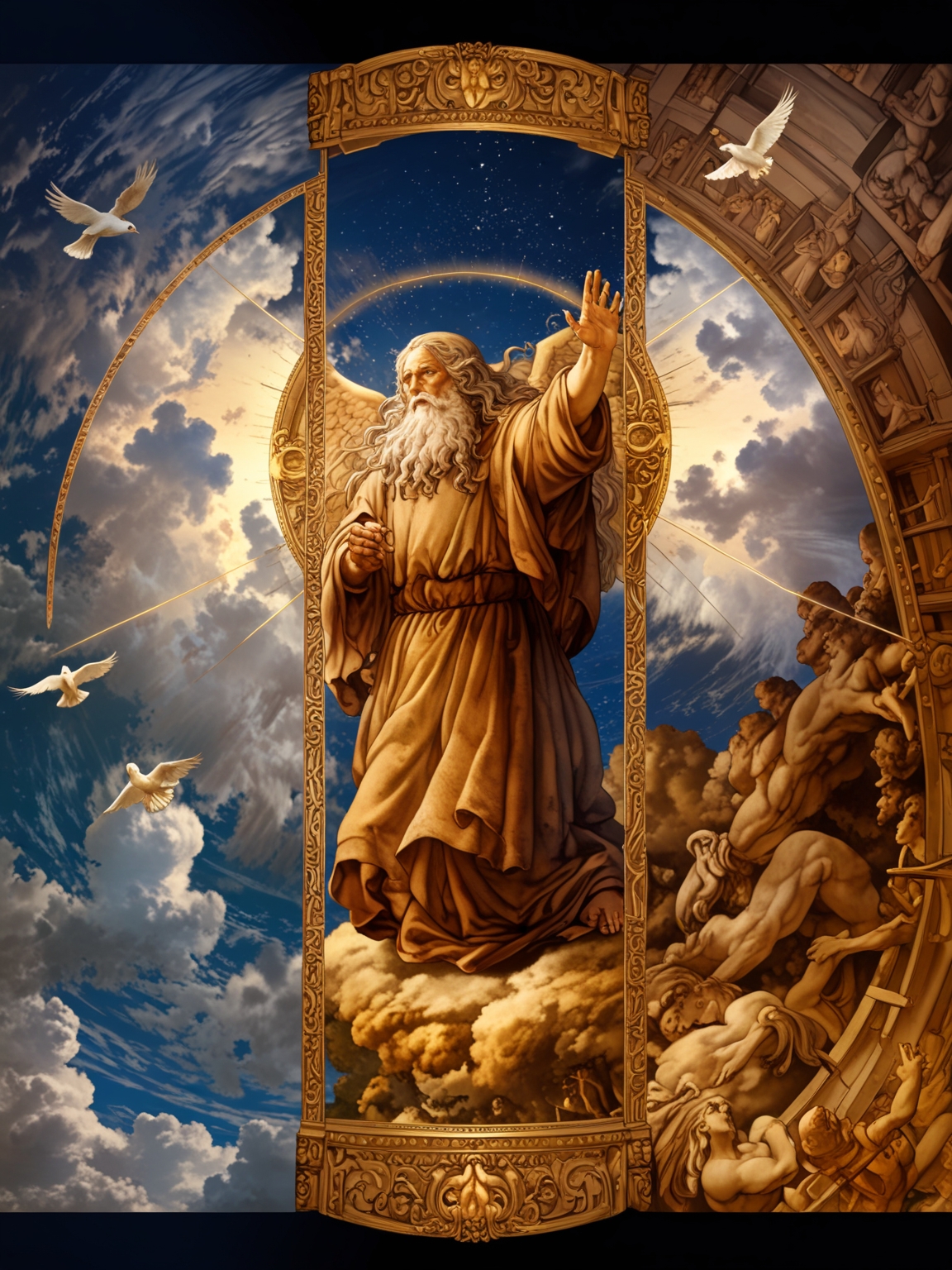
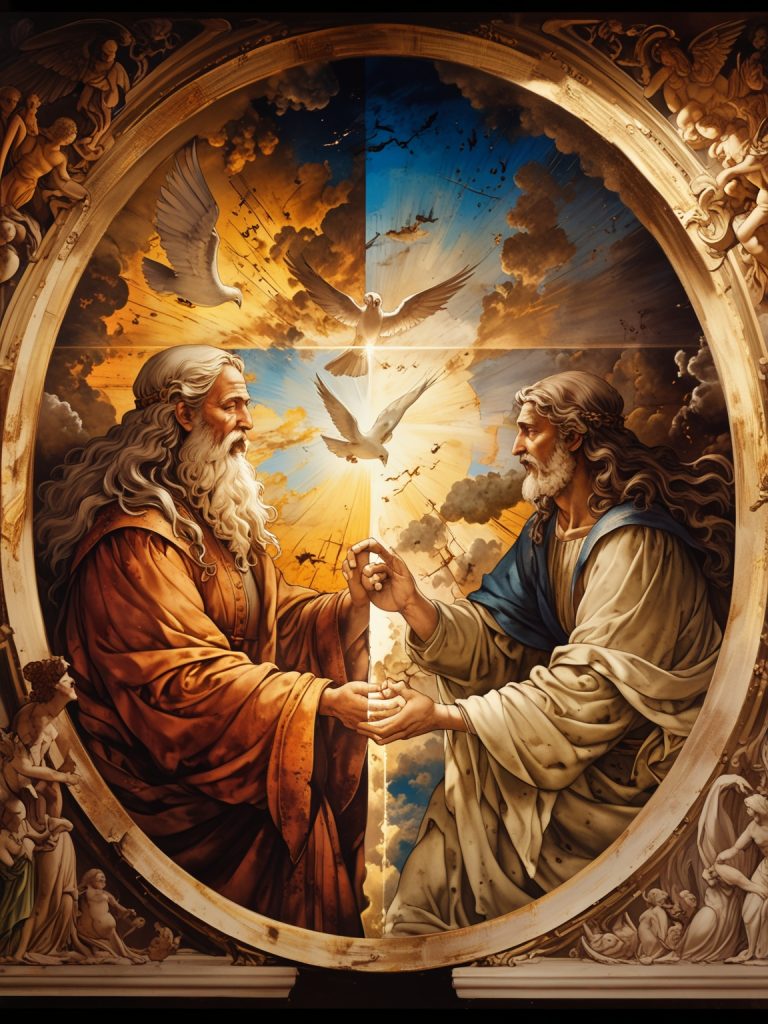
Verse 5: “The Lord saw how great the wickedness of the human race had become on the earth, and that every inclination of the thoughts of the human heart was only evil all the time.”
Here, the gravity of the situation is revealed. The Almighty “saw how great the wickedness of the human race had become.” Imagine God’s profound anguish. He created humans with love, and their decisions have led them down a bad path. The verse continues to state that “every inclination of the thoughts of the human heart was only evil all the time.” This is not to suggest that everyone was terrible, but that sin had infiltrated society, influencing even their thoughts and desires.
Verse 6: “The Lord regretted that he had made human beings on the earth, and his heart was deeply troubled.”
This is a powerful verse. It states that the Lord “regretted that he had made human beings on earth.” We know God does not make mistakes, but the word “regret” expresses His profound disappointment. It’s like a parent is grieved by their child’s decisions. The man’s “heart was deeply troubled.” This is not rage, but deep grief for humanity’s path.
Verse 7: “So the Lord said, ‘I will wipe from the face of the earth the human race I have created—and with them the animals, the birds and the creatures that move along the ground—for I regret that I have made them.’”
Verse 7 describes the potential consequences of this sin. God declares, “I will wipe from the face of the earth the human race I have created.” This is where the story of Noah’s flood comes into focus. Consider God’s sorrow. He does not delight in devastation, but He is fair.
Verse 8: “But Noah found favor in the eyes of the Lord.”
But then there’s a spark of optimism! The passage concludes, “But Noah found favor in the eyes of the Lord.” In the middle of all this depravity, there was one righteous man: Noah. He walked consistently with God, providing an opportunity for atonement.
Genesis 6:9-10 NIV
This is the account of Noah and his family.
Noah was a righteous man, blameless among the people of his time, and he walked faithfully with God. Noah had three sons: Shem, Ham and Japheth.
Genesis 6:9-10 NIV
Verse 9: The Torah states, “This is the account of Noah and his family.” This simple line sets the tone for a stirring tale of trust and hope. God chooses to focus on Noah, isolating him from the corrupt world around him.
Verse 10: We now take a closer look at Noah himself. The passage defines him in three stunning ways:
- “Righteous man”: Noah wasn’t perfect, but he lived a life that aligned with God’s principles.
- “Blameless among the people of his time”: In a world filled with sin, Noah stood out for his integrity.
- “Walked faithfully with God”: This speaks to the core of Noah’s character. He wasn’t just someone who followed rules, but someone who had a genuine relationship with God.
Importance of Noah’s Character: Why is this account of Noah so important? Because, in the midst of a world on the verge of ruin, God spotted a unique individual. Noah’s commitment served as a light of hope, reminding people that even in the darkest moments, they may choose to follow God.
Genesis 6:11-22 NIV
Now the earth was corrupt in God’s sight and was full of violence. God saw how corrupt the earth had become, for all the people on earth had corrupted their ways. So God said to Noah, “I am going to put an end to all people, for the earth is filled with violence because of them. I am surely going to destroy both them and the earth. So make yourself an ark of cypress wood; make rooms in it and coat it with pitch inside and out. This is how you are to build it: The ark is to be three hundred cubits long, fifty cubits wide and thirty cubits high. Make a roof for it, leaving below the roof an opening one cubit high all around. Put a door in the side of the ark and make lower, middle and upper decks. I am going to bring floodwaters on the earth to destroy all life under the heavens, every creature that has the breath of life in it. Everything on earth will perish. But I will establish my covenant with you, and you will enter the ark—you and your sons and your wife and your sons’ wives with you. You are to bring into the ark two of all living creatures, male and female, to keep them alive with you. Two of every kind of bird, of every kind of animal and of every kind of creature that moves along the ground will come to you to be kept alive. You are to take every kind of food that is to be eaten and store it away as food for you and for them.”
Noah did everything just as God commanded him.
Genesis 6:11-22 NIV
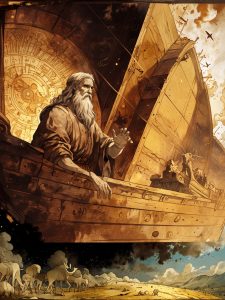
Hello, dear friends! Today, let’s take a closer look at a significant passage from the Bible, found in Genesis 6:11-22. We’ll go through it verse by verse and uncover the deeper meaning behind these words.
Verse 11: “Now the earth was corrupt in God’s sight and was full of violence.”
This verse establishes the context by explaining the situation of the world at the time. The earth was corrupt and full of bloodshed. The people’s activities and attitudes were corrupt and violent, which displeased God.
Verse 12: “God saw how corrupt the earth had become, for all the people on earth had corrupted their ways.”
Here, we see God observing the magnitude of the corruption. It wasn’t just a few people; everyone on Earth had corrupted their methods. God was terribly disturbed by the widespread moral degradation and departure from holiness.
Verse 13: “So God said to Noah, ‘I am going to put an end to all people, for the earth is filled with violence because of them. I am surely going to destroy both them and the earth.’”
In response to widespread corruption and bloodshed, God decides to take decisive action. He informs Noah of His plan to kill all life and destroy the earth. This choice emphasizes the gravity of sin and the repercussions that follow.
Verse 14: “So make yourself an ark of cypress wood; make rooms in it and coat it with pitch inside and out.”
God asks Noah to build an ark out of cypress wood. The ark will contain compartments and be coated with pitch inside and exterior to keep it waterproof. This thorough instruction demonstrates God’s concern and provision for Noah and his family.
Verse 15: “This is how you are to build it: The ark is to be three hundred cubits long, fifty cubits wide and thirty cubits high.”
God gives the ark particular dimensions: 300 cubits length, 50 cubits wide, and 30 cubits high. These precise specifications ensure that the ark is large enough to house Noah’s family and the animals.
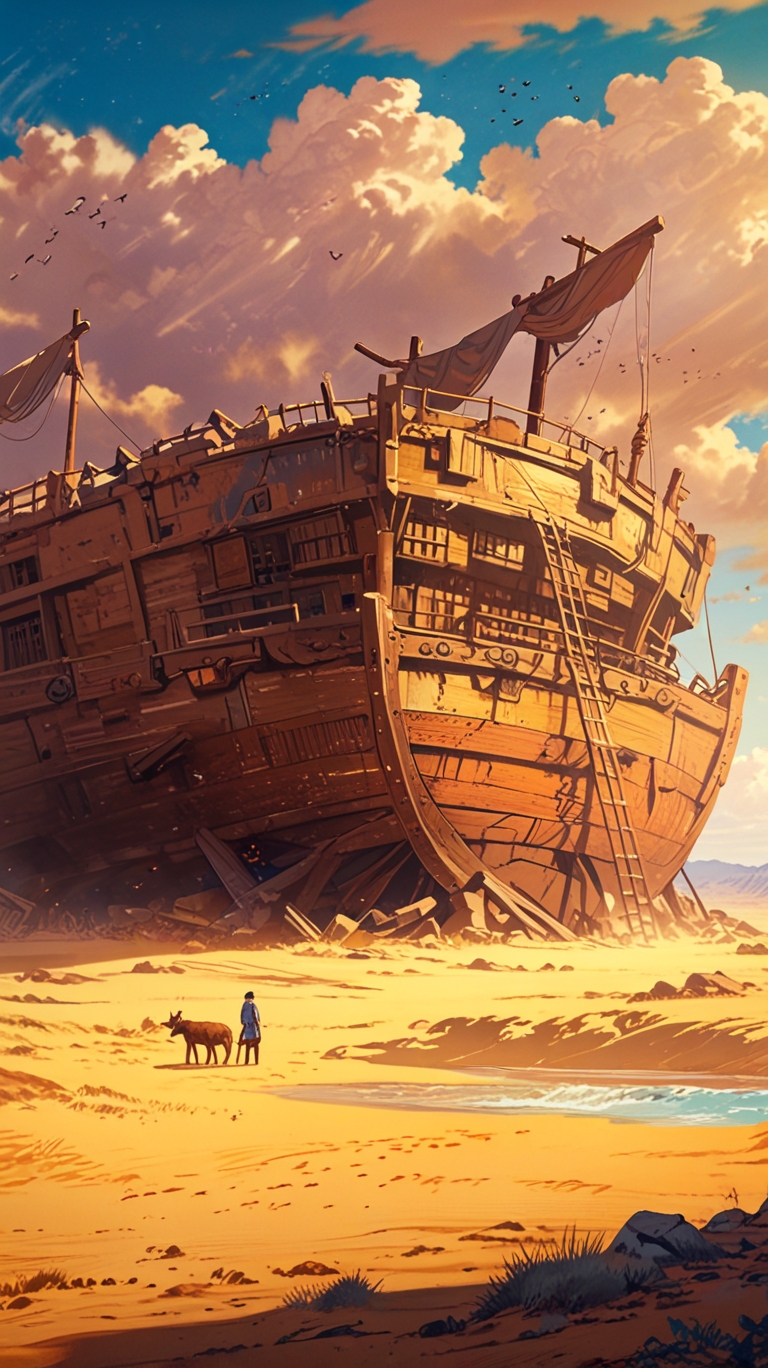
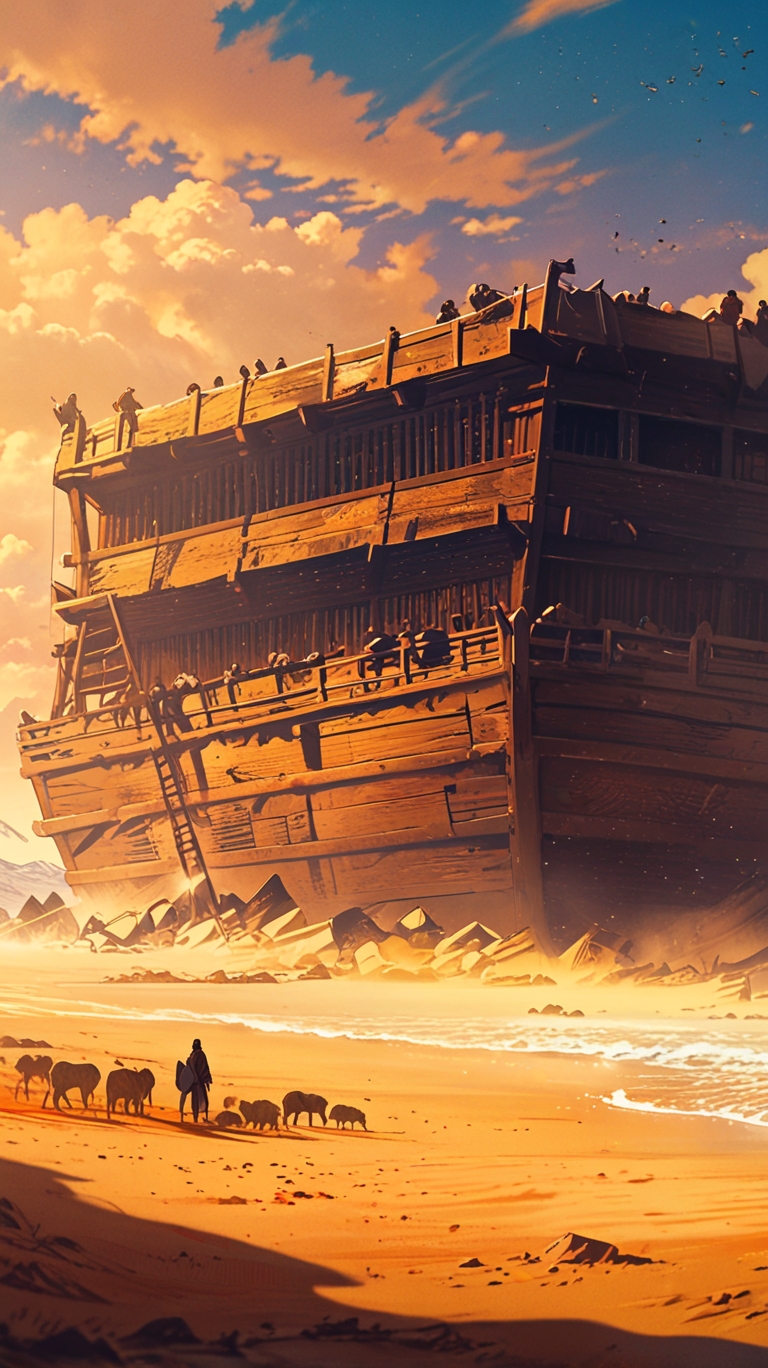
Verse 16: “Make a roof for it, leaving below the roof an opening one cubit high all around. Put a door in the side of the ark and make lower, middle and upper decks.”
The ark will have a roof with one cubit-high ventilation openings all around. It will also feature a side door and three decks: lower, middle, and upper. These qualities assure the ark’s usability and livability.
Verse 17: “I am going to bring floodwaters on the earth to destroy all life under the heavens, every creature that has the breath of life in it. Everything on earth will perish.”
God discloses His intention to send floods that will kill all life on Earth. This cataclysmic calamity will exterminate all living things. It underlines the gravity of the issue and the scope of God’s judgment.
Verse 18: “But I will establish my covenant with you, and you will enter the ark—you and your sons and your wife and your sons’ wives with you.”
Despite the oncoming disaster, God establishes a covenant with Noah. He promises to save Noah, his sons, his wife, and his sons’ wives by transporting them to the ark. This covenant demonstrates God’s mercy and faithfulness to the virtuous.
Verse 19: “You are to bring into the ark two of all living creatures, male and female, to keep them alive with you.”
Noah is commanded to bring two of each type of living thing, male and female, onto the ark. This ensures the survival of animal life following the flood.
Verse 20: “Two of every kind of bird, of every kind of animal and of every kind of creature that moves along the ground will come to you to be kept alive.”
God says that two of every sort of bird, animal, and creature that moves on the ground will come to Noah and be preserved alive. This divine provision guarantees that every species is represented and protected.
Verse 21: “You are to take every kind of food that is to be eaten and store it away as food for you and for them.”
Noah is also commanded to gather and store all of the food that will be devoured. This provision ensures that Noah’s family and the animals have enough food during their time on the ark.
Verse 22: “Noah did everything just as God commanded him.”
This verse focuses on Noah’s obedience and fidelity. He meticulously followed God’s directions, exhibiting his faith in His purpose and dedication to righteousness.
This scripture relates the corruption and violence that led to God’s choice to send a flood, His explicit instructions to Noah for building the ark, and Noah’s steadfast obedience. It serves as a compelling reminder of the value of living righteously, believing in God’s plan, and obeying His laws. Let us attempt to follow Noah’s example and live lives that respect God. Amen.
Genesis 6 ends with the story of Noah’s Ark serves as a reminder that God’s love and mercy persist, no matter how gloomy circumstances appear. We can face the hardships of our world with faith, knowing that God is always present. He provides us with a safe harbor, similar to the ark, as well as the opportunity for a fresh start. Let us all endeavor to live with Noah’s obedience and trust while finding hope in God’s promises.


