

Genesis 5:1-2 NIV
This is the written account of Adam’s family line.
When God created mankind, he made them in the likeness of God. He created them male and female and blessed them. And he named them “Mankind” when they were created.
Genesis 5:1-2 NIV
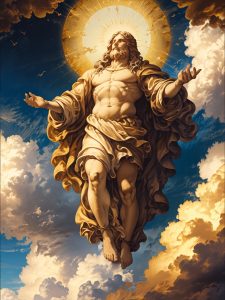
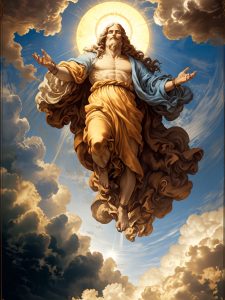
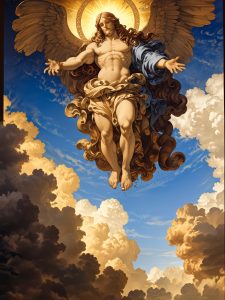
Verse 1: “This is the written account of Adam’s family line. When God created mankind, he made them in the likeness of God.”
This verse reminds us of the roots of humanity. The term “written account of Adam’s family line” indicates that this text is a record of the generations descended from Adam, the first human created by God. It underlines the necessity of knowing our roots and where we came from.
The second section of the passage, “When God created mankind, he made them in the likeness of God,” is particularly significant. It explains that when God created humanity, He formed them in His own image. This indicates that we are unique among God’s creations because we reflect His character and traits. Like our Creator, we have the ability to love, be creative, and understand moral principles.
Verse 2: “He created them male and female and blessed them. And he named them ‘Mankind’ when they were created.”
This stanza elaborates on the creation of humanity. “He created them male and female” emphasizes God’s intentional construction of two separate genders, each with its own set of characteristics and functions. Both men and women are equally valuable and vital in God’s eyes.
The phrase “and blessed them” indicates that God’s creation of humanity was followed by a blessing. From the start, God meant for us to live in a condition of blessing, enjoying His goodness and favor in our lives.
Finally, the phrase “And he named them ‘Mankind’ when they were created” represents the collective identity of all humans. The moniker “Mankind” includes both men and women, reminding us that we are all members of the same human family created by God.
These verses remind us of our divine origins and our unique place among God’s creation. We are created in His image, blessed by Him, and bonded as a human family.
Genesis 5:3-5 NIV
When Adam had lived 130 years, he had a son in his own likeness, in his own image; and he named him Seth. After Seth was born, Adam lived 800 years and had other sons and daughters. Altogether, Adam lived a total of 930 years, and then he died.
Genesis 5:3-5 NIV
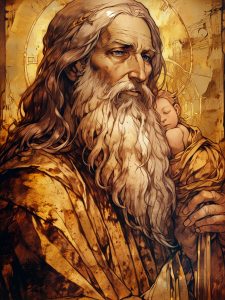
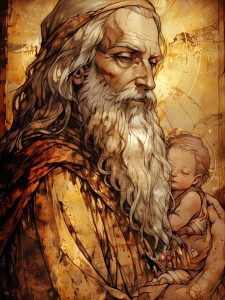
Let’s look at Genesis 5:3-5 and see what it means verse by verse. This section provides insight into the lives of Adam and his descendants.
Verse 3: “When Adam had lived 130 years, he had a son in his own likeness, in his own image; and he named him Seth.”
This scripture tells us that Adam, the first human created by God, lived for 130 years before bearing a son named Seth. The phrase “in his own likeness, in his own image” holds significance. It serves as a reminder that, just as Adam was made in the image of God, so was Seth. The continuance of the divine image through generations emphasizes humanity’s uniqueness and relationship to our Creator.
Verse 4: “After Seth was born, Adam lived 800 years and had other sons and daughters.”
This scripture states that following the birth of Seth, Adam lived for another 800 years and had many more children. Adam’s long life and the mention of “other sons and daughters” mark the beginning of the human family spreading and populating the planet. It also demonstrates the blessings of life and family that God bestowed on Adam and his successors.
Verse 5: “Altogether, Adam lived a total of 930 years, and then he died.”
Adam lived for a total of 930 years. This incredible longevity reflects the world’s early conditions and God’s provision for His creation. The phrase “and then he died” refers to the end of Adam’s earthly life, reminding us of the mortality that resulted from sin’s entry into the world. However, it also speaks to the possibility of eternal life through God’s redeeming purpose.
Genesis 5:6-8 NIV
When Seth had lived 105 years, he became the father of Enosh. After he became the father of Enosh, Seth lived 807 years and had other sons and daughters. Altogether, Seth lived a total of 912 years, and then he died.
Genesis 5:6-8 NIV
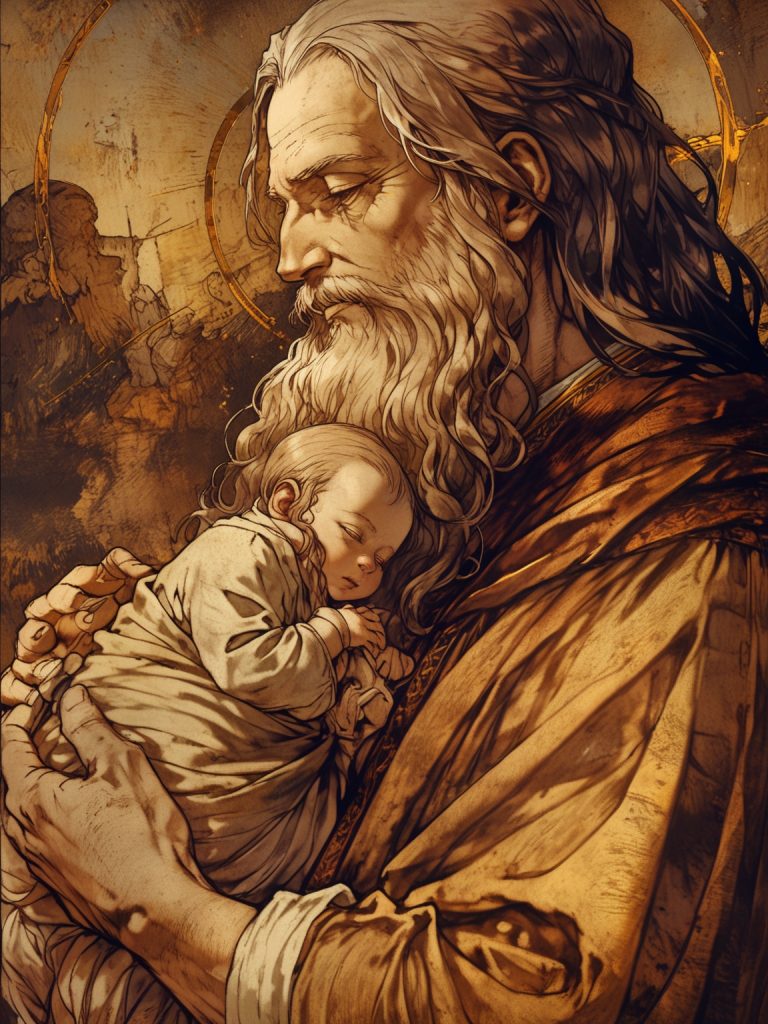
Genesis 5:6-8 gives us insight into the life of Seth and his descendants.
Verse 6: “When Seth had lived 105 years, he became the father of Enosh.”
This scripture tells us that Seth, Adam’s son, lived for 105 years before becoming the father of Enosh. This emphasizes the continuity of the familial line from Adam to Seth. The birth of Enosh represents another generation in humanity’s history, demonstrating the continued fulfillment of God’s mandate to “be fruitful and multiply” (Genesis 1:28).
Verse 7: “After he became the father of Enosh, Seth lived 807 years and had other sons and daughters.”
According to this scripture, following the birth of Enosh, Seth lived for another 807 years and had many more offspring. Seth’s long life and the mention of “other sons and daughters” suggest that the human family is growing and expanding. It also represents the blessings of life and family that God bestowed to Seth and his successors.
Verse 8: “Altogether, Seth lived a total of 912 years, and then he died.”
Here we see Seth’s whole life span, which lasted 912 years. This incredible longevity reflects the world’s early conditions and God’s provision for His creation. The line “and then he died” indicates the end of Seth’s earthly life, reminding us of the mortality that resulted from sin’s entry into the world. However, it also speaks to the possibility of eternal life through God’s redeeming purpose.
Genesis 5:9-11 NIV
When Enosh had lived 90 years, he became the father of Kenan. After he became the father of Kenan, Enosh lived 815 years and had other sons and daughters. Altogether, Enosh lived a total of 905 years, and then he died.
Genesis 5:9-11 NIV

Genesis 5:9-11 gives us insight into the life of Enosh and his descendants.
Verse 9: “When Enosh had lived 90 years, he became the father of Kenan.”
We meet Enosh, Adam’s grandson and Seth’s son. After 90 years on Earth, Enosh welcomes his son, Kenan, into the world! This verse highlights the amazing family line that stretches back to Adam. It’s like a family tree with deep roots, and Kenan’s birth is a new branch sprouting strong. Remember God’s words in Genesis 1:28 (paraphrase): “Have lots of kids and fill the earth!”? Well, Enosh is definitely doing his part!
Verse 10: “After he became the father of Kenan, Enosh lived 815 years and had other sons and daughters.”
But the family keeps growing! After becoming Kenan’s dad, Enosh lives an incredibly long life – 815 years to be exact! The Bible even tells us he had many more children, sons and daughters. This shows how the human family is flourishing, like a beautiful garden overflowing with life. It’s a reminder of God’s blessings on Enosh and his family.
Verse 11: “Altogether, Enosh lived a total of 905 years, and then he died.”
Even though Enosh lived an extraordinary 905 years, the passage reminds us that he eventually passed away. This incredible lifespan tells us a lot about the early world and God’s care for humanity. But the mention of death also reminds us of the impact of sin. However, there’s a light at the end of the tunnel! Even though our bodies are temporary, God’s plan for redemption offers the hope of eternal life.
Genesis 5:12-14 NIV
When Kenan had lived 70 years, he became the father of Mahalalel. After he became the father of Mahalalel, Kenan lived 840 years and had other sons and daughters. Altogether, Kenan lived a total of 910 years, and then he died.
Genesis 5:12-14 NIV
Genesis 5:12-14 gives us insight into the life of Kenan and his descendants.
Verse 12: “When Kenan had lived 70 years, he became the father of Mahalalel.”
This scripture tells us that Kenan, a descendant of Adam through Seth and Enosh, lived for 70 years before becoming Mahalalel’s father. This emphasizes the continuity of the biological line from Adam to Kenan. The birth of Mahalalel represents another generation in humanity’s history, demonstrating the continued fulfillment of God’s mandate to “be fruitful and multiply” (Genesis 1:28).
Verse 13: “After he became the father of Mahalalel, Kenan lived 840 years and had other sons and daughters.”
According to this scripture, Kenan lived for a further 840 years and had many more offspring after Mahalalel was born. Kenan’s long life and the mention of “other sons and daughters” suggest that the human family is growing and expanding. It also represents the gifts of life and family that God bestowed on Kenan and his successors.
Verse 14: “Altogether, Kenan lived a total of 910 years, and then he died.”
Kenan lived for a total of 910 years. This incredible longevity reflects the world’s early conditions and God’s provision for His creation. The line “and then he died” signifies the end of Kenan’s earthly life, reminding us of the mortality that resulted from sin’s entry into the world. However, it also speaks to the possibility of eternal life through God’s redeeming purpose.
Genesis 5:15-17 NIV
When Mahalalel had lived 65 years, he became the father of Jared. After he became the father of Jared, Mahalalel lived 830 years and had other sons and daughters. Altogether, Mahalalel lived a total of 895 years, and then he died.
Genesis 5:15-17 NIV
Genesis 5:15-17 gives us insight into the life of Mahalalel and his descendants.
Verse 15: “When Mahalalel had lived 65 years, he became the father of Jared.”
Mahalalel, a descendant of Adam, has been around for 65 years. Then, something amazing happens – he becomes the father of Jared! This verse highlights the incredible family line stretching all the way back to Adam. It’s like a relay race, with each generation passing on the baton of life. And guess what? The birth of Jared marks another victory lap in this race, fulfilling God’s command to humans to “have lots of kids and fill the earth!” (Genesis 1:28, paraphrase)
Verse 16: “After he became the father of Jared, Mahalalel lived 830 years and had other sons and daughters.”
This scripture states that following the birth of Jared, Mahalalel lived for another 830 years and had several offspring. Mahalalel’s long life and the mention of “other sons and daughters” show that the human family has grown and expanded. It also represents the gifts of life and family that God bestowed to Mahalalel and his successors.
Verse 17: “Altogether, Mahalalel lived a total of 895 years, and then he died.”
Now, here’s the thing. Even though Mahalalel lived an incredibly long life – a whopping 895 years! – the passage reminds us that he eventually died. This incredible lifespan tells us a lot about the early world and God’s care for his creation. But the mention of death also reminds us of the consequences of sin entering the world. However, there’s a flicker of hope! Even though we face death here on Earth, God’s plan for redemption offers the possibility of eternal life.
Genesis 5:18-20 NIV
When Jared had lived 162 years, he became the father of Enoch. After he became the father of Enoch, Jared lived 800 years and had other sons and daughters. Altogether, Jared lived a total of 962 years, and then he died.
Genesis 5:18-20 NIV
Verse 18: “When Jared had lived 162 years, he became the father of Enoch.”
This verse simply describes Jared’s family life. It says that after 162 years, Jared had a son named Enoch. In comparison to our current lifespans, 162 years may seem like a long time to wait to have children. Remember that this is a different time in the Bible. People lived significantly longer lives back then.
Verse 19: “After he became the father of Enoch, Jared lived 800 years and had other sons and daughters.”
This verse elaborates on Jared’s family. It reveals that even after having Enoch, Jared lived an extremely long life – 800 years to be precise! During that period, he had more children, both sons and girls. This verse emphasizes the value of family in the Bible.
Verse 20: “Altogether, Jared lived a total of 962 years, and then he died.”
The passage summarizes Jared’s life. It tells us his entire age, 962 years, and then reports his death. Even though people lived considerably longer back then, death remained a reality.
Genesis 5:21-24 NIV
When Enoch had lived 65 years, he became the father of Methuselah. After he became the father of Methuselah, Enoch walked faithfully with God 300 years and had other sons and daughters. Altogether, Enoch lived a total of 365 years. Enoch walked faithfully with God; then he was no more, because God took him away.
Genesis 5:21-24 NIV
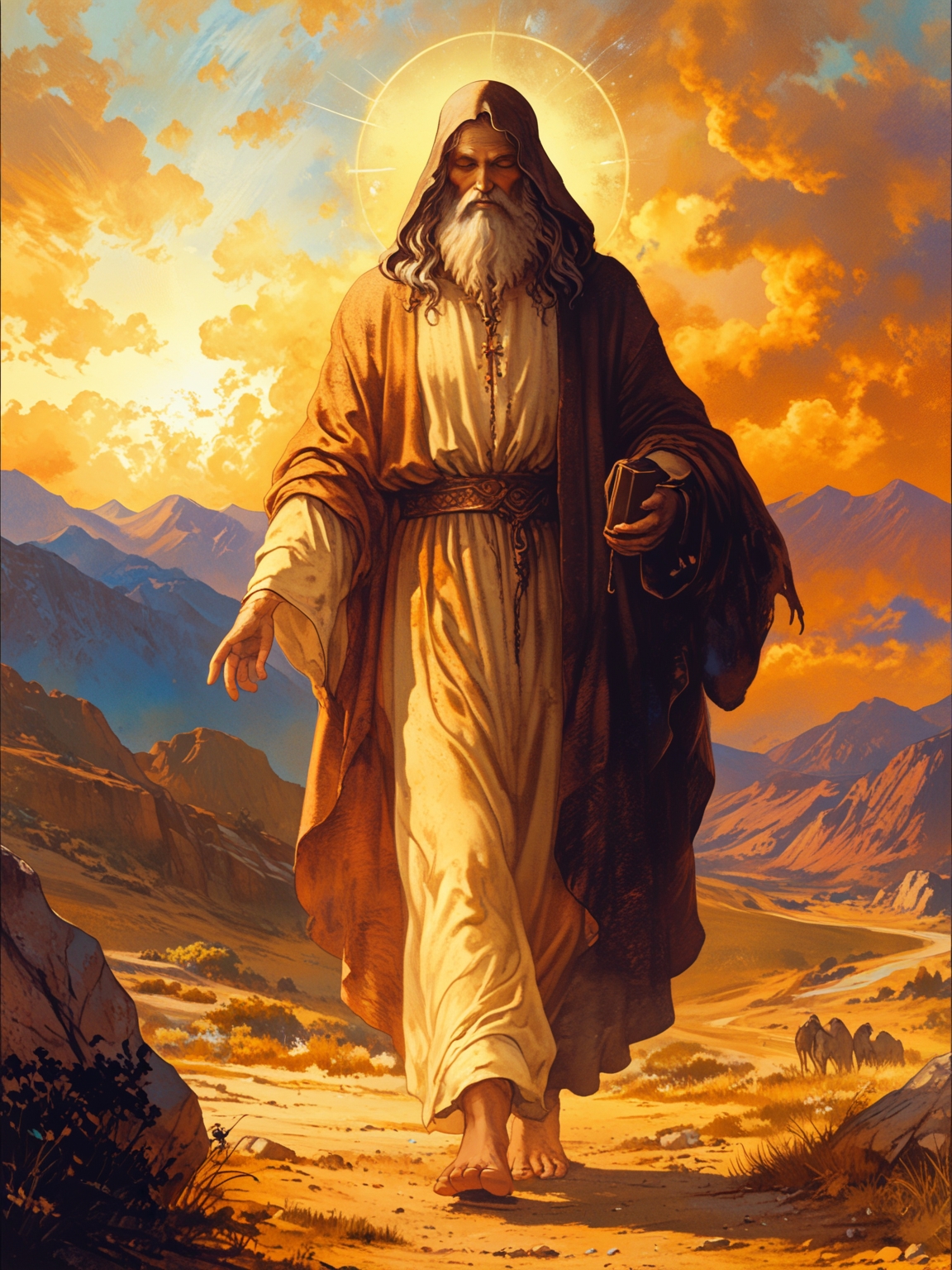
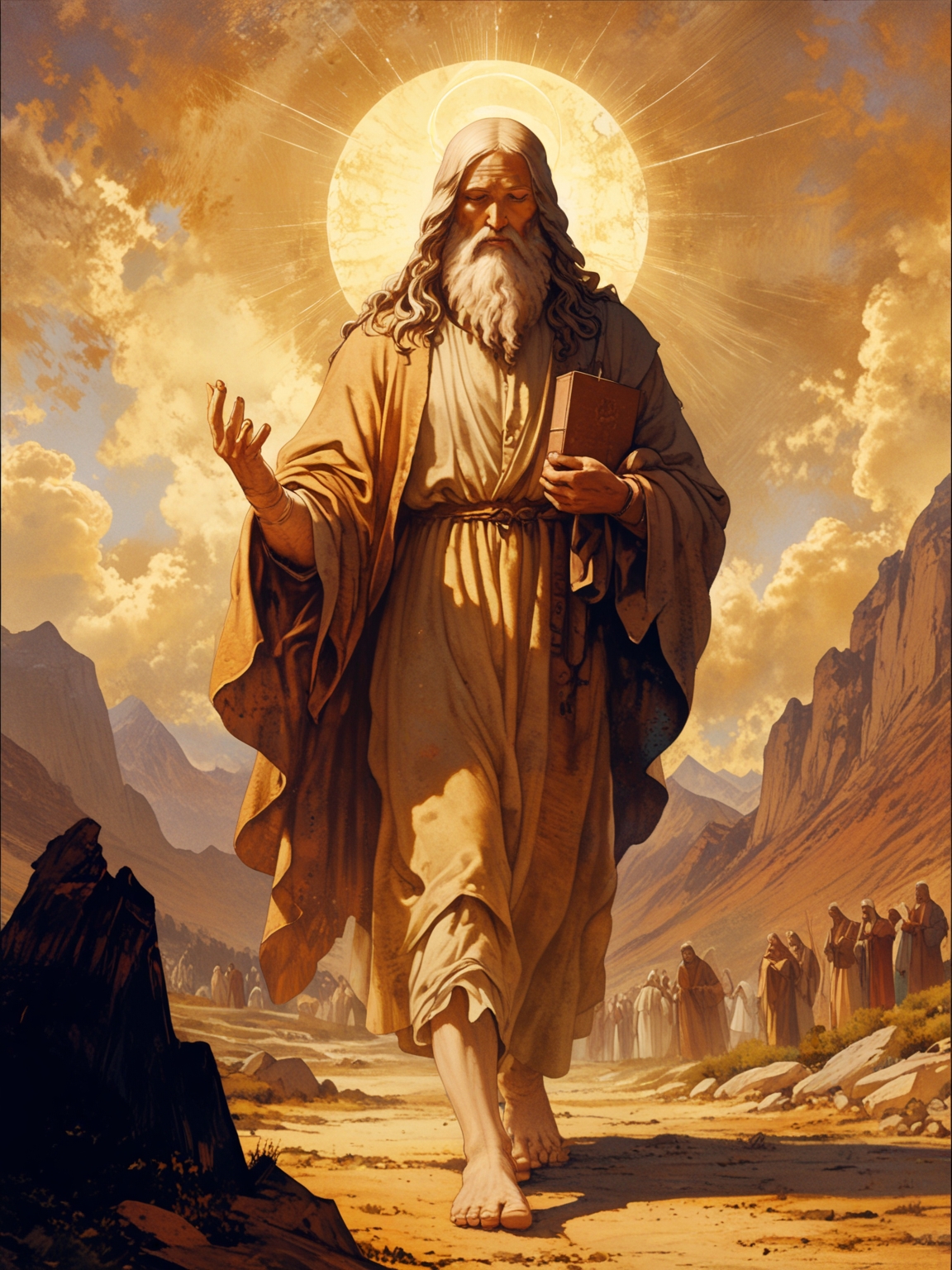
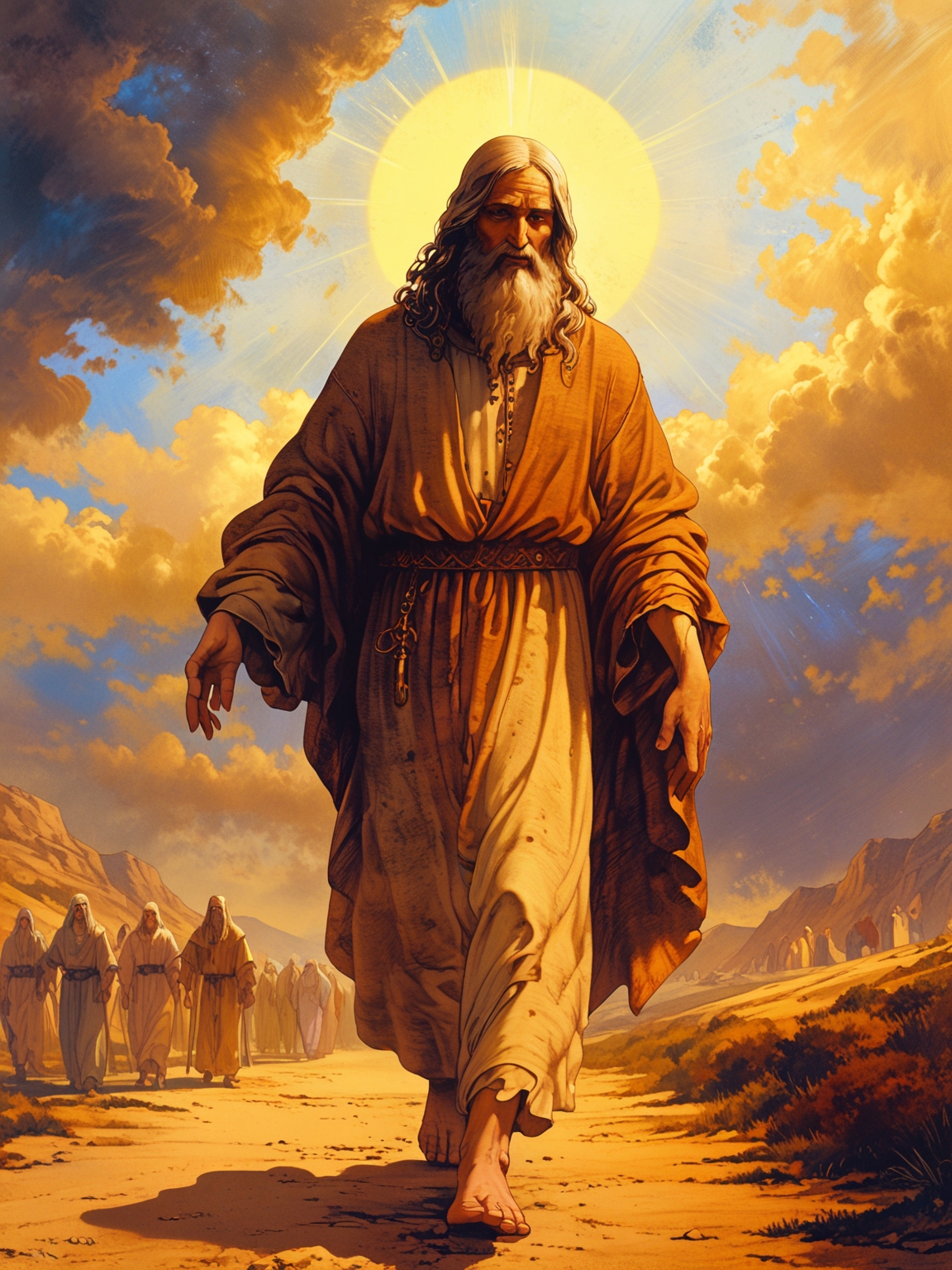
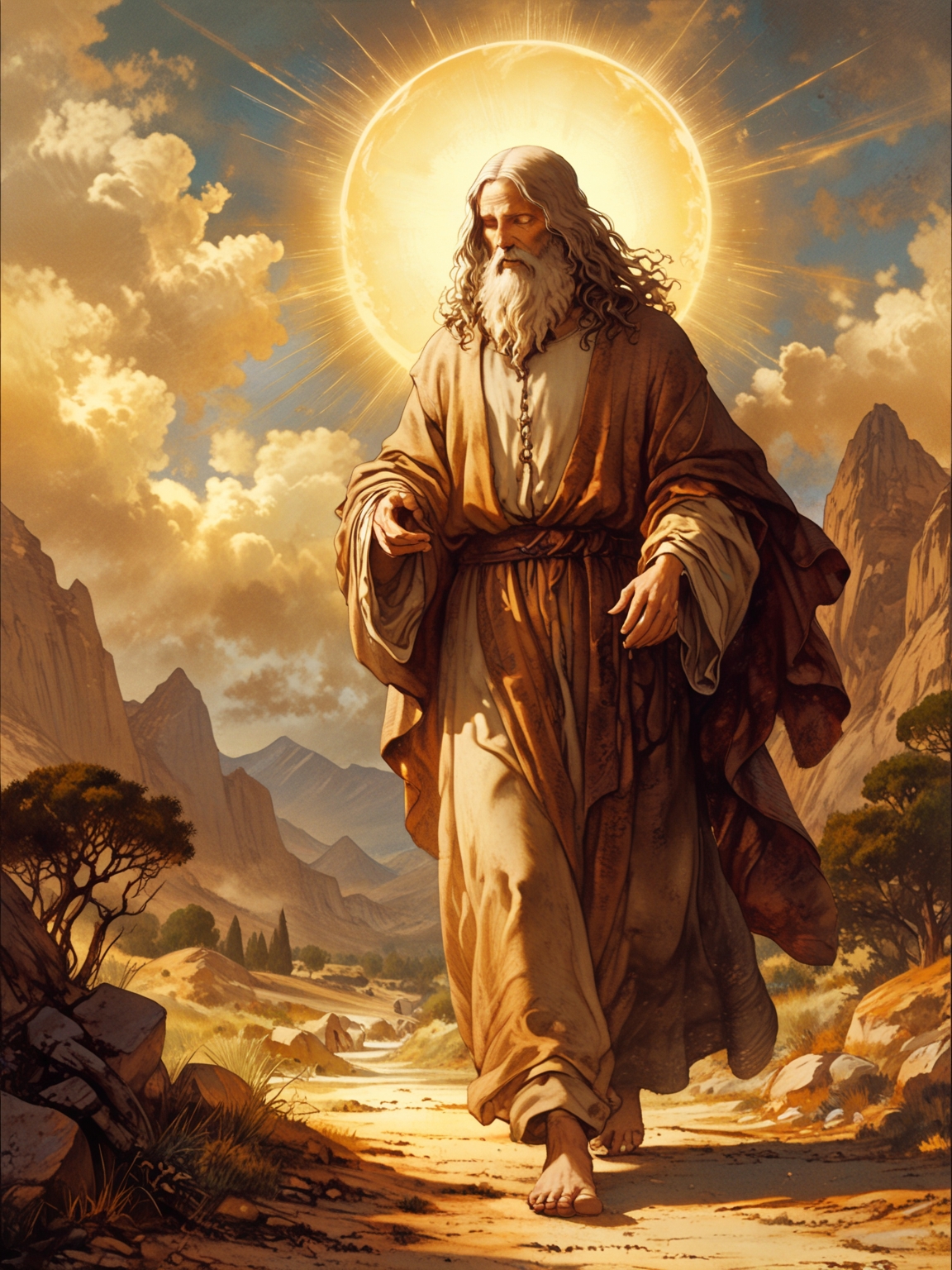
Verse 21: “When Enoch had lived 65 years, he became the father of Methuselah.”
This verse introduces us to Enoch and tells us a key detail about his life. We learn that at the age of 65, Enoch became the father of Methuselah, whose name actually means “man of God” or “when he dies it shall come.” Interesting, right? It sets the stage for what we’ll learn about Enoch next.
Verse 22: “After he became the father of Methuselah, Enoch walked faithfully with God 300 years and had other sons and daughters.”
This verse is packed with meaning! Here, we see a beautiful picture of family life. Even after having Methuselah, Enoch continued to grow his family. But more importantly, the verse tells us that Enoch “walked faithfully with God” for 300 years. This means he lived his life in close relationship with God, following His ways and teachings. Imagine that – 300 years of dedication!
Verse 23: “Altogether, Enoch lived a total of 365 years.”
This verse simply sums up Enoch’s lifespan. Compared to our lifespans today, it seems incredibly long. Back then, people lived much longer lives.
Verse 24: “Enoch walked faithfully with God; then he was not more, because God took him away.”
This verse is the most intriguing part of the story. We’re told again about Enoch’s faithfulness, and then it says something quite extraordinary: “God took him away.” Unlike others who died, the Bible tells us Enoch wasn’t subject to death in the usual way.
There are different interpretations of what this means. Some believe God took Enoch to heaven without him experiencing death. Others believe it means Enoch lived a particularly righteous life and was spared the suffering of death. Whichever interpretation you find most compelling, one thing is clear: Enoch’s close walk with God resulted in a unique end to his life.
Genesis 5:25-27 NIV
When Methuselah had lived 187 years, he became the father of Lamech. After he became the father of Lamech, Methuselah lived 782 years and had other sons and daughters. Altogether, Methuselah lived a total of 969 years, and then he died.
Genesis 5:25-27 NIV
Verse 25: “When Methuselah had lived 187 years, he became the father of Lamech.”
This verse introduces us to Methuselah and provides vital information about his life. We read that at the age of 187, Methuselah became Lamech’s father. People used to live considerably longer lives, so having children at this age may seem a little later than we are accustomed to today.
Verse 26: “After he became the father of Lamech, Methuselah lived 782 years and had other sons and daughters.”
This verse details Methuselah’s life. Even after birthing Lamech, Noah’s father, Methuselah lived for a very long time – 782 years to be exact! The Bible also says he had other sons and daughters. This verse emphasizes the value of family and how God provided Methuselah with a large one.
Verse 27: “Altogether, Methuselah lived a total of 969 years, and then he died.”
Here, the text summarizes Methuselah’s life. What is the most remarkable detail? He lived an astonishing 969 years! This is the longest life recorded in the Bible. The passage concludes with Methuselah’s death, reminding us that, despite longer lifespans, death was still a reality.
Genesis 5:28-32 NIV
When Lamech had lived 182 years, he had a son. He named him Noah and said, “He will comfort us in the labor and painful toil of our hands caused by the ground the Lord has cursed.” After Noah was born, Lamech lived 595 years and had other sons and daughters. Altogether, Lamech lived a total of 777 years, and then he died.
After Noah was 500 years old, he became the father of Shem, Ham and Japheth.
Genesis 5:28-32 NIV

The story of Lamech and his son, Noah!
Verse 28: “When Lamech had lived 182 years, he had a son.”
This verse introduces us to Lamech and highlights a pivotal moment in his life: the birth of his son. Having children at the age of 182 was not uncommon back then, but it sets the scenario for the unique role that this son will play.
Verse 29: “He named him Noah and said, ‘He will comfort us in the labor and painful toil of our hands caused by the ground the LORD has cursed.’”
This verse is full of meaning. Lamech names his son Noah, which translates to “rest” or “comfort.” Lamech appears to be expressing a desire for reprieve from the hard work required to cultivate the ground. The Bible cites a “curse” on the ground, which most likely relates to the difficulties of farming following Adam and Eve’s fall. Lamech hopes Noah will provide some type of consolation or relief from these responsibilities.
Verse 30: “After Noah was born, Lamech lived 595 years and had other sons and daughters.”
Lamech lived a long life of 595 years! The Bible also says he had more offspring besides Noah. This verse emphasizes the value of family and how God provided Lamech with a large one.
Verse 31: “Altogether, Lamech lived a total of 777 years, and then he died.”
This passage summarizes Lamech’s life. Even though he lived for a long time, the passage concludes by reminding us that death was still a reality.
Verse 32: “After Noah was 500 years old, he became the father of Shem, Ham and Japheth.”
This verse moves us forward in time and tells us about Noah’s own family. We discover that Noah had three sons: Shem, Ham, and Japheth, who will play important roles in humanity’s future tale.
Genesis 5 concludes by establishing the context for the account of Noah and his sons. This chapter serves as a lengthy family chronicle, reminding us of God’s authority over life. He determines our lifespans, which were considerably longer in the beginning. This verse also emphasizes God’s faithfulness to continue the human lineage in the face of sin. Noah’s name, which means “rest” or “comfort,” provides a ray of hope for the future, implying God’s purpose for salvation.


