

Genesis 4:1 NIV
Adam made love to his wife Eve, and she became pregnant and gave birth to Cain. She said, “With the help of the Lord I have brought forth a man.”
Genesis 4:1 NIV
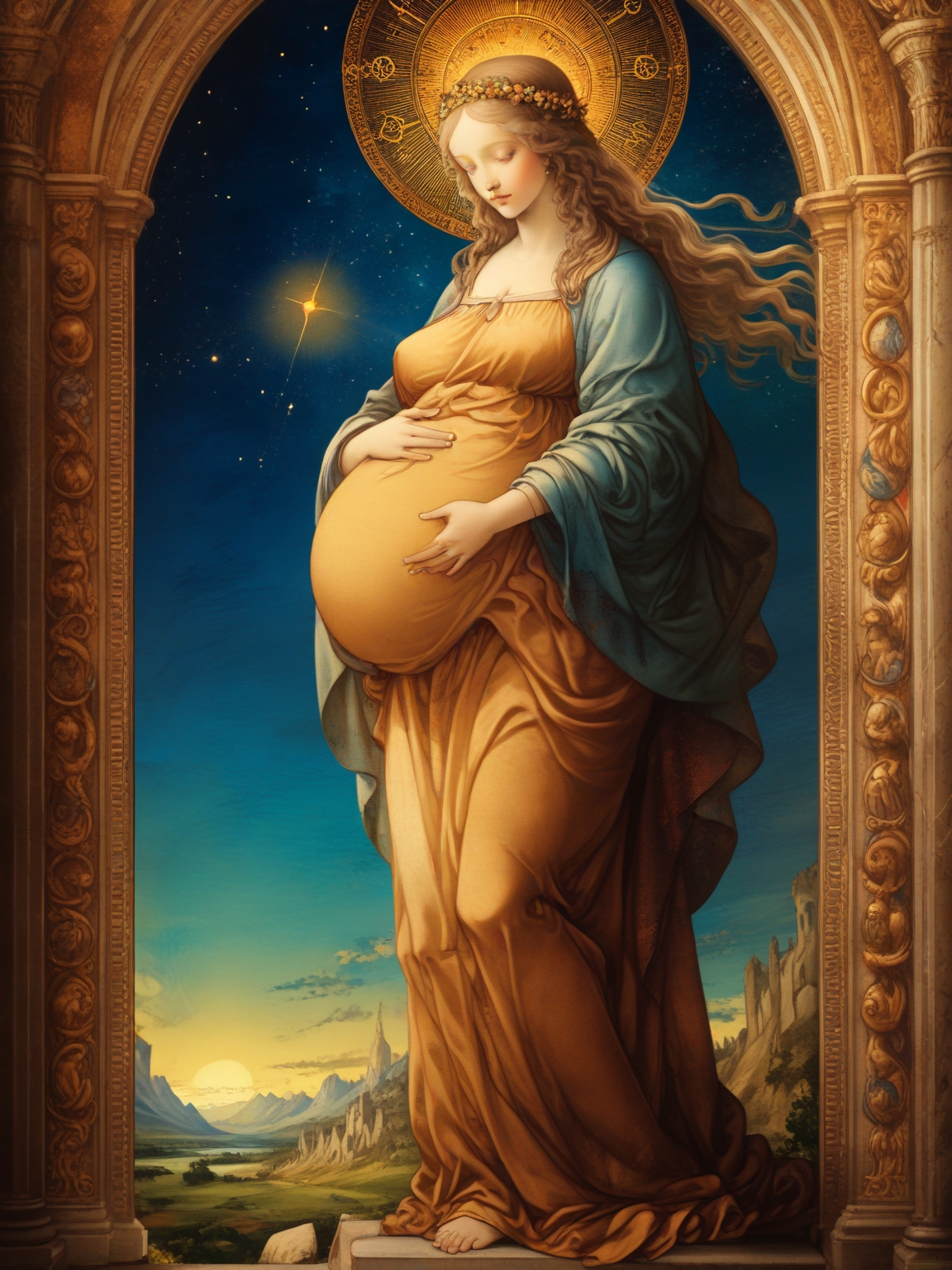

Verse 1: Adam and Eve
This poem begins with a basic fact: the first people, Adam and Eve, had a child together. The phrasing here may differ from how we communicate now, but it means they were intimate and started a family.
She Became Pregnant and Gave Birth to Cain
This is a stunning section of the story. Even after they were driven from the Garden of Eden, God nevertheless gave them the ability to bear offspring. Their firstborn son, Cain, enters the world.
“With the Help of the Lord I Have Brought Forth a Man”
This is when things become extremely fascinating. Eve, after giving birth, acknowledges God’s role in the miracle. Even though they were no longer in paradise, Eve acknowledges that God remains the source of life and blessings. It demonstrates her faith and thanks despite adversity.
The following are some points to think about:
- The verse lays the stage for the story of Cain and Abel, two brothers who would follow quite divergent paths.
- Eve’s thanks serves as a reminder that even in terrible circumstances, God is with us and continues to care for us.
Genesis 4:2-5 NIV
Later she gave birth to his brother Abel.
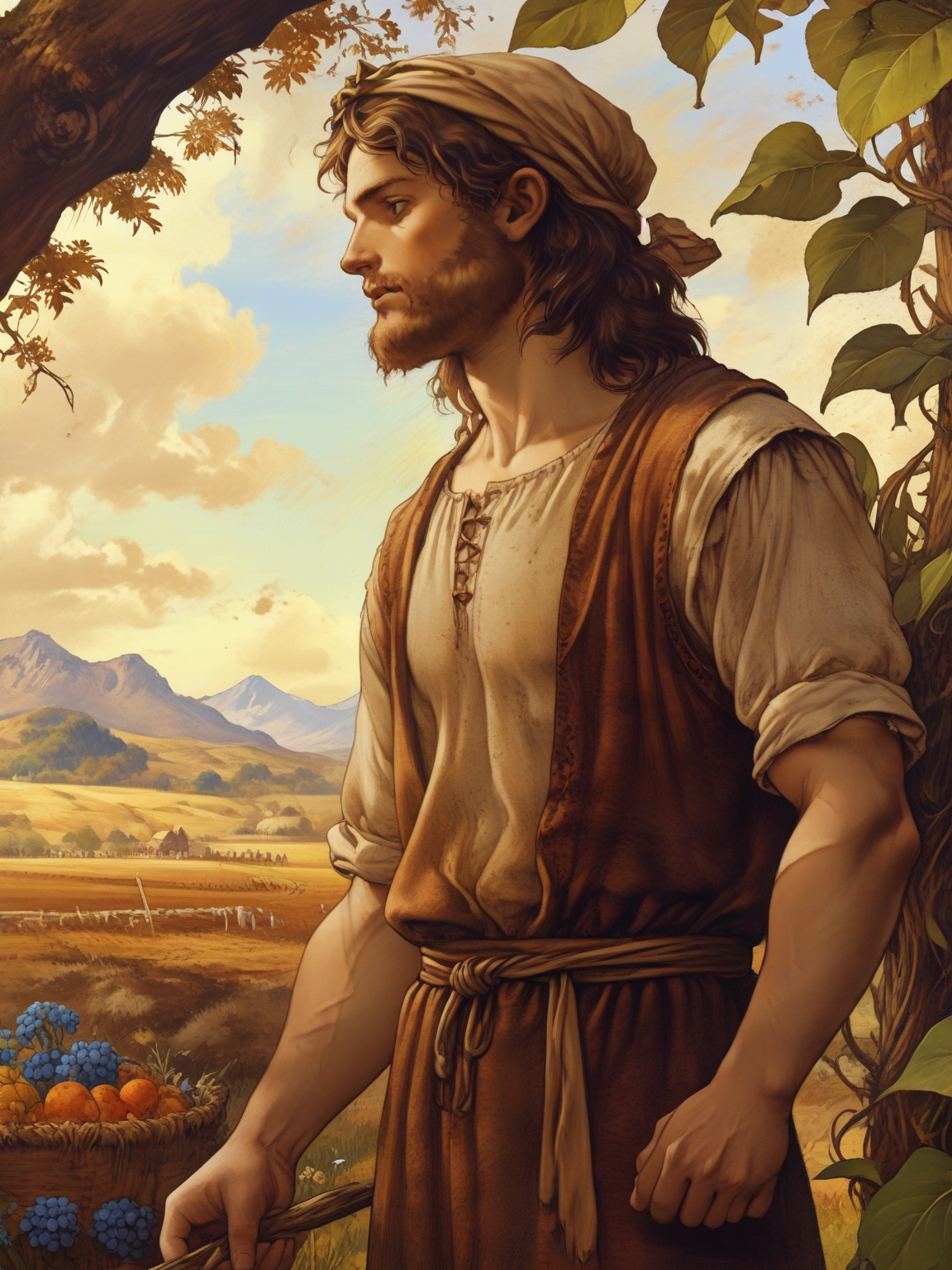
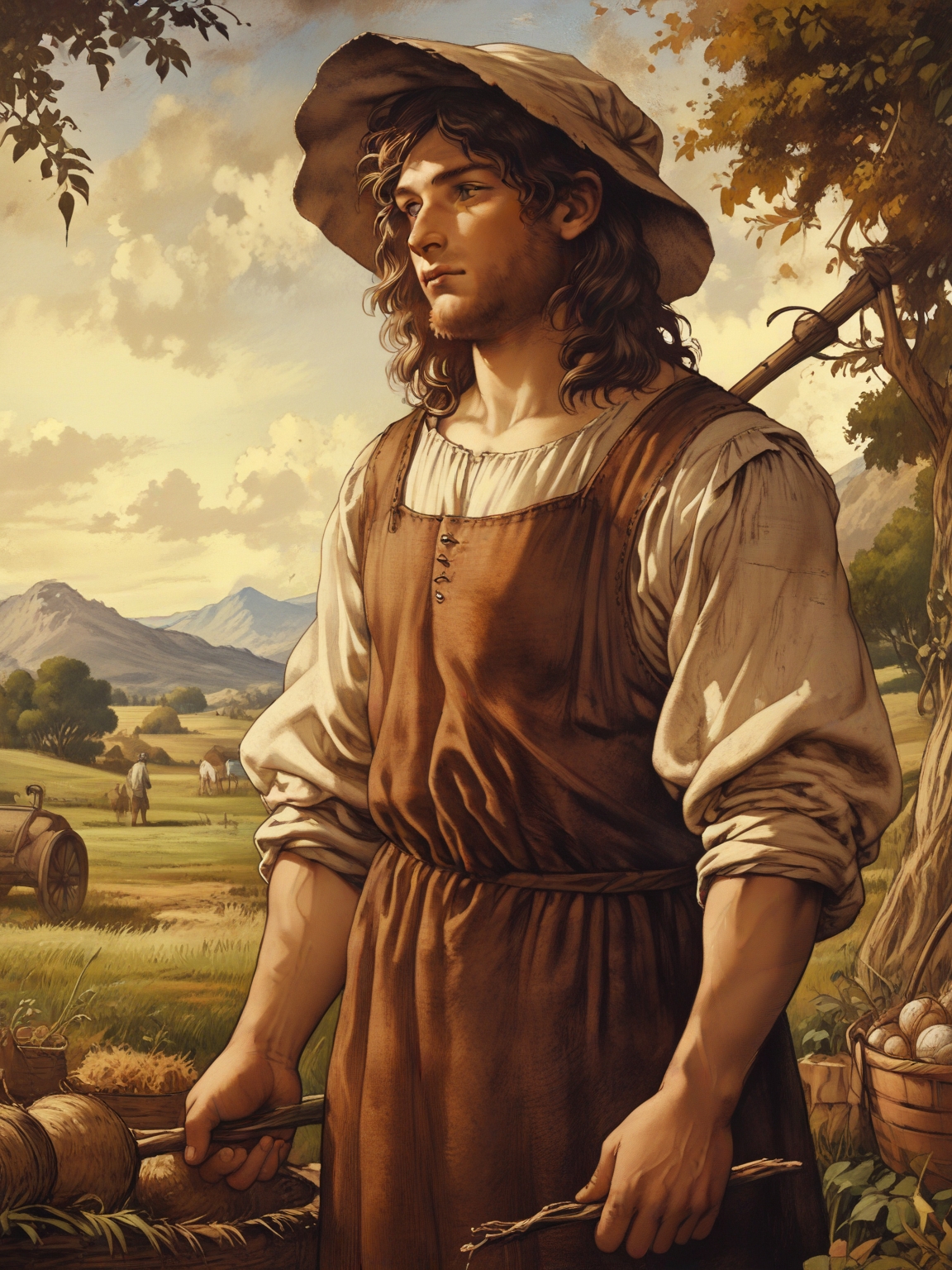
Now Abel kept flocks, and Cain worked the soil. In the course of time Cain brought some of the fruits of the soil as an offering to the Lord. And Abel also brought an offering—fat portions from some of the firstborn of his flock. The Lord looked with favor on Abel and his offering, but on Cain and his offering he did not look with favor. So Cain was very angry, and his face was downcast.
Genesis 4:2-5 NIV
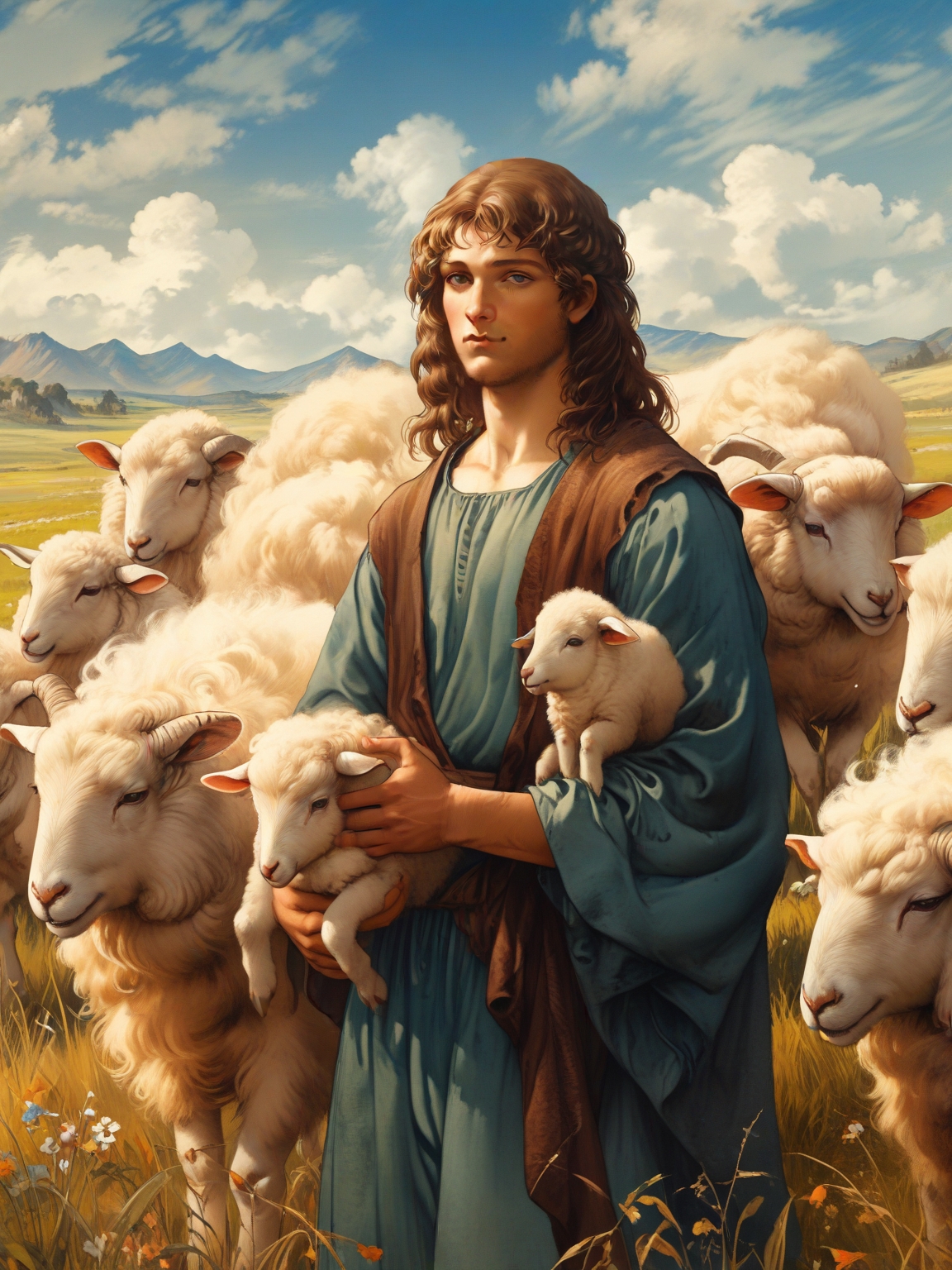
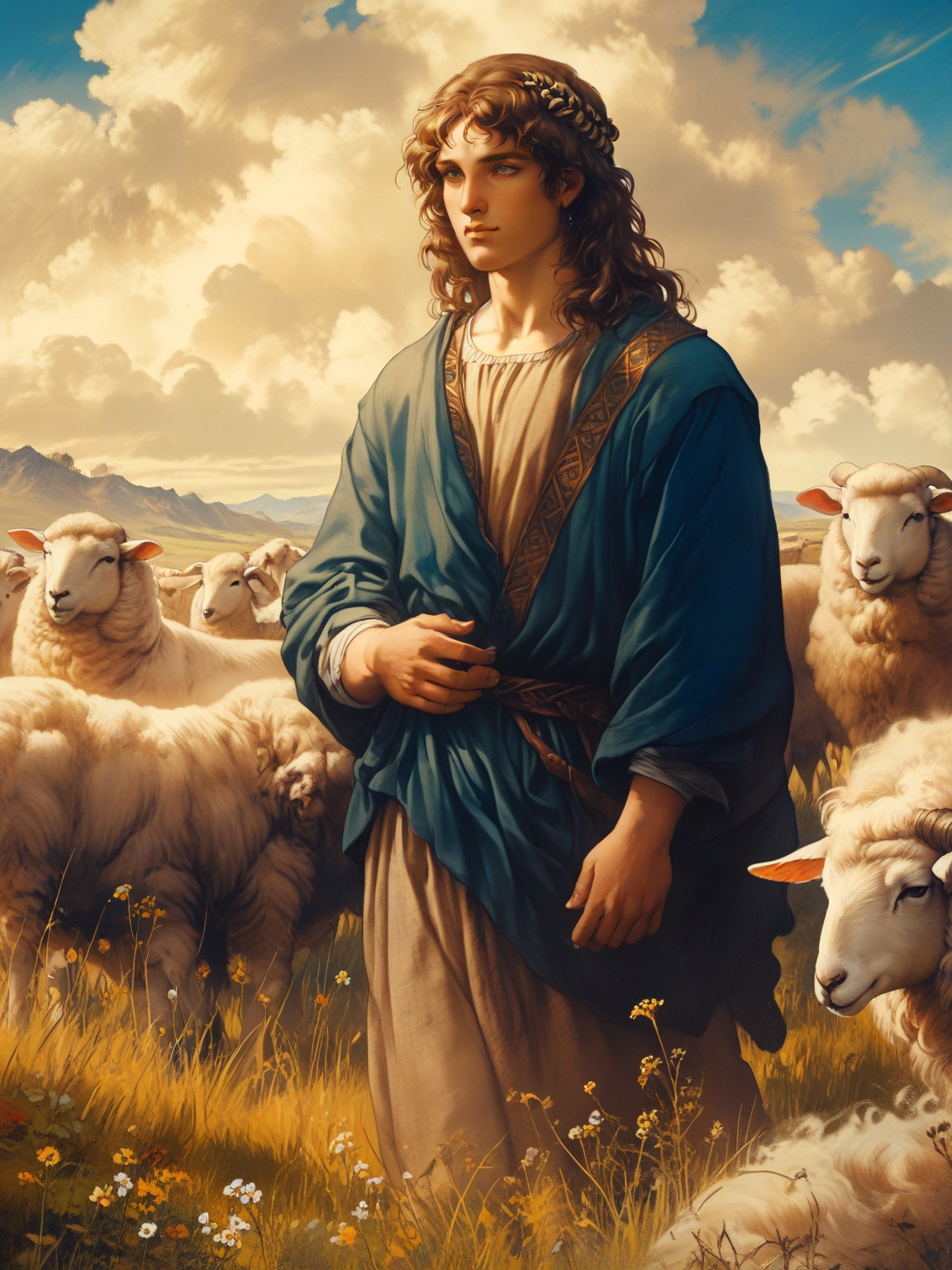
Later She Gave Birth to His Brother Abel
This text simply tells us that the family is increasing! Eve gives birth to Abel, their second son. We now have two brothers, Cain and Abel, who are starting their lives together.
Now Abel Kept Flocks, and Cain Worked the Soil
This section discusses the brothers’ various occupations. Abel became a shepherd, tending livestock, and Cain became a farmer, cultivating the soil. This could reflect their personalities, with Abel being more compassionate and caring for animals, whilst Cain took up a more physical job.
In the Course of Time Cain Brought Some of the Fruits of the Soil as an Offering to the Lord
Here’s when things become interesting. We witness the brothers trying to thank God for their lives and provisions. Cain offers some of the crops he has collected. This act of offering was a popular way for individuals at that time to worship and express gratitude.
And Abel Also Brought an Offering – Fat Portions from Some of the Firstborn of His Flock
Abel also brings an offering, but it is different. He chooses the healthiest and best elements of his flock, the firstborn animals. This might reveal something about Abel’s heart: he wanted to give God his all.
The Lord Looked with Favor on Abel and His Offering, But on Cain and His Offering He Did Not Look with Favor
This is an important element of the passage. The Bible says that God accepted Abel’s offering but not Cain’s. There is no precise reason mentioned in the scripture, but others assume it was due to the quality of the offering or Abel’s true devotion.
So Cain Was Very Angry, and His Face Was Downcast
This is where things take a turn. Cain becomes irritated, even enraged. The text depicts his countenance as downcast, indicating sadness and dissatisfaction. It’s vital to remember that these are the first humans to have these complicated emotions. Cain does not manage his emotions effectively, which sets the stage for the next section of the story.
Here are some things to ponder:
- Why do you think God might have favored Abel’s offering?
- How can we deal with feelings of rejection in a healthy way?
Genesis 4:6-8 NIV
Then the Lord said to Cain, “Why are you angry? Why is your face downcast? If you do what is right, will you not be accepted? But if you do not do what is right, sin is crouching at your door; it desires to have you, but you must rule over it.”
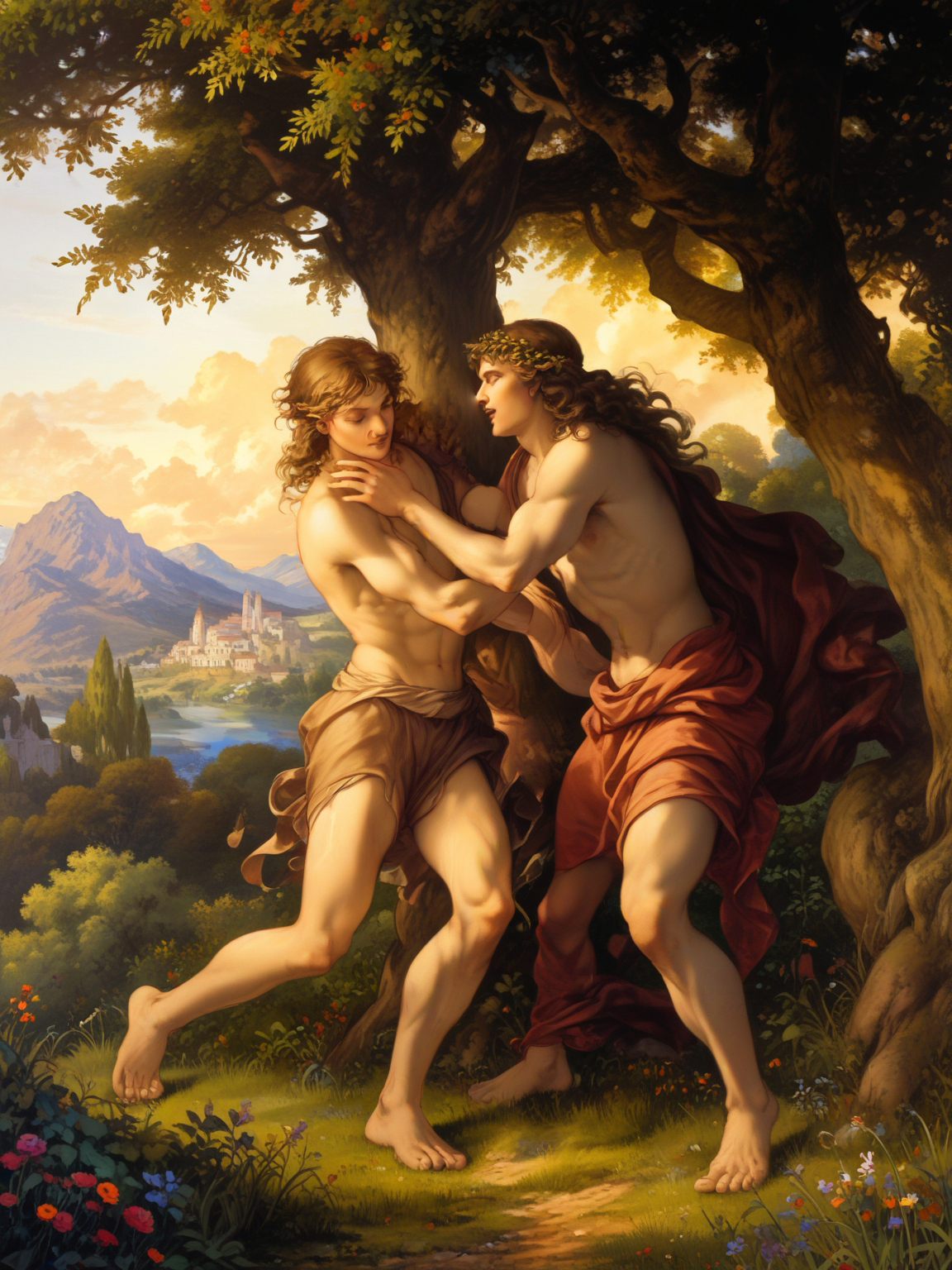
Now Cain said to his brother Abel, “Let’s go out to the field.” While they were in the field, Cain attacked his brother Abel and killed him.
Genesis 4:6-8 NIV
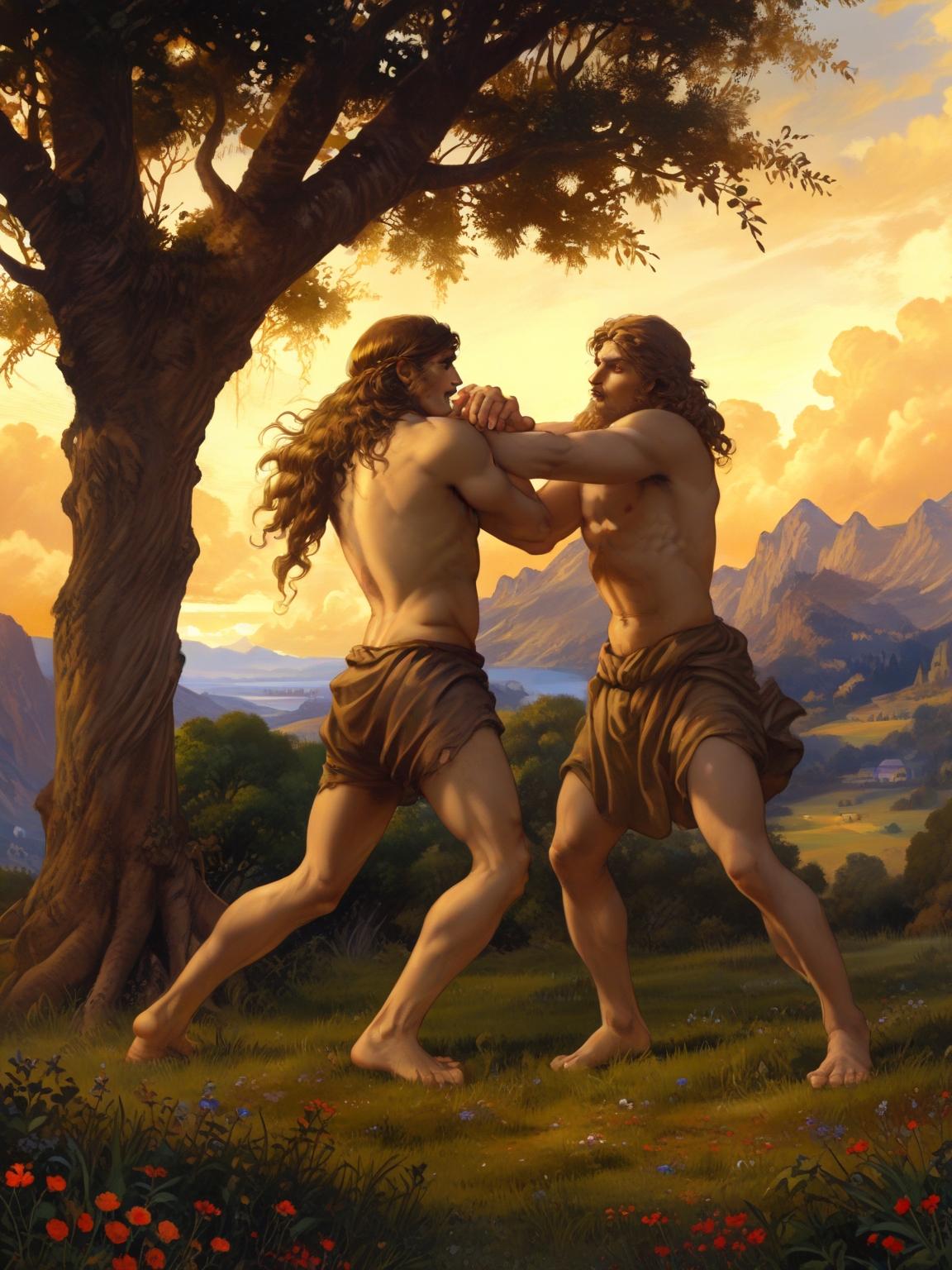
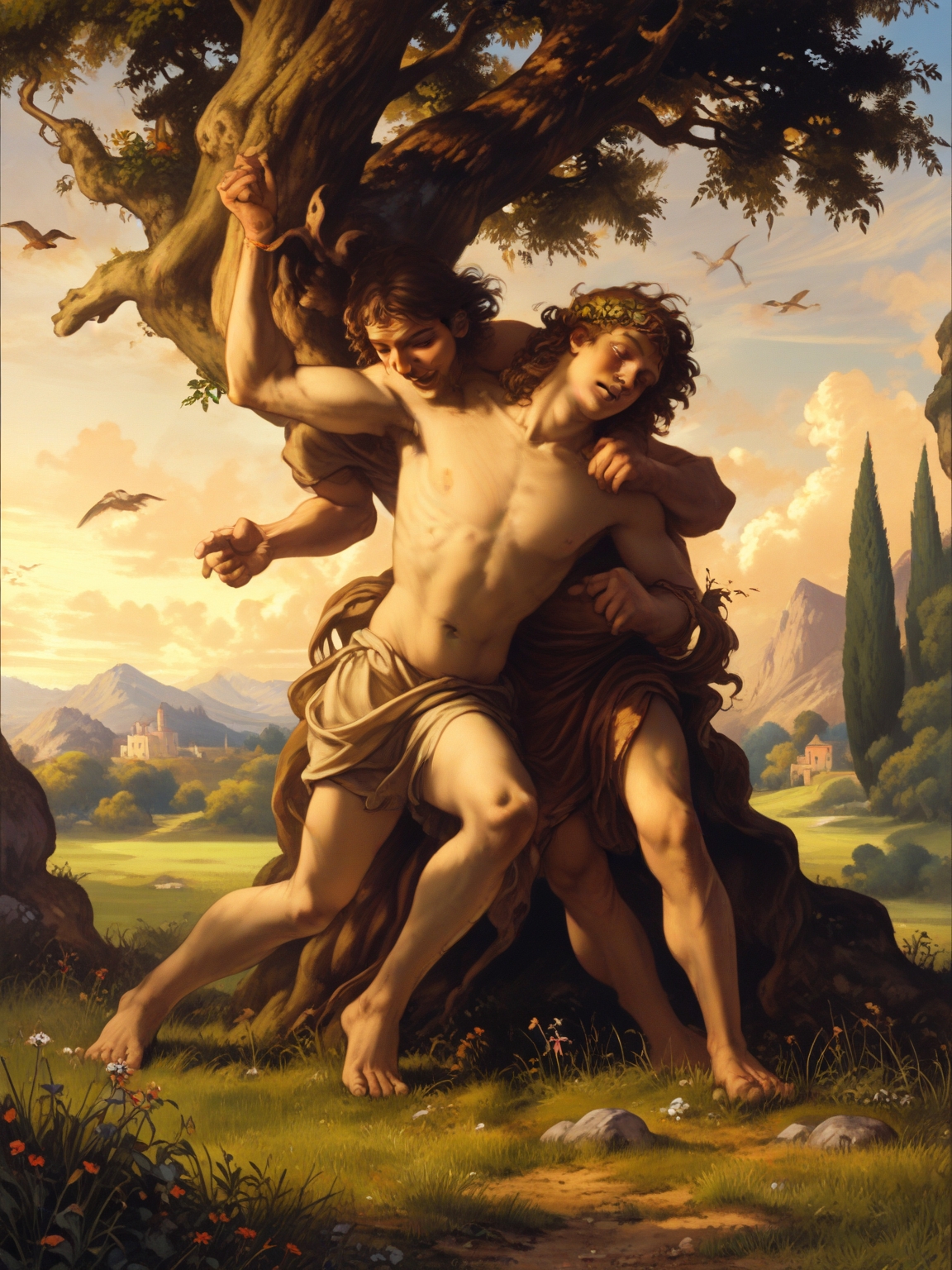
This story is very serious, and it serves as an excellent reminder that the Bible contains both beautiful and tragic stories.
Then the Lord Said to Cain, “Why Are You Angry? Why Is Your Face Downcast?”
This verse expresses God’s mercy. Even though Cain is visibly offended, God does not immediately judge him. Instead, God asks inquiries, gently trying to figure out what’s going on in Cain’s heart.
“If You Do What Is Right, Will You Not Be Accepted? But If You Do Not Do What is Right, Sin is Crouching at Your Door; It Desires to Have You, But You Must Rule Over It.”
Here, God provides some instruction. God is basically saying, “Cain, your feelings are okay, but don’t let them control you. Choose the correct way, and you will be admitted. But if you choose anger and envy, sin will take control.” It serves as a reminder that we all have choices, and God wants us to choose the road of goodness.
Now Cain Said to His Brother Abel, “Let’s Go Out to the Field.” While They Were in the Field, Cain Attacked His Brother Abel and Killed Him.
This is the tragic part. Instead of listening to God’s word of hope, Cain let his rage fester. He tricked Abel and committed the first murder in human history. It’s a terrifying reminder of how harmful unchecked emotions can be.
The following are some points to think about:
- How can we tell when our emotions are taking us down a poor path?
- Where can we get help dealing with tough emotions?
Remember that the Bible is more than just a collection of stories; it is a guidebook for life. This text serves as a harsh reminder of the need of maintaining emotional control and seeking aid from God.
Genesis 4:9-16 NIV
Then the Lord said to Cain, “Where is your brother Abel?”
“I don’t know,” he replied. “Am I my brother’s keeper?”
The Lord said, “What have you done? Listen! Your brother’s blood cries out to me from the ground. Now you are under a curse and driven from the ground, which opened its mouth to receive your brother’s blood from your hand. When you work the ground, it will no longer yield its crops for you. You will be a restless wanderer on the earth.”
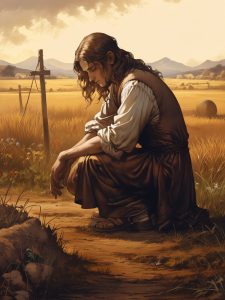
Cain said to the Lord, “My punishment is more than I can bear. Today you are driving me from the land, and I will be hidden from your presence; I will be a restless wanderer on the earth, and whoever finds me will kill me.”
But the Lord said to him, “Not so; anyone who kills Cain will suffer vengeance seven times over.” Then the Lord put a mark on Cain so that no one who found him would kill him. So Cain went out from the Lord’s presence and lived in the land of Nod, east of Eden.
Genesis 4:9-16 NIV
Here in this part of the story, things get even heavier, but there’s also a glimmer of hope. Let’s unpack it together:
Then the Lord Said to Cain, “Where Is Your Brother Abel?”
God, of course, knows everything, but here he provides Cain the opportunity to repent and accept responsibility for his acts.
“I Don’t Know,” He Replied. “Am I My Brother’s Keeper?”
Cain’s response reveals that he is not sorry. He tries to shift the burden, even implying that it is not his obligation to care for his brother. It’s a heartbreaking rejection of the bond they had.
The Lord Said, “What Have You Done? Listen! Your Brother’s Blood Cries Out to Me from the Ground.”
God confronts Cain directly. The image of Abel’s blood gushing out is striking. It represents the gravity of the crime and a violation of life.
Now You Are Under a Curse and Driven from the Ground… When You Work the Ground, It Will No Longer Yield Its Crops for You.
There are consequences to Cain’s deeds. He is condemned to wander the land, unable to find a permanent home or reap the benefits of his labor. It is a reminder that sin has repercussions.
Cain Said to the Lord, “My Punishment Is More Than I Can Bear.”
Here, Cain finally admits that his punishment is intolerable. Perhaps a fracture develops in his hardened heart.
Today You Are Driving Me from the Land, and I Will Be Hidden from Your Presence… Whoever Finds Me Will Kill Me.”
Cain fears rejection and violence. He worries he’ll be forever cut off from God and society.
But the Lord Said to Him, “Not So; Anyone Who Kills Cain Will Suffer Vengeance Seven Times Over.” Then the Lord Put a Mark on Cain So That No One Who Found Him Would Kill Him.
This is the surprise part. Despite Cain’s horrible wickedness, God offers pity. God protects Cain from additional violence and gives him a chance to live. The mark’s purpose is unknown, however it could act as a reminder of his transgression or a symbol of God’s protection.
So Cain Went Out from the Lord’s Presence and Lived in the Land of Nod, East of Eden. The story concludes with Cain estranged from God and his original home. It’s a sorrowful note, but it also raises a question mark. Will Cain ever be reconciled with God?
Here are some things to ponder:
- How important is taking responsibility for our actions?
- Can someone be forgiven, even after a terrible sin?
The Bible teaches that God is both just and merciful. This story demonstrates that, even in the face of grave sin, God provides hope for salvation.
Genesis 4:17-18 NIV
Cain made love to his wife, and she became pregnant and gave birth to Enoch. Cain was then building a city, and he named it after his son Enoch. To Enoch was born Irad, and Irad was the father of Mehujael, and Mehujael was the father of Methushael, and Methushael was the father of Lamech.
Genesis 4:17-18 NIV
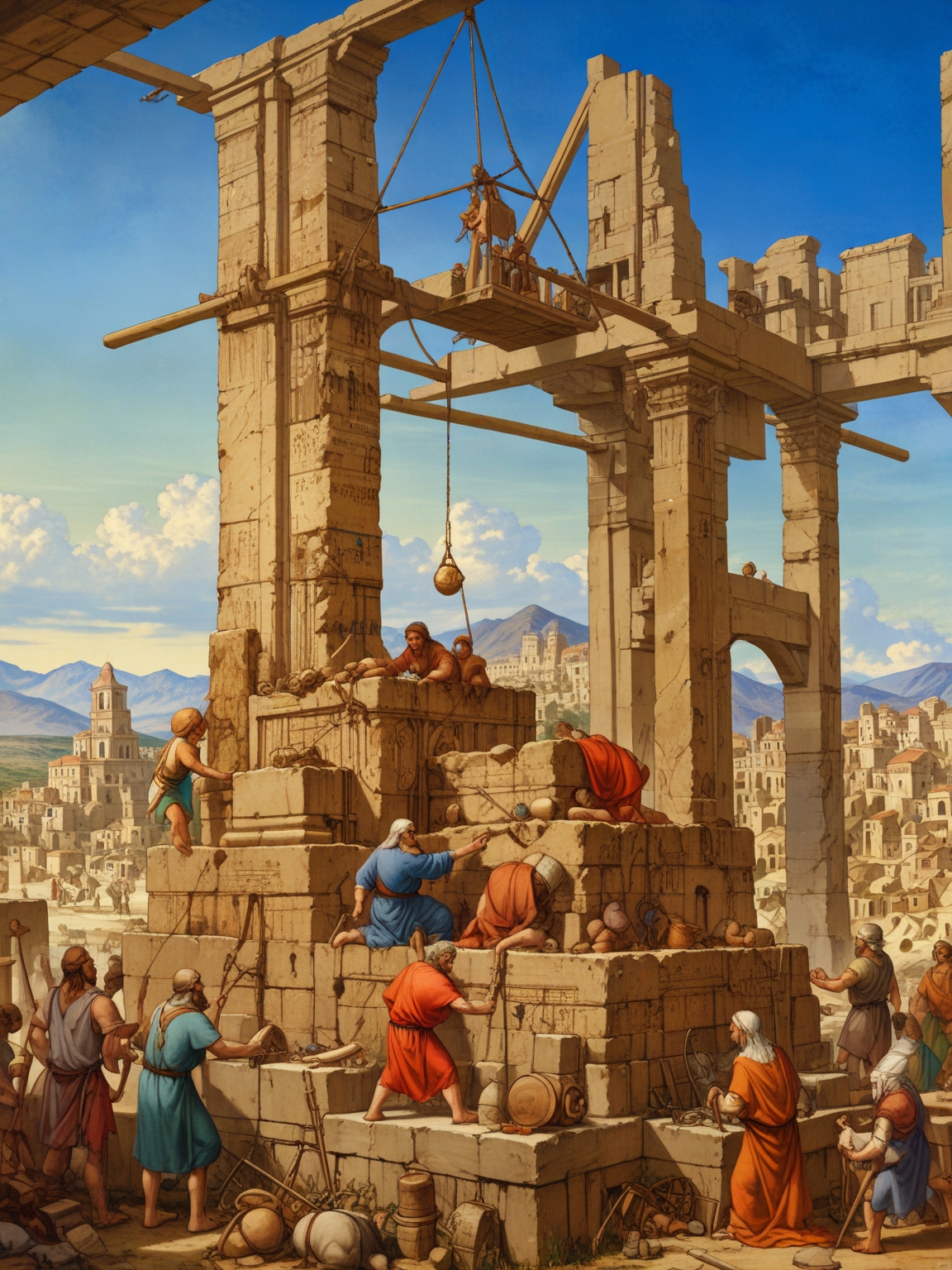
This passage takes a turn away from the dramatic account of Cain and Abel and instead focuses on his descendants. Let’s explore it together:
Cain Made Love to His Wife, and She Became Pregnant and Gave Birth to Enoch
The Bible says little about Cain’s wife, but we do learn that he had a family. They have a son, Enoch, who is the next generation in the family line.
Cain Was Then Building a City, and He Named it After His Son Enoch
This is a fascinating detail. Even after his punishment, Cain seemed to be attempting to establish a life for himself and his family. Naming the city after his son conveys a sense of pride and legacy.
To Enoch Was Born Irad, and Irad Was the Father of Mehujael, and Mehujael Was the Father of Methushael, and Methushael Was the Father of Lamech
This verse names Cain’s descendants across five generations. It serves as a reminder that even in the face of enormous tragedy, life continues. New families are formed, and humanity endures.
Here are some things to consider:
- Why do you think the Bible includes this genealogy of Cain’s family?
- How does this passage fit into the broader story of Genesis?
There are varying interpretations. Some interpret it as merely demonstrating the continuity of humanity. Others may see it as a method to demonstrate that even the descendants of those who sinned can build and create.
The Bible is filled of stories and lineages, and not every passage represents a significant turning point. This one acts as a bridge, connecting Cain and Abel’s story to the greater human narrative.
Genesis 4:19-22 NIV
Lamech married two women, one named Adah and the other Zillah. Adah gave birth to Jabal; he was the father of those who live in tents and raise livestock. His brother’s name was Jubal; he was the father of all who play stringed instruments and pipes. Zillah also had a son, Tubal-Cain, who forged all kinds of tools out of bronze and iron. Tubal-Cain’s sister was Naamah.
Genesis 4:19-22 NIV
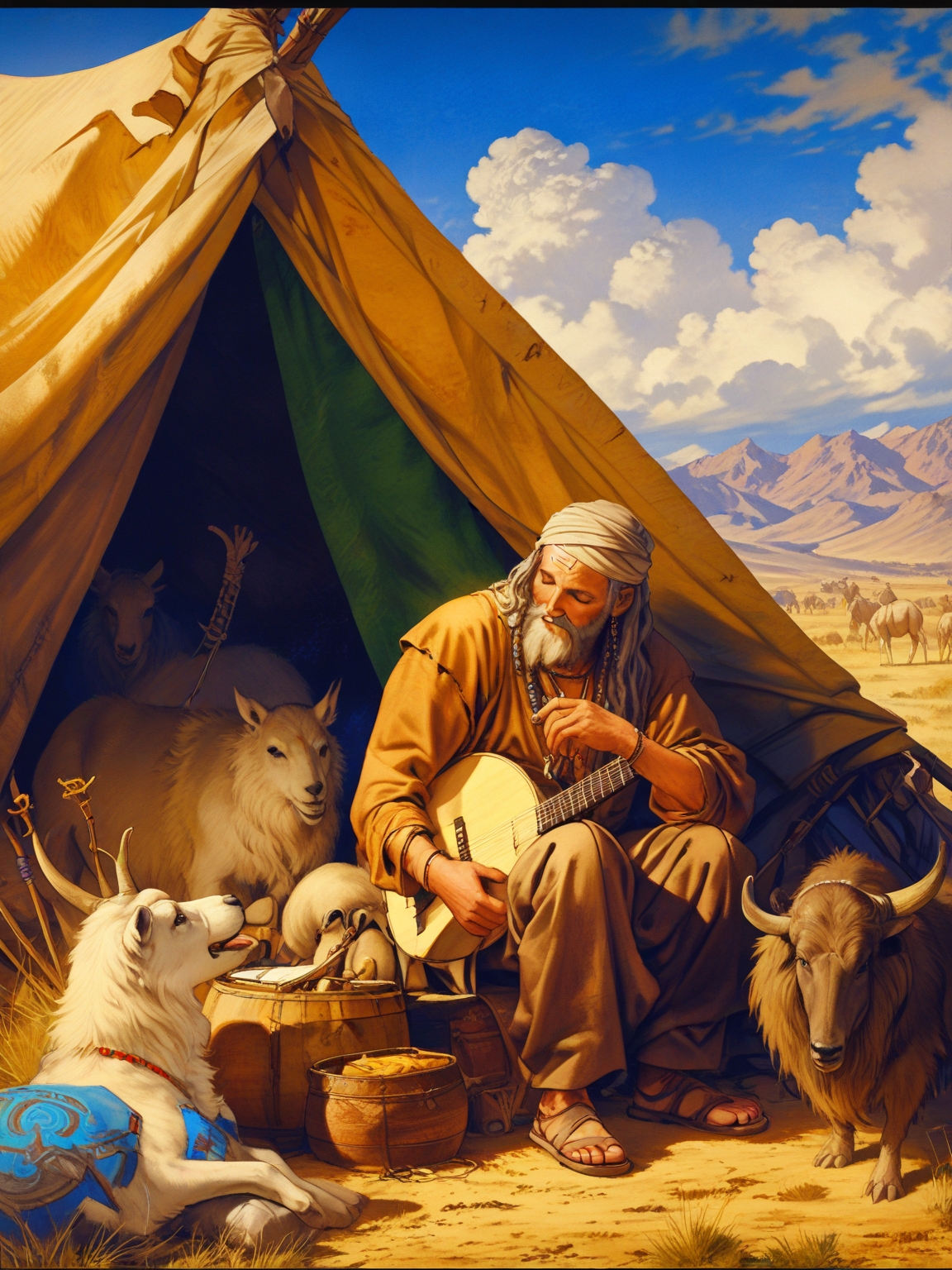
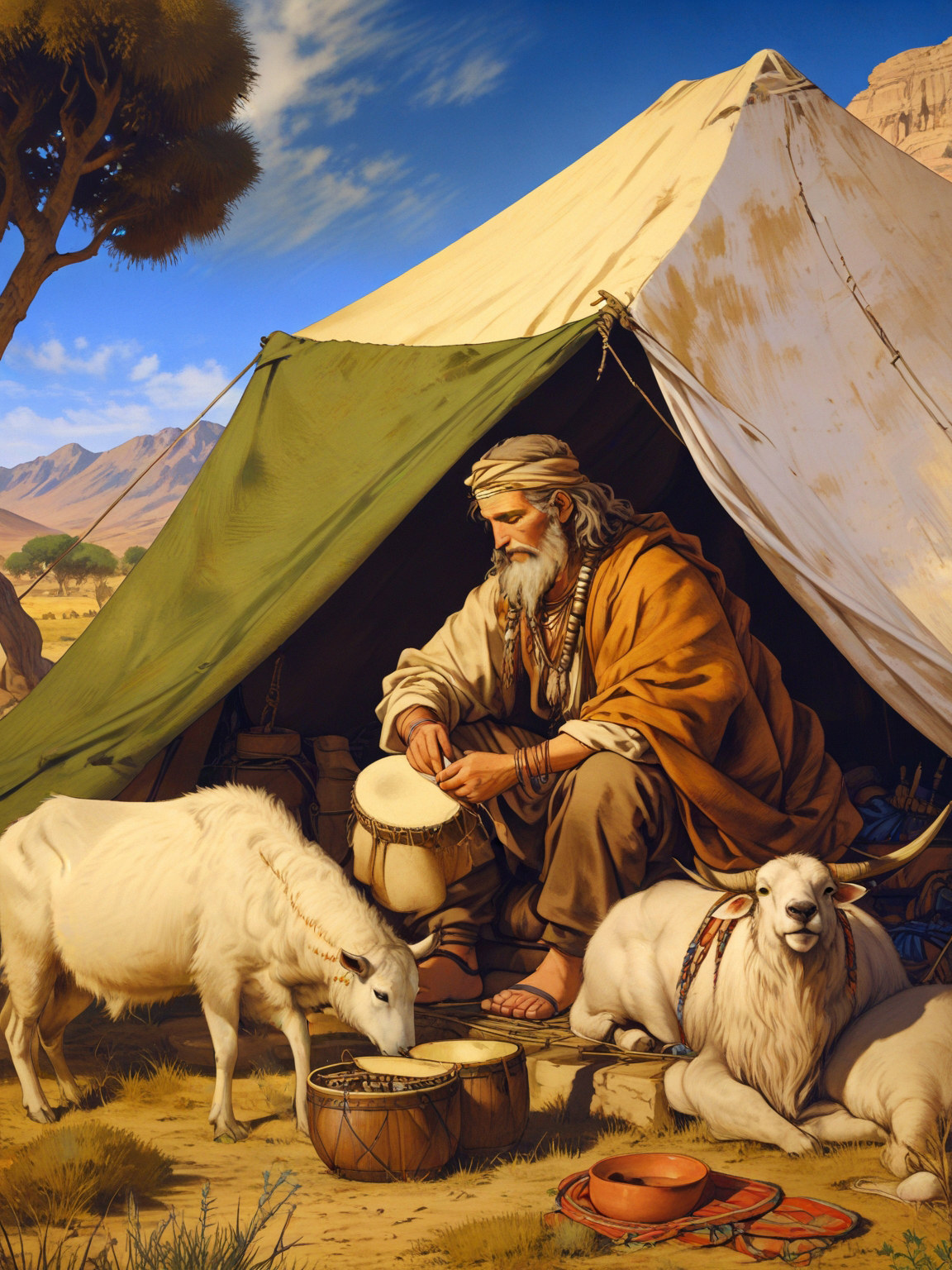
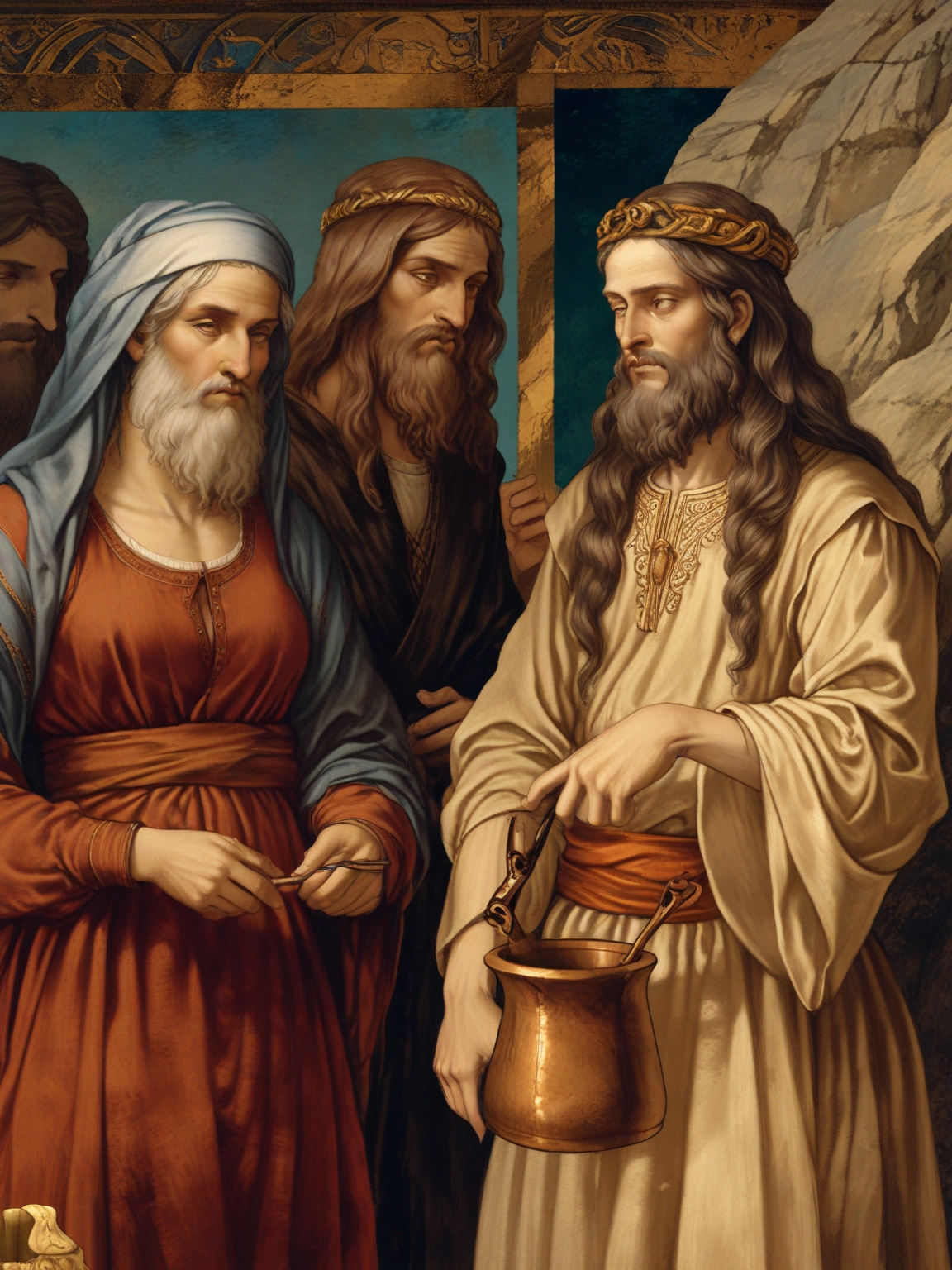
This passage in Genesis offers a glimpse into the lives of some of Cain’s descendants, particularly Lamech and his family.
Verse 19: Lamech Married Two Women, One Named Adah and the Other Zillah
This verse introduces us to Lamech, another descendant of Cain. Interestingly, the Bible claims that he has two wives: Adah and Zillah. This is the earliest mention of polygamy in the Scriptures. It is vital to note that polygamy was not the original design for marriage, according to the Bible (see earlier in Genesis with Adam and Eve).
Verse 20: Adah Gave Birth to Jabal; He Was the Father of Those Who Live in Tents and Raise Livestock
Here we meet Jabal, Adah’s son. The text refers to him as the “father” of the people who live in tents and keep livestock. This shows that Jabal may have been a pioneer in these areas, establishing new ways of living and herding livestock.
Verse 21: His Brother’s Name Was Jubal; He Was the Father of All Who Play Stringed Instruments and Pipes
This verse introduces Jubal, Jabal’s brother. He is regarded as the “father” of people who perform music using stringed instruments and pipes. This shows that Jubal may have invented these instruments or made important contributions to their development.
Verse 22: Zillah Also Had a Son, Tubal-Cain, Who Forged All Kinds of Tools Out of Bronze and Iron. Tubal-Cain’s Sister Was Naamah
This verse introduces Tubal-Cain, the son of Lamech’s other wife, Zillah. He is known as a metalworker, forging tools from bronze and iron. This is a key development in human history, signaling the beginning of the metal era. The passage also references Naamah, Tubal-Cain’s sister, but does not go into detail about her part.
Here are some things to consider:
- What does the emphasis on developments in living, music, and metalworking reveal about this civilization?
- How do these events fit into the overarching story of humanity in the Bible?
This text demonstrates development and inventiveness, even among the descendants of Cain. It reminds us that humans have an inherent desire to create and construct.
Genesis 4:23-24 NIV
Lamech said to his wives,
“Adah and Zillah, listen to me;
wives of Lamech, hear my words.
I have killed a man for wounding me,
a young man for injuring me.
If Cain is avenged seven times,
then Lamech seventy-seven times.”
Genesis 4:23-24 NIV

This passage from Genesis takes a surprising turn, revealing something dark about Lamech.
Verse 23: Lamech Said to His Wives, Adah and Zillah, Listen to Me; Wives of Lamech, Hear My Words
The passage begins with Lamech drawing his wives’ attention. He seemed to be preparing them for something crucial.
I Have Killed a Man for Wounding Me, A Young Man for Injuring Me
Lamech admits to his wives that he killed someone. The details are limited, but it appears he did it in retaliation for a wound or damage. This is a stunning revelation, especially since Lamech is a descendent of Cain, who was imprisoned for murder.
Verse 24: If Cain is Avenged Seven Times, Then Lamech Seventy-Seven Times
This is the most perplexing section. Lamech brings up the narrative of Cain and Abel. God promised that whomever harmed Cain would be punished sevenfold. However, Lamech boasts that his vengeance will be far bigger, seventy-seven times worse.
Here are some things to consider:
- Why do you believe Lamech confesses this to his wives?
- What does his boast of revenge reveal about his character?
There are varying interpretations. Some believe Lamech is seeking permission from his wives for his brutal deed. Others see him attempting to portray himself as a terrifying person.
What this passage reminds us of:
- The devastating nature of vengeance.
- The necessity of forgiving and refraining from violence.
The Bible is filled with stories featuring complex characters. Lamech is a cautionary story about how anger and violence can lead us down a bad path.
Genesis 4:25-26 NIV
Adam made love to his wife again, and she gave birth to a son and named him Seth, saying, “God has granted me another child in place of Abel, since Cain killed him.” Seth also had a son, and he named him Enosh.
At that time people began to call on the name of the Lord.
Genesis 4:25-26 NIV
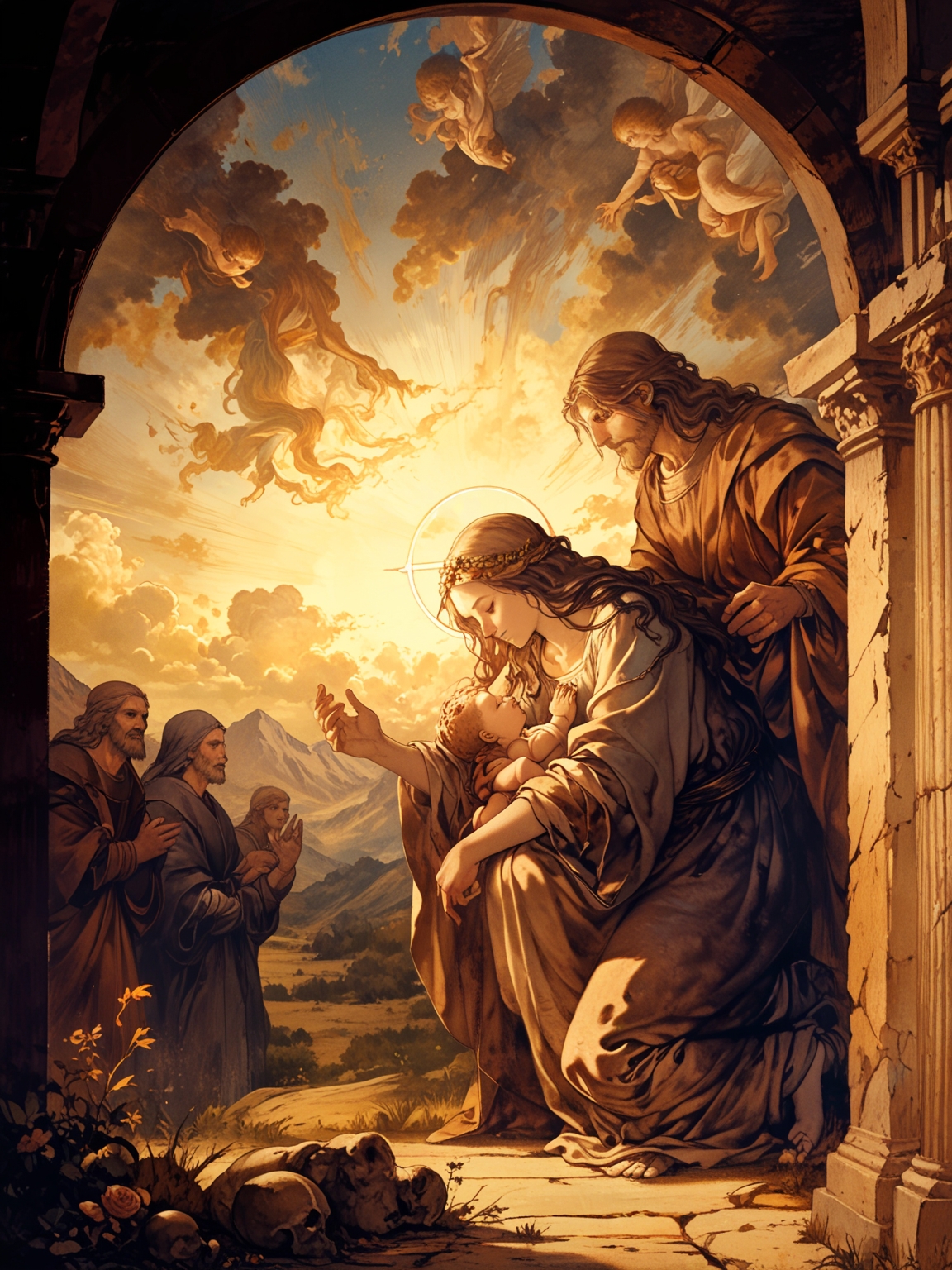
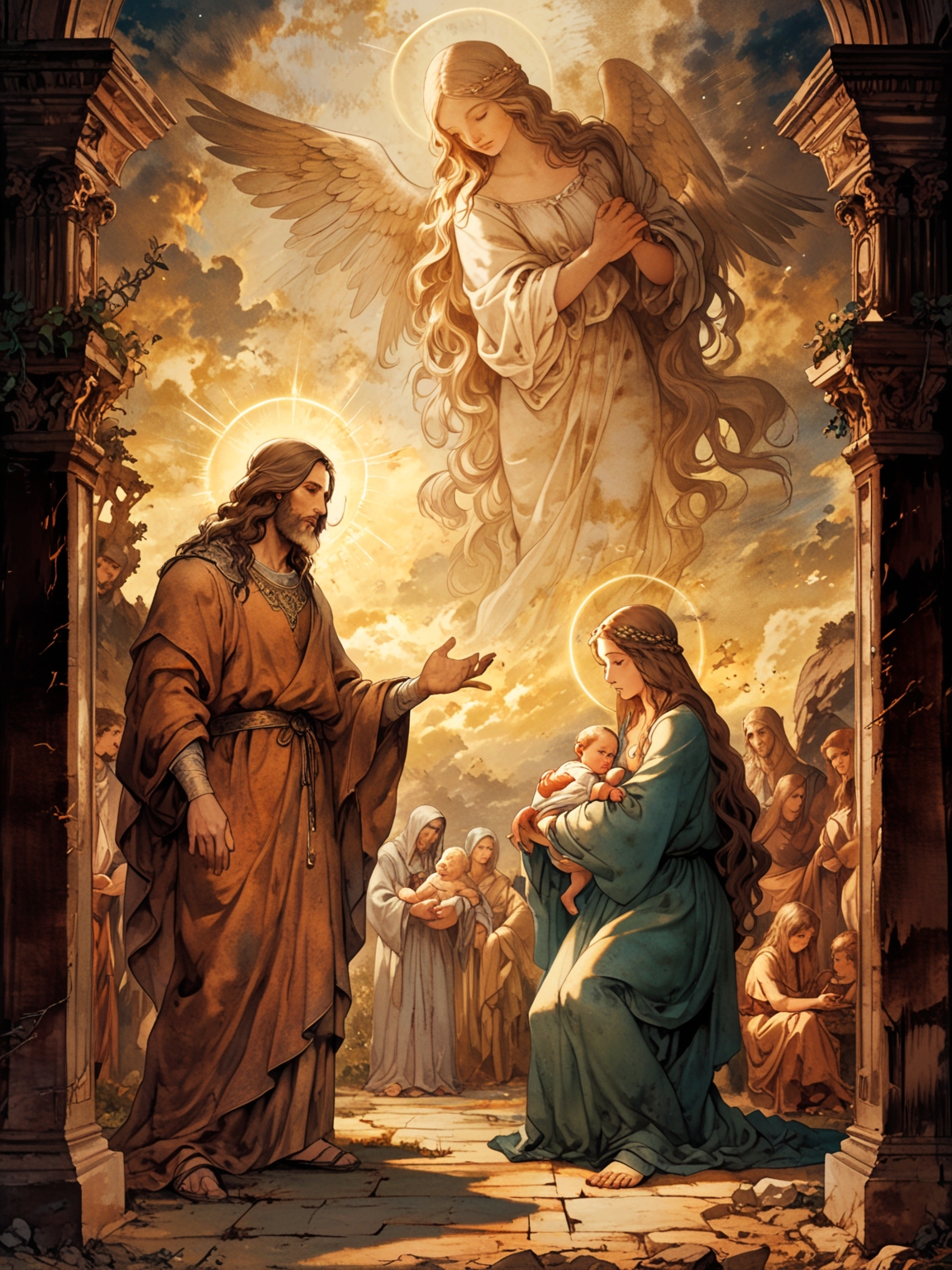
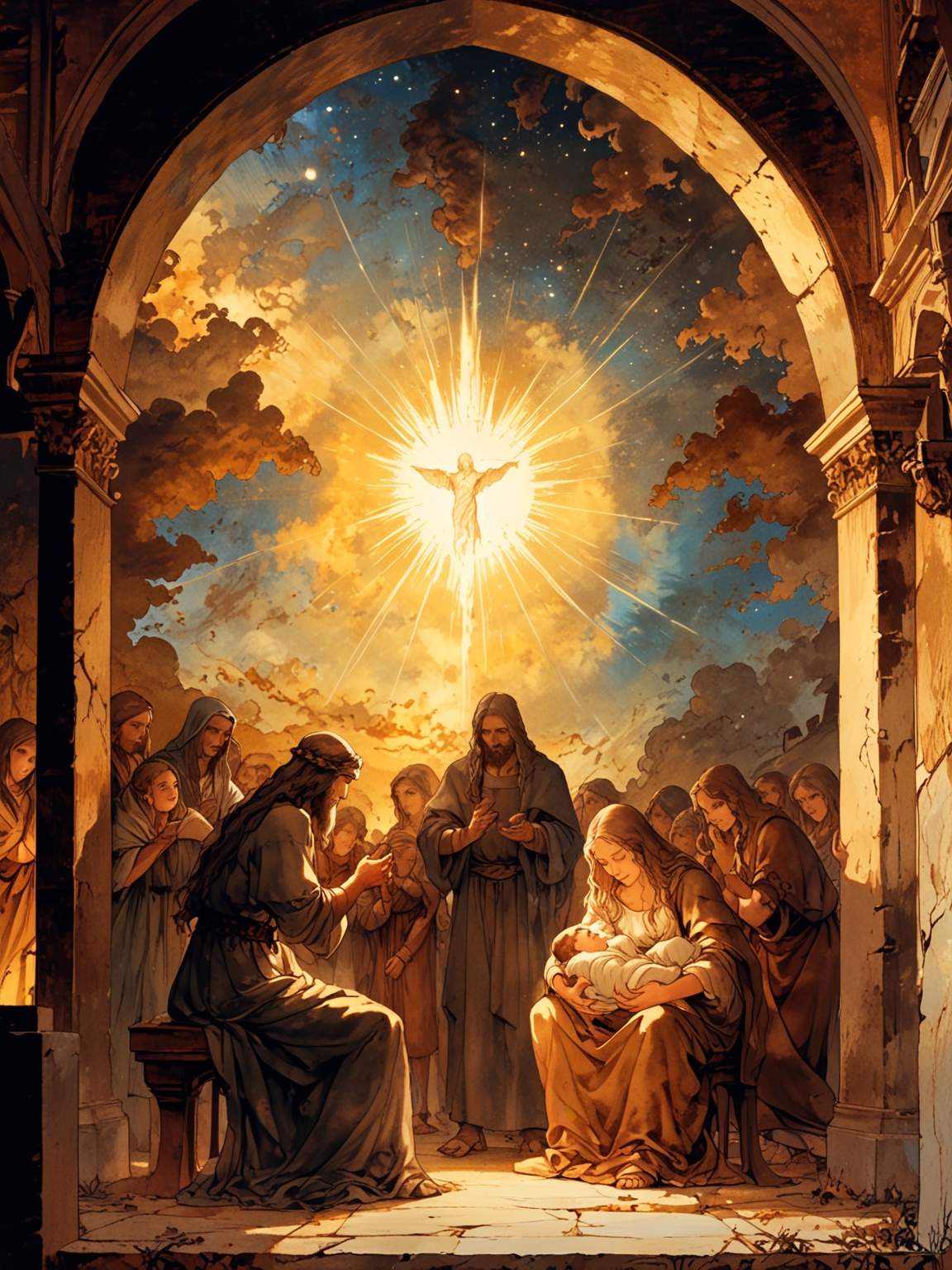
Let’s delve into this passage together. It offers a hopeful turn after the tragic story of Cain and Abel.
Verse 25: Adam Made Love to His Wife Again, and She Gave Birth to a Son and Named Him Seth, Saying, “God Has Granted Me Another Child in Place of Abel, Since Cain Killed Him.”
This scripture reveals that Adam and Eve have another son, Seth. Eve’s words while naming Seth are really moving. They express both her grief over Abel’s death and her hope in God’s continuous sustenance. Even after loss, God gives people new life.
Verse 26: Seth Also Had a Son, and He Named Him Enosh.
This verse just extends the familial line. Seth, like Adam, had a son called Enosh. It serves as a reminder that life continues to be passed down through generations.
Verse 27: At That Time People Began to Call on the Name of the Lord.
This is the most important verse in the text. It represents a turning point in human history. The Bible does not go into detail about what this entails, but it does suggest a trend toward a more formal style of worshiping God. People are starting to form deeper connections with the holy.
The following are some points to think about:
- What does it mean to “call upon the name of the Lord”?
- How does Seth’s birth and the emergence of calling on God’s name provide hope in the aftermath of Cain and Abel?
The phrase “calling on the name of the Lord” isn’t defined in this passage of the Bible, but it probably means praying, worshiping, or accepting God’s presence in one’s life.
This passage provides a ray of hope following the darkness of Cain and Abel’s tragedy. It demonstrates that even in the midst of sorrow, God’s love and plan endure. A new generation emerges, and humanity moves toward a more formal method of worshiping God.
What I learned from Genesis 4
Genesis 4 serves as a harsh warning of sin’s repercussions. Cain’s rage and envy lead to murder, permanently altering the fate of humanity. The story also emphasizes the power of decision. Cain chose fury, whereas Seth provides a potential alternative path. We are all faced with choices, and this passage urges us to make sensible decisions.
See you in the next AI-generated Bible Images feature (Genesis 5)!


