

Genesis 37:1-4 NIV
Jacob lived in the land where his father had stayed, the land of Canaan.
This is the account of Jacob’s family line.
Joseph, a young man of seventeen, was tending the flocks with his brothers, the sons of Bilhah and the sons of Zilpah, his father’s wives, and he brought their father a bad report about them.
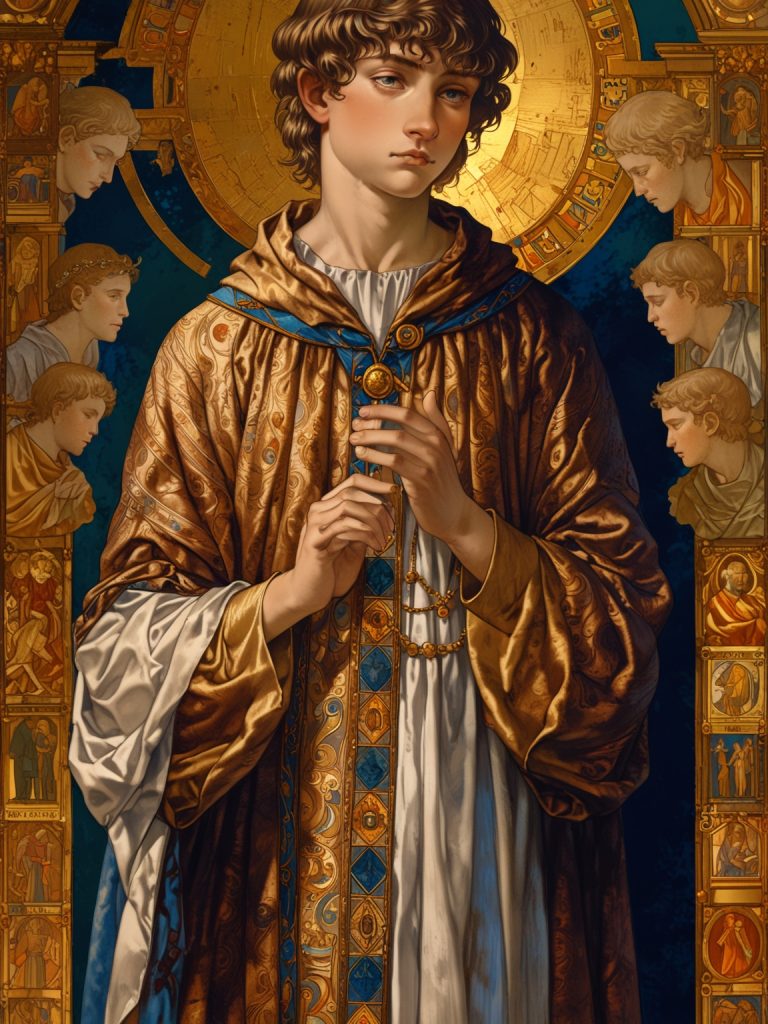
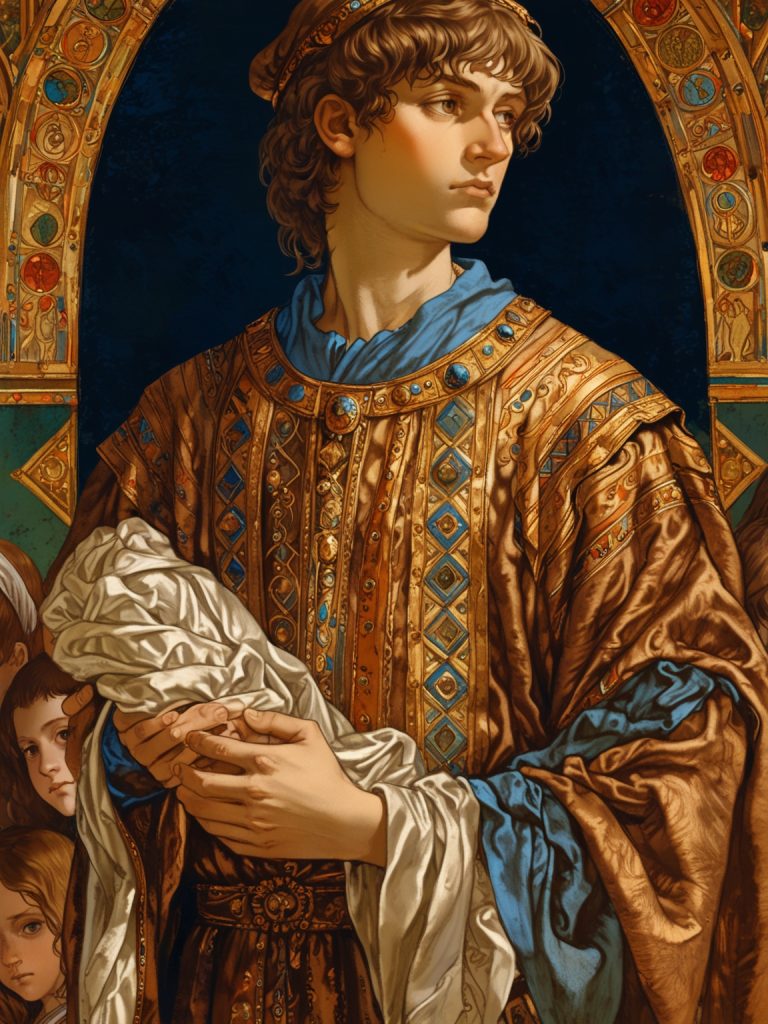
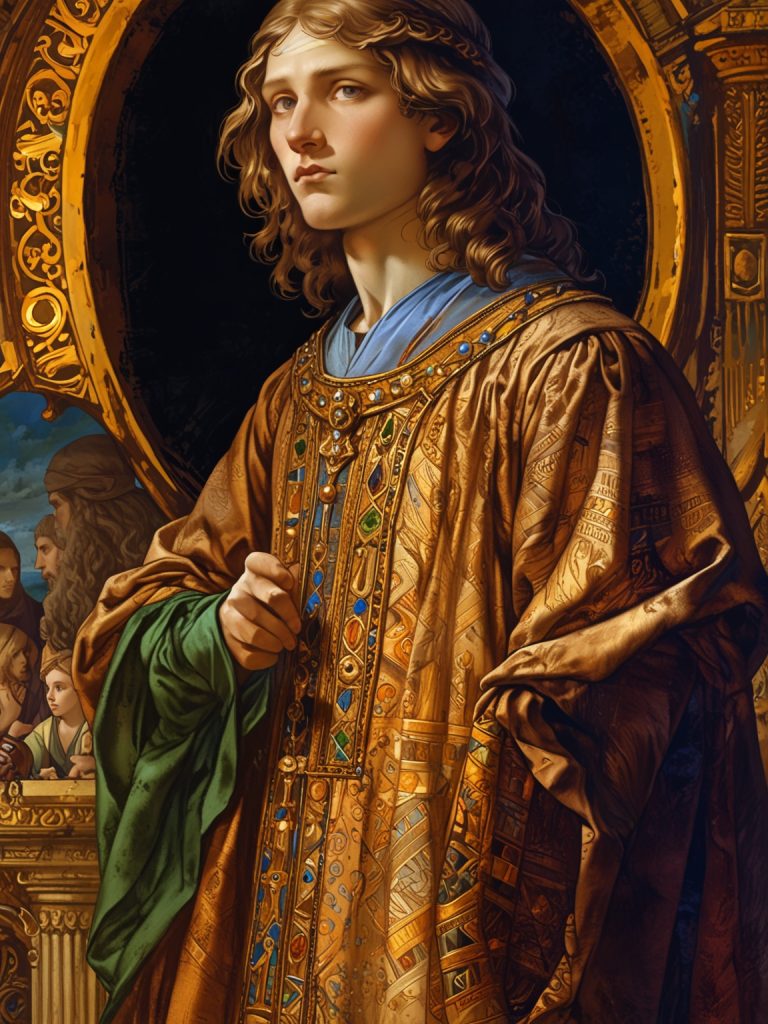
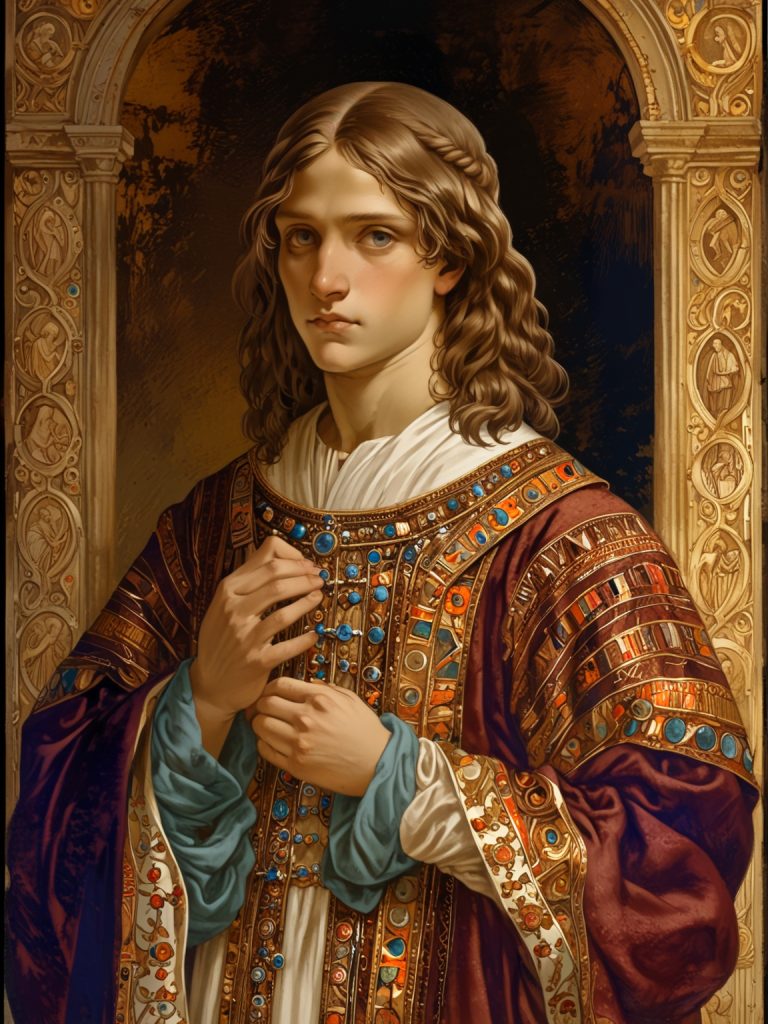
Now Israel loved Joseph more than any of his other sons, because he had been born to him in his old age; and he made an ornate robe for him. When his brothers saw that their father loved him more than any of them, they hated him and could not speak a kind word to him.
Genesis 37:1-4 NIV
Today, we’re diving into Genesis 37:1-4, a passage that sets the stage for a dramatic family story. Let’s break it down verse by verse:
Verse 1: “Jacob lived in the land where his father had stayed, the land of Canaan.”
This verse reminds us of the promise God made to Abraham and Isaac, Jacob’s father. They were promised a special land – Canaan – and here we see Jacob continuing that legacy. It’s a land flowing with milk and honey, a beautiful place God had chosen for his people.
Verse 2: “This is the account of Jacob’s family line.”
This verse acts like a title card, introducing the story of Jacob’s family. Buckle up, because things are about to get interesting!
Verse 3: “Joseph, a young man of seventeen, was tending the flocks with his brothers, the sons of Bilhah and the sons of Zilpah, his father’s wives, and he brought their father a bad report about them.”
Here we meet Joseph, a young man working alongside his brothers. It seems Joseph might have been entrusted with some responsibility, perhaps overseeing the family flocks. The verse also tells us Jacob had other wives besides Leah, Rachel (Joseph’s mother). It was common practice back then, but can definitely lead to complications! The interesting part is that Joseph brings a “bad report” about his brothers. The Bible doesn’t tell us exactly what they did, but it plants a seed of tension.
Verse 4: “Now Israel loved Joseph more than any of his other sons, because he had been born to him in his old age; and he made an ornate robe for him.”
This verse is key to the conflict. Jacob clearly favored Joseph, maybe because he was born later in life and held a special place in his heart. This favoritism is shown by the “ornate robe” – a fancy outfit that stood out from the rest. Imagine how Joseph’s brothers must have felt! Jealousy and resentment start brewing here.
The takeaway:
These first few verses set the stage for a story of family conflict, favoritism, and betrayal. We see the seeds of trouble being sown, and we wonder what will happen next. This is a reminder that even in God’s chosen family, things can get messy. But through it all, God continues to work out His plan.
Genesis 37:5-11 NIV
Joseph had a dream, and when he told it to his brothers, they hated him all the more. He said to them, “Listen to this dream I had: We were binding sheaves of grain out in the field when suddenly my sheaf rose and stood upright, while your sheaves gathered around mine and bowed down to it.”
His brothers said to him, “Do you intend to reign over us? Will you actually rule us?” And they hated him all the more because of his dream and what he had said.
Then he had another dream, and he told it to his brothers. “Listen,” he said, “I had another dream, and this time the sun and moon and eleven stars were bowing down to me.”
When he told his father as well as his brothers, his father rebuked him and said, “What is this dream you had? Will your mother and I and your brothers actually come and bow down to the ground before you?” His brothers were jealous of him, but his father kept the matter in mind.
Genesis 37:5-11 NIV
Picking up where we left off, today’s passage (Genesis 37:5-11) dives deeper into the growing tension between Joseph and his brothers. Let’s unpack it verse by verse:
Verse 5: “Joseph had a dream, and when he told it to his brothers, they hated him all the more.”
This verse introduces the element of dreams, which play a significant role in Joseph’s story. Joseph has a dream with some powerful symbolism, but instead of keeping it to himself, he shares it with his brothers. This turns out to be a bad move. The brothers interpret the dream – sheaves of grain bowing down to Joseph’s sheaf – as a sign of future dominance. Their hatred for him intensifies.
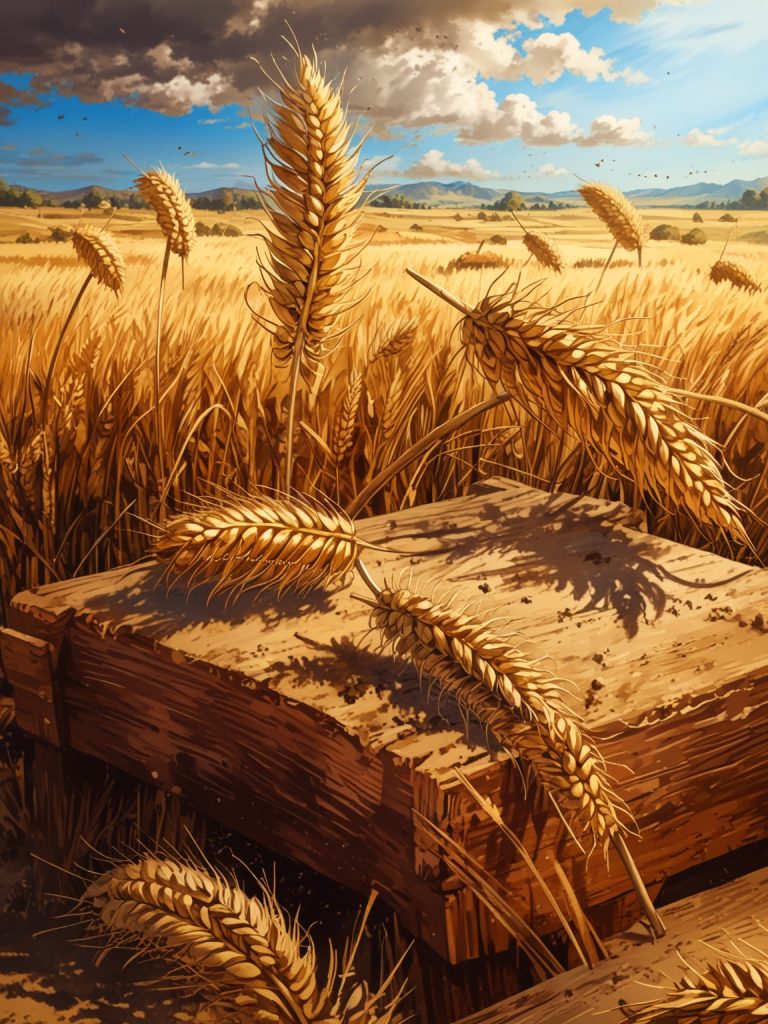
Verse 6 & 7: “He said to them, “Listen to this dream I had: We were binding sheaves of grain out in the field when suddenly my sheaf rose and stood upright, while your sheaves gathered around mine and bowed down to it.””
Here, we see the details of the dream. Binding sheaves is a harvest activity, and Joseph’s sheaf standing tall while others bow could be interpreted as him being the leader or having more authority. It’s no wonder his brothers took offense.
Verse 8: “His brothers said to him, “Do you intend to reign over us? Will you actually rule us?” And they hated him all the more because of his dream and what he had said.”
The brothers jump to conclusions. They see the dream as a boastful declaration of future power, fueling their jealousy and hatred. It’s important to note that Joseph might not have intended this. Perhaps he was just naive and excited about the dream.


Verse 9: “Then he had another dream, and he told it to his brothers. “Listen,” he said, “I had another dream, and this time the sun and moon and eleven stars were bowing down to me.””
Joseph has another dream, even more symbolic than the first. Here, the sun, moon, and stars (often representing family) are bowing to him. It’s a clear picture of him being in a position of authority over his entire family. This time, he can’t resist sharing it again.
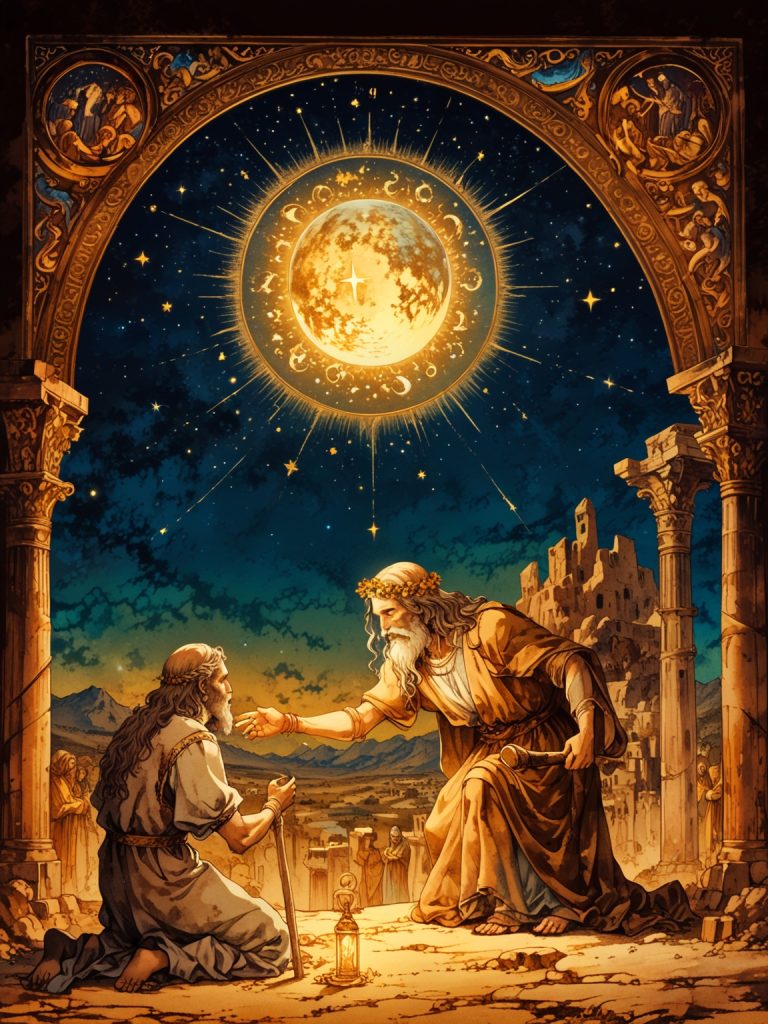
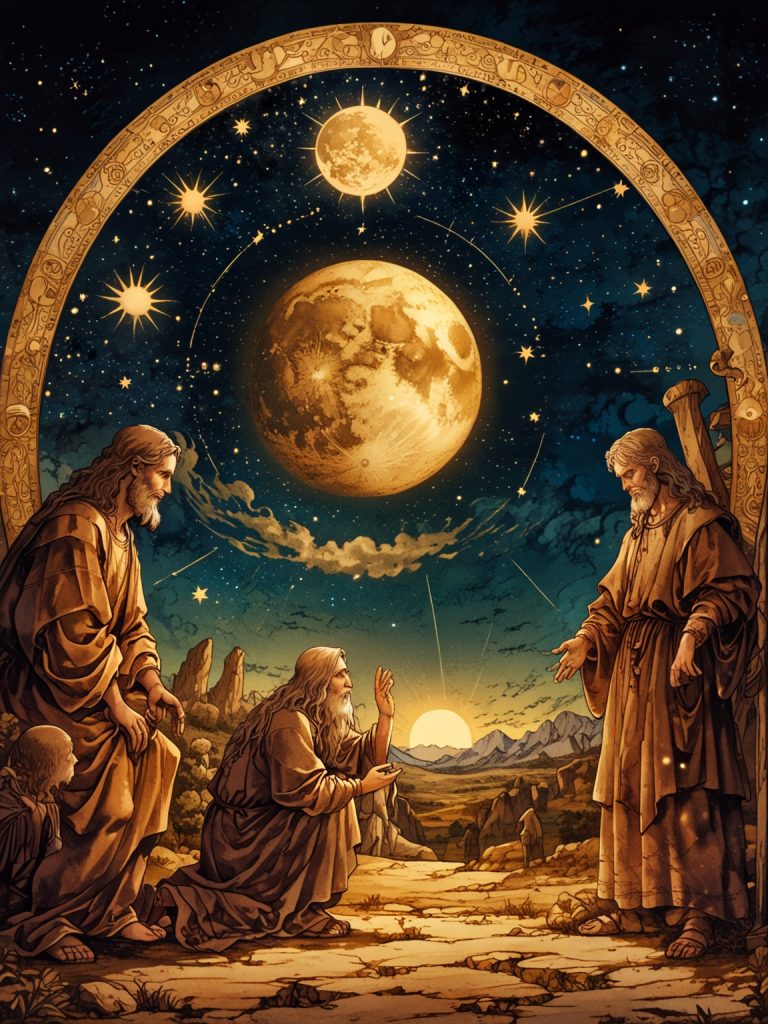
Verse 10: “When he told his father as well as his brothers, his father rebuked him and said, “What is this dream you had? Will your mother and I and your brothers actually come and bow down to the ground before you?””
This time, Joseph includes his father, Jacob. Interestingly, Jacob doesn’t dismiss the dream entirely. He seems to understand its potential meaning, but gently rebukes Joseph for bragging.
Verse 11: “His brothers were jealous of him, but his father kept the matter in mind.”
The verse ends by summarizing the situation. The brothers are consumed by jealousy, while Jacob ponders the meaning of the dreams. He seems to recognize their significance, even if he doesn’t reveal it all.
The takeaway:
These verses highlight the dangers of jealousy and favoritism. Joseph’s dreams, while perhaps innocent, create a wedge between him and his brothers. We can learn from this to be mindful of how our words and actions can be perceived by others.
Jacob’s reaction is also interesting. He recognizes the potential of the dreams, but also tries to keep his family united. There’s more to this story, and we’ll see how these dreams and tensions play out in the coming chapters.
Genesis 37:12-18 NIV
Now his brothers had gone to graze their father’s flocks near Shechem, and Israel said to Joseph, “As you know, your brothers are grazing the flocks near Shechem. Come, I am going to send you to them.”
“Very well,” he replied.
So he said to him, “Go and see if all is well with your brothers and with the flocks, and bring word back to me.” Then he sent him off from the Valley of Hebron.
When Joseph arrived at Shechem, a man found him wandering around in the fields and asked him, “What are you looking for?”
He replied, “I’m looking for my brothers. Can you tell me where they are grazing their flocks?”
“They have moved on from here,” the man answered. “I heard them say, ‘Let’s go to Dothan.’ ”
So Joseph went after his brothers and found them near Dothan. But they saw him in the distance, and before he reached them, they plotted to kill him.
Genesis 37:12-18 NIV
Take a deep look into Genesis 37:12-18, where things take a dramatic turn for Joseph. Let’s break it down verse by verse:
Verse 12: “Now his brothers had gone to graze their father’s flocks near Shechem,”
This verse reminds us of Joseph’s brothers’ work – tending the flocks. Shechem was a significant city in Canaan, so it seems the brothers ventured quite far from home.
Verse 13: “and Israel said to Joseph, “As you know, your brothers are grazing the flocks near Shechem. Come, I am going to send you to them.””
Here, Jacob sends Joseph to check on his brothers. Maybe Jacob was concerned about the distance or potential dangers. This could be a chance for Joseph to mend fences with his brothers, or it could be a setup for something more sinister.
Verse 14: “So he said to him, “Go and see if all is well with your brothers and with the flocks, and bring word back to me.” Then he sent him off from the Valley of Hebron.”
Jacob gives Joseph specific instructions – to check on both his brothers and the flocks. It seems like a simple task, but the journey from Hebron to Shechem was significant.
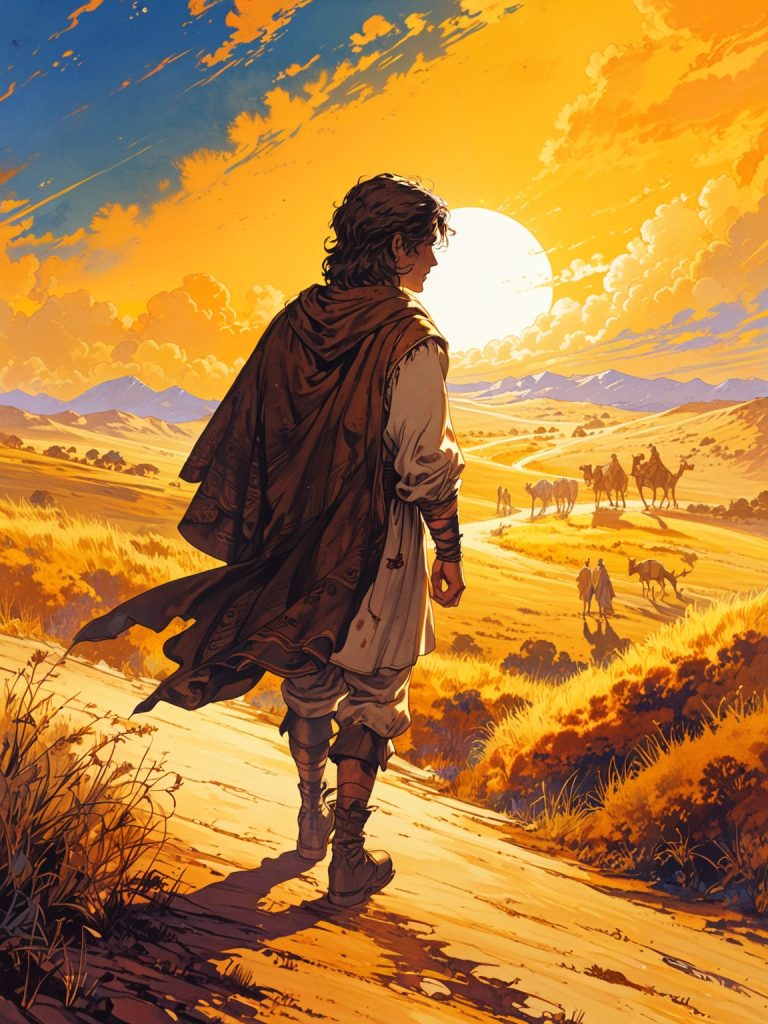
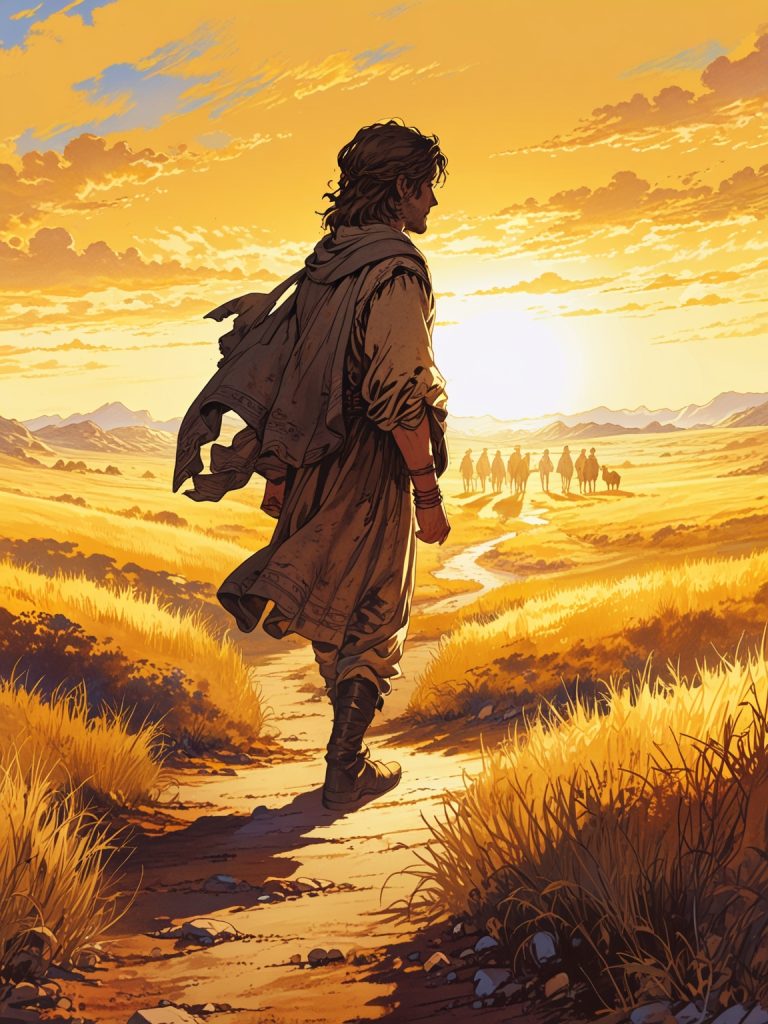
Verse 15 & 16: “When Joseph arrived at Shechem, a man found him wandering around in the fields and asked him, “What are you looking for?” He replied, “I’m looking for my brothers. Can you tell me where they are grazing their flocks?””
Joseph arrives at Shechem, but gets lost. This might show his inexperience or the vastness of the area. Thankfully, a kind stranger points him in the right direction – towards Dothan.
Verse 17: “So Joseph went after his brothers and found them near Dothan.”
Following the directions, Joseph finally locates his brothers. Maybe he was relieved to be nearing his mission’s completion.
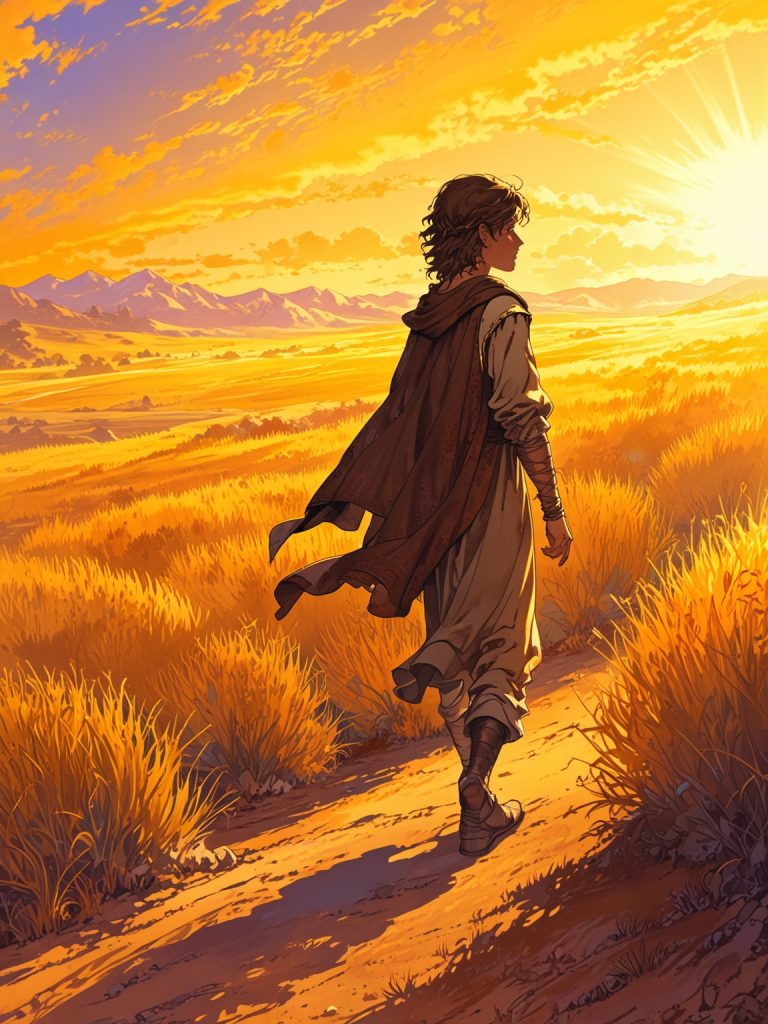
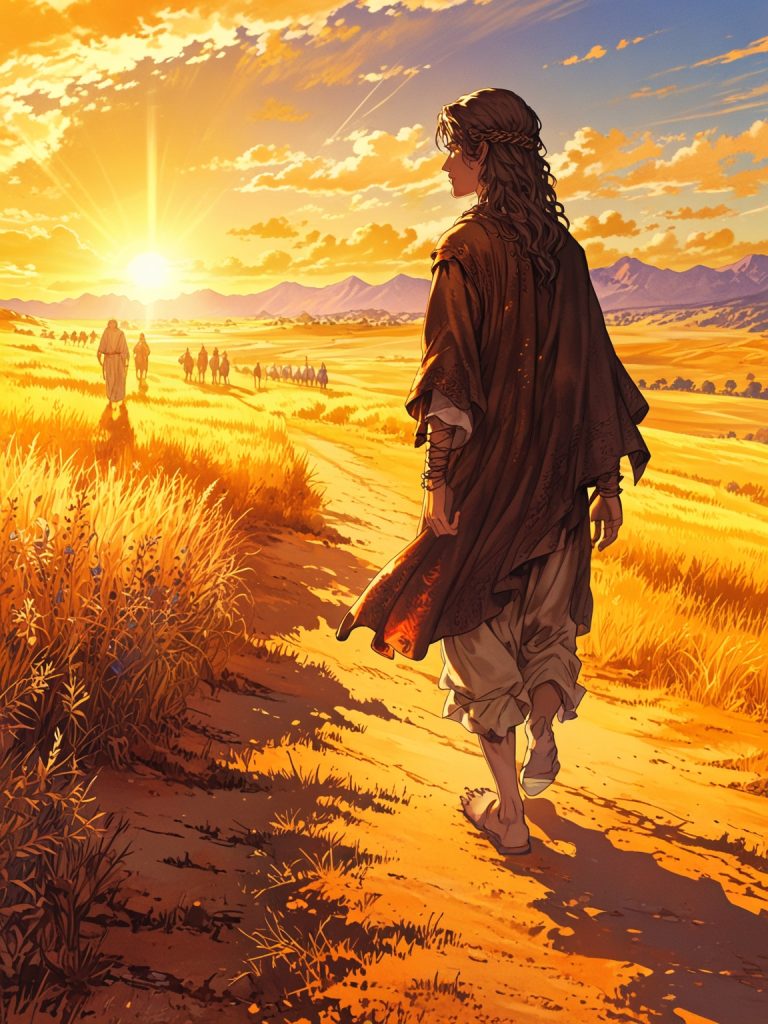
Verse 18: “But they saw him in the distance, and before he reached them, they plotted to kill him.”
This is the shocking twist! Instead of welcoming their brother, Joseph’s arrival ignites murderous rage in his brothers. The seeds of jealousy and resentment have fully sprouted, leading them down a dark path.
The takeaway:
This passage highlights the devastating effects of unresolved conflict. Joseph’s brothers, consumed by jealousy, are willing to take his life. It’s a chilling reminder of the importance of forgiveness and reconciliation.
Jacob sending Joseph, perhaps naively, also raises questions about parental responsibility. We’ll see in the next chapters how this situation unfolds and the consequences of these actions.
Genesis 37:19-24 NIV
“Here comes that dreamer!” they said to each other. “Come now, let’s kill him and throw him into one of these cisterns and say that a ferocious animal devoured him. Then we’ll see what comes of his dreams.”
When Reuben heard this, he tried to rescue him from their hands. “Let’s not take his life,” he said. “Don’t shed any blood. Throw him into this cistern here in the wilderness, but don’t lay a hand on him.” Reuben said this to rescue him from them and take him back to his father.
So when Joseph came to his brothers, they stripped him of his robe—the ornate robe he was wearing— and they took him and threw him into the cistern. The cistern was empty; there was no water in it.
Genesis 37:19-24 NIV
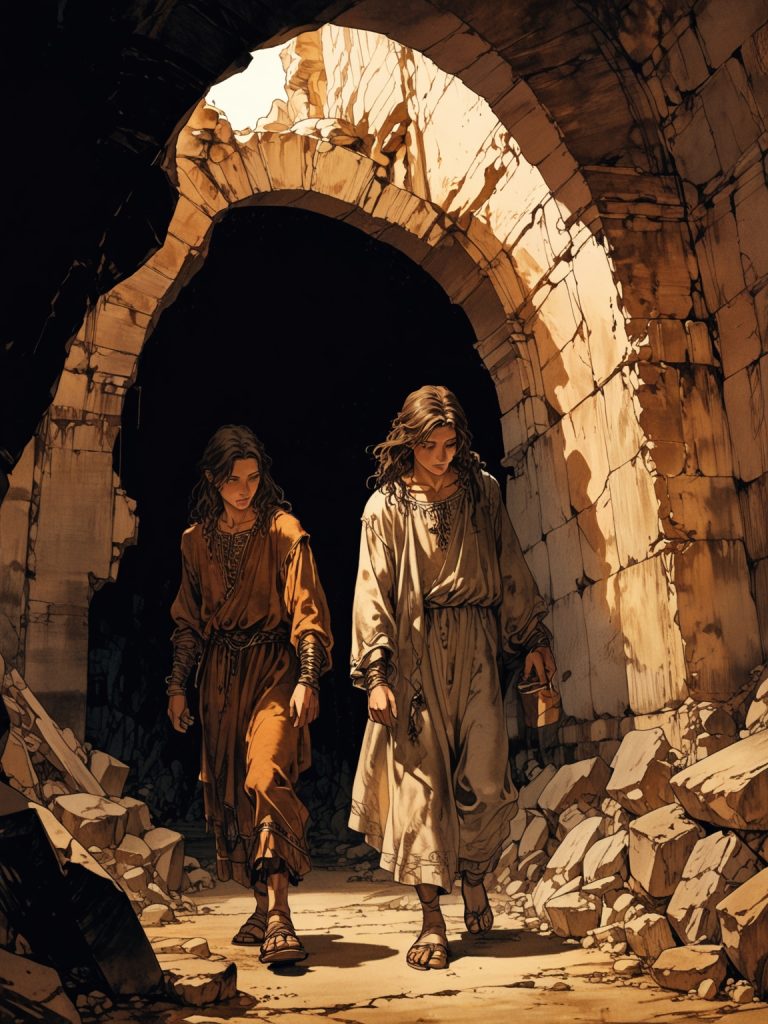
Genesis 37:19-24 exposes the depths of Joseph’s brothers’ hatred and a glimmer of hope. Let’s unpack it verse by verse:
Verse 19: ““Here comes that dreamer!” they said to each other.”
This verse reveals the true source of the brothers’ anger. It’s not just about Joseph’s position in the family, but his dreams that mock their authority. They see him as a threat and a constant reminder of their perceived lower standing.
Verse 20: ““Come now, let’s kill him and throw him into one of these cisterns and say that a ferocious animal devoured him. Then we’ll see what comes of his dreams.””
The brothers hatch a cruel plan – murder disguised as an animal attack. This gruesome act shows how far jealousy and rage can take us. They even try to erase any evidence of their crime.
Verse 21: “When Reuben heard this, he tried to rescue him from their hands. “Let’s not take his life,” he said.”
Here, a ray of hope emerges. Reuben, the eldest brother, voices his disapproval. He doesn’t want to see Joseph killed, but perhaps doesn’t have the courage to completely oppose the others.
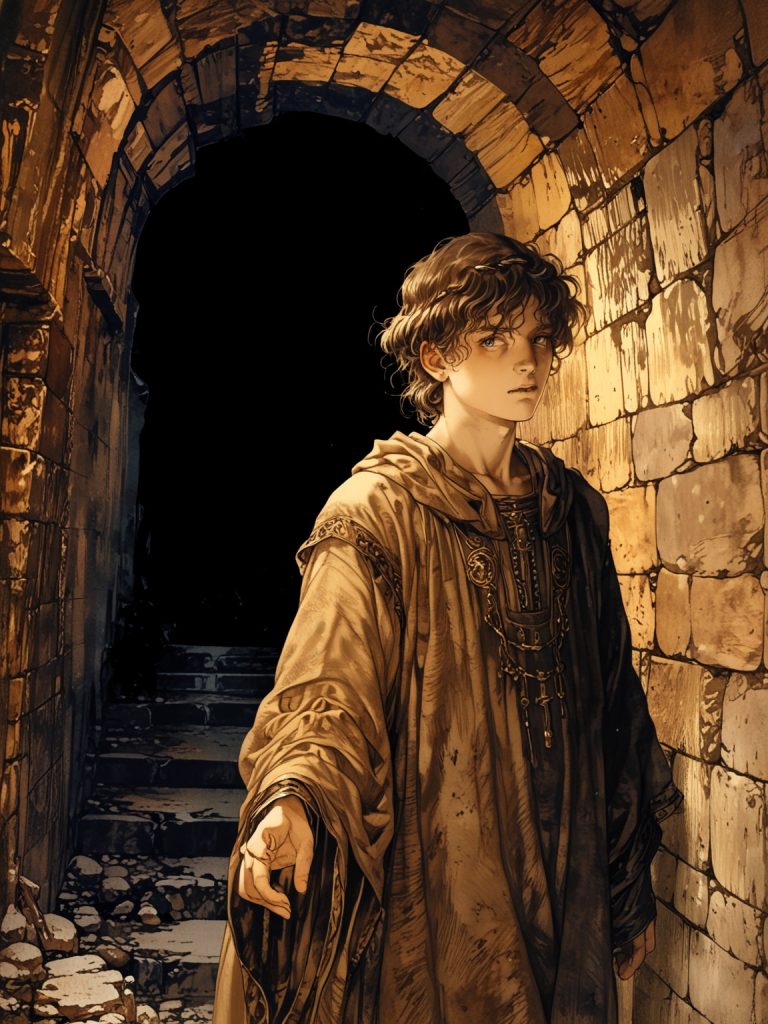
Verse 22: ““Don’t shed any blood. Throw him into this cistern here in the wilderness, but don’t lay a hand on him.” Reuben said this to rescue him from them and take him back to his father.”
Reuben proposes a compromise – throwing Joseph into a cistern (a dry well) instead of killing him. This might seem harsh, but for Reuben, it’s a way to save Joseph’s life with the hope of retrieving him later.
Verse 23 & 24: “So when Joseph came to his brothers, they stripped him of his robe—the ornate robe he was wearing—and they took him and threw him into the cistern. The cistern was empty; there was no water in it.”
The passage describes the brutal act. Joseph’s brothers strip him of his special robe, a symbol of their father’s favor, and throw him into the cistern. Thankfully, the cistern is empty, offering a sliver of hope for Joseph’s survival.
The takeaway:
This passage is a stark reminder of the destructive power of jealousy and hatred. We see the lengths people can go to when they feel threatened or wronged. However, Reuben’s intervention offers a glimmer of hope and foreshadows future developments.
Genesis 37.25-36 NIV
As they sat down to eat their meal, they looked up and saw a caravan of Ishmaelites coming from Gilead. Their camels were loaded with spices, balm and myrrh, and they were on their way to take them down to Egypt.
Judah said to his brothers, “What will we gain if we kill our brother and cover up his blood? Come, let’s sell him to the Ishmaelites and not lay our hands on him; after all, he is our brother, our own flesh and blood.” His brothers agreed.
So when the Midianite merchants came by, his brothers pulled Joseph up out of the cistern and sold him for twenty shekels of silver to the Ishmaelites, who took him to Egypt.
When Reuben returned to the cistern and saw that Joseph was not there, he tore his clothes. He went back to his brothers and said, “The boy isn’t there! Where can I turn now?”
Then they got Joseph’s robe, slaughtered a goat and dipped the robe in the blood. They took the ornate robe back to their father and said, “We found this. Examine it to see whether it is your son’s robe.”
He recognized it and said, “It is my son’s robe! Some ferocious animal has devoured him. Joseph has surely been torn to pieces.”
Then Jacob tore his clothes, put on sackcloth and mourned for his son many days. All his sons and daughters came to comfort him, but he refused to be comforted. “No,” he said, “I will continue to mourn until I join my son in the grave.” So his father wept for him.
Meanwhile, the Midianites sold Joseph in Egypt to Potiphar, one of Pharaoh’s officials, the captain of the guard.
Genesis 37.25-36 NIV
Genesis 37:25-36) takes us on a rollercoaster of emotions – a chance encounter, a shift in plans, and devastating grief. Let’s break it down verse by verse:
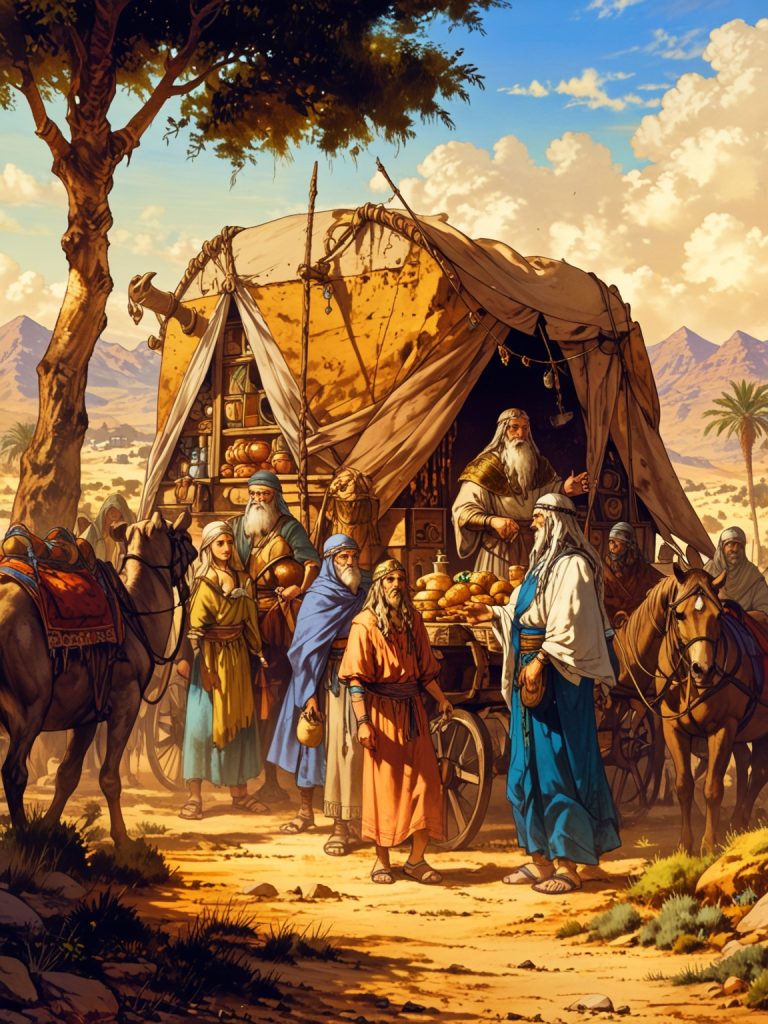
Verse 25: “As they sat down to eat their meal, they looked up and saw a caravan of Ishmaelites coming from Gilead. Their camels were loaded with spices, balm and myrrh, and they were on their way to take them down to Egypt.”
While Joseph sits trapped in the cistern, his brothers are enjoying a meal. Here, we see a caravan of Ishmaelites approaching – traders traveling from Gilead to Egypt. This unexpected event presents a new opportunity.
Verse 26 & 27: “Judah said to his brothers, “What will we gain if we kill our brother and cover up his blood? Come, let’s sell him to the Ishmaelites and not lay our hands on him; after all, he is our brother, our own flesh and blood.” His brothers agreed.”
Judah, another brother, proposes a new plan – selling Joseph to the Ishmaelites instead of killing him. This might seem like a lesser evil, and perhaps a way to distance themselves from the situation. The brothers, relieved to avoid bloodshed, agree to this plan.
Verse 28: “So when the Midianite merchants came by, his brothers pulled Joseph up out of the cistern and sold him for twenty shekels of silver to the Ishmaelites, who took him to Egypt.”
The plan is put into action. The Ishmaelites (sometimes referred to as Midianites) arrive, and Joseph is pulled out of the cistern. He’s sold for a meager price – twenty shekels of silver – highlighting the disregard his brothers have for him. Joseph is then taken away to Egypt, a foreign land.
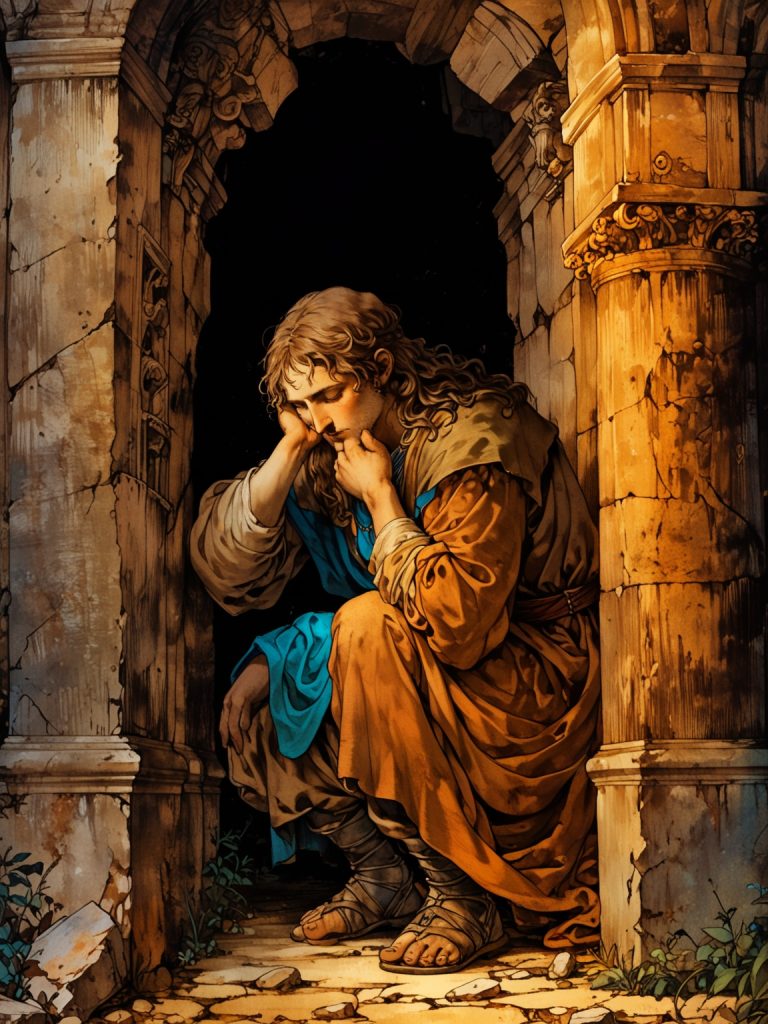
Verse 29 & 30: “When Reuben returned to the cistern and saw that Joseph was not there, he tore his clothes. He went back to his brothers and said, “The boy isn’t there! Where can I turn now?””
Reuben, who initially wanted to save Joseph, returns to the cistern only to find him gone. He’s devastated and confronts his brothers, but it’s too late.
Verse 31 & 32: “Then they got Joseph’s robe, slaughtered a goat and dipped the robe in the blood. They took the ornate robe back to their father and said, “We found this. Examine it to see whether it is your son’s robe.””
The brothers, fearing their father’s reaction, concoct a lie. They take Joseph’s robe, dip it in animal blood, and present it to Jacob as “proof” of a wild animal attack.
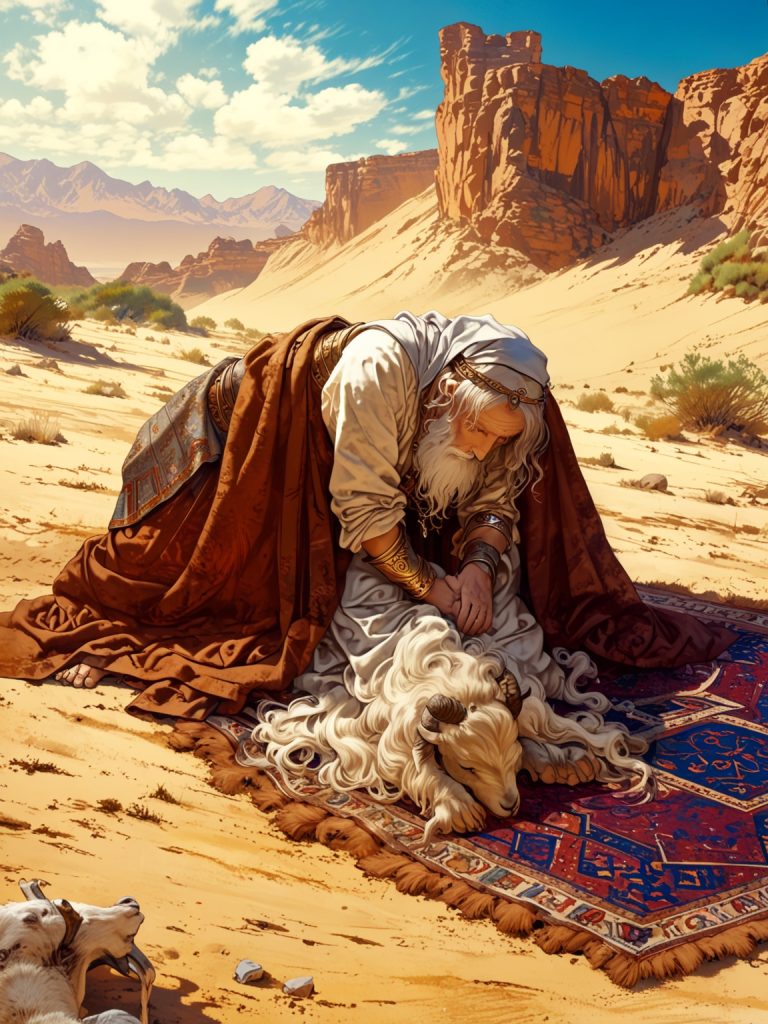
Verse 33 & 34: “He recognized it and said, “It is my son’s robe! Some ferocious animal has devoured him. Joseph has surely been torn to pieces.” Then Jacob tore his clothes, put on sackcloth and mourned for his son many days.”
Jacob, heartbroken, believes his beloved son is dead. He mourns deeply, refusing any comfort.
Verse 35: “All his sons and daughters came to comfort him, but he refused to be comforted. “No,” he said, “I will continue to mourn until I join my son in the grave.” So his father wept for him.”
Despite his children’s attempts to comfort him, Jacob is consumed by grief. He vows to mourn until he joins Joseph in death.
Verse 36: “Meanwhile, the Midianites sold Joseph in Egypt to Potiphar, one of Pharaoh’s officials, the captain of the guard.”
The passage ends with a final detail – Joseph being sold to Potiphar, an Egyptian official. While Jacob grieves, Joseph’s story takes an unexpected turn in a new land.
The takeaway:
This passage is filled with emotions – the callousness of the brothers, Reuben’s regret, and Jacob’s crushing grief. It’s a reminder of the devastating consequences of hatred and deceit. However, even in the midst of darkness, God’s plan continues to unfold through Joseph’s journey to Egypt.
A Story of Jealousy, Betrayal, and Hope
Genesis 37 is a dramatic story filled with jealousy, betrayal, and a glimmer of hope. We see Joseph, favored by his father Jacob, become the target of his brothers’ resentment. His dreams of future dominance fuel their anger, leading to a shocking plan to sell him into slavery.
Jacob, heartbroken by the news of Joseph’s supposed death, descends into deep mourning. Meanwhile, Joseph embarks on a new and uncertain journey in Egypt.
This chapter raises important questions about family dynamics, the power of forgiveness, and God’s ultimate plan.
Ready to explore more?
Explore Moralisee.com and delve deeper into the Bible with our beautifully AI-generated images that bring these stories to life. Explore Genesis and other chapters in a whole new way, sparking your imagination and enriching your understanding of the scriptures.
Join the conversation! Share your thoughts on Genesis 37 and other Bible passages at Moralisee.com. Let’s learn and grow together in our faith.


