

Genesis 35:1-15 NIV
Then God said to Jacob, “Go up to Bethel and settle there, and build an altar there to God, who appeared to you when you were fleeing from your brother Esau.”
So Jacob said to his household and to all who were with him, “Get rid of the foreign gods you have with you, and purify yourselves and change your clothes. Then come, let us go up to Bethel, where I will build an altar to God, who answered me in the day of my distress and who has been with me wherever I have gone.” So they gave Jacob all the foreign gods they had and the rings in their ears, and Jacob buried them under the oak at Shechem. Then they set out, and the terror of God fell on the towns all around them so that no one pursued them.
Jacob and all the people with him came to Luz (that is, Bethel) in the land of Canaan. There he built an altar, and he called the place El Bethel, because it was there that God revealed himself to him when he was fleeing from his brother.
Now Deborah, Rebekah’s nurse, died and was buried under the oak outside Bethel. So it was named Allon Bakuth.
After Jacob returned from Paddan Aram, God appeared to him again and blessed him. God said to him, “Your name is Jacob, but you will no longer be called Jacob; your name will be Israel.” So he named him Israel.
And God said to him, “I am God Almighty; be fruitful and increase in number. A nation and a community of nations will come from you, and kings will be among your descendants. The land I gave to Abraham and Isaac I also give to you, and I will give this land to your descendants after you.” Then God went up from him at the place where he had talked with him.
Jacob set up a stone pillar at the place where God had talked with him, and he poured out a drink offering on it; he also poured oil on it. Jacob called the place where God had talked with him Bethel.
Genesis 35:1-15 NIV
Today, we’re diving into a beautiful passage from Genesis 35, which tells the story of Jacob’s return to Bethel and his encounter with God. Let’s break it down verse by verse:
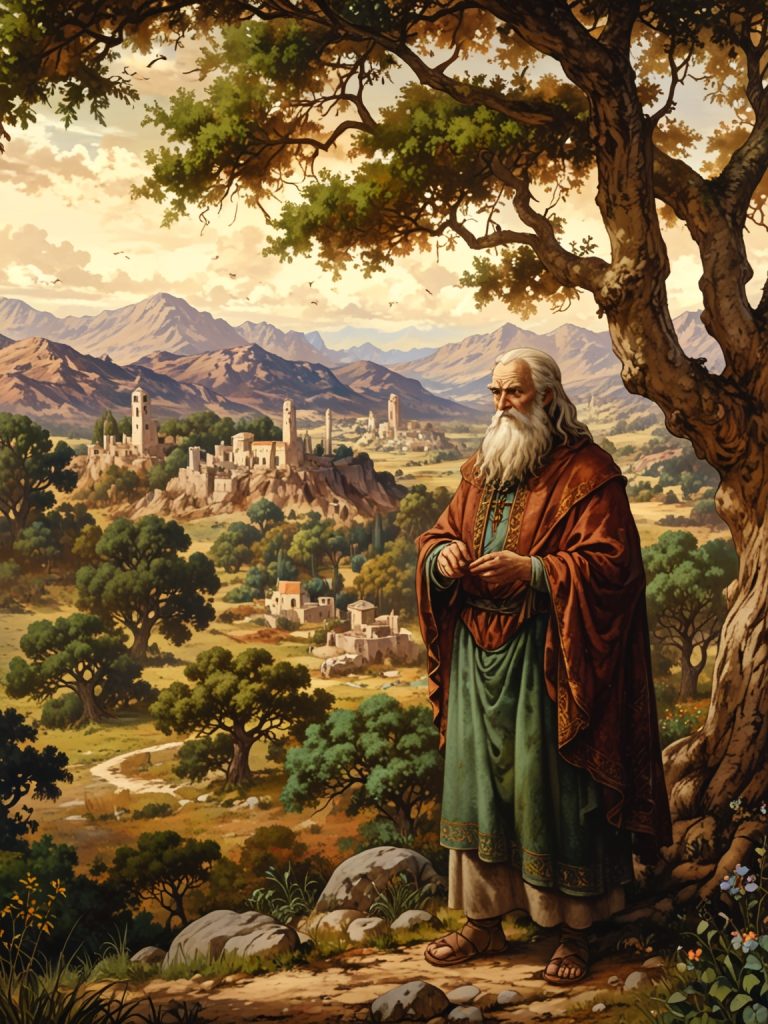
Verse 1: God tells Jacob to head back to Bethel, the place where He appeared to him when he was running away from his angry brother Esau (remember that whole stolen birthright situation?).
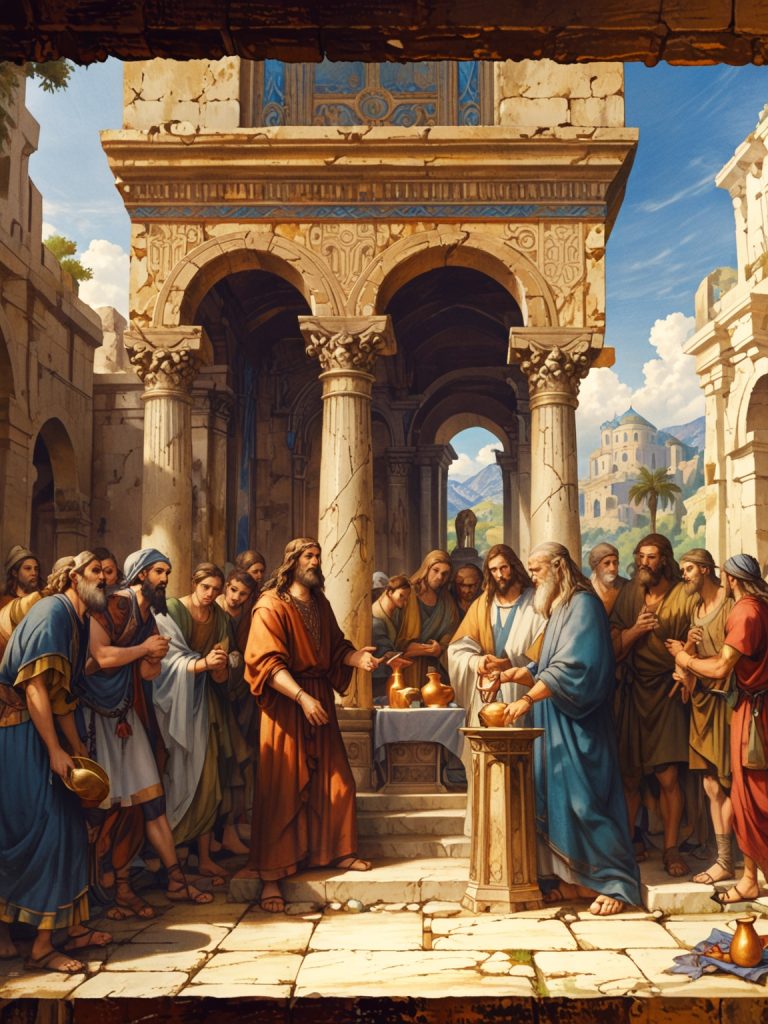
Verse 2-4: Jacob, taking God’s message to heart, calls his family and servants together. He encourages them to get rid of any foreign idols they might have picked up on their travels and to cleanse themselves both physically and spiritually. This shows a desire for a fresh start with God. They hand over their idols, and Jacob buries them under an oak tree in Shechem.
Verse 5: With a newfound sense of unity and purpose, they set off on their journey. Interestingly, the Bible tells us that “the terror of God fell on the towns all around them so that no one pursued them.” This suggests God’s protection over Jacob and his family as they travel.
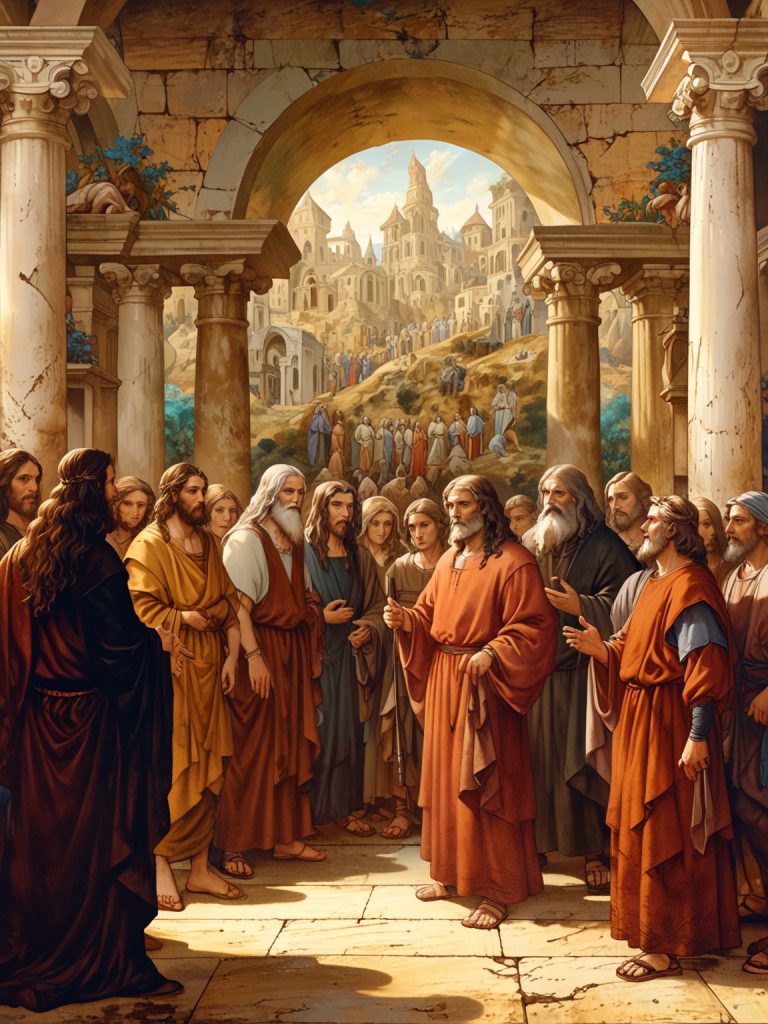
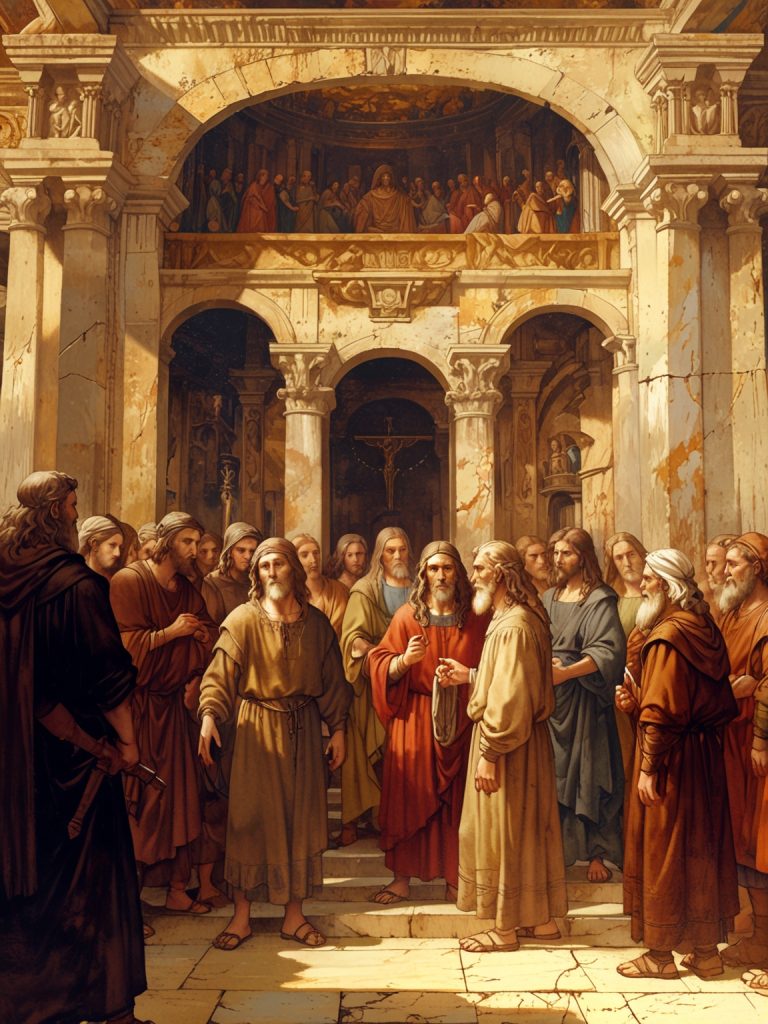
Verse 6-7: They arrive at Bethel, the place of the original encounter. Jacob builds an altar there, acknowledging God’s faithfulness throughout his journey. He even renames the place “El Bethel,” meaning “the God of Bethel.”
Verse 8: This verse serves as a brief side note. Deborah, Rebekah’s nurse (remember Rebekah was Jacob’s mom) dies and is buried under an oak tree near Bethel. The place is then called “Allon Bakuth,” which means “oak of weeping.”
Verse 9-12: Now, the story picks back up with Jacob. After his return from Paddan Aram (where he lived with his uncle Laban for many years), God appears to him again and renews His covenant promises. He changes Jacob’s name to Israel, signifying a new beginning and a new identity for Jacob and his descendants. God also reaffirms the promise He made to Abraham and Isaac, guaranteeing the land of Canaan to them and their future generations.
Verse 13: God finishes speaking and departs.
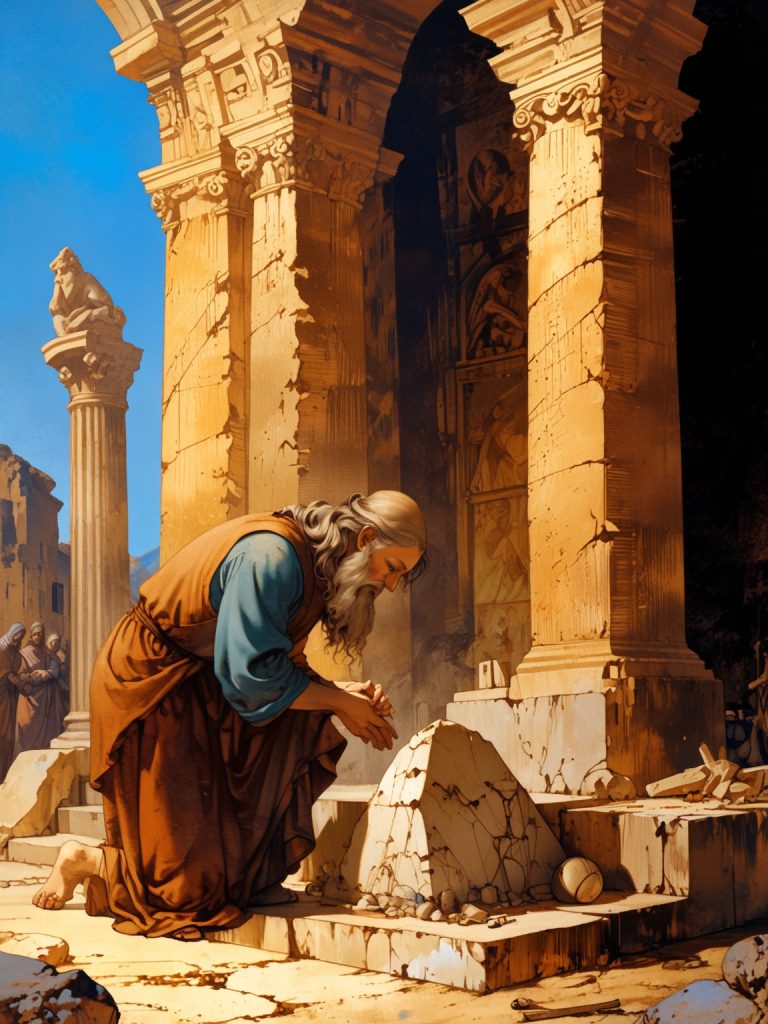
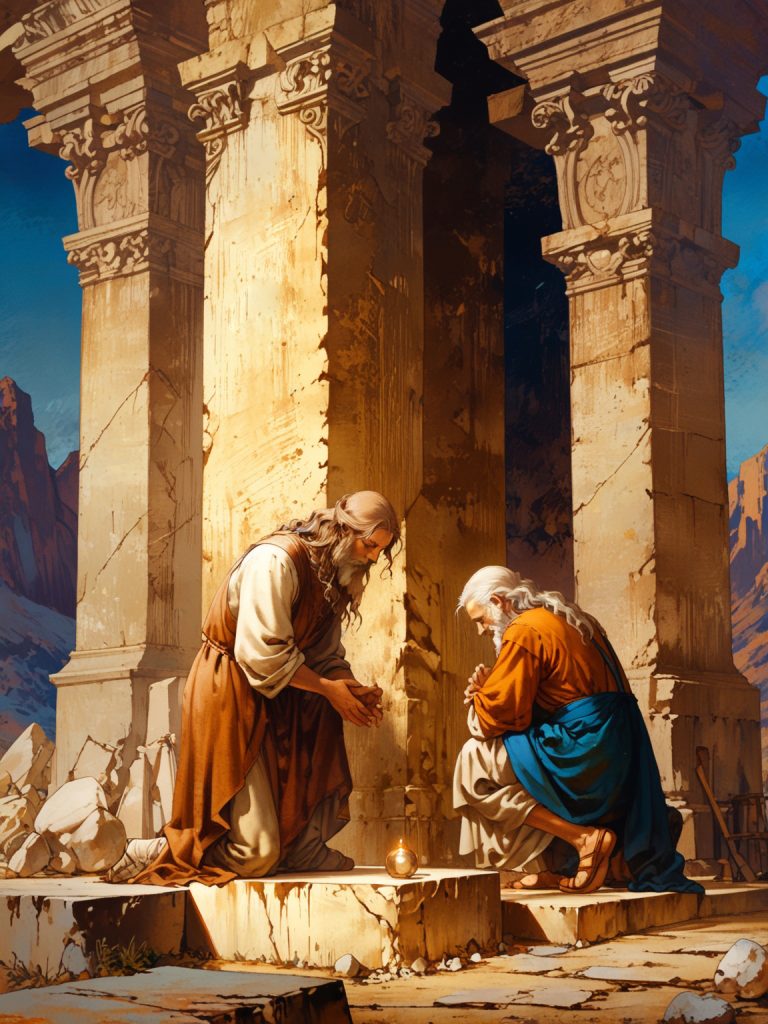
Verse 14-15: Jacob, deeply moved by the encounter, sets up a stone pillar as a memorial and pours out a drink offering and oil on it. He once again names the place Bethel, solidifying its importance in his life.
Key Takeaways:
- This passage highlights the importance of obedience to God’s call. Jacob listened and returned to Bethel.
- It emphasizes the importance of cleansing ourselves of anything that might hinder our relationship with God. The family getting rid of the idols is symbolic of this.
- We see God’s faithfulness throughout Jacob’s life. Even though Jacob messed up sometimes, God remained committed to His promises.
- This story also reminds us of the importance of remembering significant places and encounters with God. Jacob builds the altar and pillar as memorials of God’s presence and promises.
Genesis 35:16-20 NIV
Then they moved on from Bethel. While they were still some distance from Ephrath, Rachel began to give birth and had great difficulty. And as she was having great difficulty in childbirth, the midwife said to her, “Don’t despair, for you have another son.” As she breathed her last—for she was dying—she named her son Ben-Oni. But his father named him Benjamin.
So Rachel died and was buried on the way to Ephrath (that is, Bethlehem). Over her tomb Jacob set up a pillar, and to this day that pillar marks Rachel’s tomb.
Genesis 35:16-20 NIV
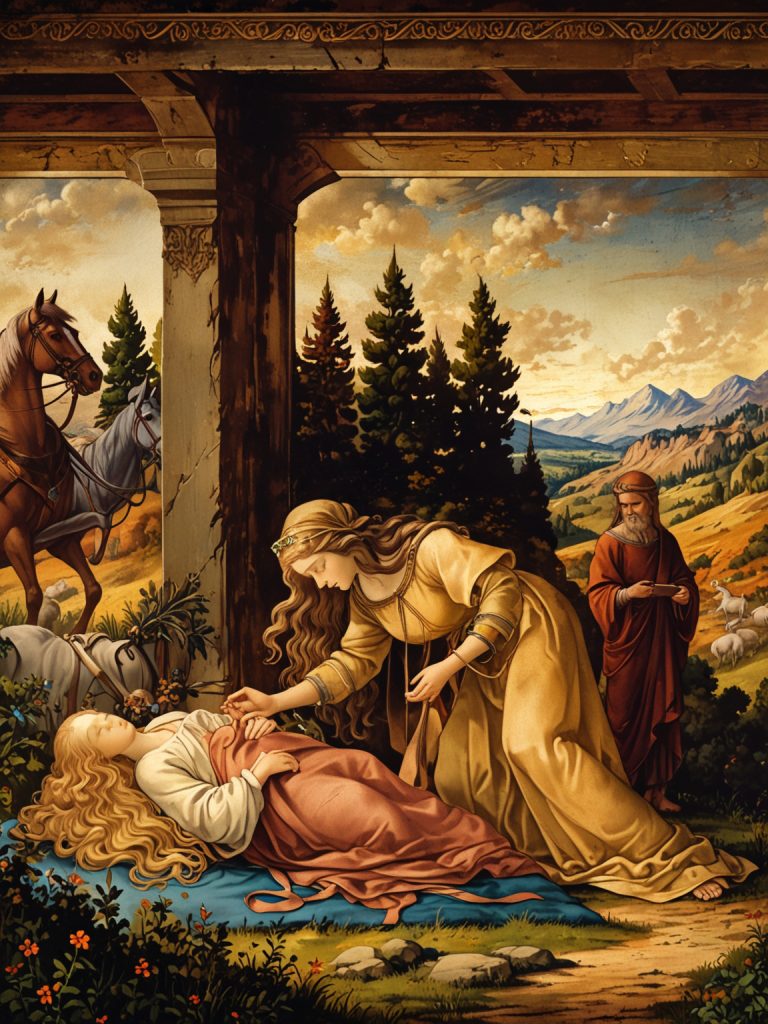
We’re picking up right where we left off in Genesis 35, focusing on verses 16-20. This passage takes a somber turn, sharing the story of Rachel’s death in childbirth.
Verse 16: The family leaves Bethel and continues their journey. As they near a place called Ephrath (which later becomes Bethlehem), Rachel goes into labor.
Verse 17: The Bible tells us her labor is incredibly difficult. The midwife tries to encourage her, saying, “Don’t despair, for you have another son!” This is a beautiful moment of comfort amidst the pain.
Verse 18: Sadly, Rachel doesn’t survive the childbirth. With her last breath, she names her son Ben-Oni, which means “son of my sorrow.” It’s a heartbreaking choice, reflecting the immense pain she must have felt. However, Jacob, wanting a more hopeful name, chooses Benjamin, meaning “son of my right hand.”

Verse 19-20: The passage concludes with the tragic news of Rachel’s death. She’s buried on the way to Ephrath, and Jacob erects a pillar as a lasting memorial for his beloved wife. “To this day,” the verse tells us, “that pillar marks Rachel’s tomb.” It’s a powerful reminder of the depth of their love and the enduring pain of loss.
Key Takeaways:
- This passage touches on the harsh realities of life, including the pain of childbirth and the sorrow of losing a loved one.
- It highlights the importance of offering comfort and support during difficult times. The midwife’s words, though brief, were certainly meant to encourage Rachel.
- We see Jacob’s love for Rachel expressed in his act of erecting a permanent memorial for her.
Something to Reflect On:
- Have you ever experienced loss? How did you cope?
- How can we offer comfort and support to those who are grieving?
Genesis 35:21-29 NIV
Israel moved on again and pitched his tent beyond Migdal Eder. While Israel was living in that region, Reuben went in and slept with his father’s concubine Bilhah, and Israel heard of it.
Jacob had twelve sons:
The sons of Leah:
Reuben the firstborn of Jacob,
Simeon, Levi, Judah, Issachar and Zebulun.
The sons of Rachel:
Joseph and Benjamin.
The sons of Rachel’s servant Bilhah:
Dan and Naphtali.
The sons of Leah’s servant Zilpah:
Gad and Asher.
These were the sons of Jacob, who were born to him in Paddan Aram.
Jacob came home to his father Isaac in Mamre, near Kiriath Arba (that is, Hebron), where Abraham and Isaac had stayed. Isaac lived a hundred and eighty years. Then he breathed his last and died and was gathered to his people, old and full of years. And his sons Esau and Jacob buried him.
Genesis 35:21-29 NIV
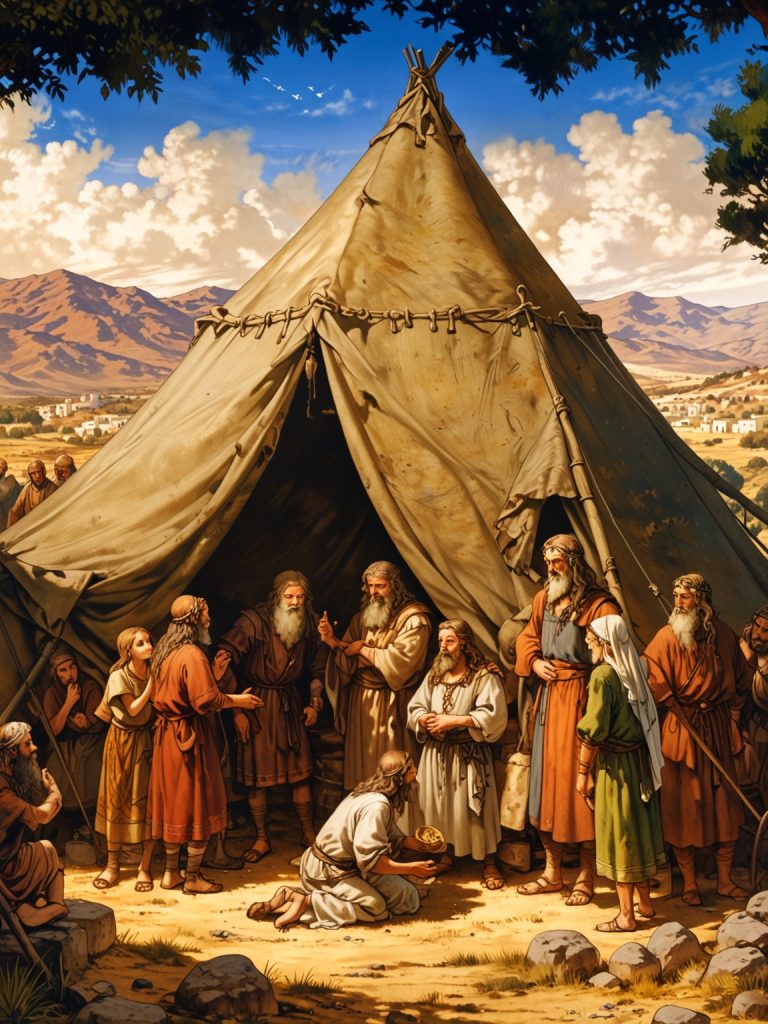
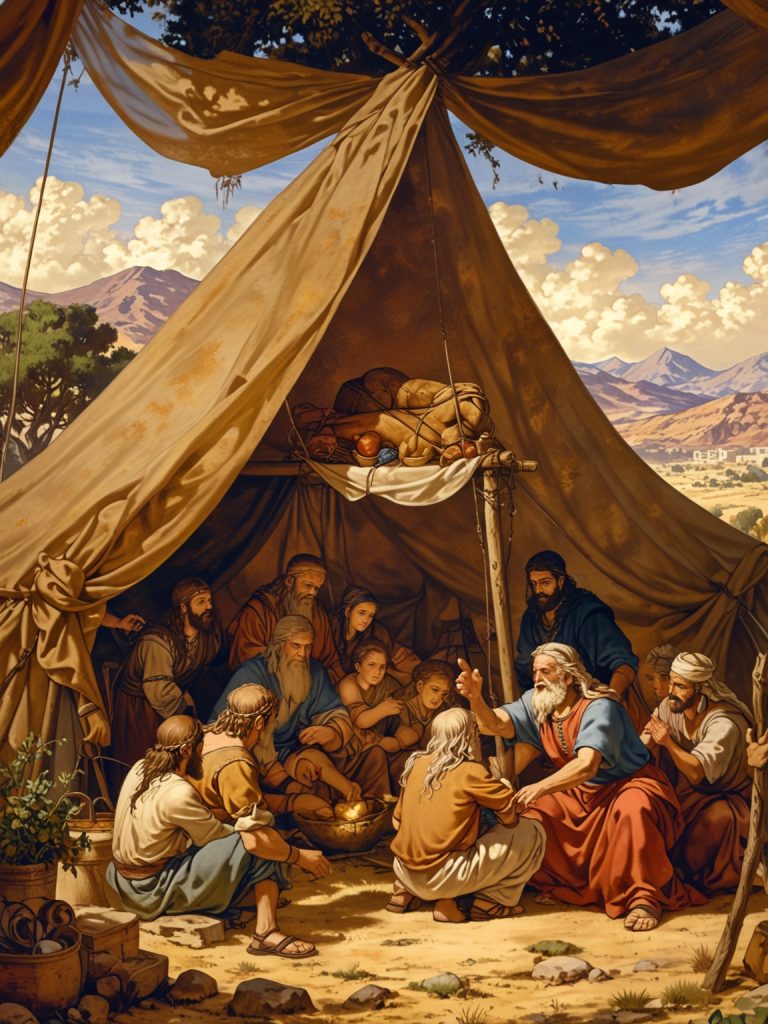
We’re tackling the final verses of Genesis 35, verses 21-29. This passage wraps up the chapter with a mix of events, so let’s break it down:
Verse 21: The story picks up with Jacob continuing his journey. He sets up camp beyond a place called Migdal Eder.
Verse 22: This verse introduces a dark turn. It tells us that Reuben, Jacob’s eldest son, commits a serious sin by sleeping with Bilhah, one of his father’s concubines. The Bible tells us that Jacob “heard of it,” hinting at the pain and disruption this would have caused within the family.
Verse 23-26: To provide some context, the passage lists all twelve of Jacob’s sons, clarifying which mothers each son came from. This could be seen as a way of highlighting the complexity of Jacob’s family structure.
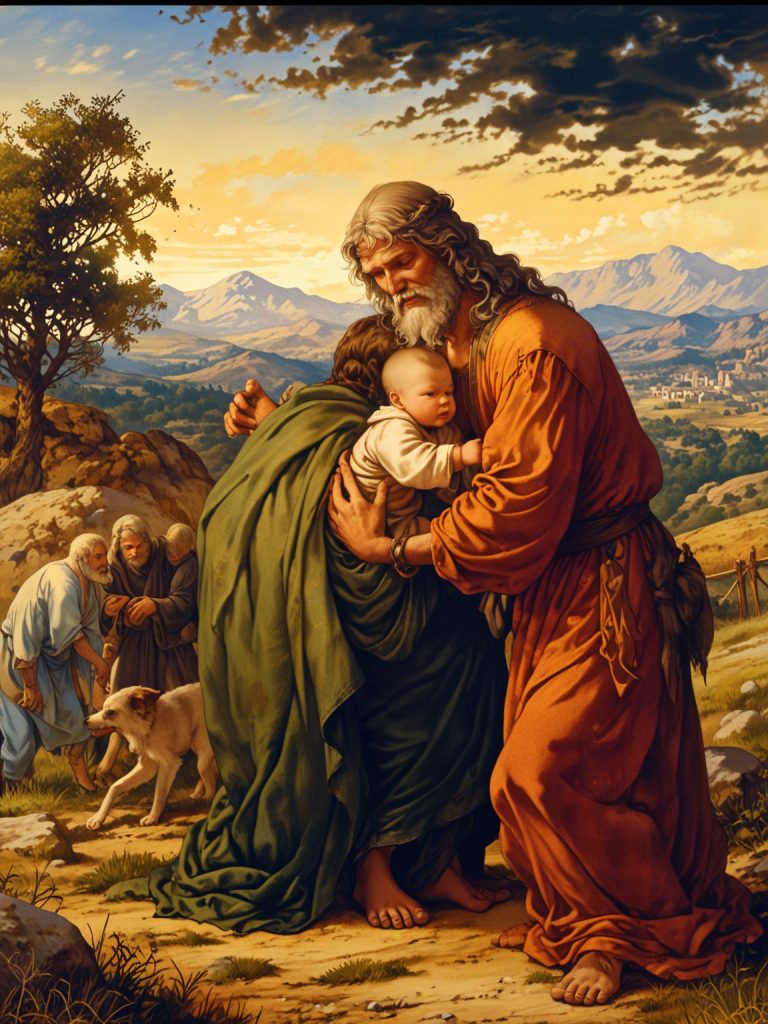
Verse 27: The story shifts gears again. We learn that Jacob eventually arrives at his father Isaac’s home in Mamre, near Hebron. This is a significant reunion, as Jacob hasn’t seen his father in many years.
Verse 28: The Bible tells us that Isaac lived a long life, reaching the age of 180.
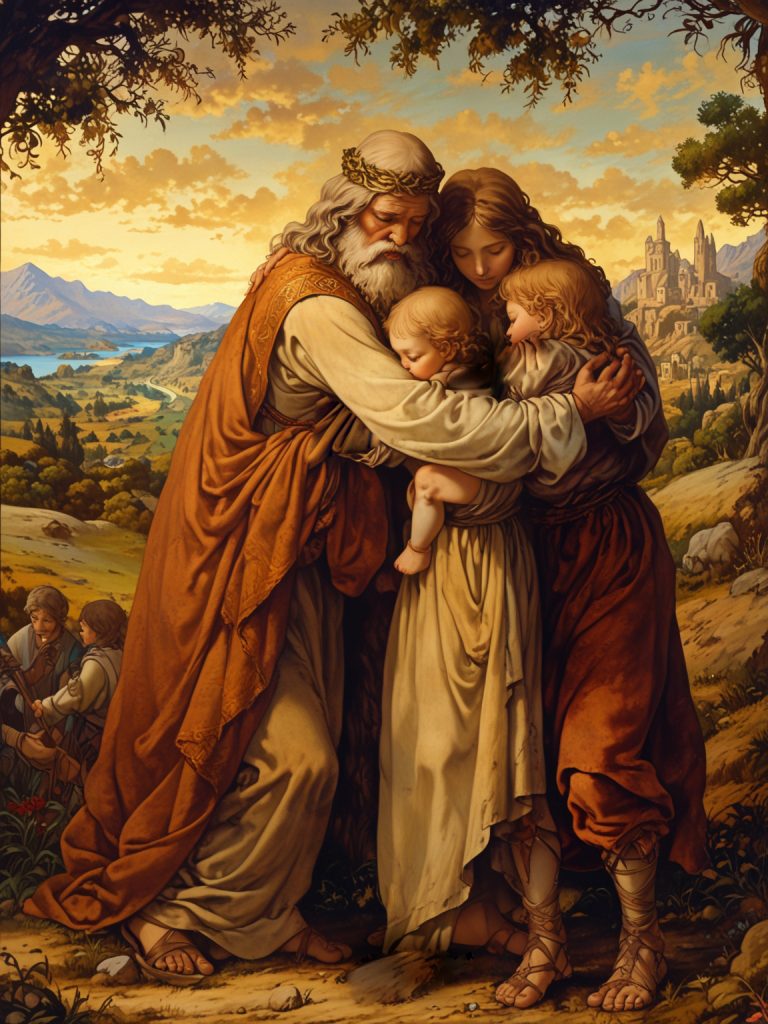
Verse 29: Sadly, Isaac dies peacefully, “gathered to his people,” a phrase signifying a peaceful passing. His sons, Esau and Jacob, come together to bury him, offering a glimpse of reconciliation between the brothers.
Key Takeaways:
- This passage reminds us that even within families of faith, there can be sin and conflict. Reuben’s actions highlight the importance of self-control and respecting boundaries.
- The listing of Jacob’s sons serves as a reminder of the fulfillment of God’s promise to Abraham to have a vast number of descendants.
- Isaac’s long life and peaceful death offer a sense of closure and a reminder of God’s faithfulness. The reunion of Esau and Jacob to bury their father provides a hopeful note of reconciliation.
Something to Reflect On:
- Have you ever experienced family conflict? How did you navigate it?
- How can we demonstrate forgiveness and reconciliation within our families?
Alright folks, that brings us to the end of Genesis 35! This chapter has been a rollercoaster ride of emotions, haven’t it? We saw Jacob following God’s call, experiencing both joy (the birth of Benjamin) and immense sorrow (Rachel’s death). We also witnessed the ever-present reality of sin within families (Reuben’s transgression) and the bittersweet comfort of reconciliation (Esau and Jacob burying Isaac).
Through it all, God’s faithfulness remains a constant thread. He continues to guide Jacob, renew His promises, and offer comfort in times of loss.
So, what can we learn from this passage? It reminds us to be obedient to God’s call, to strive for purity in our lives, and to hold onto hope even when things are tough. It also reminds us of the importance of family, forgiveness, and cherishing the memories of those we love.
Want to delve deeper into the Bible with the help of beautiful, thought-provoking AI-generated images? Explore Moralisee.com! We have tons of Bible chapters explored in detail, each accompanied by stunning visuals that will ignite your imagination and bring the stories to life.
Whether you’re a seasoned Bible reader or just starting out on your faith journey, Moralisee.com is here to be your guide. So come on over, explore the content, and let’s learn and grow together in faith!


