

Genesis 34:1-4 NIV
Now Dinah, the daughter Leah had borne to Jacob, went out to visit the women of the land. When Shechem son of Hamor the Hivite, the ruler of that area, saw her, he took her and raped her. His heart was drawn to Dinah daughter of Jacob; he loved the young woman and spoke tenderly to her. And Shechem said to his father Hamor, “Get me this girl as my wife.”
Genesis 34:1-4 NIV
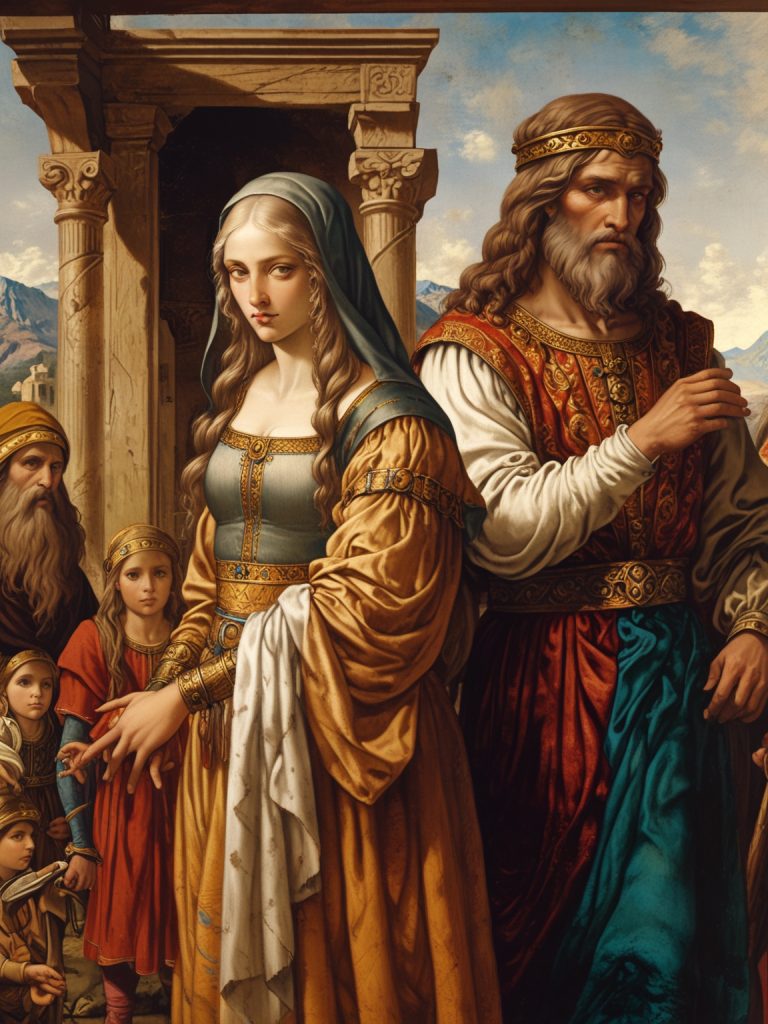
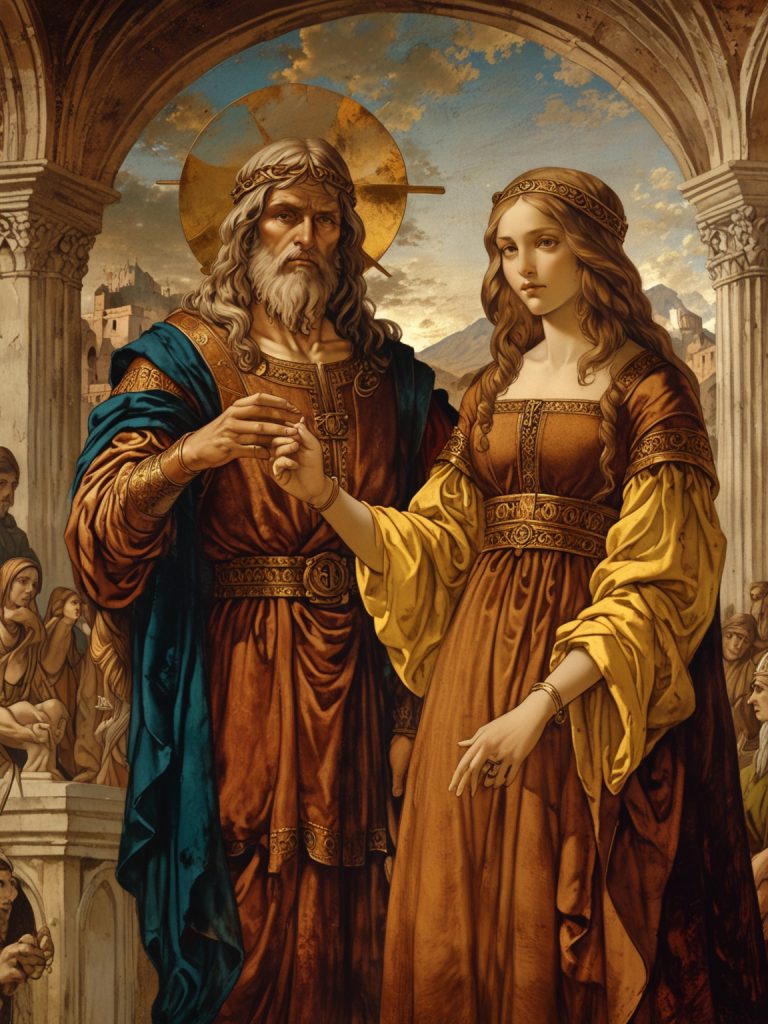
Today, we’ll be delving into a complex passage from Genesis, chapter 34, verses 1 to 4. This story tells the account of Dinah, Jacob’s daughter, and a troubling encounter with Shechem, the son of a local ruler.
Verse 1: “Now Dinah, the daughter Leah had borne to Jacob, went out to visit the women of the land.”
This opening verse sets the scene. Dinah, one of Jacob’s daughters, ventures out to meet with the local women. It’s important to note that the Bible doesn’t elaborate on the purpose of this visit. Some interpret it as a simple social gathering, while others see it as a more risky venture into unfamiliar territory.
Verse 2: “When Shechem son of Hamor the Hivite, the ruler of that area, saw her, he took her and raped her.”
This verse is undoubtedly the most disturbing part of the passage. It describes Shechem, a leader’s son, forcefully taking Dinah. The word used here for “took” is a euphemism for rape, a horrific act that violates human dignity.
Verse 3: “His heart was drawn to Dinah daughter of Jacob; he loved the young woman and spoke tenderly to her.”
This verse is jarring because it attempts to paint Shechem’s actions in a positive light. It claims he was attracted to Dinah and spoke kindly to her. However, his actions of violence completely contradict these supposed feelings.
Verse 4: “And Shechem said to his father Hamor, “Get me this girl as my wife.”
Here, Shechem seeks his father’s help in acquiring Dinah as his wife. This might be seen as an attempt to rectify his wrongdoing, but it still doesn’t erase the violence of the initial act.
What can we learn from this passage?
This passage raises difficult questions about violence, consent, and the importance of protecting women. While the story doesn’t explicitly condemn Shechem’s actions, it serves as a stark reminder of the consequences of sin and the importance of safeguarding one another.
Here are some key takeaways:
- Rape is a serious crime. It’s important to speak out against sexual violence and support victims.
- Consent is essential. No one has the right to force themselves on another person.
- We are called to protect the vulnerable. This includes women and children who might be at risk.
Finding Hope
This story, though unsettling, can be a call to action. We can learn from the mistakes of the past and strive for a future where women are safe and respected.
If you or someone you know has been affected by sexual violence, please know that help is available. You are not alone.
Here are some resources:
- National Sexual Assault Hotline: 1-800-656-HOPE
- Rape, Abuse & Incest National Network (RAINN): https://rainn.org/
Please join me in prayer for the victims of sexual violence and for a world where such acts are never tolerated.
Genesis 34:5-10 NIV
When Jacob heard that his daughter Dinah had been defiled, his sons were in the fields with his livestock; so he did nothing about it until they came home.
Then Shechem’s father Hamor went out to talk with Jacob. Meanwhile, Jacob’s sons had come in from the fields as soon as they heard what had happened. They were shocked and furious, because Shechem had done an outrageous thing in Israel by sleeping with Jacob’s daughter—a thing that should not be done.
But Hamor said to them, “My son Shechem has his heart set on your daughter. Please give her to him as his wife. Intermarry with us; give us your daughters and take our daughters for yourselves. You can settle among us; the land is open to you. Live in it, trade in it, and acquire property in it.”
Genesis 34:5-10 NIV

Picking up where we left off in Genesis 34, today we’ll explore verses 5 to 10. This section shows the aftermath of Dinah’s assault and the initial interaction between Jacob’s family and Shechem’s father, Hamor.
Verse 5: “When Jacob heard that his daughter Dinah had been defiled, his sons were in the fields with his livestock; so he did nothing about it until they came home.”
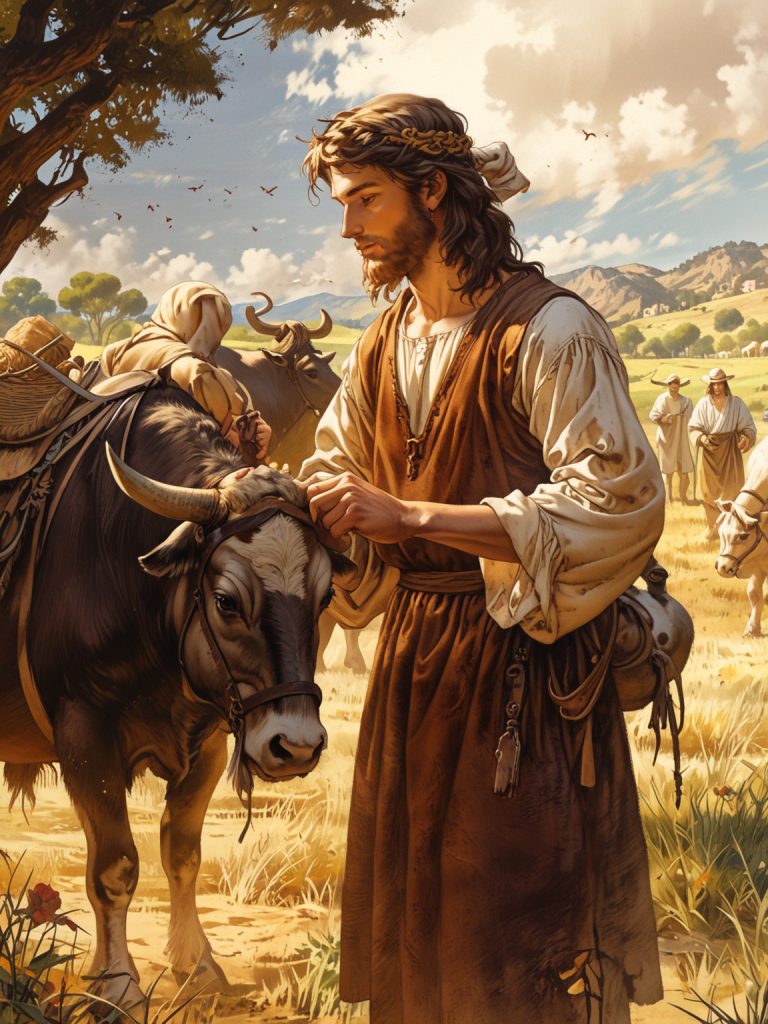
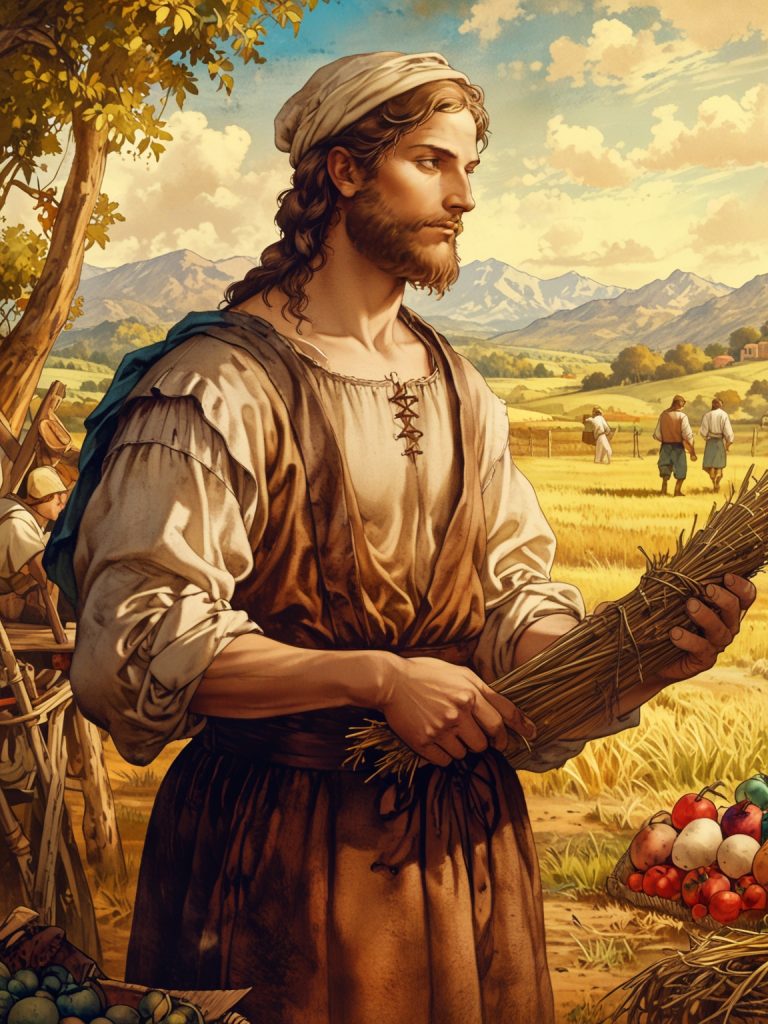
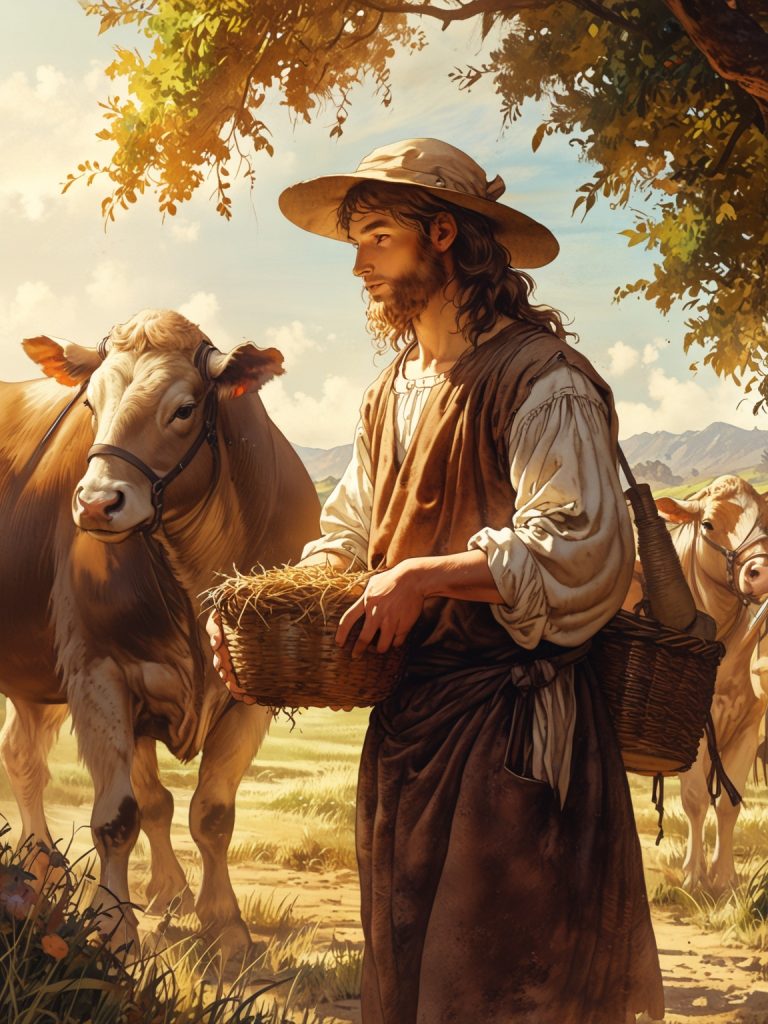
This verse raises questions about Jacob’s initial response. The word “defiled” here refers to the rape of Dinah. The text suggests Jacob waits for his sons to return before taking action. Some interpretations view this as a lack of immediate action on Jacob’s part, while others suggest he might have been strategically waiting for his sons’ support before confronting the situation.
Verse 6 & 7: “Then Shechem’s father Hamor went out to talk with Jacob. Meanwhile, Jacob’s sons had come in from the fields as soon as they heard what had happened. They were shocked and furious, because Shechem had done an outrageous thing in Israel by sleeping with Jacob’s daughter—a thing that should not be done.”


Here, we see the contrasting reactions. Hamor, Shechem’s father, seeks a solution by approaching Jacob. Meanwhile, Jacob’s sons return, enraged by the news of the assault. The text emphasizes the severity of Shechem’s actions, highlighting the violation of cultural norms and the deep pain it caused.
Verse 8-10: “But Hamor said to them, “My son Shechem has his heart set on your daughter. Please give her to him as his wife. 9Intermarry with us; give us your daughters and take our daughters for yourselves. 10You can settle among us; the land is open to you. Live in it, trade in it, and acquire property in it.”
Hamor attempts to appease Jacob and his sons by proposing marriage between Shechem and Dinah. He even suggests a broader alliance through intermarriage and economic cooperation.
What can we learn from this passage?
This section portrays the emotional turmoil following a tragic event. It also highlights the importance of family support and the cultural context of the time.
Here are some key takeaways:
- The pain of sexual assault affects families deeply. This passage shows the anger of Jacob’s sons alongside Jacob’s own concern.
- Seeking resolution is important, even in difficult situations. Hamor, while representing his son’s wrongdoing, seeks a peaceful solution.
- Understanding cultural context is crucial. The concept of marriage and alliances might be interpreted differently in our modern context.
Moving Forward with Compassion
While this story presents difficult themes, it can also be a catalyst for discussions on family support, seeking justice, and the importance of treating each other with respect.
Genesis 34:11-23 NIV
Then Shechem said to Dinah’s father and brothers, “Let me find favor in your eyes, and I will give you whatever you ask. Make the price for the bride and the gift I am to bring as great as you like, and I’ll pay whatever you ask me. Only give me the young woman as my wife.”
Because their sister Dinah had been defiled, Jacob’s sons replied deceitfully as they spoke to Shechem and his father Hamor. They said to them, “We can’t do such a thing; we can’t give our sister to a man who is not circumcised. That would be a disgrace to us. We will enter into an agreement with you on one condition only: that you become like us by circumcising all your males. Then we will give you our daughters and take your daughters for ourselves. We’ll settle among you and become one people with you. But if you will not agree to be circumcised, we’ll take our sister and go.”
Their proposal seemed good to Hamor and his son Shechem. The young man, who was the most honored of all his father’s family, lost no time in doing what they said, because he was delighted with Jacob’s daughter. So Hamor and his son Shechem went to the gate of their city to speak to the men of their city. “These men are friendly toward us,” they said. “Let them live in our land and trade in it; the land has plenty of room for them. We can marry their daughters and they can marry ours. But the men will agree to live with us as one people only on the condition that our males be circumcised, as they themselves are. Won’t their livestock, their property and all their other animals become ours? So let us agree to their terms, and they will settle among us.”
Genesis 34:11-23 NIV
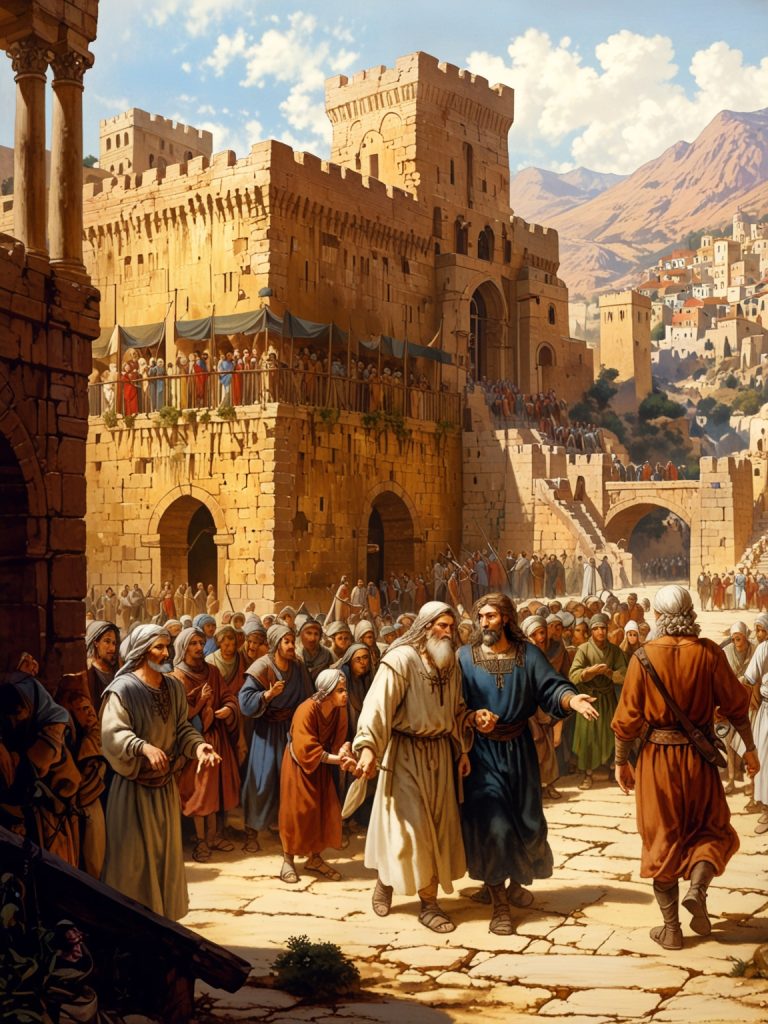
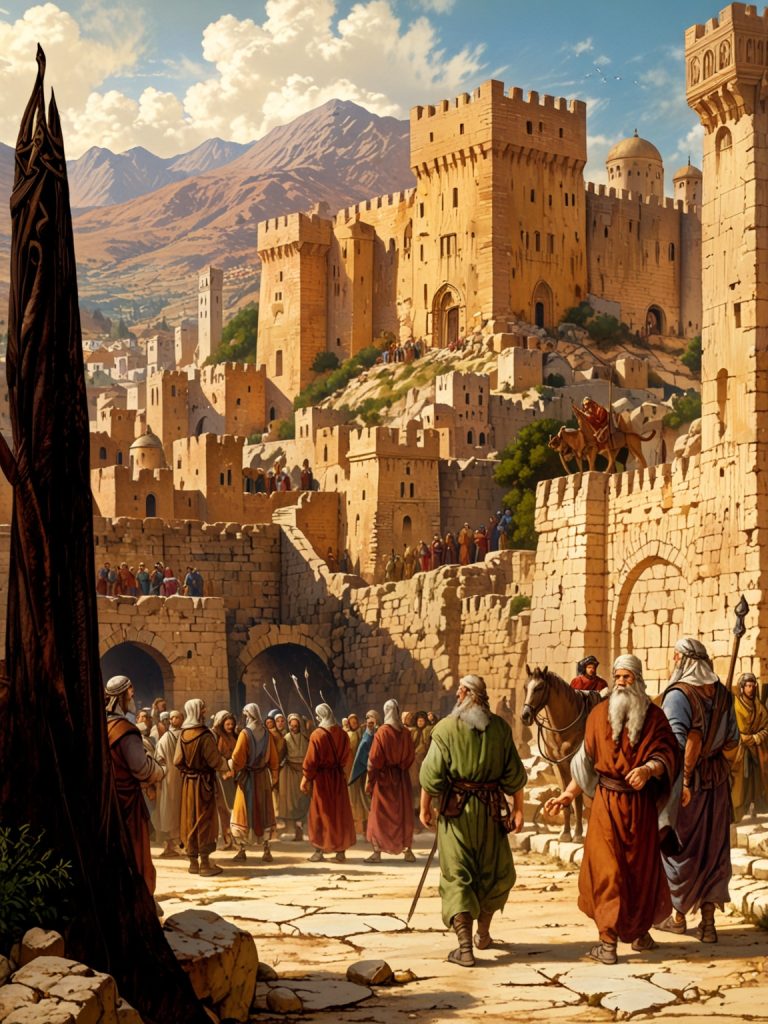
Here, the story takes a turn as Jacob’s sons react to Shechem’s proposal of marriage to Dinah.
Verse 11-12: “Then Shechem said to Dinah’s father and brothers, “Let me find favor in your eyes, and I will give you whatever you ask. 12Make the price for the bride and the gift I am to bring as great as you like, and I’ll pay whatever you ask me. Only give me the young woman as my wife.”
Shechem, eager to appease Jacob and his sons, offers a generous dowry. This attempt to buy their approval reflects the cultural practice of bride price at the time.
Verse 13: “Because their sister Dinah had been defiled, Jacob’s sons replied deceitfully as they spoke to Shechem and his father Hamor.”
The text acknowledges the deceit employed by Jacob’s sons. Fueled by anger and a desire to protect their family’s honor, they devise a cunning plan.
Verse 14-16: “They said to them, “We can’t do such a thing; we can’t give our sister to a man who is not circumcised. That would be a disgrace to us. 15We will enter into an agreement with you on one condition only: that you become like us by circumcising all your males. 16Then we will give you our daughters and take your daughters for ourselves. We’ll settle among you and become one people with you.”
Jacob’s sons propose a seemingly reasonable condition: circumcision for all males in Shechem’s city. Circumcision was a crucial sign of the covenant between God and Abraham’s descendants. Here, it becomes a test of commitment and a potential pathway to unity. However, they likely understand the potential pain and disruption this would cause, making it a difficult choice for Shechem and his people.
Verse 17: “But if you will not agree to be circumcised, we’ll take our sister and go.”
Jacob’s sons present an ultimatum. Their proposal highlights the cultural differences and the importance they place on their religious practice.
Verse 18-19: “Their proposal seemed good to Hamor and his son Shechem. 19The young man, who was the most honored of all his father’s family, lost no time in doing what they said, because he was delighted with Jacob’s daughter.”
Hamor and Shechem are surprisingly receptive to the idea. Perhaps they see economic and social benefits in uniting with Jacob’s family, or maybe Shechem’s infatuation clouds his judgment. Regardless, they seem willing to undergo this painful procedure.
Verse 20-23: “So Hamor and his son Shechem went to the gate of their city to speak to the men of their city. 21“These men are friendly toward us,” they said. “Let them live in our land and trade in it; the land has plenty of room for them. We can marry their daughters and they can marry ours. 22But the men will agree to live with us as one people only on the condition that our males be circumcised, as they themselves are. 23Won’t their livestock, their property and all their other animals become ours? So let us agree to their terms, and they will settle among us.”
Hamor and Shechem rally the city’s men, presenting Jacob’s sons’ proposal as an opportunity for economic prosperity and cultural exchange. They emphasize the potential benefits, including marriage and shared resources.
What can we learn from this passage?
This passage exposes the complexities of cultural clashes and the importance of considering different perspectives. It also raises questions about the use of deceit and manipulation, even when motivated by a desire for justice.
Here are some key takeaways:
- Cultural differences can create conflict. Here, religious practices become a point of contention.
- Deception can have unintended consequences. The long-term effects of Jacob’s sons’ plan remain unclear.
- Seeking unity can be challenging. This story highlights the difficulties of reconciling different cultures and beliefs.
Moving Forward with Faith
The story of Dinah is a reminder of the importance of open communication, empathy, and respect for others’ traditions.
Genesis 34:24-31 NIV
All the men who went out of the city gate agreed with Hamor and his son Shechem, and every male in the city was circumcised.
Three days later, while all of them were still in pain, two of Jacob’s sons, Simeon and Levi, Dinah’s brothers, took their swords and attacked the unsuspecting city, killing every male. They put Hamor and his son Shechem to the sword and took Dinah from Shechem’s house and left. The sons of Jacob came upon the dead bodies and looted the city where their sister had been defiled. They seized their flocks and herds and donkeys and everything else of theirs in the city and out in the fields. They carried off all their wealth and all their women and children, taking as plunder everything in the houses.
Then Jacob said to Simeon and Levi, “You have brought trouble on me by making me obnoxious to the Canaanites and Perizzites, the people living in this land. We are few in number, and if they join forces against me and attack me, I and my household will be destroyed.”
But they replied, “Should he have treated our sister like a prostitute?”
Genesis 34:24-31 NIV


Let us explore the shocking conclusion of the story of Dinah in Genesis 34, verses 24 to 31. This passage deals with the violent response of Jacob’s sons and the resulting tension.
Verse 24: “All the men who went out of the city gate agreed with Hamor and his son Shechem, and every male in the city was circumcised.”
This verse highlights the surprising agreement of Shechem’s city to the circumcision proposal. Perhaps economic and social benefits outweighed the pain and cultural challenge.
Verse 25: “Three days later, while all of them were still in pain, two of Jacob’s sons, Simeon and Levi, Dinah’s brothers, took their swords and attacked the unsuspecting city, killing every male.”
This is a brutal turn of events. Simeon and Levi, fueled by anger and vengeance, exploit the vulnerability of the recently circumcised men. Their actions go far beyond seeking justice for their sister and raise serious moral questions.
Verse 26: “They put Hamor and his son Shechem to the sword and took Dinah from Shechem’s house and left.”
The attack targets not just the men but also the leaders, Hamor and Shechem. Dinah is retrieved, but the act remains a violent act of revenge.
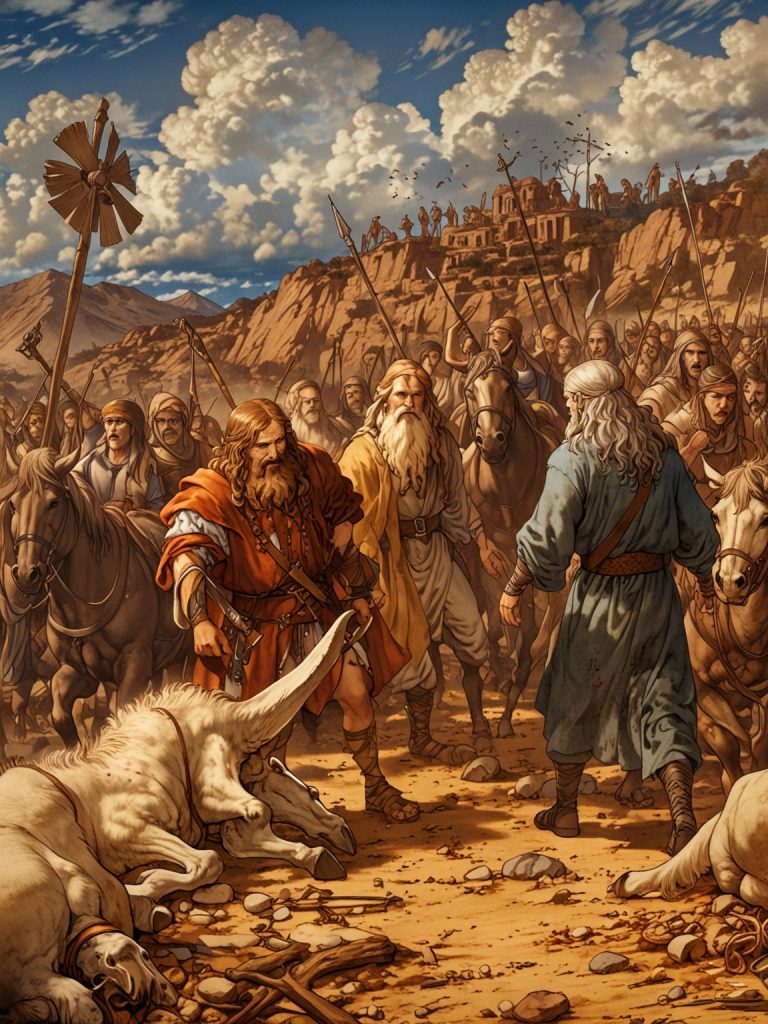
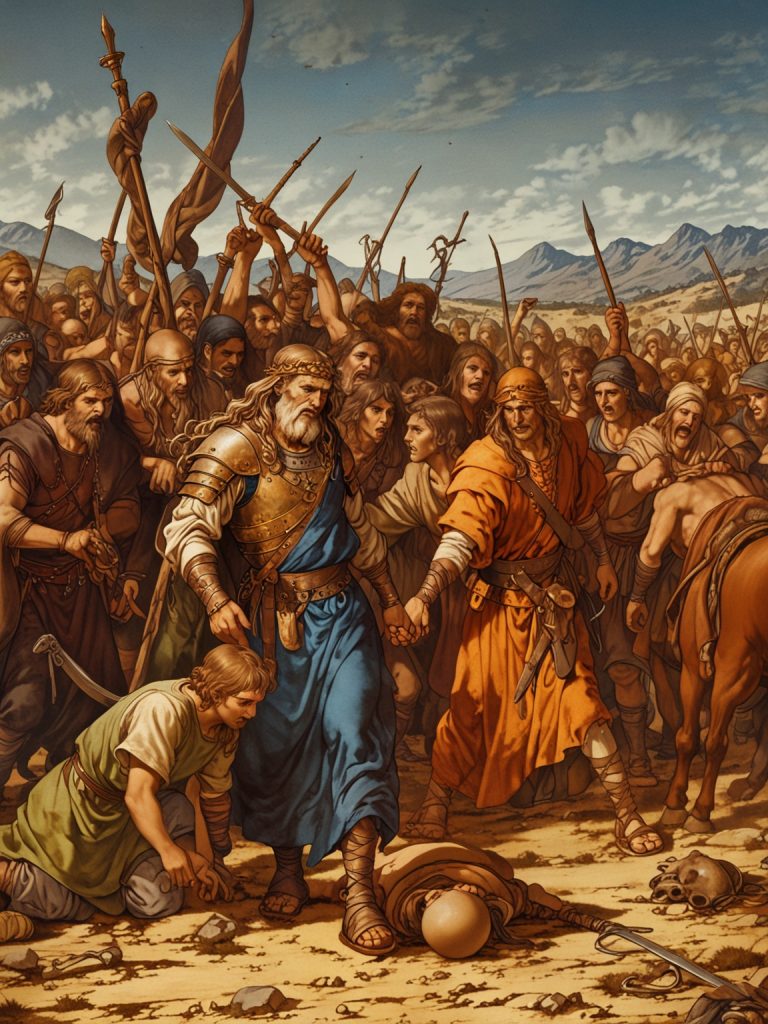
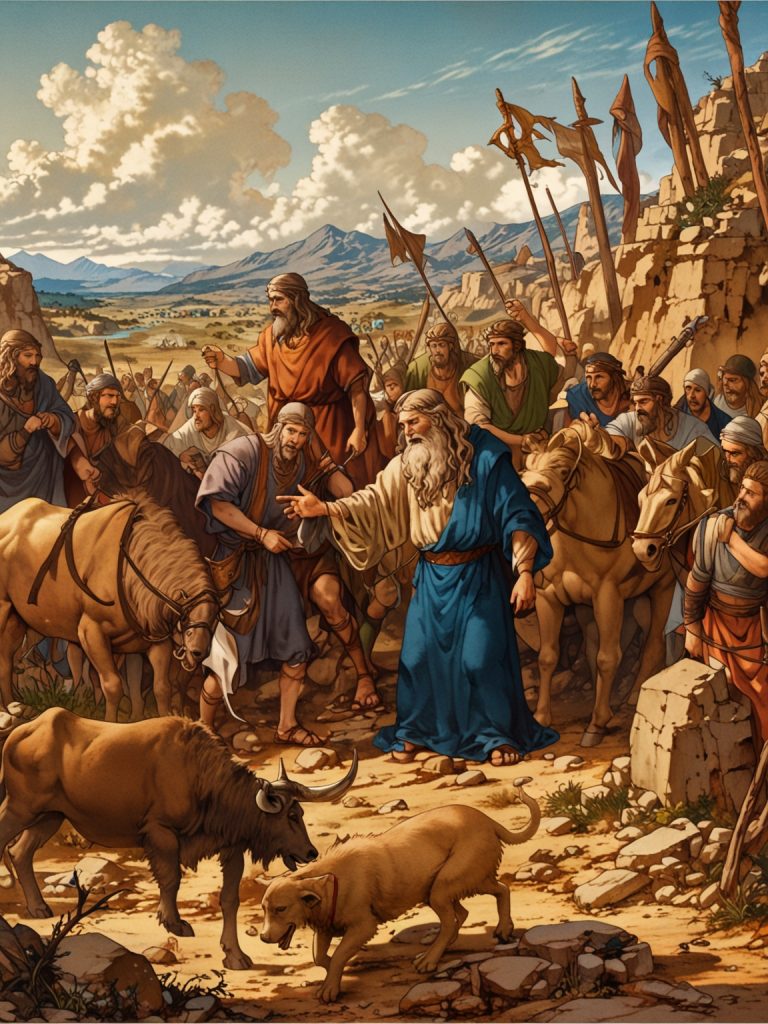
Verse 27-28: “The sons of Jacob came upon the dead bodies and looted the city where their sister had been defiled. 28They seized their flocks and herds and donkeys and everything else of theirs in the city and out in the fields.”
The violence is followed by plunder. Jacob’s sons take advantage of the situation, taking livestock and possessions.
Verse 29: “They carried off all their wealth and all their women and children, taking as plunder everything further escalating the cruelty.
Verse 30: “Then Jacob said to Simeon and Levi, “You have brought trouble on me by making me obnoxious to the Canaanites and Perizzites, the people living in this land. We are few in number, and if they join forces against me and attack me, I and my household will be destroyed.””
Jacob expresses his fear and disappointment. He recognizes the danger of this violence and the potential for retaliation.
Verse 31: “But they replied, “Should he have treated our sister like a prostitute?”
Simeon and Levi defend their actions, focusing on the initial assault on their sister.
What can we learn from this passage?
This passage is a stark reminder of the destructive consequences of anger and revenge. The brutal actions of Simeon and Levi create more problems than they solve.
Here are some key takeaways:
- Violence is never the answer. This story highlights the devastating impact of violence on individuals and communities.
- Understanding different perspectives is crucial. We can learn from Jacob’s concern for the safety of his family.
- Seeking justice should not lead to further injustice. The actions of Simeon and Levi raise questions about their true motivations.
Moving Forward with Forgiveness
The story of Dinah is a cautionary tale. It reminds us of the power of forgiveness and the importance of seeking peaceful solutions to conflict.
If you are struggling with anger or the desire for revenge, please know that there is help available.
A Story of Pain, Revenge, and Consequences
The story of Dinah in Genesis 34 is a complex and disturbing one. It explores themes of violence, cultural clashes, and the struggle for justice. We see the initial tragedy of Dinah’s assault followed by a series of questionable choices.
Jacob’s sons, motivated by anger and a desire to protect their family’s honor, resort to deceit and ultimately, brutal violence. While we can understand their pain, their actions create more problems than they solve.
This story serves as a reminder of the importance of seeking peaceful solutions to conflict and the destructive nature of revenge. It also highlights the need for empathy and understanding in navigating cultural differences.
Join Us at Moralisee.com
If you’d like to delve deeper into the Bible, explore Moralisee.com! We offer insightful and engaging explanations of scripture chapters, accompanied by beautiful, AI-generated images that bring the stories to life.
Whether you’re a seasoned Bible reader or just beginning your exploration of faith, Moralisee.com offers a welcoming and informative space to learn and grow.
Visit us today and embark on a journey of faith-filled discovery!


