

Genesis 23:1-2 NIV
Sarah lived to be a hundred and twenty-seven years old. She died at Kiriath Arba (that is, Hebron) in the land of Canaan, and Abraham went to mourn for Sarah and to weep over her.
Genesis 23:1-2 NIV
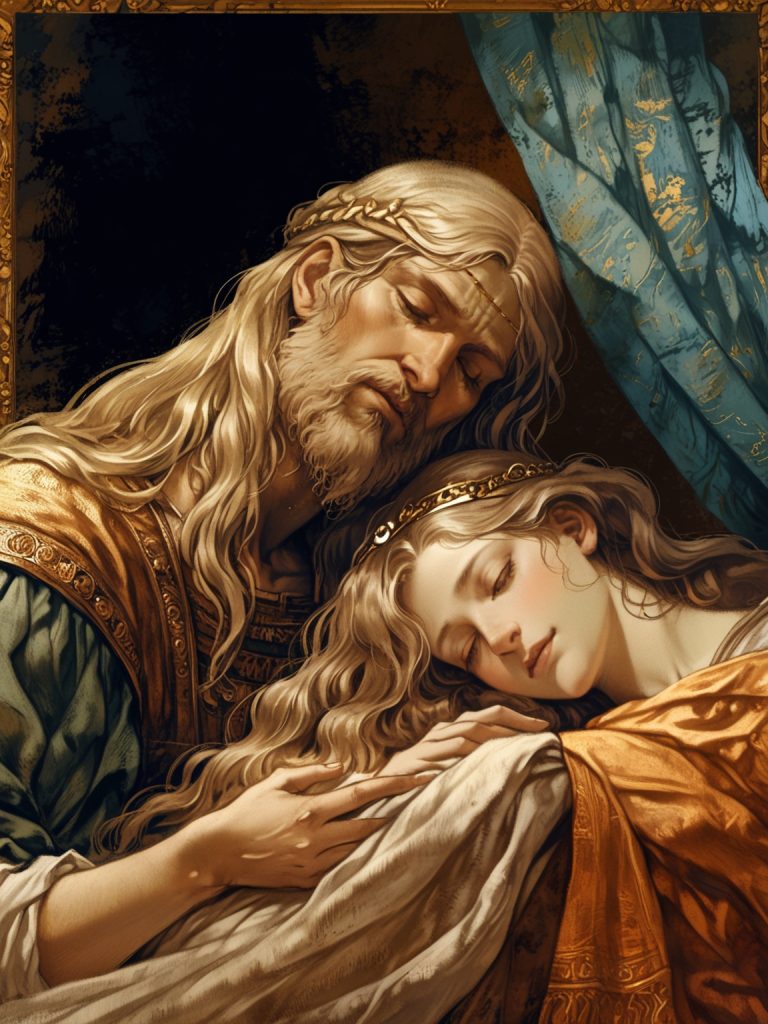
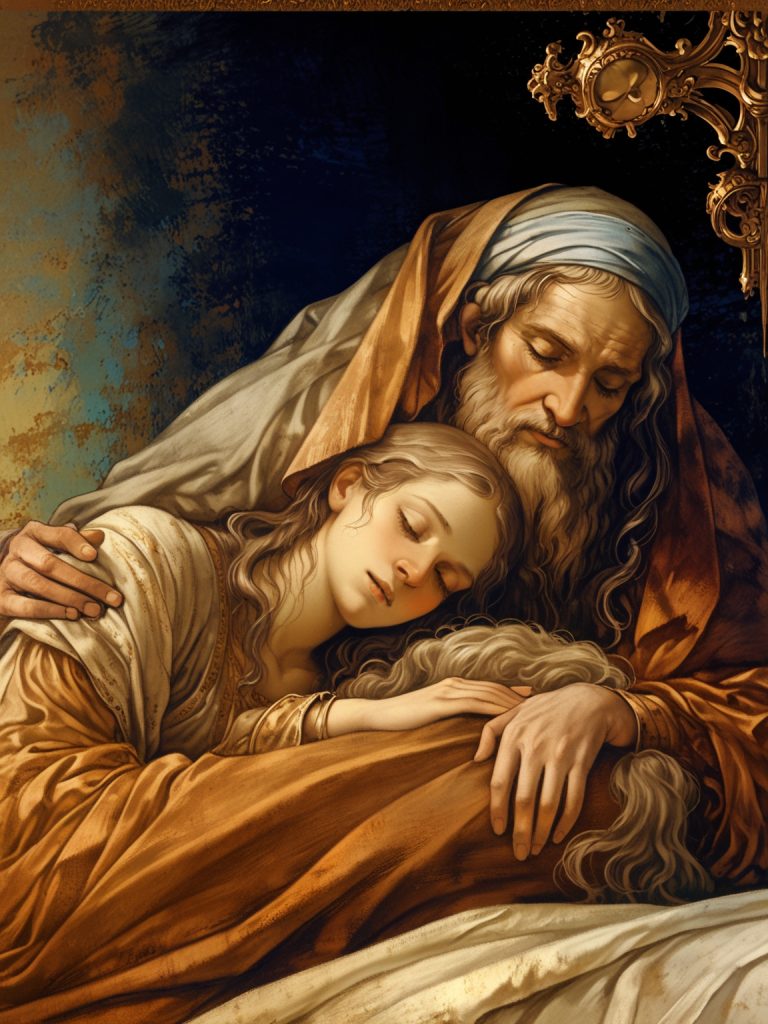
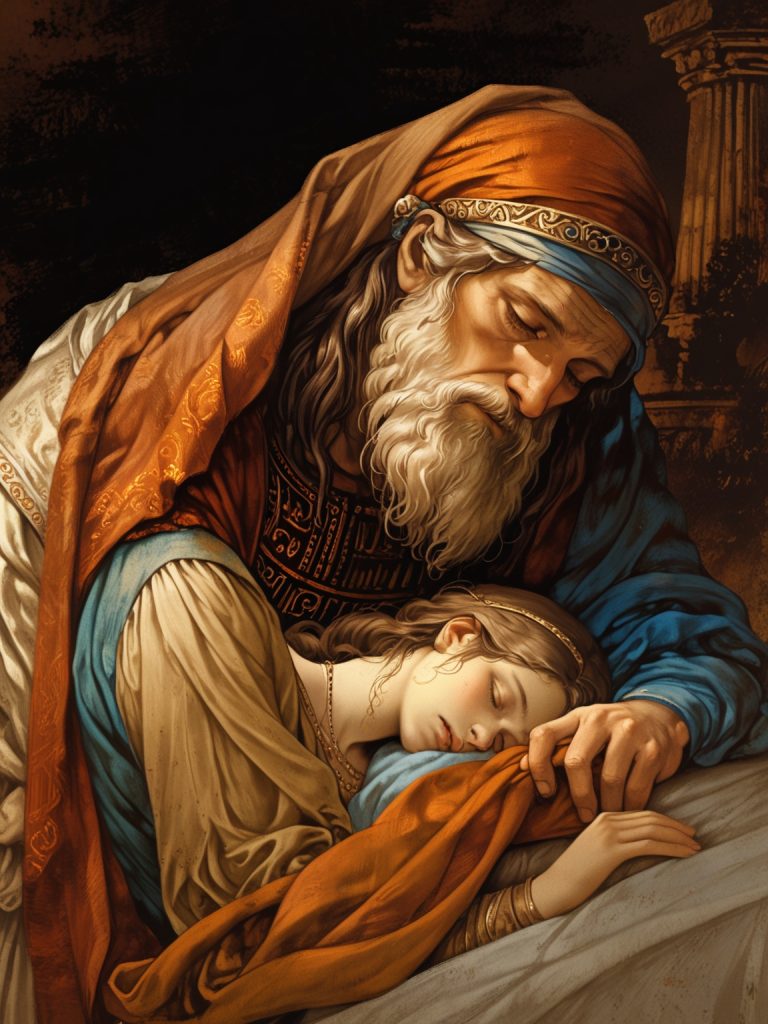
Verse 1: “Sarah lived to be a hundred and twenty-seven years old.”
Here, we see a simple yet profound statement about Sarah’s lifespan. Sarah, the beloved wife of Abraham and mother of Isaac, lived to the ripe old age of 127. This notable age emphasizes her longevity and the full life she lived. In biblical times, such a long lifespan was a sign of God’s blessing and favor. Sarah’s life was marked by significant events, including the miraculous birth of her son Isaac in her old age, which fulfilled God’s promise to Abraham and Sarah.
Verse 2: “She died at Kiriath Arba (that is, Hebron) in the land of Canaan, and Abraham went to mourn for Sarah and to weep over her.”
This verse provides the location of Sarah’s death, Kiriath Arba, also known as Hebron, in the land of Canaan. Hebron was a significant place, as it was part of the land God promised to Abraham and his descendants. Sarah’s death here ties her story to the broader narrative of God’s promises and the journey of Abraham’s family.
The second part of the verse focuses on Abraham’s response to Sarah’s death. Abraham’s mourning and weeping over Sarah show the depth of his love and grief. It’s a touching and human moment, highlighting that even great patriarchs like Abraham experienced sorrow and loss. This public expression of mourning was an important part of the grieving process in ancient cultures, reflecting the honor and respect Abraham had for Sarah.
In this passage, we see the intertwining of personal and divine stories. Sarah’s long life and death in the promised land of Canaan symbolize the fulfillment of God’s promises. Abraham’s mourning reminds us of the deep, personal relationships and emotions that are part of our faith journeys. Even in times of loss, God’s presence and promises remain steadfast, offering hope and continuity.
Genesis 23:3-6 NIV
Then Abraham rose from beside his dead wife and spoke to the Hittites. He said, “I am a foreigner and stranger among you. Sell me some property for a burial site here so I can bury my dead.”
The Hittites replied to Abraham, “Sir, listen to us. You are a mighty prince among us. Bury your dead in the choicest of our tombs. None of us will refuse you his tomb for burying your dead.”
Genesis 23:3-6 NIV
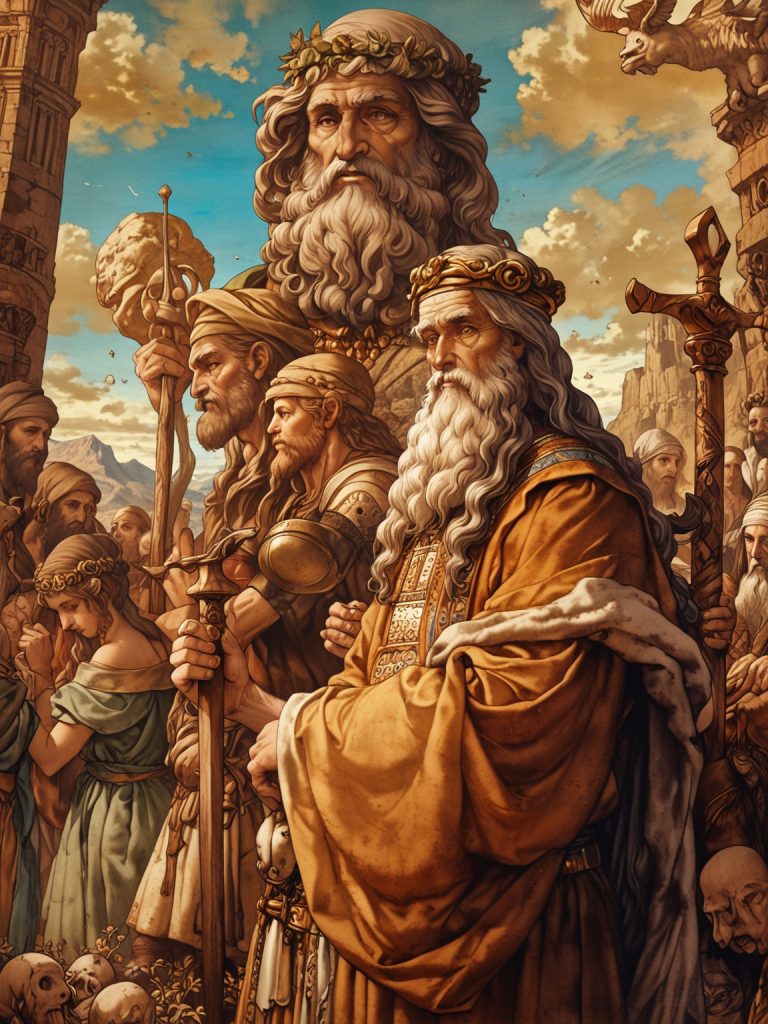

Verse 3: “Then Abraham rose from beside his dead wife and spoke to the Hittites.”
After mourning Sarah’s passing, Abraham takes action. He approaches the Hittites, the local inhabitants of the land, to discuss securing a burial site for Sarah. This demonstrates Abraham’s practical concern and respect for proper burial customs, even in the midst of his grief.
Verse 4: “He said, ‘I am a foreigner and stranger among you. Sell me some property for a burial site here so I can bury my dead.'”
Abraham addresses the Hittites with humility, acknowledging his status as a foreigner in their land. His request is straightforward: he seeks to purchase a piece of land to bury Sarah. This request reflects Abraham’s desire to honor Sarah in a culturally appropriate manner and to establish a permanent family burial place in the land God promised to his descendants.
Verse 5: “The Hittites replied to Abraham,”
The Hittites respond to Abraham’s request, showing respect and readiness to accommodate him in his time of need.
Verse 6: “‘Sir, listen to us. You are a mighty prince among us. Bury your dead in the choicest of our tombs. None of us will refuse you his tomb for burying your dead.'”
The Hittites acknowledge Abraham’s standing and importance in their community. They offer Abraham not just any piece of land, but the best of their tombs for Sarah’s burial. Their willingness to provide Abraham with a burial site demonstrates their respect for him and their desire to honor his grief and tradition.
This passage reveals important cultural customs of the time, such as the significance of burying the dead and the respect shown to foreigners. It also underscores Abraham’s role as a respected figure among the Hittites and his commitment to honoring Sarah’s memory in a dignified manner. As we reflect on this passage, we can see how Abraham’s actions exemplify the values of respect, honor, and care for loved ones, even in the face of personal loss.
Genesis 23:7-11 NIV
Then Abraham rose and bowed down before the people of the land, the Hittites. He said to them, “If you are willing to let me bury my dead, then listen to me and intercede with Ephron son of Zohar on my behalf so he will sell me the cave of Machpelah, which belongs to him and is at the end of his field. Ask him to sell it to me for the full price as a burial site among you.”
Ephron the Hittite was sitting among his people and he replied to Abraham in the hearing of all the Hittites who had come to the gate of his city. “No, my lord,” he said. “Listen to me; I give you the field, and I give you the cave that is in it. I give it to you in the presence of my people. Bury your dead.”
Genesis 23:7-11 NIV
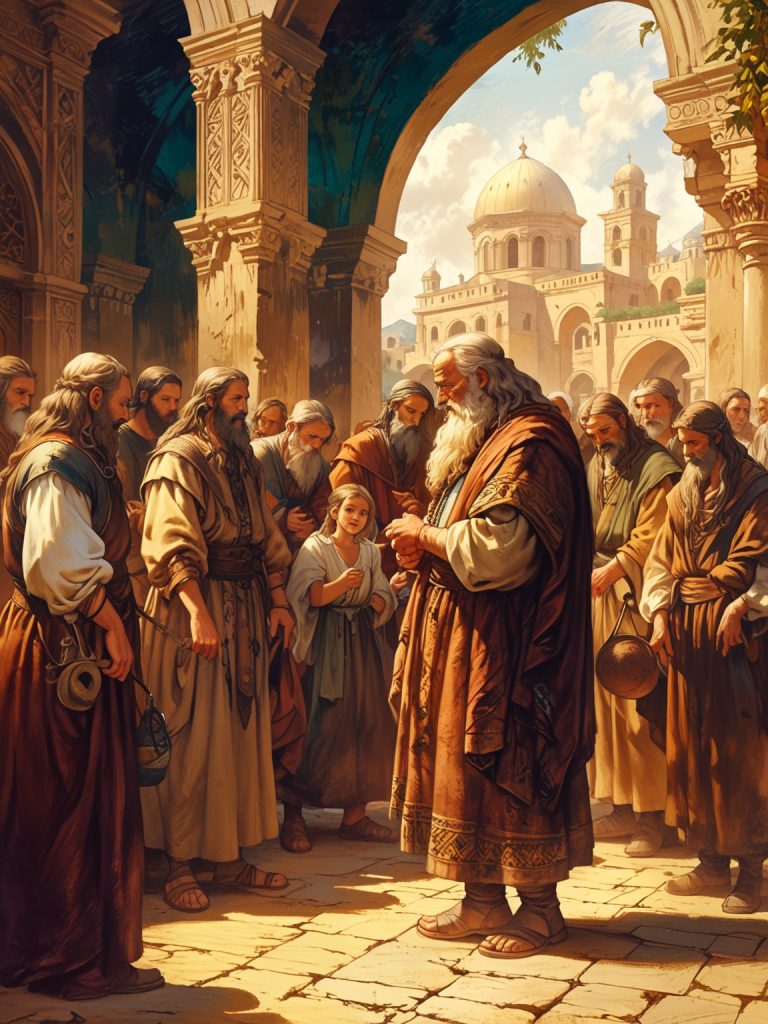
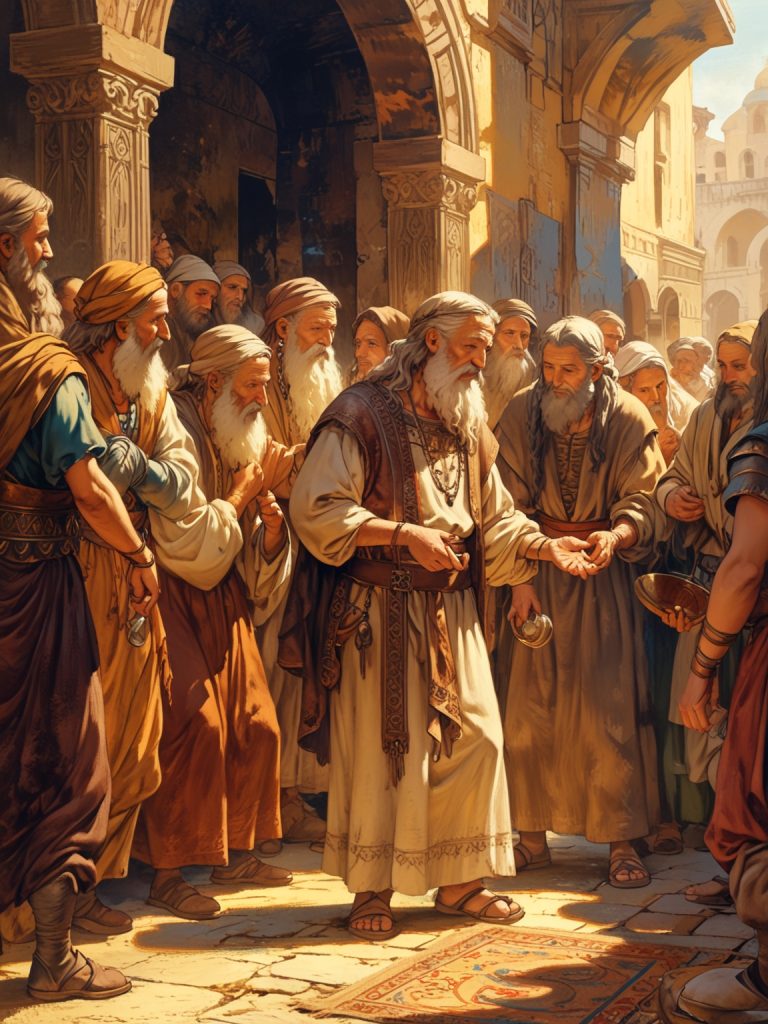
Verse 7: “Then Abraham rose and bowed down before the people of the land, the Hittites.”
After addressing the Hittites, Abraham shows deep respect and humility by bowing before them. This gesture reflects his understanding of their customs and his desire to approach them with honor as he seeks a burial place for Sarah.
Verse 8: “He said to them, ‘If you are willing to let me bury my dead, then listen to me and intercede with Ephron son of Zohar on my behalf so he will sell me the cave of Machpelah, which belongs to him and is at the end of his field. Ask him to sell it to me for the full price as a burial site among you.'”
Abraham makes his request known to the Hittites. He seeks their support in negotiating with Ephron, asking them to intercede on his behalf to purchase the cave of Machpelah. This cave is significant as a burial site, and Abraham wants to ensure he acquires it in accordance with local customs and laws.
Verse 10: “Ephron the Hittite was sitting among his people and he replied to Abraham in the hearing of all the Hittites who had come to the gate of his city.”
Ephron, a prominent figure among the Hittites, responds to Abraham’s request publicly. His response takes place at the city gate, where important discussions and transactions often occurred in ancient times. This public setting underscores the seriousness and significance of their negotiation.
Verse 11: “No, my lord,” he said. “Listen to me; I give you the field, and I give you the cave that is in it. I give it to you in the presence of my people. Bury your dead.”
Ephron’s response is generous and honorable. He offers not only the cave but the entire field surrounding it as a gift to Abraham for Sarah’s burial. This act of generosity in front of witnesses affirms Abraham’s rightful ownership of the burial site and ensures that Sarah can be laid to rest with dignity.
In this passage, we see the importance of cultural norms and respect for local customs in handling sensitive matters like death and burial. Abraham’s approach is marked by humility and respect, while Ephron’s response demonstrates generosity and a willingness to honor Abraham’s request. This negotiation highlights the value of community involvement and the importance of conducting transactions with transparency and fairness, ensuring that Sarah’s burial is conducted with dignity and respect.
Genesis 23:12-16 NIV
Again Abraham bowed down before the people of the land and he said to Ephron in their hearing, “Listen to me, if you will. I will pay the price of the field. Accept it from me so I can bury my dead there.”
Ephron answered Abraham, “Listen to me, my lord; the land is worth four hundred shekels of silver, but what is that between you and me? Bury your dead.”
Abraham agreed to Ephron’s terms and weighed out for him the price he had named in the hearing of the Hittites: four hundred shekels of silver, according to the weight current among the merchants.
Genesis 23:12-16 NIV
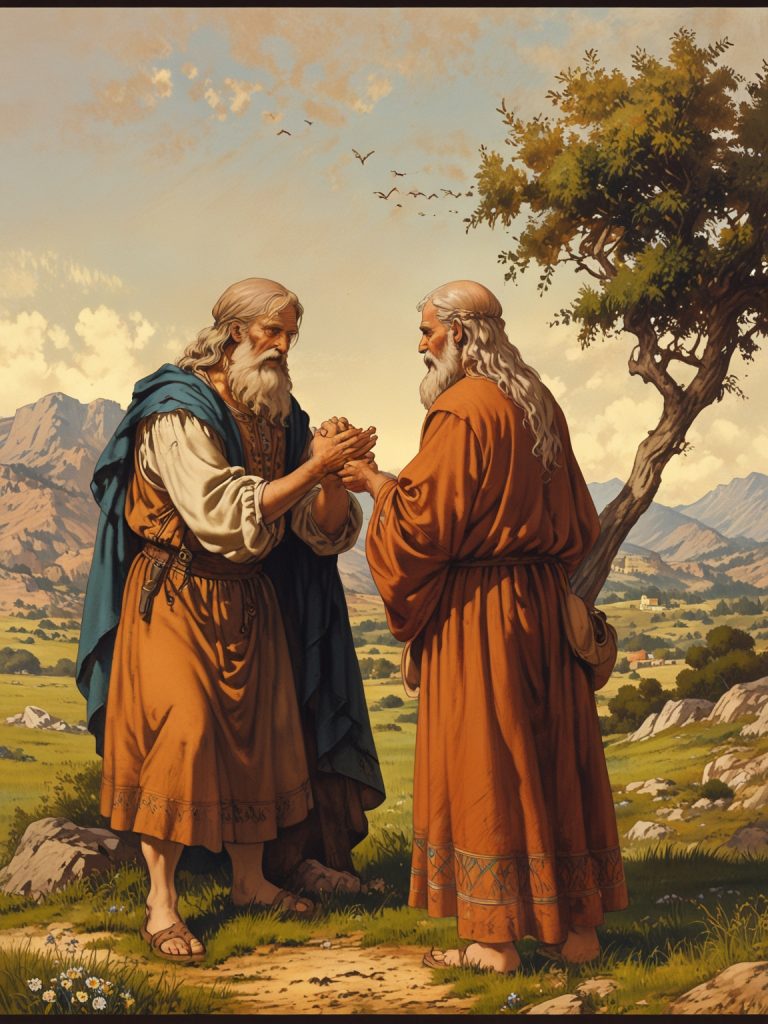
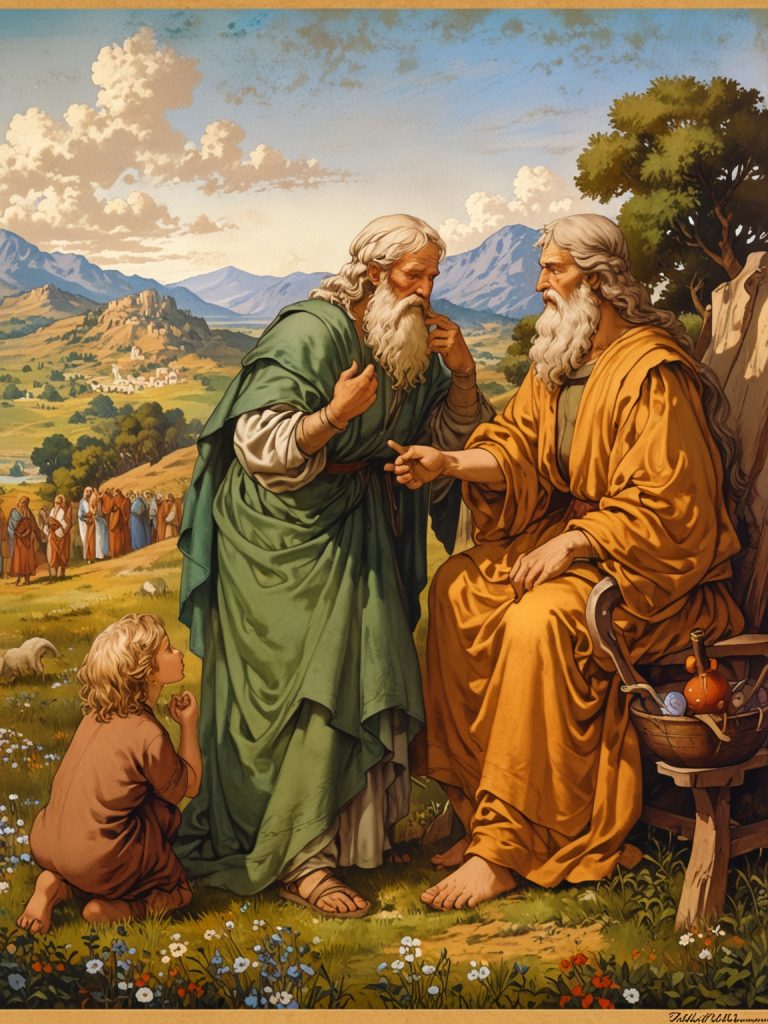
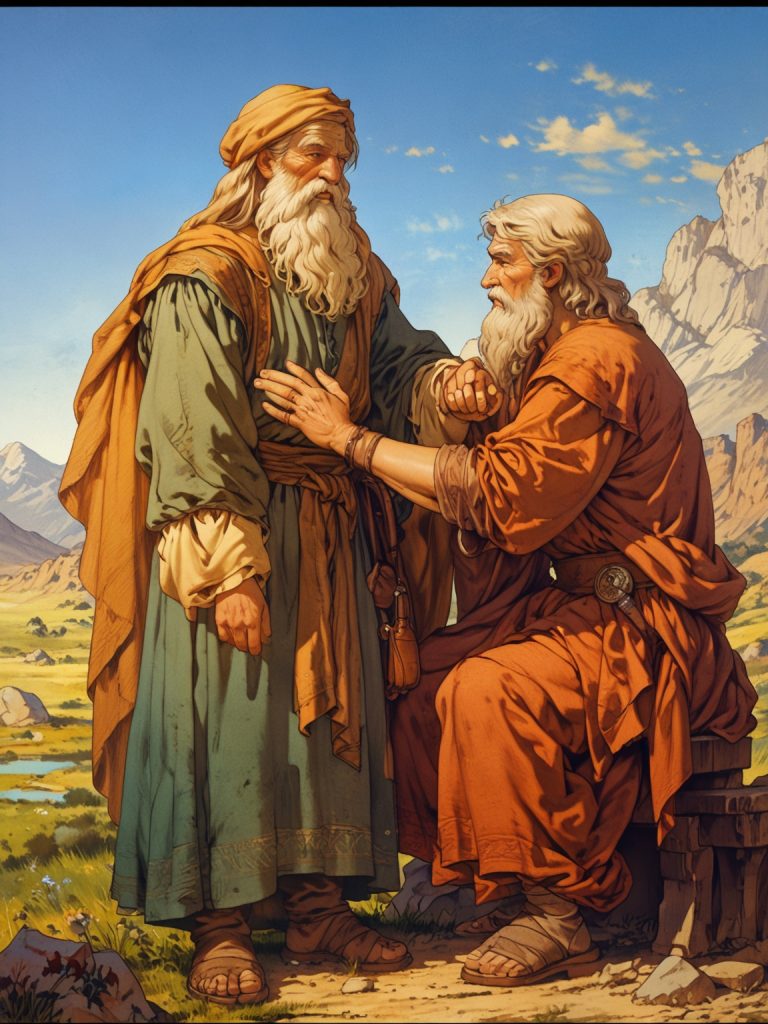
Verse 13: “Again Abraham bowed down before the people of the land and he said to Ephron in their hearing, ‘Listen to me, if you will. I will pay the price of the field. Accept it from me so I can bury my dead there.'”
Abraham, showing respect and humility, bows before the Hittites once more. He addresses Ephron directly, expressing his intent to purchase the field for Sarah’s burial. Abraham emphasizes his willingness to pay the full price for the land, demonstrating his commitment to honoring Sarah with a proper resting place.
Verse 14: “Ephron answered Abraham, ‘Listen to me, my lord; the land is worth four hundred shekels of silver, but what is that between you and me? Bury your dead.'”
Ephron responds graciously to Abraham’s offer. He acknowledges the value of the land, stating its worth as four hundred shekels of silver. However, Ephron shows generosity by suggesting that the financial transaction is insignificant compared to the importance of honoring Sarah’s memory with a burial.
Verse 15: “Abraham agreed to Ephron’s terms and weighed out for him the price he had named in the hearing of the Hittites: four hundred shekels of silver, according to the weight current among the merchants.”
Abraham accepts Ephron’s proposal with gratitude. He proceeds to weigh out the agreed-upon price of four hundred shekels of silver in front of the assembled Hittites. This public transaction ensures transparency and confirms Abraham’s rightful ownership of the field and cave of Machpelah for Sarah’s burial.
In this passage, we witness Abraham’s respectful negotiation and Ephron’s generous response. It reflects cultural customs of the time regarding property ownership and burial rites, illustrating the importance of honoring loved ones with dignity and respect. Abraham’s actions also demonstrate his faithfulness in fulfilling responsibilities even amid personal grief. As we reflect on this passage, we’re reminded of the value of honoring our loved ones and conducting ourselves with integrity and respect in all our dealings.
Genesis 23:17-20 NIV
So Ephron’s field in Machpelah near Mamre—both the field and the cave in it, and all the trees within the borders of the field—was deeded to Abraham as his property in the presence of all the Hittites who had come to the gate of the city. Afterward Abraham buried his wife Sarah in the cave in the field of Machpelah near Mamre (which is at Hebron) in the land of Canaan. So the field and the cave in it were deeded to Abraham by the Hittites as a burial site.
Genesis 23:17-20 NIV
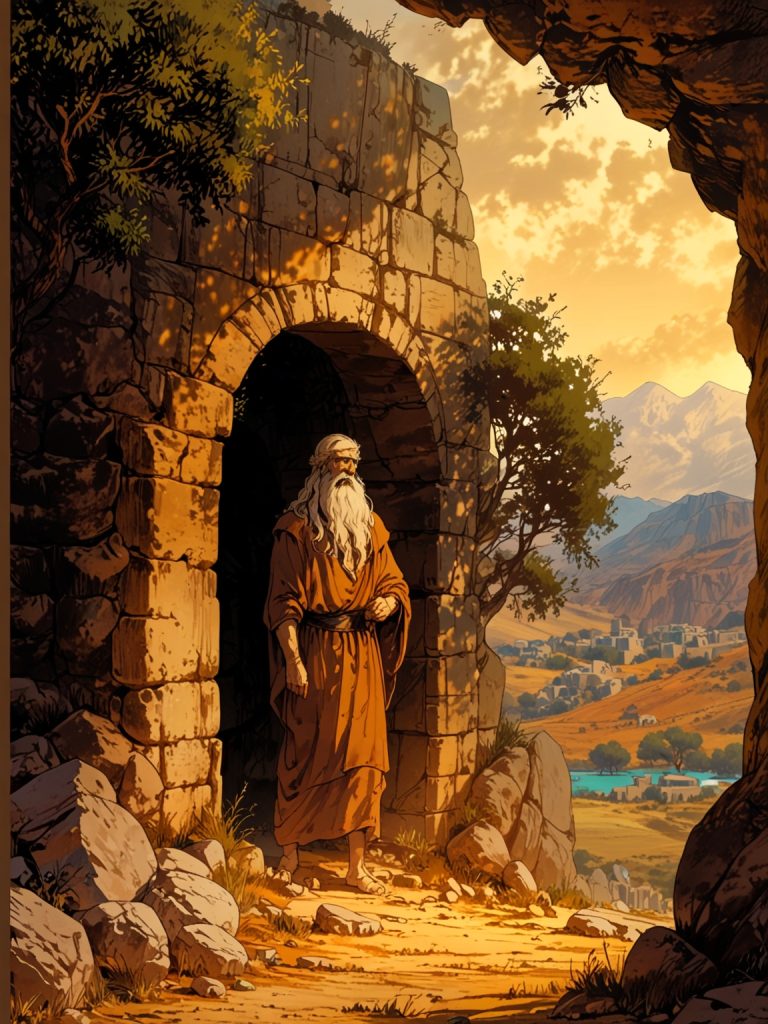
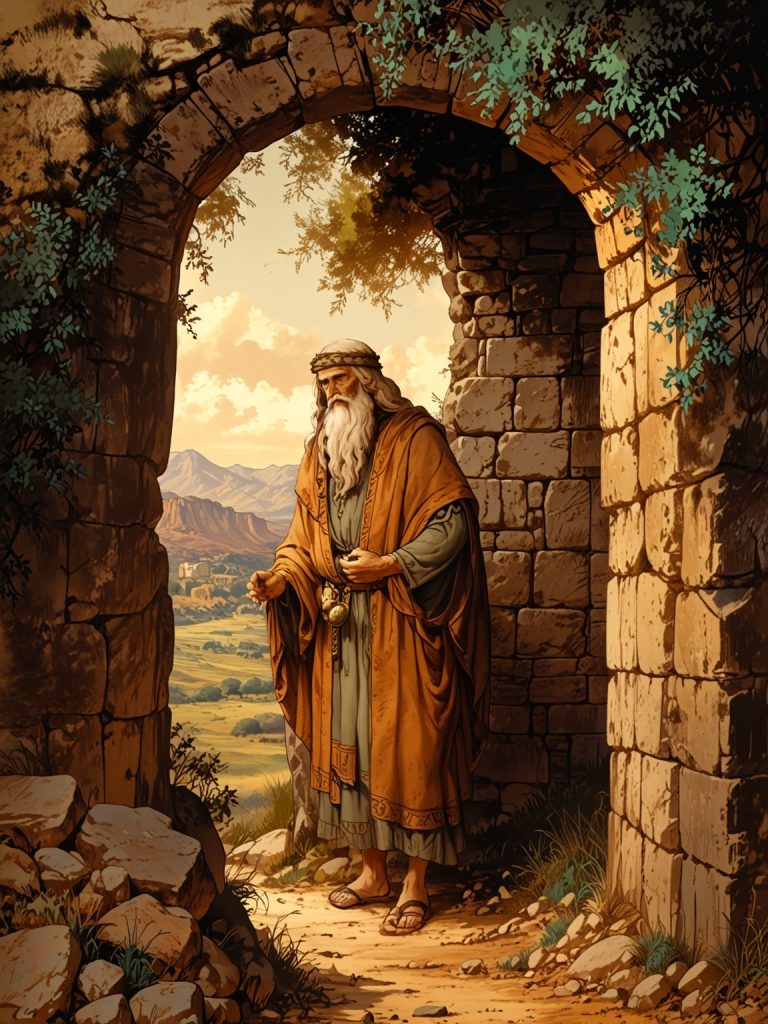
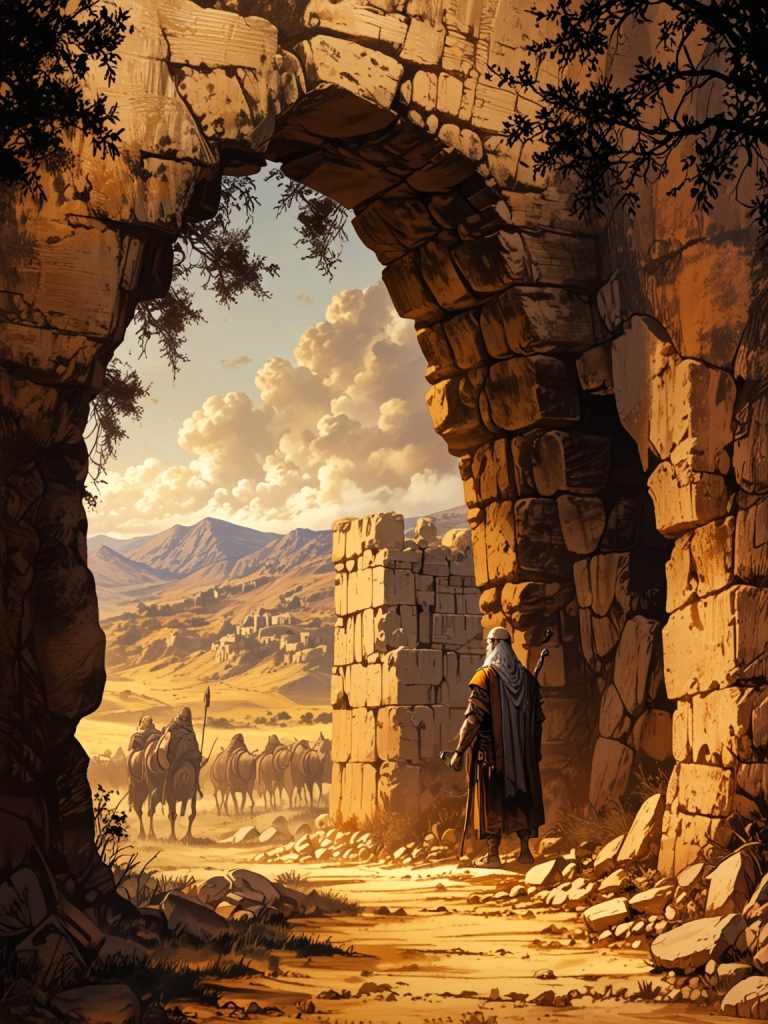
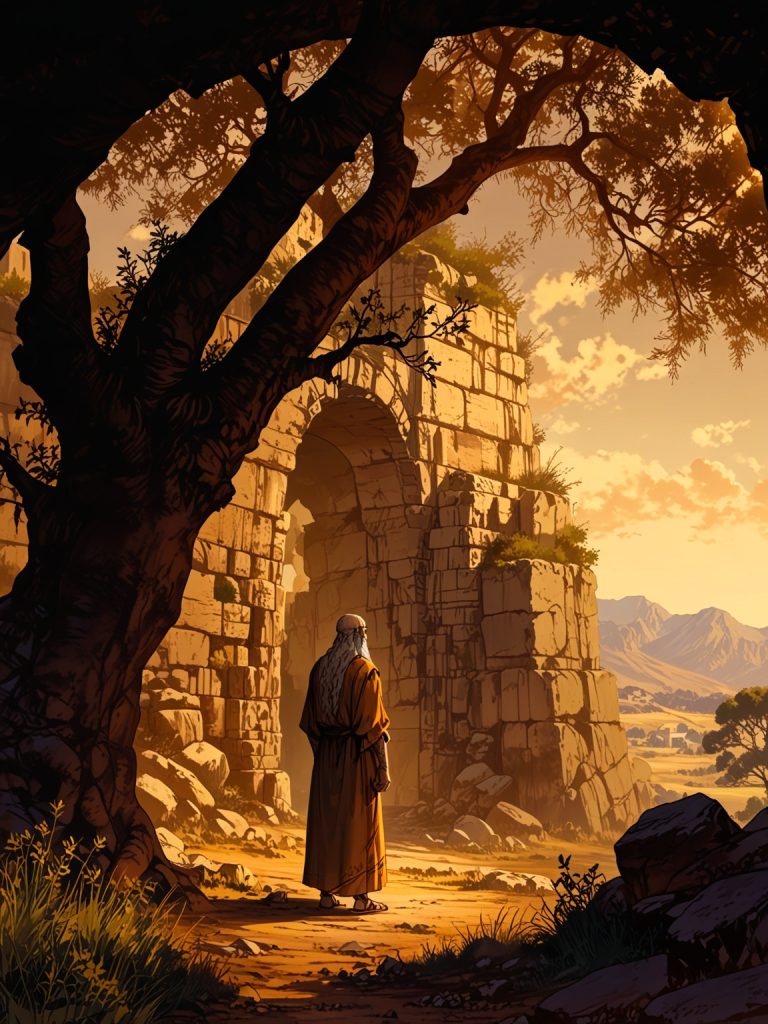
Verse 17: “So Ephron’s field in Machpelah near Mamre—both the field and the cave in it, and all the trees within the borders of the field—was deeded to Abraham as his property in the presence of all the Hittites who had come to the gate of the city.”
This verse marks the culmination of Abraham’s negotiation with Ephron and the Hittites. The entire field of Machpelah, including the cave within it and the surrounding trees, is formally transferred to Abraham. This transaction takes place publicly, at the city gate where legal matters and agreements were traditionally settled, ensuring witnesses and legitimacy.
Verse 18: “Afterward Abraham buried his wife Sarah in the cave in the field of Machpelah near Mamre (which is at Hebron) in the land of Canaan.”
With the ownership of the field secured, Abraham fulfills his promise to Sarah. He lays her to rest in the cave within the field of Machpelah. This act of burial holds deep significance, not only as a final farewell to Sarah but also as a symbolic affirmation of Abraham’s connection to the land of Canaan, which God promised to his descendants.
Verse 19: “So the field and the cave in it were deeded to Abraham by the Hittites as a burial site.”
This verse reiterates the legal transfer of the field and cave to Abraham by the Hittites. It emphasizes that this property is specifically designated as a burial site, underscoring the importance of honoring Sarah’s memory and maintaining familial ties to the land.
In this passage, we see Abraham’s journey of faith and obedience. His negotiation with Ephron and the Hittites exemplifies respect for local customs and the importance of proper burial practices. Abraham’s actions also highlight his trust in God’s promises regarding the land of Canaan. As we reflect on this narrative, we’re reminded of the value of honoring our loved ones and the significance of fulfilling commitments with integrity and respect.
In Genesis 23, we witness Abraham’s poignant journey as he secures a burial site for his beloved wife Sarah. Through respectful negotiation with the Hittites, Abraham acquires the field of Machpelah, ensuring Sarah’s dignified burial in Canaan, the land promised to his descendants by God. This narrative reflects Abraham’s faithfulness, cultural sensitivity, and deep love for Sarah, underscoring the importance of honoring family and fulfilling commitments with integrity.
Explore more Bible chapters like Genesis 23 on Moralisee.com, where you’ll find beautifully AI-generated images that bring these timeless stories to life. Delve deeper into the narratives that shape our faith and discover new perspectives that illuminate the richness of biblical teachings. Visit Moralisee.com today to experience these visually stunning representations and deepen your understanding of scripture.


