

Genesis 22:1-2 NIV
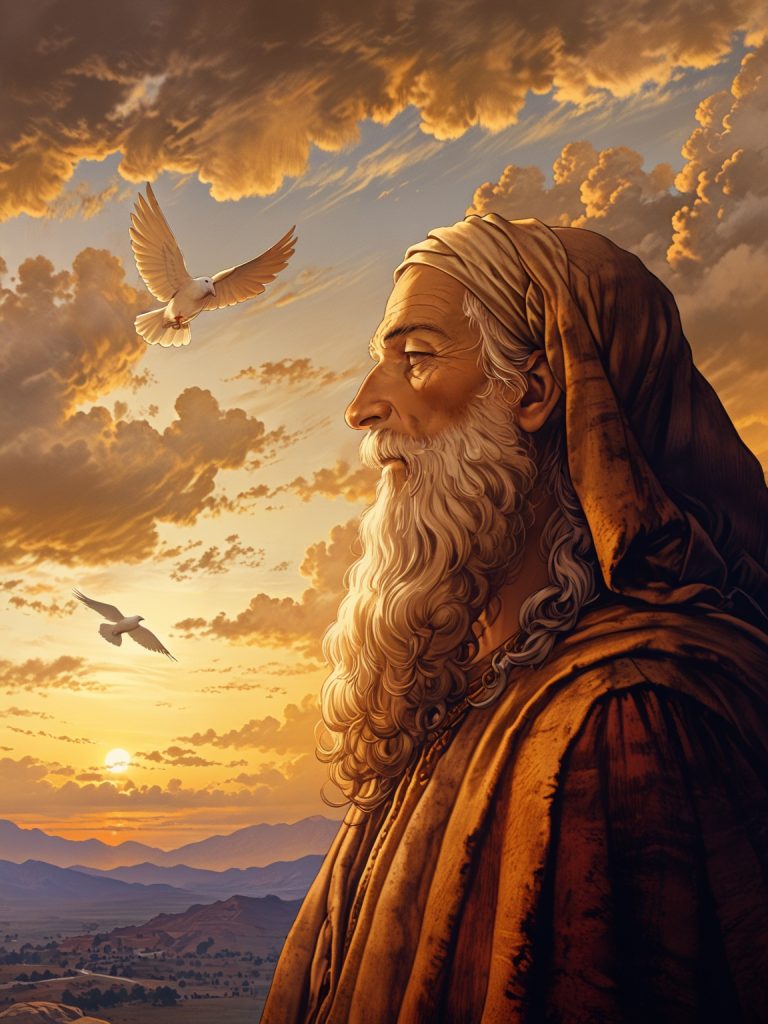
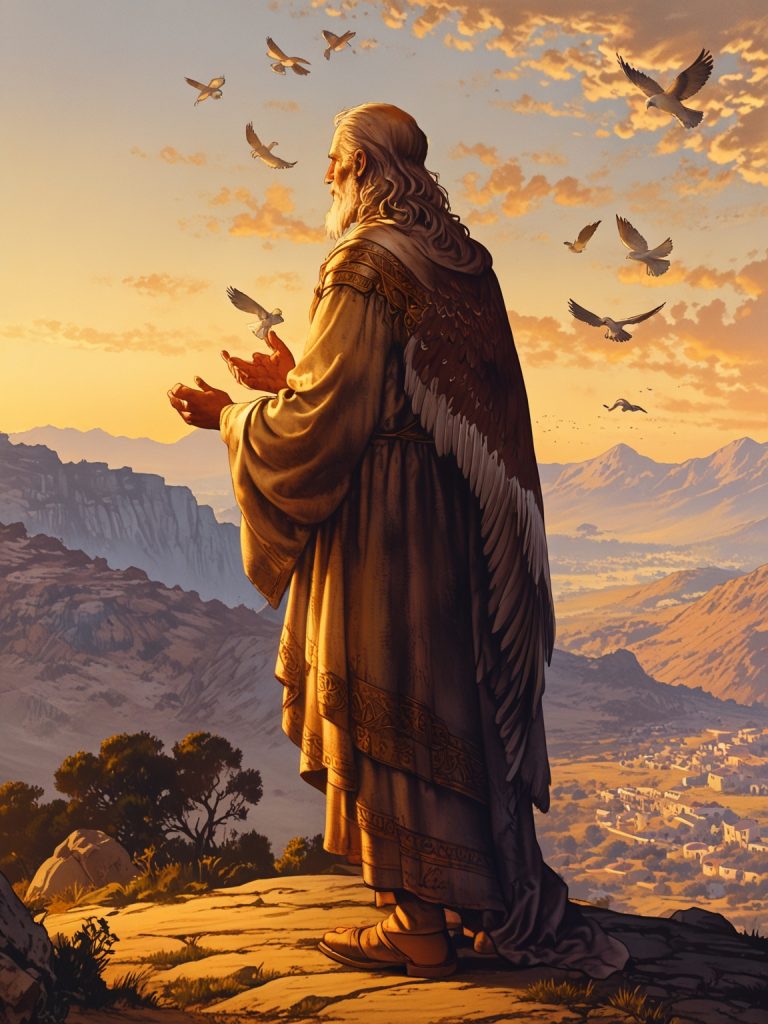
Some time later God tested Abraham. He said to him, “Abraham!”
“Here I am,” he replied.
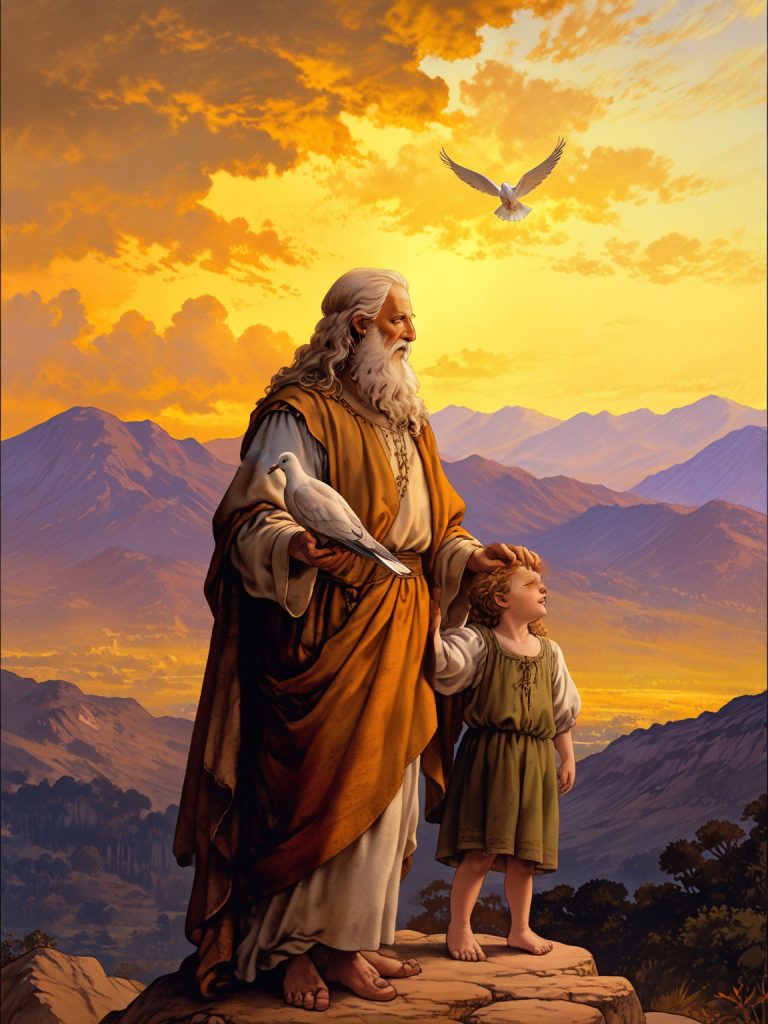
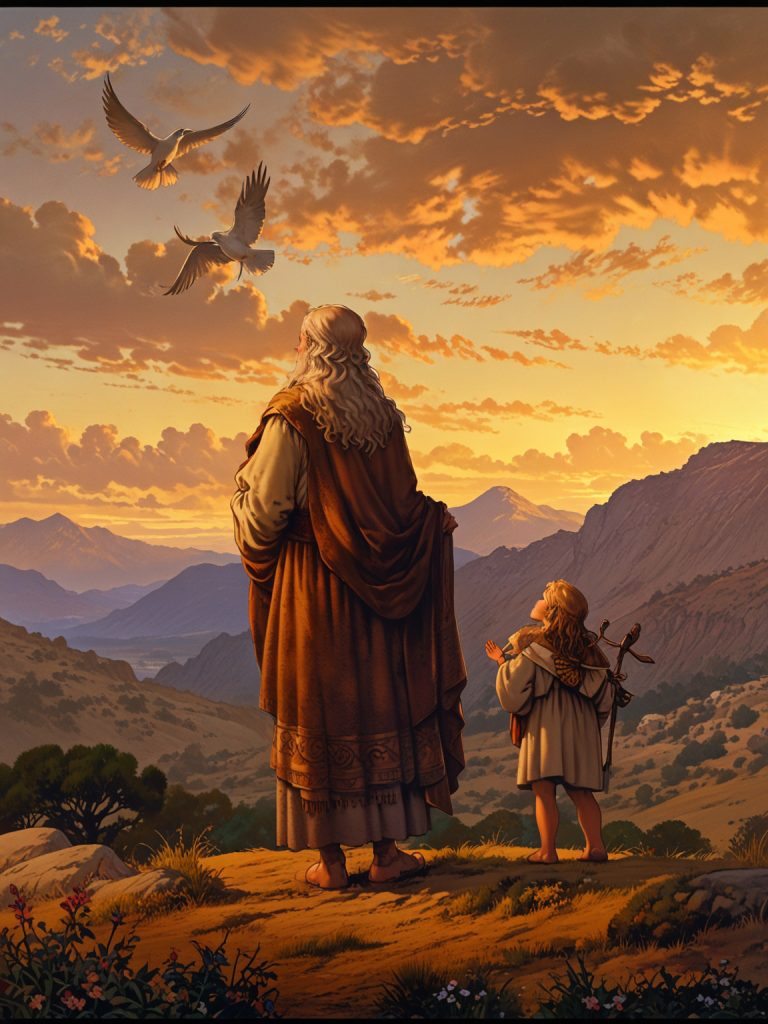
Then God said, “Take your son, your only son, whom you love—Isaac—and go to the region of Moriah. Sacrifice him there as a burnt offering on a mountain I will show you.”
Genesis 22:1-2 NIV
Verse 1:
“Some time later God tested Abraham. He said to him, ‘Abraham!’ ‘Here I am,’ he replied.”
This opening sets the stage for a profound test of faith. God calls out to Abraham, who responds immediately, showing his readiness to listen and obey.
Verse 2:
“Then God said, ‘Take your son, your only son, whom you love—Isaac—and go to the region of Moriah. Sacrifice him there as a burnt offering on a mountain I will show you.'”
Here, God’s command is strikingly specific and deeply challenging. He instructs Abraham to sacrifice Isaac, the son whom Abraham had received as a miraculous promise from God in his old age (Genesis 21:1-7). This command not only tests Abraham’s willingness to obey but also probes the depths of his love and trust in God.
Understanding the Test:
This test is often seen as a pivotal moment in Abraham’s journey of faith. It presents a profound moral and theological challenge. Abraham, known for his faithfulness and obedience, faces the ultimate trial: sacrificing his beloved son, through whom God had promised to establish a great nation (Genesis 21:12). The command to sacrifice Isaac appears contradictory to God’s promise, but it compels Abraham to wrestle with the nature of divine commands and the depths of his faith.
Contextual Insights:
- God’s Sovereignty and Testing: God tests Abraham to reveal the depth and sincerity of his faith. Testing, in biblical context, serves not to tempt but to refine and demonstrate faith (James 1:2-3).
- Abraham’s Response: Abraham’s immediate obedience without protest or negotiation illustrates his faith in God’s wisdom and sovereignty (Hebrews 11:17-19). His response of “Here I am” signifies readiness to submit to God’s will.
This passage prompts reflection on our own obedience and trust in God’s plans, especially in moments of testing and uncertainty. It challenges us to consider whether we truly prioritize God above all else, even our most cherished blessings. Through Abraham’s example, we are encouraged to deepen our faith, trusting that God’s purposes, though sometimes mysterious, are rooted in His love and wisdom.
Genesis 22:3-5 NIV
Early the next morning Abraham got up and loaded his donkey. He took with him two of his servants and his son Isaac. When he had cut enough wood for the burnt offering, he set out for the place God had told him about. On the third day Abraham looked up and saw the place in the distance. He said to his servants, “Stay here with the donkey while I and the boy go over there. We will worship and then we will come back to you.”
Genesis 22:3-5 NIV
Verse 3:
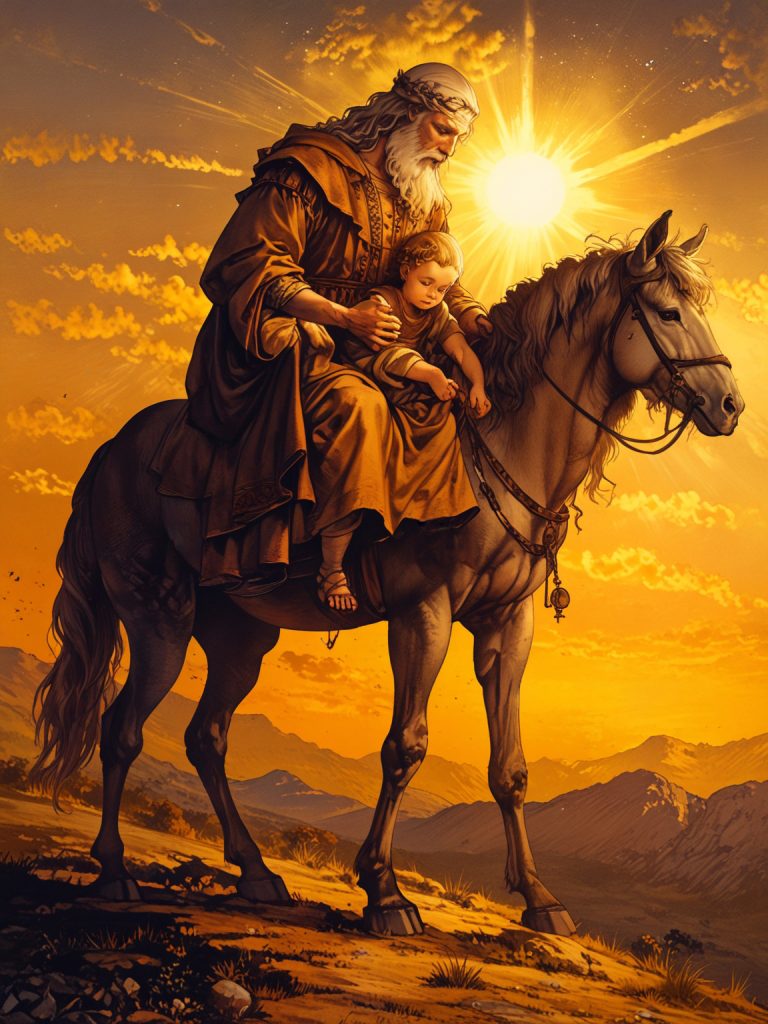
“Early the next morning Abraham got up and loaded his donkey. He took with him two of his servants and his son Isaac. When he had cut enough wood for the burnt offering, he set out for the place God had told him about.”
Abraham’s immediate obedience is striking. Early in the morning, he prepares for the journey as God commanded. He takes with him Isaac, whom he intends to sacrifice, along with two servants and enough wood for the offering. This demonstrates Abraham’s determination to follow through with God’s command, even though it must have been agonizing and deeply challenging for him.
Verse 4:
“On the third day Abraham looked up and saw the place in the distance.”
After traveling for three days, Abraham sees the place God had designated for the sacrifice. This passage underscores the gravity of the journey—each step bringing him closer to the moment of truth where his faith and obedience to God will be tested to the fullest.
Verse 5:
“He said to his servants, ‘Stay here with the donkey while I and the boy go over there. We will worship and then we will come back to you.'”
Here, Abraham displays remarkable faith and trust in God’s ultimate plan. He instructs his servants to wait while he and Isaac proceed to the designated place of sacrifice. Abraham’s statement, “We will worship and then we will come back to you,” is particularly significant. It reveals his unwavering belief that somehow, despite the command to sacrifice Isaac, both he and his son will return. This statement reflects Abraham’s confidence in God’s promise that Isaac would be the heir through whom his descendants would come (Genesis 21:12).
Understanding Abraham’s Faith:
Abraham’s journey to Moriah exemplifies extraordinary faith and obedience. His actions illustrate a profound trust in God’s wisdom and goodness, even when faced with a command that seems incomprehensible and contradictory. Abraham’s obedience serves as a powerful example of surrendering one’s will to God’s, even in the most challenging circumstances.
This passage challenges us to examine our own faith and obedience to God. It prompts us to consider whether we are willing to trust God completely, even when His plans for us seem difficult or unclear. Like Abraham, we are encouraged to believe that God’s promises are true and His purposes are ultimately for our good, even when we cannot fully understand His ways.
Genesis 22:6-12 NIV
Abraham took the wood for the burnt offering and placed it on his son Isaac, and he himself carried the fire and the knife. As the two of them went on together, Isaac spoke up and said to his father Abraham, “Father?”
“Yes, my son?” Abraham replied.
“The fire and wood are here,” Isaac said, “but where is the lamb for the burnt offering?”
Abraham answered, “God himself will provide the lamb for the burnt offering, my son.” And the two of them went on together.
When they reached the place God had told him about, Abraham built an altar there and arranged the wood on it. He bound his son Isaac and laid him on the altar, on top of the wood. Then he reached out his hand and took the knife to slay his son. But the angel of the Lord called out to him from heaven, “Abraham! Abraham!”
“Here I am,” he replied.
“Do not lay a hand on the boy,” he said. “Do not do anything to him. Now I know that you fear God, because you have not withheld from me your son, your only son.”
Genesis 22:6-12 NIV
Verse 6:
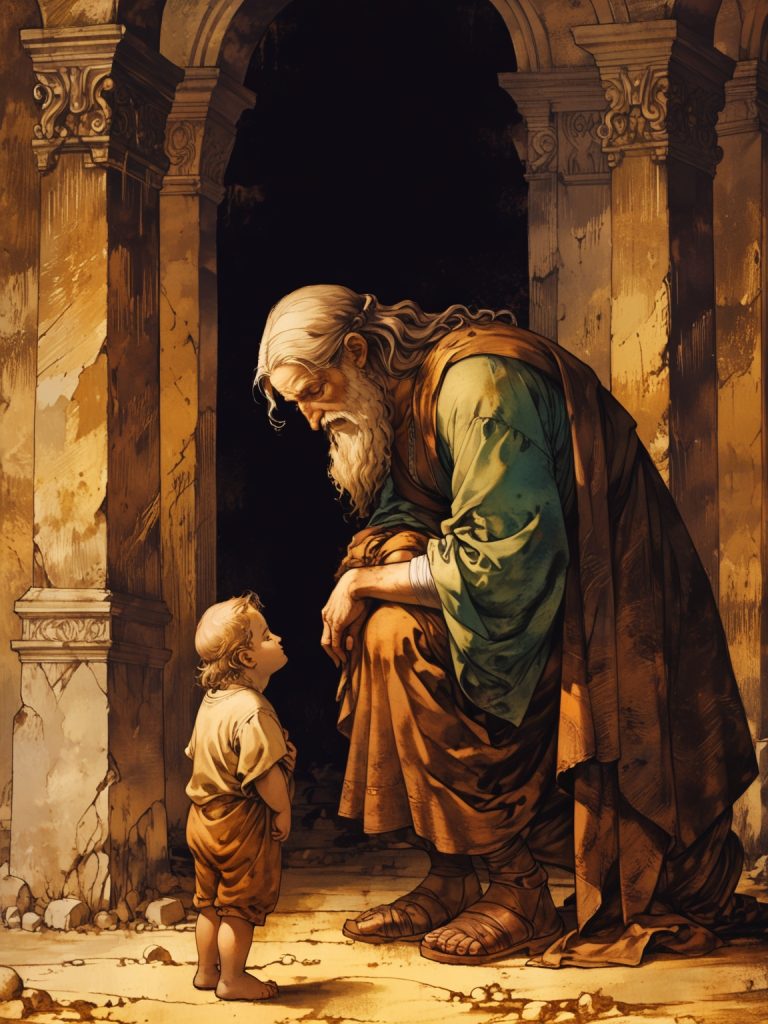
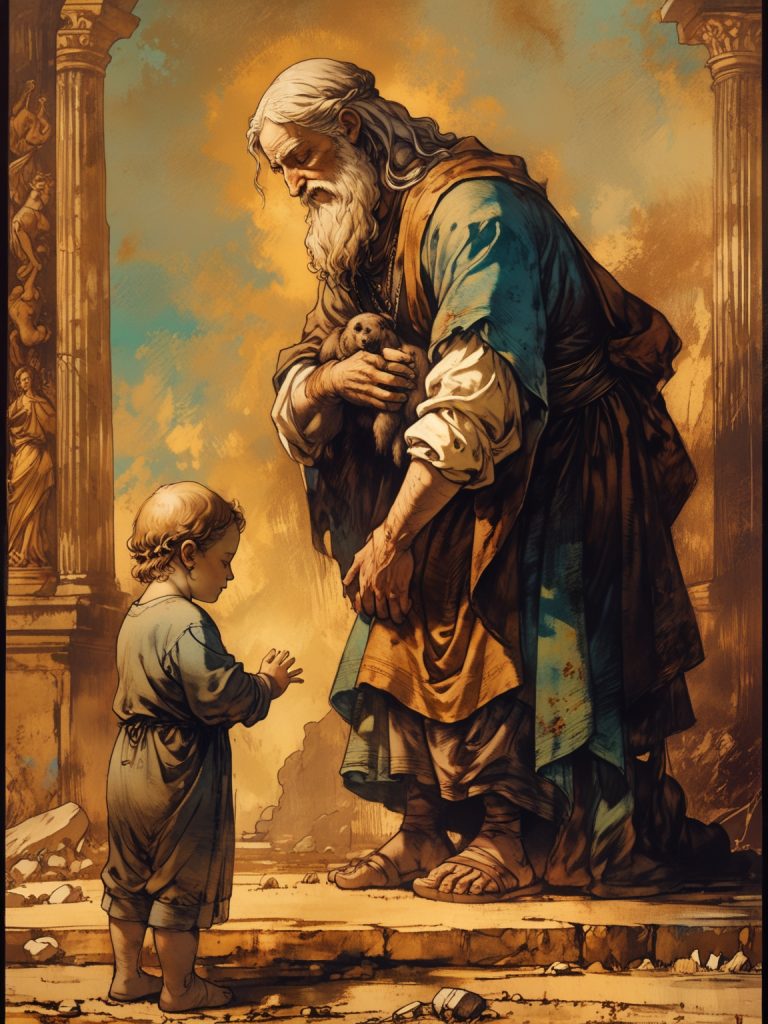
“Abraham took the wood for the burnt offering and placed it on his son Isaac, and he himself carried the fire and the knife. As the two of them went on together,”
This verse depicts Abraham’s obedience and preparation for the sacrifice. He places the wood on Isaac, symbolizing the weight of the impending sacrifice, while he carries the tools needed for the offering. This action underscores Abraham’s resolve and commitment to follow through with God’s command.
Verse 7:
“Isaac spoke up and said to his father Abraham, ‘Father?’ ‘Yes, my son?’ Abraham replied. ‘The fire and wood are here,’ Isaac said, ‘but where is the lamb for the burnt offering?'”
Isaac’s innocent question reveals his awareness of the customary components needed for a sacrifice. His inquiry about the lamb foreshadows the pivotal moment when God will provide the sacrificial substitute, highlighting Isaac’s trust in his father and God’s provision.
Verse 8:
“Abraham answered, ‘God himself will provide the lamb for the burnt offering, my son.’ And the two of them went on together.”
Abraham’s response reflects deep faith and trust in God’s provision. He assures Isaac that God will supply the lamb for the sacrifice, indicating Abraham’s confidence in God’s faithfulness to His promises.
Verse 9:
“When they reached the place God had told him about, Abraham built an altar there and arranged the wood on it. He bound his son Isaac and laid him on the altar, on top of the wood.”
Arriving at the designated place, Abraham proceeds with obedience. He builds an altar, carefully arranges the wood, and then binds Isaac, preparing to carry out God’s command despite the profound emotional and spiritual turmoil this must have caused him.
Verse 10:
“Then he reached out his hand and took the knife to slay his son.”
In this climactic moment, Abraham, with unwavering faith, prepares to sacrifice his beloved son, demonstrating ultimate obedience and submission to God’s will.
Verse 11-12:
“But the angel of the Lord called out to him from heaven, ‘Abraham! Abraham!’ ‘Here I am,’ he replied. ‘Do not lay a hand on the boy,’ he said. ‘Do not do anything to him. Now I know that you fear God, because you have not withheld from me your son, your only son.'”
God intervenes dramatically, preventing Abraham from carrying out the sacrifice. The angel praises Abraham’s fear of God, acknowledging his willingness to obey even to the point of sacrificing Isaac, his promised and beloved son.
Understanding the Passage:
Genesis 22:6-12 is a profound narrative of faith, obedience, and God’s provision. It presents a test of Abraham’s faith and obedience, illustrating his unwavering trust in God’s promises and sovereignty. Through this event, Abraham becomes a model of faith for believers, demonstrating the importance of complete trust in God, even in the face of unimaginable challenges.
Application Today:
This passage challenges us to reflect on our own obedience and trust in God’s plan for our lives. It encourages us to rely on God’s provision and sovereignty, even when circumstances seem difficult or unclear. Like Abraham, we are called to trust in God’s faithfulness and to obey His commands wholeheartedly, knowing that He is always with us, guiding and providing according to His perfect will.
Genesis 22:13-19 NIV
Abraham looked up and there in a thicket he saw a ram caught by its horns. He went over and took the ram and sacrificed it as a burnt offering instead of his son. So Abraham called that place The Lord Will Provide. And to this day it is said, “On the mountain of the Lord it will be provided.”
The angel of the Lord called to Abraham from heaven a second time and said, “I swear by myself, declares the Lord, that because you have done this and have not withheld your son, your only son, I will surely bless you and make your descendants as numerous as the stars in the sky and as the sand on the seashore. Your descendants will take possession of the cities of their enemies, and through your offspring all nations on earth will be blessed, because you have obeyed me.”
Then Abraham returned to his servants, and they set off together for Beersheba. And Abraham stayed in Beersheba.
Genesis 22:13-19 NIV
Verse 13:
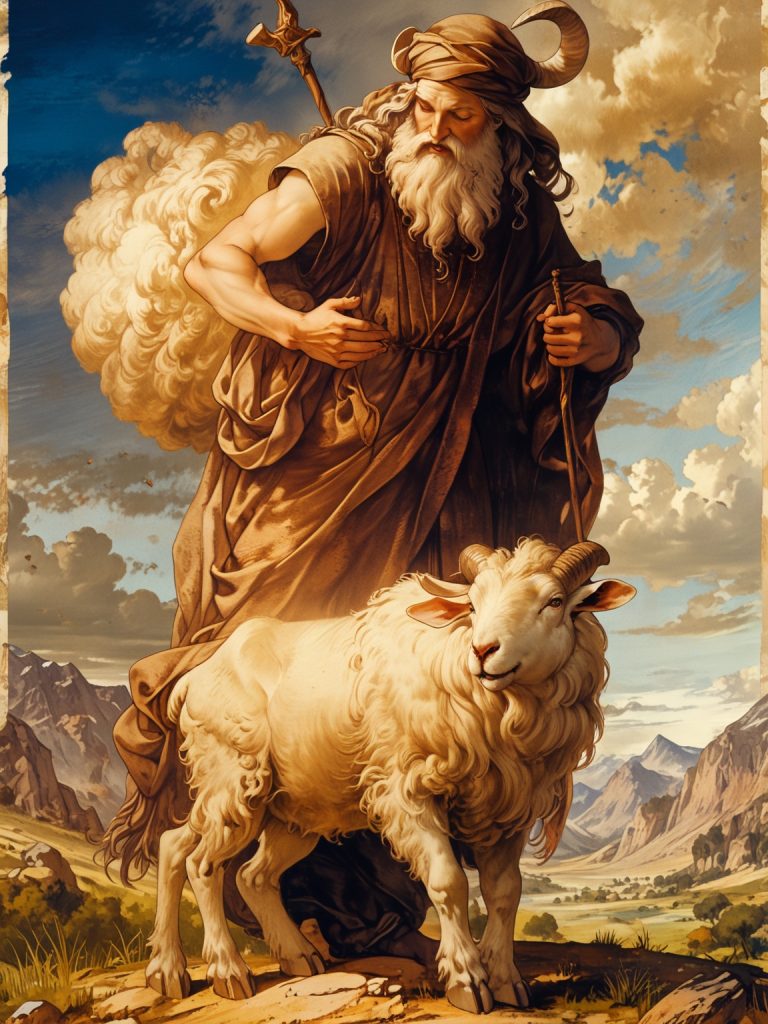
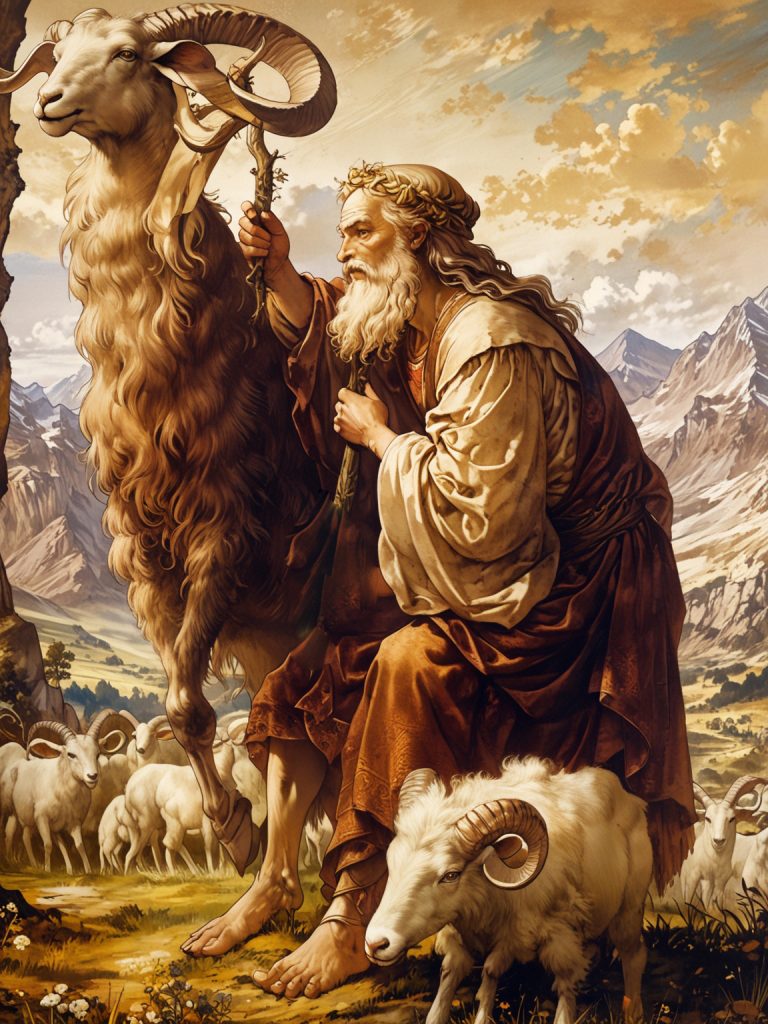
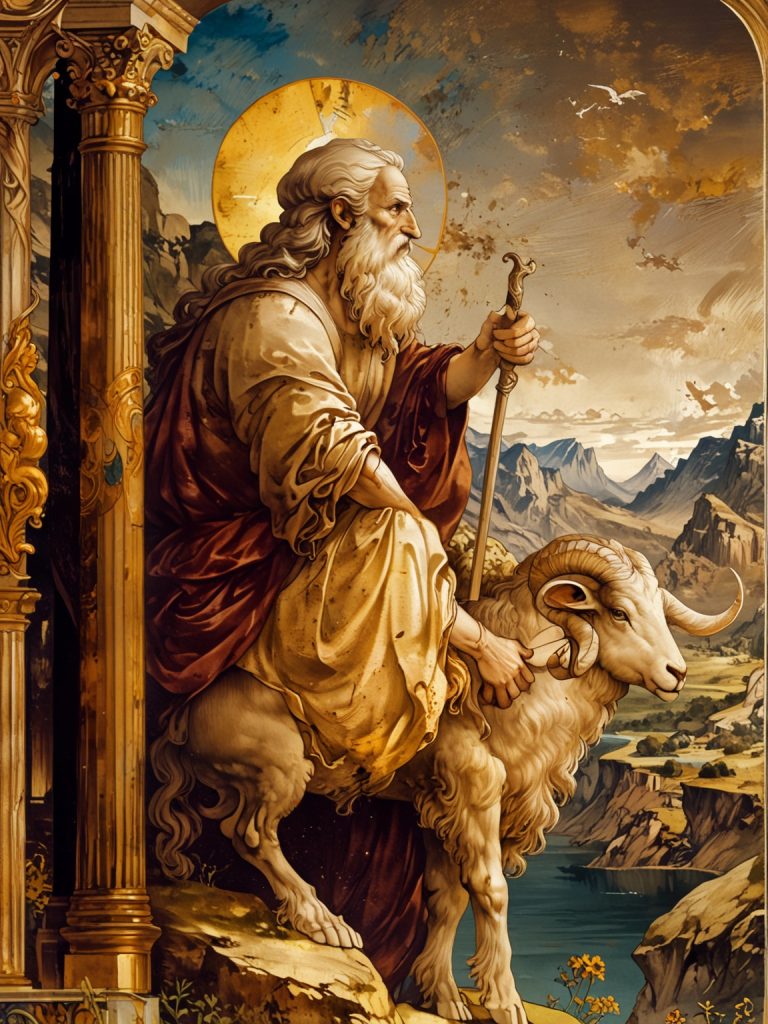
“Abraham looked up and there in a thicket he saw a ram caught by its horns. He went over and took the ram and sacrificed it as a burnt offering instead of his son.”
After God provided a ram caught in the thicket, Abraham sacrificed it in place of Isaac. This act demonstrated Abraham’s obedience and faith, trusting God’s provision even in the most challenging circumstances.
Verse 14:
“So Abraham called that place The Lord Will Provide. And to this day it is said, ‘On the mountain of the Lord it will be provided.'”
Moved by God’s provision, Abraham named the place “The Lord Will Provide” (Jehovah Jireh). This name commemorates God’s faithfulness in providing exactly what was needed for the sacrifice. It serves as a reminder that God’s provision is always timely and sufficient in our lives.
Verse 15:
“The angel of the Lord called to Abraham from heaven a second time”
God’s intervention continues as the angel of the Lord calls out to Abraham, signaling a divine interaction and affirmation of God’s plan.
Verse 16:
“and said, ‘I swear by myself, declares the Lord, that because you have done this and have not withheld your son, your only son,'”
God, speaking with solemnity, declares an oath upon Himself. This underscores the significance of Abraham’s obedience in not withholding his son, Isaac, whom God promised would be the bearer of many descendants.
Verse 17:
“‘I will surely bless you and make your descendants as numerous as the stars in the sky and as the sand on the seashore. Your descendants will take possession of the cities of their enemies,'”
In response to Abraham’s unwavering obedience, God promises abundant blessings. His descendants are promised to be countless, possessing the lands of their adversaries—an affirmation of the covenant blessings previously given to Abraham.
Verse 18:
“‘and through your offspring all nations on earth will be blessed, because you have obeyed me.'”
God reaffirms His covenant with Abraham, stating that through his descendants, all nations will be blessed. This blessing ultimately points to the coming of Jesus Christ, who would bless the entire world through His sacrifice.
Verse 19:
“Then Abraham returned to his servants, and they set off together for Beersheba. And Abraham stayed in Beersheba.”
After the profound encounter with God, Abraham returns to his servants, and together they journey to Beersheba. This marks the conclusion of the testing of Abraham’s faith and the confirmation of God’s covenant promises.
Understanding the Passage:
Genesis 22:13-19 is a pivotal passage highlighting Abraham’s unwavering faith and obedience to God. It underscores God’s faithfulness in providing exactly what is needed at the right time and reaffirms His covenant promises of blessing through Abraham’s descendants.
This passage encourages believers to trust in God’s provision and to obey His commands, even in difficult circumstances. It reminds us that God’s promises are sure and that His blessings extend to all who faithfully follow Him.
Genesis 22:20-24 NIV
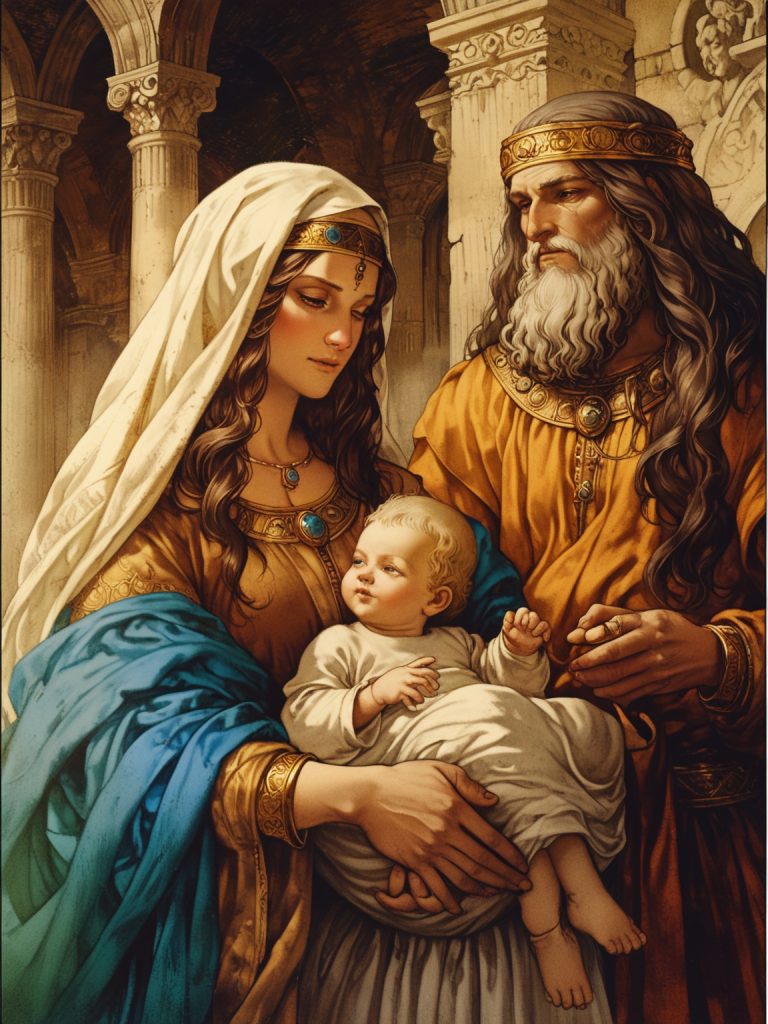
Some time later Abraham was told, “Milkah is also a mother; she has borne sons to your brother Nahor: Uz the firstborn, Buz his brother, Kemuel (the father of Aram), Kesed, Hazo, Pildash, Jidlaph and Bethuel.” Bethuel became the father of Rebekah. Milkah bore these eight sons to Abraham’s brother Nahor. His concubine, whose name was Reumah, also had sons: Tebah, Gaham, Tahash and Maakah.
Genesis 22:20-24 NIV
Verse 20:
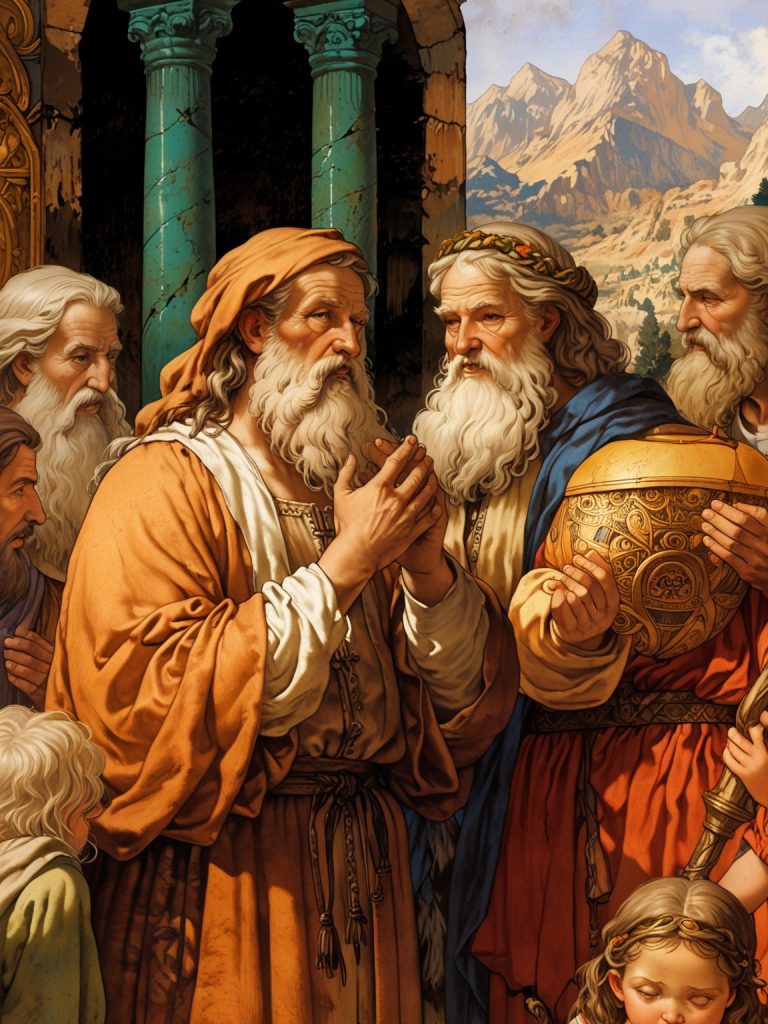
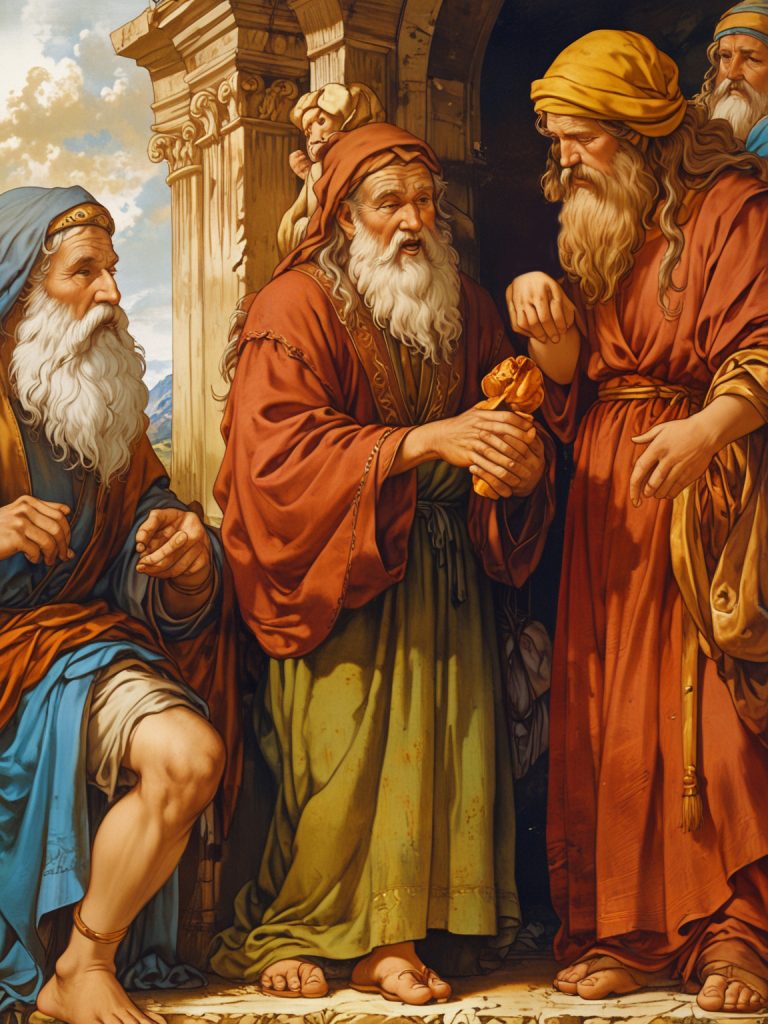
“Some time later Abraham was told, ‘Milcah is also a mother; she has borne sons to your brother Nahor: Uz the firstborn, Buz his brother, Kemuel (the father of Aram), Kesed, Hazo, Pildash, Jidlaph, and Bethuel.'”
After the intense events of Genesis 22, the narrative shifts to family news concerning Abraham’s brother Nahor. Milcah, Nahor’s wife, gives birth to several sons: Uz, Buz, Kemuel (who becomes the father of Aram), Kesed, Hazo, Pildash, Jidlaph, and Bethuel. This list establishes the lineage and descendants of Nahor, connecting them to Abraham’s broader family tree.
Verse 23:
“Bethuel became the father of Rebekah. Milcah bore these eight sons to Abraham’s brother Nahor.”
Among Nahor’s sons, Bethuel is highlighted as the father of Rebekah. This detail foreshadows Rebekah’s significant role in later narratives, particularly in relation to Isaac and the continuation of God’s covenant promises.
Verse 24:
“His concubine, whose name was Reumah, also had sons: Tebah, Gaham, Tahash, and Maakah.”
In addition to Milcah, Nahor’s concubine Reumah also bears sons: Tebah, Gaham, Tahash, and Maakah. This verse further details Nahor’s family and descendants, illustrating the continuation of lineage and familial relationships within Abraham’s extended household.
Genesis 22:20-24 provides a genealogical account that connects Abraham’s family to his brother Nahor’s descendants. It sets the stage for future narratives involving Rebekah and highlights the fulfillment of God’s promises through the continuation of lineage and family heritage.
This passage encourages reflection on the importance of family and lineage in God’s unfolding plan. It reminds believers of the significance of God’s covenant promises passed down through generations and the role each individual plays in God’s greater story of redemption.
In summary, Genesis 22 unfolds as a profound test of Abraham’s faith, showcasing his willingness to obey God even in the most challenging circumstances. Through Abraham’s unwavering obedience, God demonstrates His faithfulness by providing a ram for sacrifice and reaffirming His covenant blessings. This chapter serves as a powerful reminder of God’s provision and the importance of trusting His plan.
Experience these timeless biblical narratives like never before at Moralisee.com, where each chapter is brought to life with beautifully AI-generated images. Dive into the stories of faith, courage, and divine intervention, and discover a new perspective on the scriptures through captivating visual representations.


