

Genesis 20:1-2 NIV
Now Abraham moved on from there into the region of the Negev and lived between Kadesh and Shur. For a while he stayed in Gerar, and there Abraham said of his wife Sarah, “She is my sister.” Then Abimelek king of Gerar sent for Sarah and took her.
Genesis 20:1-2 NIV

Verse 1:
“Now Abraham moved on from there into the region of the Negev and lived between Kadesh and Shur. For a while he stayed in Gerar,”
Here we see Abraham, a central figure in the Bible, continuing his journey. The Negev is a desert region, and moving between Kadesh and Shur means Abraham was traveling through a land that was largely uninhabited and challenging. Gerar was a Philistine city, and it is here that Abraham decides to stay for a time. This verse highlights Abraham’s nomadic lifestyle and his reliance on God’s guidance through uncertain and often difficult terrains.
Verse 2:
“and there Abraham said of his wife Sarah, ‘She is my sister.’ Then Abimelek king of Gerar sent for Sarah and took her.”
This verse introduces a significant moment of tension and moral complexity. Abraham, fearing for his life, tells the people of Gerar that Sarah is his sister. This is not the first time Abraham has done this; earlier in Genesis, he made a similar claim in Egypt. Abraham’s fear was that, because Sarah was beautiful, he would be killed so that someone could take her as a wife. By saying she was his sister, he hoped to protect himself.
However, this leads to King Abimelek taking Sarah into his household, believing she is available to be taken as a wife. This action sets the stage for God’s intervention to protect Sarah and ensure the fulfillment of His promises to Abraham and Sarah.
Reflection:
These verses remind us of the complex human emotions and fears even the great patriarchs experienced. Abraham, a man of faith, still struggled with fear and made choices that might seem questionable. However, through these stories, we see God’s faithfulness and protective hand over His people. Despite Abraham’s imperfect actions, God remains committed to His promises, guiding and protecting Abraham and Sarah.
This passage also challenges us to consider our own actions and fears. How often do we make decisions based on fear rather than trust in God? It encourages us to bring our fears to God, trusting that He is always in control and will guide us through our own ‘desert’ experiences.
Genesis 20:3-7 NIV
But God came to Abimelek in a dream one night and said to him, “You are as good as dead because of the woman you have taken; she is a married woman.”
Now Abimelek had not gone near her, so he said, “Lord, will you destroy an innocent nation? Did he not say to me, ‘She is my sister,’ and didn’t she also say, ‘He is my brother’? I have done this with a clear conscience and clean hands.”
Then God said to him in the dream, “Yes, I know you did this with a clear conscience, and so I have kept you from sinning against me. That is why I did not let you touch her. Now return the man’s wife, for he is a prophet, and he will pray for you and you will live. But if you do not return her, you may be sure that you and all who belong to you will die.”
Genesis 20:3-7 NIV

Verse 3: “But God came to Abimelek in a dream one night and said to him, ‘You are as good as dead because of the woman you have taken; she is a married woman.'”
Here, we see God directly intervening in the situation by speaking to Abimelek in a dream. This shows us that God is aware of what is happening and takes action to protect Sarah and uphold His moral laws. By telling Abimelek that he is “as good as dead,” God is emphasizing the seriousness of the situation, since taking another man’s wife was a grave offense.
Verse 4: “Now Abimelek had not gone near her, so he said, ‘Lord, will you destroy an innocent nation?'”
Abimelek defends himself by pointing out that he had not touched Sarah. He appeals to God’s justice, asking if God would destroy a nation that is innocent. This plea shows that Abimelek has a sense of justice and recognizes God’s authority.
Verse 5: “‘Did he not say to me, “She is my sister,” and didn’t she also say, “He is my brother”? I have done this with a clear conscience and clean hands.'”
Abimelek explains that both Abraham and Sarah misled him by claiming to be siblings. He insists that he acted in good faith, without any intention to sin, which demonstrates his honesty and the integrity of his actions.
Verse 6: “Then God said to him in the dream, ‘Yes, I know you did this with a clear conscience, and so I have kept you from sinning against me. That is why I did not let you touch her.'”
God acknowledges Abimelek’s innocence and reveals that it was by divine intervention that he was prevented from committing sin. This verse shows God’s protective nature and His control over situations to ensure His will is done and His people are safeguarded.
Verse 7: “‘Now return the man’s wife, for he is a prophet, and he will pray for you and you will live. But if you do not return her, you may be sure that you and all who belong to you will die.'”
God instructs Abimelek to return Sarah to Abraham, who is described as a prophet. God promises that Abraham will pray for Abimelek, ensuring his survival. However, there is a stern warning that failure to comply will result in death for Abimelek and his household. This underscores the seriousness of the command and the consequences of disobedience.
Reflection: This passage illustrates several important themes: God’s justice, His protection over His chosen people, and His willingness to intervene directly in human affairs. It also highlights the importance of acting with integrity and the need to correct mistakes when they are revealed. Abimelek’s situation serves as a reminder that even when we are misled, our intentions and actions matter to God, and He can guide us to do the right thing.
It’s a call to trust in God’s guidance, seek His justice, and act with a clear conscience. It reminds us that God sees the intentions of our hearts and is involved in our lives, even when we face complex and challenging situations.
Genesis 20:8-13 NIV
Early the next morning Abimelek summoned all his officials, and when he told them all that had happened, they were very much afraid. Then Abimelek called Abraham in and said, “What have you done to us? How have I wronged you that you have brought such great guilt upon me and my kingdom? You have done things to me that should never be done.” And Abimelek asked Abraham, “What was your reason for doing this?”
Abraham replied, “I said to myself, ‘There is surely no fear of God in this place, and they will kill me because of my wife.’ Besides, she really is my sister, the daughter of my father though not of my mother; and she became my wife. And when God had me wander from my father’s household, I said to her, ‘This is how you can show your love to me: Everywhere we go, say of me, “He is my brother.” ’ ”
Genesis 20:8-13 NIV
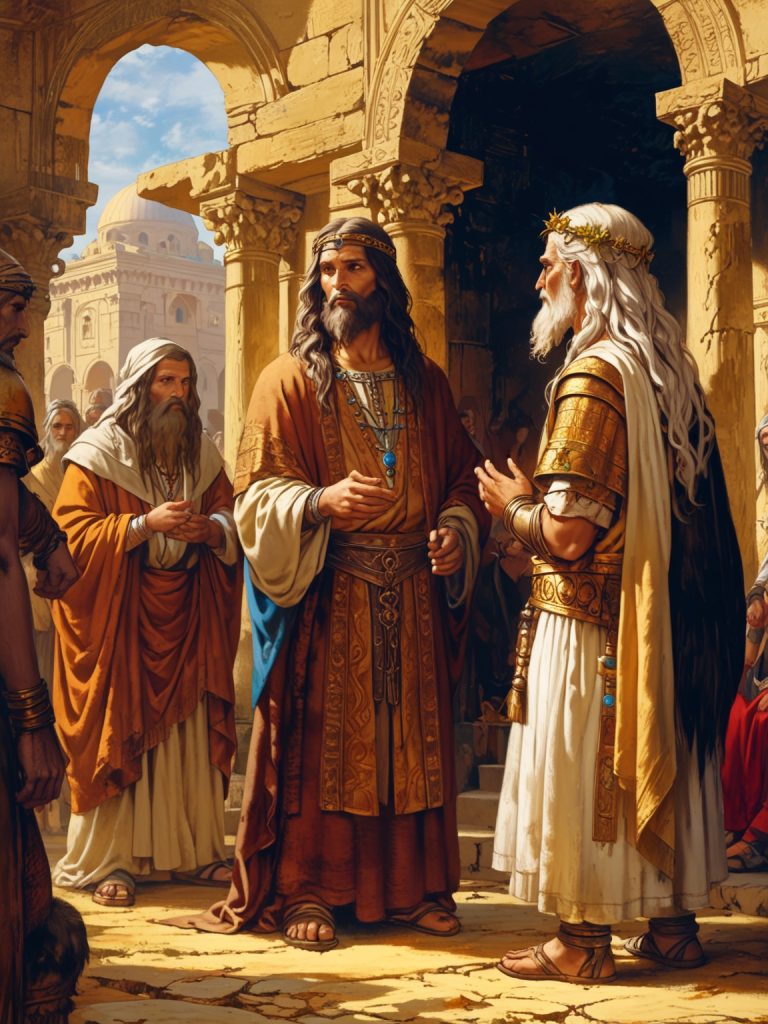
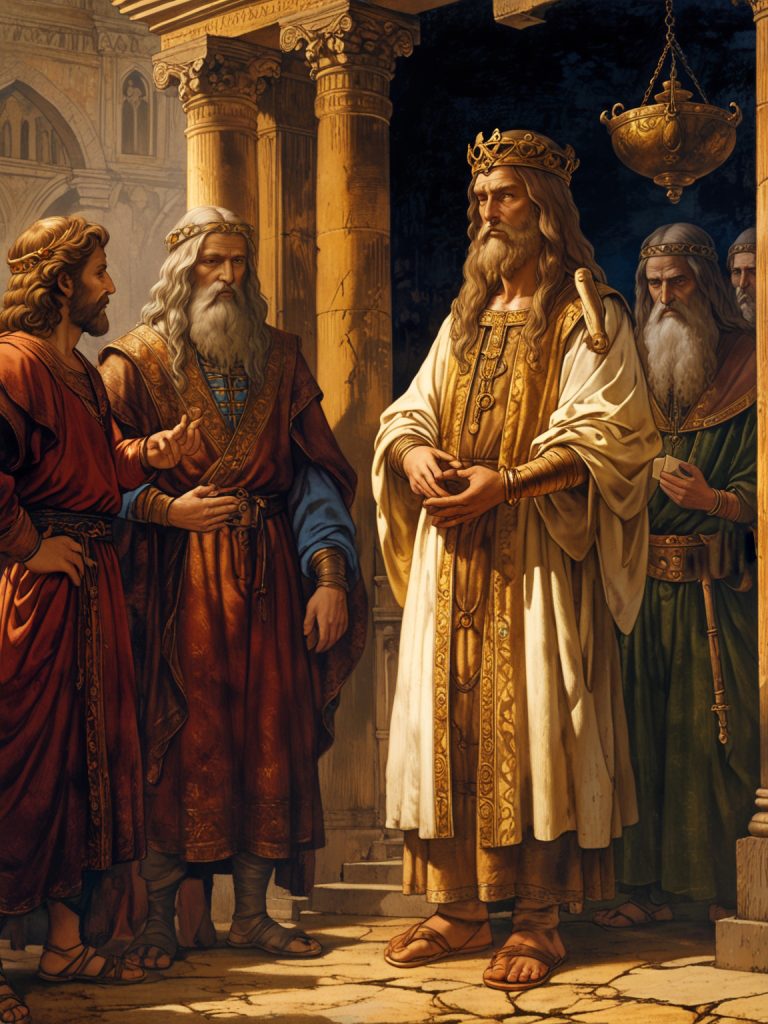
Verse 8:
“Early the next morning Abimelek summoned all his officials, and when he told them all that had happened, they were very much afraid.”
Here, we see Abimelek taking immediate action after his dream encounter with God. By summoning his officials early in the morning, he demonstrates the urgency and seriousness of the situation. When he explains what has happened, his officials are filled with fear, recognizing the gravity of the situation and the potential consequences of offending God.
Verse 9:
“Then Abimelek called Abraham in and said, ‘What have you done to us? How have I wronged you that you have brought such great guilt upon me and my kingdom? You have done things to me that should never be done.'”
Abimelek confronts Abraham directly, questioning his actions. He expresses his distress and confusion, asking why Abraham has put him and his kingdom at risk of such severe guilt. Abimelek’s reaction shows his integrity and concern for righteousness, as well as his frustration at being deceived.
Verse 10:
“And Abimelek asked Abraham, ‘What was your reason for doing this?'”
Abimelek seeks to understand Abraham’s motives. This question highlights the importance of communication and understanding each other’s perspectives, even when wrongdoing has occurred. Abimelek’s inquiry reflects his desire to resolve the issue and prevent future misunderstandings.
Verse 11:
“Abraham replied, ‘I said to myself, “There is surely no fear of God in this place, and they will kill me because of my wife.”‘”
Abraham explains his reasoning, which was driven by fear for his own life. He assumed that the people of Gerar had no fear of God and would kill him to take Sarah. This reveals Abraham’s lack of trust in God’s protection at that moment and his tendency to rely on his own schemes to ensure safety.
Verse 12:
“‘Besides, she really is my sister, the daughter of my father though not of my mother; and she became my wife.'”
Abraham provides further clarification, stating that Sarah is indeed his half-sister, which makes his claim partly true. However, this technical truth does not justify the deception, as it still misled Abimelek and put everyone involved at risk.
Verse 13:
“‘And when God had me wander from my father’s household, I said to her, “This is how you can show your love to me: Everywhere we go, say of me, ‘He is my brother.’”‘”
Abraham recounts how he and Sarah agreed on this deception as a way to protect themselves during their travels. This plan reflects their ongoing struggle with trusting fully in God’s protection and provision. It also shows the lengths to which Abraham was willing to go to safeguard his life, even if it meant compromising the truth.
Reflection:
This passage teaches us about the complexities of human behavior, including fear, deception, and the quest for understanding. Abraham’s actions, while rooted in fear, remind us of the importance of trusting God fully, even in difficult circumstances. Abimelek’s response demonstrates integrity and a desire for righteousness, showing us how to handle misunderstandings with honesty and a pursuit of justice.
This story encourages us to communicate openly, seek to understand others’ perspectives, and trust in God’s protection rather than relying on our own schemes. It also reminds us that God’s grace can intervene even in our mistakes, guiding us back to the right path.
Genesis 20:14-18 NIV
Then Abimelek brought sheep and cattle and male and female slaves and gave them to Abraham, and he returned Sarah his wife to him. And Abimelek said, “My land is before you; live wherever you like.”
To Sarah he said, “I am giving your brother a thousand shekels of silver. This is to cover the offense against you before all who are with you; you are completely vindicated.”
Then Abraham prayed to God, and God healed Abimelek, his wife and his female slaves so they could have children again, for the Lord had kept all the women in Abimelek’s household from conceiving because of Abraham’s wife Sarah.
Genesis 20:14-18 NIV
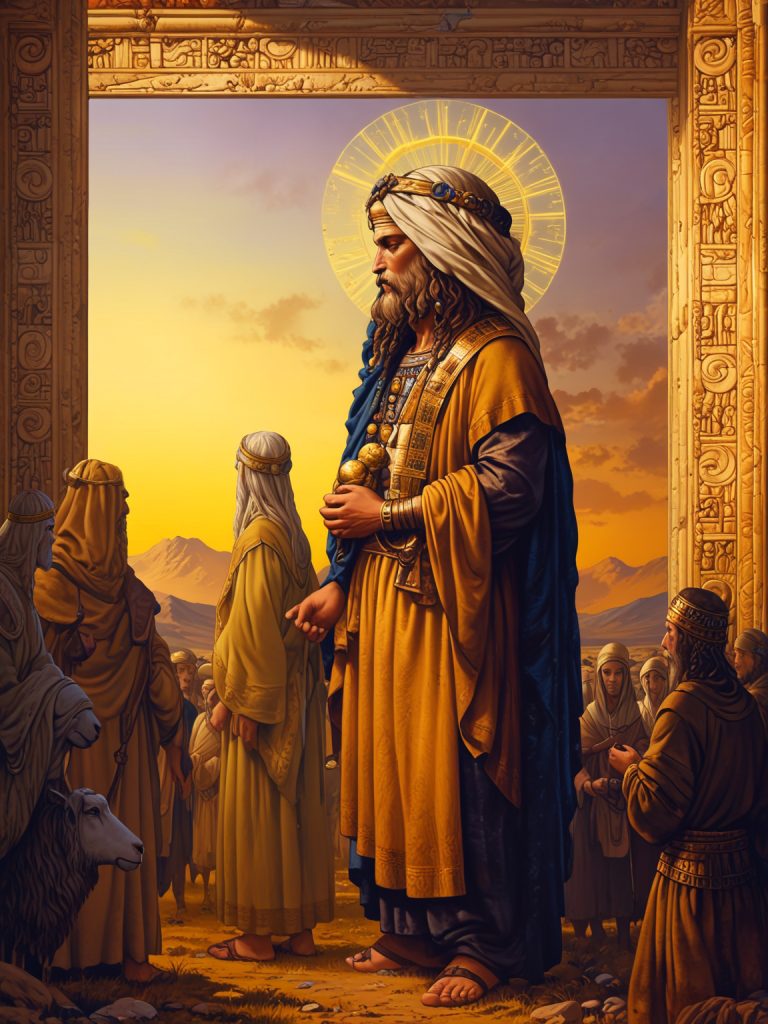
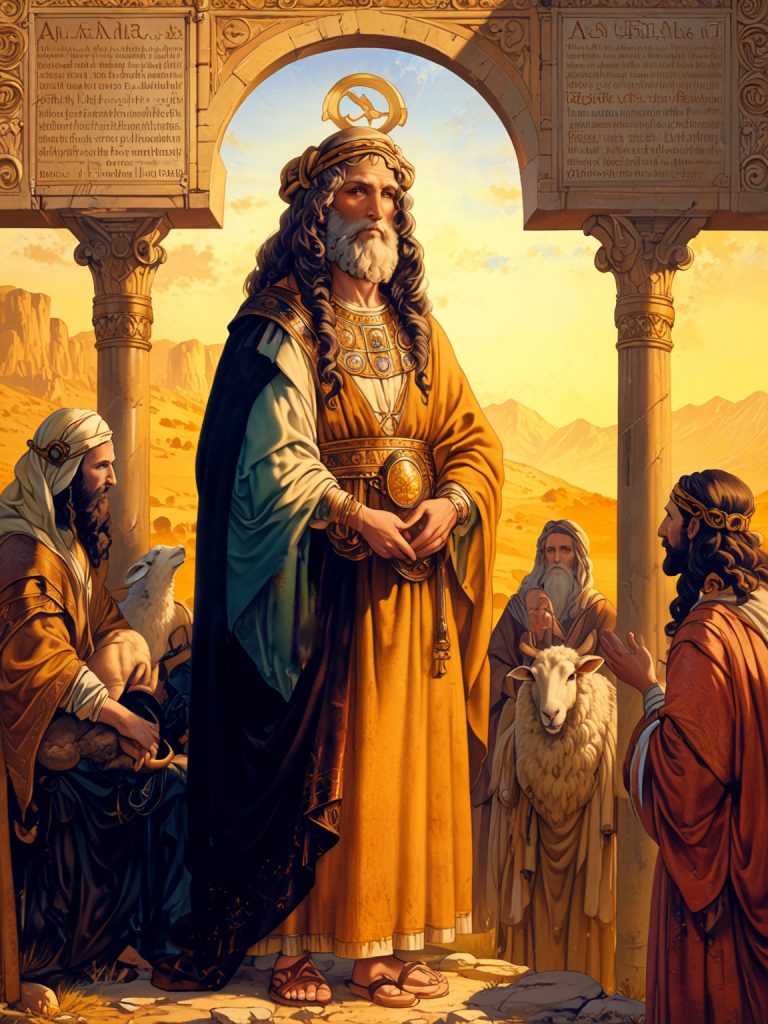

Verse 14: “Then Abimelek brought sheep and cattle and male and female slaves and gave them to Abraham, and he returned Sarah his wife to him.”
Abimelek, the king of Gerar, had taken Sarah into his household because Abraham had presented her as his sister due to fear (Genesis 20:2). However, after discovering the truth—that Sarah was actually Abraham’s wife—Abimelek returned her to Abraham along with gifts of sheep, cattle, and slaves. This gesture indicates Abimelek’s desire to make amends for unknowingly taking another man’s wife and to restore peace with Abraham.
Verse 15: “And Abimelek said, ‘My land is before you; live wherever you like.'”
Abimelek not only returns Sarah but also offers Abraham the freedom to settle anywhere in his land. This shows his sincerity in reconciling with Abraham and ensuring that there are no further issues between them.
Verse 16: “To Sarah he said, ‘I am giving your brother a thousand shekels of silver. This is to cover the offense against you before all who are with you; you are completely vindicated.'”
Abimelek publicly acknowledges Sarah’s innocence and compensates Abraham for any harm caused by taking Sarah into his household. The gift of a thousand shekels of silver is a significant restitution, symbolizing Abimelek’s recognition of Sarah’s honor and his desire to set things right.
Verse 17: “Then Abraham prayed to God, and God healed Abimelek, his wife and his female slaves so they could have children again,”
Abraham intercedes on behalf of Abimelek and his household. Despite Abimelek’s unknowing error, God had prevented the women in his household from conceiving, possibly as a means to protect Sarah and uphold Abraham’s lineage. Upon Abraham’s prayer, God removes this obstacle, allowing fertility to return to Abimelek’s household.
Verse 18: “for the Lord had kept all the women in Abimelek’s household from conceiving because of Abraham’s wife Sarah.”
This verse explains the reason behind the infertility issue in Abimelek’s household—it was a divine intervention meant to protect Sarah’s role in God’s plan for Abraham’s descendants.
This passage from Genesis 20 illustrates themes of deception, reconciliation, restitution, prayer, and divine intervention. It highlights the complexities of human relationships and the overarching presence of God’s providence in the lives of those who trust in Him.
In summary, Genesis 20 provides a profound narrative of reconciliation and divine intervention. It showcases Abimelek’s repentance and restitution towards Abraham and Sarah, emphasizing God’s protection and blessing amidst human frailty. This passage invites us to reflect on themes of integrity, forgiveness, and the overarching providence of God in our lives.
If you’re intrigued by exploring such rich biblical narratives visually, I encourage you to visit Moralisee.com. There, you can discover AI-generated images that bring these stories to life in unique and captivating ways. Engaging with these visual interpretations can deepen your understanding and appreciation of the timeless wisdom found in the Bible. Don’t miss out on this enriching experience!


