

Genesis 19:1-2 NIV
The two angels arrived at Sodom in the evening, and Lot was sitting in the gateway of the city. When he saw them, he got up to meet them and bowed down with his face to the ground. “My lords,” he said, “please turn aside to your servant’s house. You can wash your feet and spend the night and then go on your way early in the morning.”
“No,” they answered, “we will spend the night in the square.”
Genesis 19:1-2 NIV
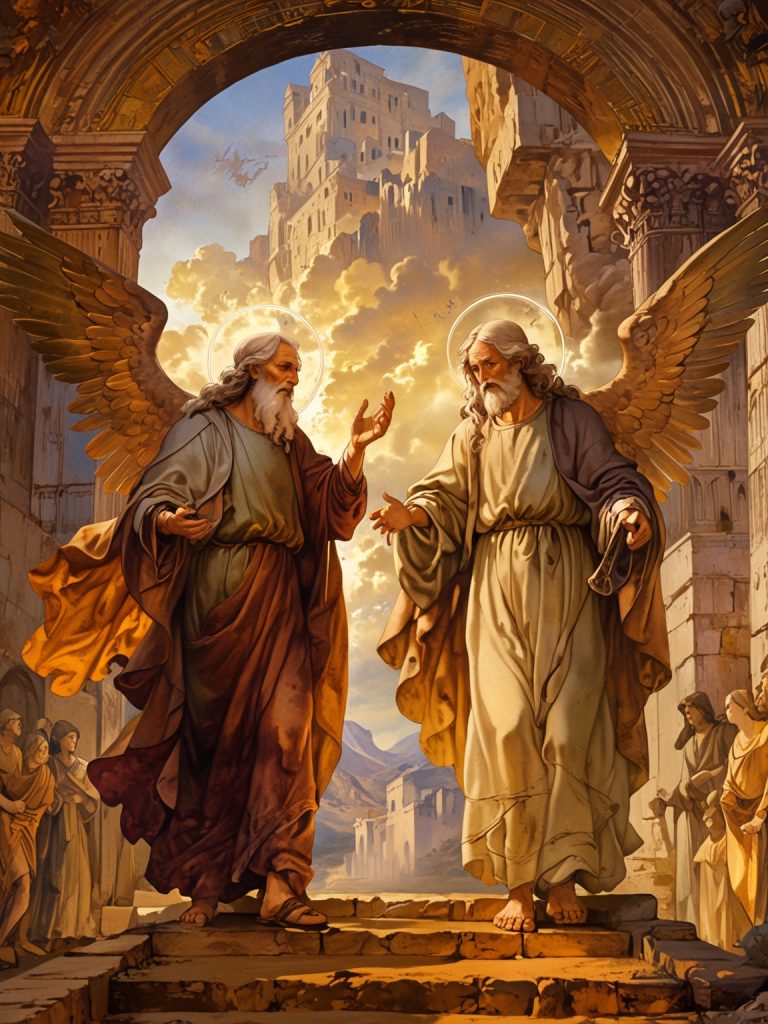
Verse 1: Imagine the scene: The sun dips low, casting long shadows across the dusty square of Sodom. Here sits Lot, maybe a bit weary after a long day. Suddenly, two strangers appear. Now, in the ancient world, gates weren’t just entrances, they were bustling hubs of activity. So, it’s natural for Lot, seeing travelers arriving at dusk, to be hospitable.
Interesting detail: The Bible calls these visitors “angels,” but it doesn’t always mean beings with wings. Sometimes, angels were messengers of God, and in this case, that’s exactly what they are.
Verse 2: Lot recognizes these visitors are important – he calls them “my lords.” He shows respect by bowing low. Here’s the beautiful part: Even though Lot lives in a city known for wickedness, his heart still holds onto kindness. He offers them the traditional act of hospitality – washing their feet, a refreshing custom after a dusty journey, and a place to rest for the night.
Verse 3: The angels politely decline staying at his house, preferring to spend the night in the square. This might seem strange, but some scholars believe it could be a way to test Lot’s hospitality, or perhaps a way to avoid drawing unwanted attention in a city known for its sin.
Remember, the full story unfolds in the next verses. But this passage sets the stage for a dramatic encounter, highlighting Lot’s good character even amidst the darkness of Sodom.
Genesis 19:3-5 NIV
But he insisted so strongly that they did go with him and entered his house. He prepared a meal for them, baking bread without yeast, and they ate. Before they had gone to bed, all the men from every part of the city of Sodom—both young and old—surrounded the house. They called to Lot, “Where are the men who came to you tonight? Bring them out to us so that we can have sex with them.”
Genesis 19:3-5 NIV

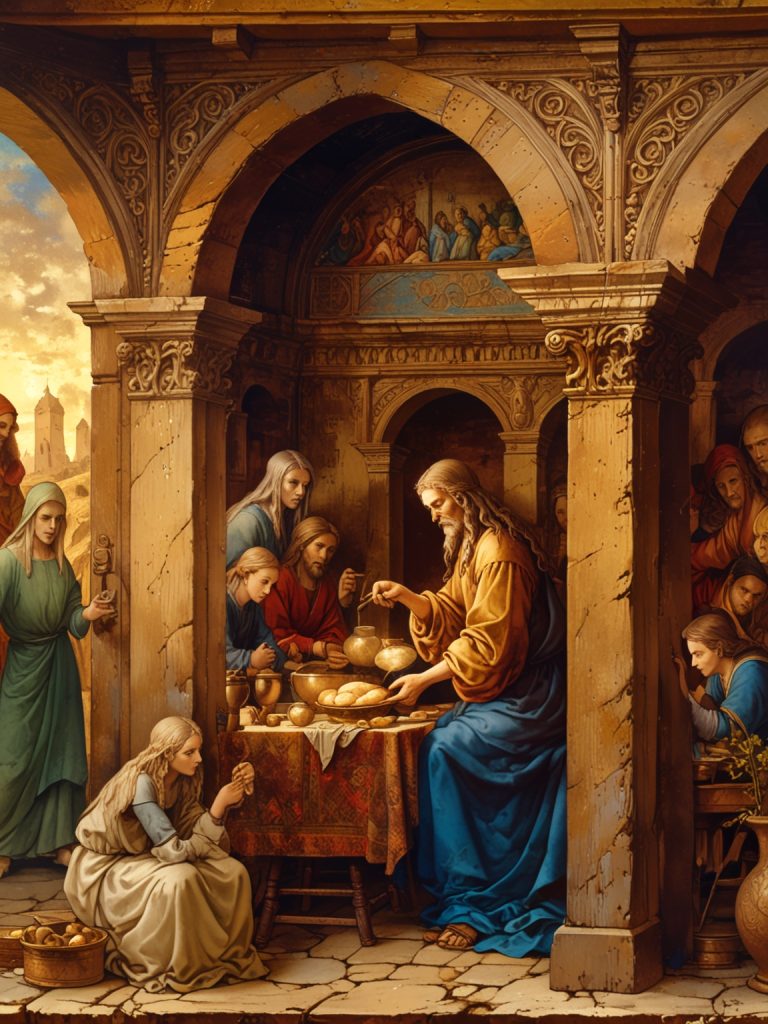
Verse 3: “But he insisted so strongly that they did go with him and entered his house. He prepared a meal for them, baking bread without yeast, and they ate.”
Here, Lot, who was visited by two angels in the form of men, urges them to come into his house despite their initial hesitation. Lot extends gracious hospitality by preparing a meal for them, which includes unleavened bread. In biblical times, unleavened bread was often made quickly without yeast, symbolizing haste and readiness, often used during times of urgency or travel.
Verse 4: “Before they had gone to bed, all the men from every part of the city of Sodom—both young and old—surrounded the house.”
This verse reveals the dire situation unfolding outside Lot’s house. The entire male population of Sodom, from every age group, gathers around Lot’s house. This demonstrates the widespread moral corruption and depravity that had consumed the city of Sodom.
Verse 5: “They called to Lot, ‘Where are the men who came to you tonight? Bring them out to us so that we can have sex with them.'”
The men of Sodom demand that Lot bring out the two visitors (angels) so they can engage in sexual acts with them. This shocking and disturbing request underscores the extreme wickedness and sinfulness prevalent in Sodom. It also highlights the danger faced by Lot and his family in this morally degraded city.
Genesis 19:6-8 NIV
Lot went outside to meet them and shut the door behind him and said, “No, my friends. Don’t do this wicked thing. Look, I have two daughters who have never slept with a man. Let me bring them out to you, and you can do what you like with them. But don’t do anything to these men, for they have come under the protection of my roof.”
Genesis 19:6-8 NIV
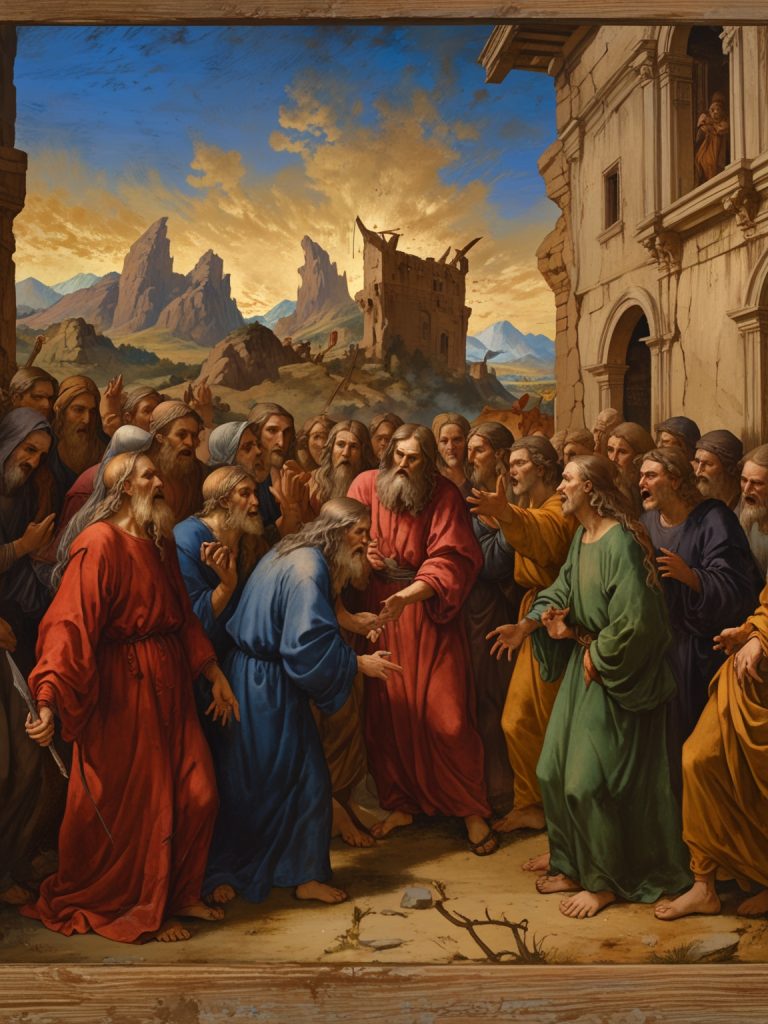
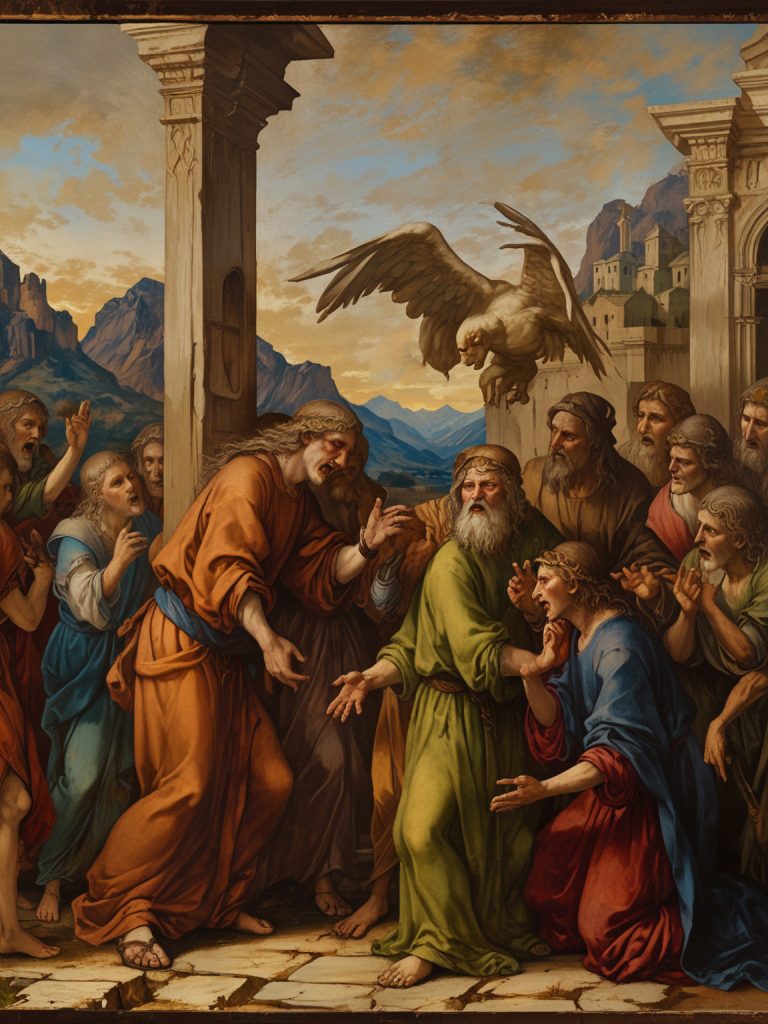
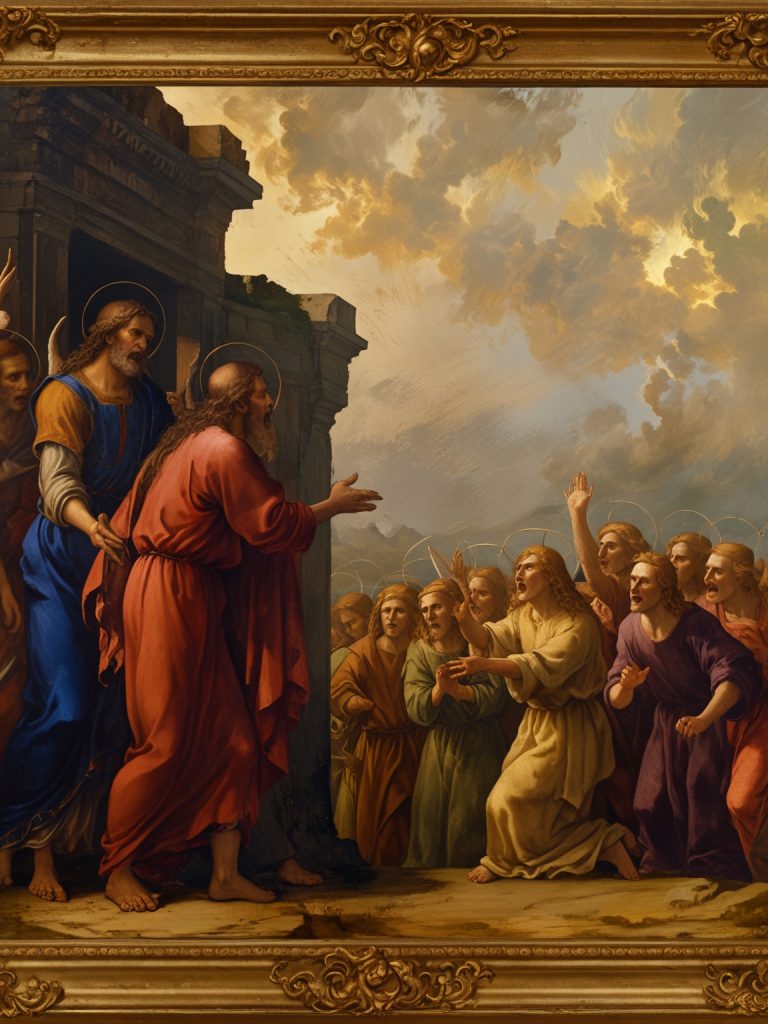
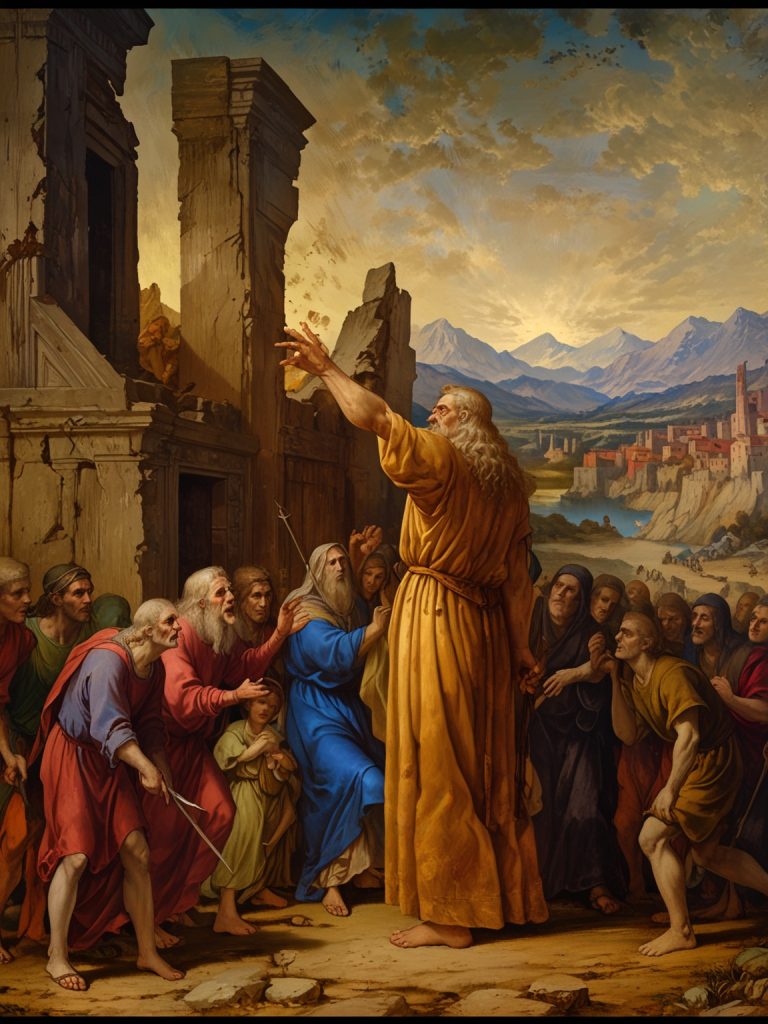
Verse 6: “Lot went outside to meet them and shut the door behind him.”
Lot, faced with the menacing demands of the men of Sodom who sought to harm his guests (the angels in human form), steps outside his house to confront them. By shutting the door behind him, Lot separates himself and his guests from the threatening crowd outside, demonstrating his protective stance.
Verse 7: “And said, ‘No, my friends. Don’t do this wicked thing.'”
Lot addresses the men of Sodom with a plea to refrain from their intended wicked act. Despite addressing them as “friends,” Lot makes it clear that their desire to harm his guests is profoundly wrong and sinful.
Verse 8: “‘Look, I have two daughters who have never slept with a man. Let me bring them out to you, and you can do what you like with them. But don’t do anything to these men, for they have come under the protection of my roof.'”
In a desperate attempt to protect his guests, Lot offers his own daughters to the mob. This shocking proposal underscores the gravity of the situation and the extreme moral decay in Sodom. Lot’s willingness to sacrifice his daughters reflects the cultural norms of hospitality in ancient times but also highlights the depths of depravity to which the men of Sodom had sunk. Lot emphasizes the sanctity of his guests who are under his protection, urging the men not to harm them.
It’s a sobering reminder of the consequences of sin and the importance of standing firm in righteousness. Lot’s actions, while controversial and troubling, illustrate the complexities of navigating moral dilemmas and the need for discernment in challenging circumstances. It also serves as a stark warning against the dangers of moral decay and the importance of upholding principles of hospitality and righteousness even in the face of great pressure and opposition.
Genesis 19:9-11 NIV
“Get out of our way,” they replied. “This fellow came here as a foreigner, and now he wants to play the judge! We’ll treat you worse than them.” They kept bringing pressure on Lot and moved forward to break down the door.
But the men inside reached out and pulled Lot back into the house and shut the door. Then they struck the men who were at the door of the house, young and old, with blindness so that they could not find the door.
Genesis 19:9-11 NIV
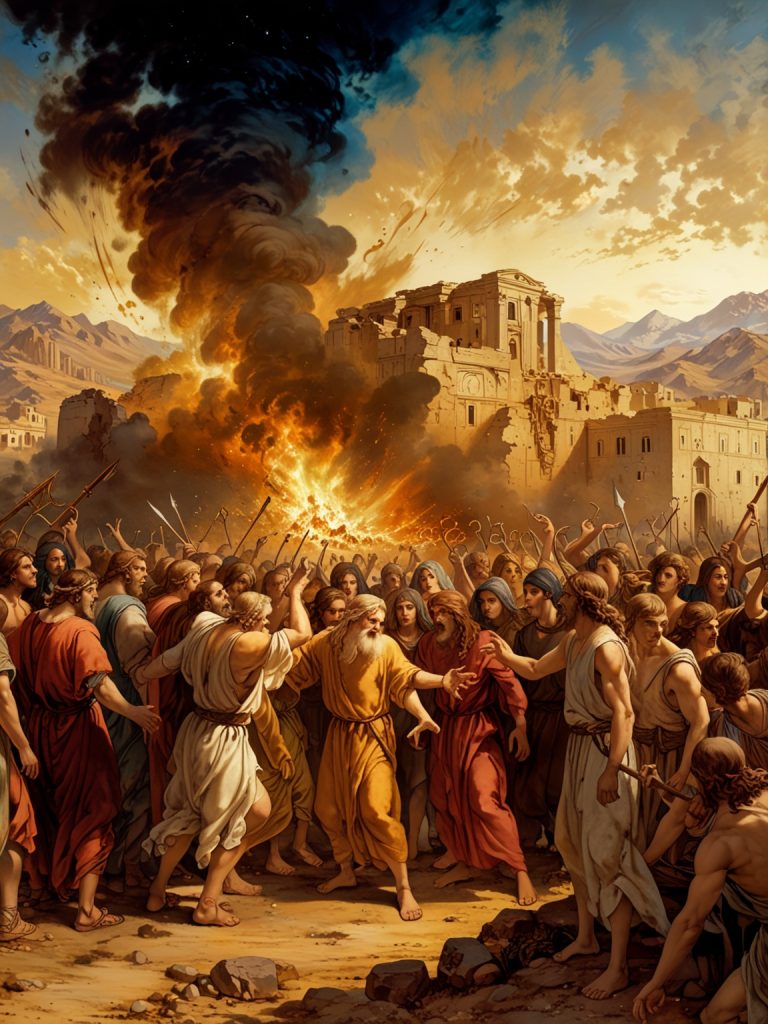
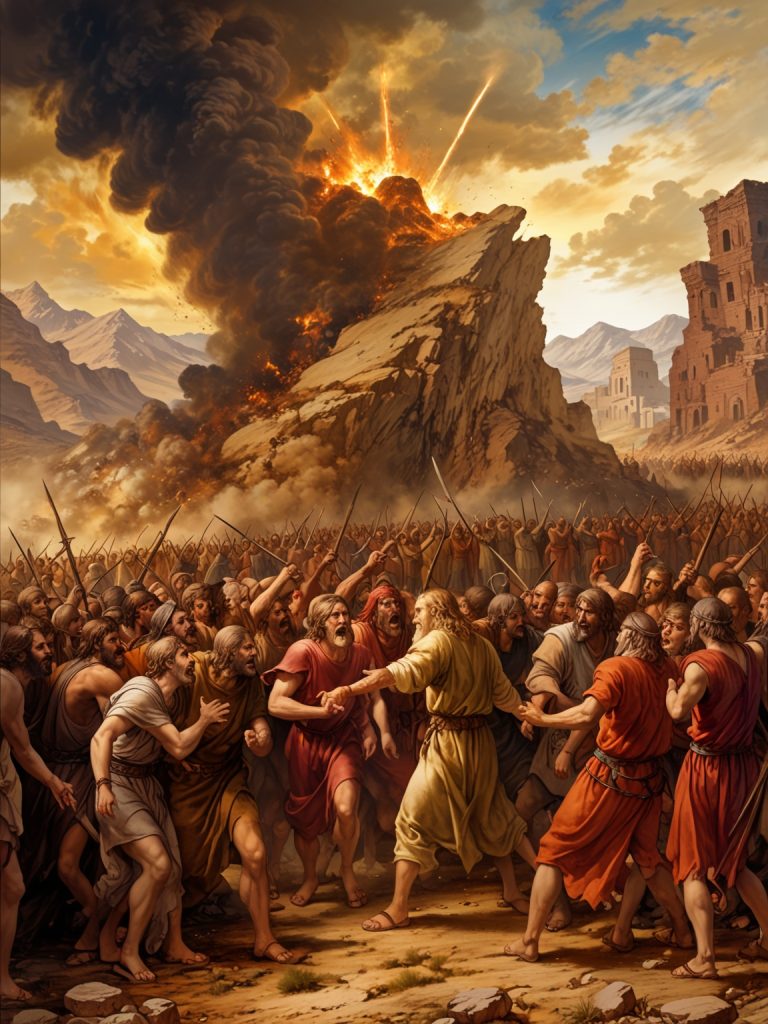
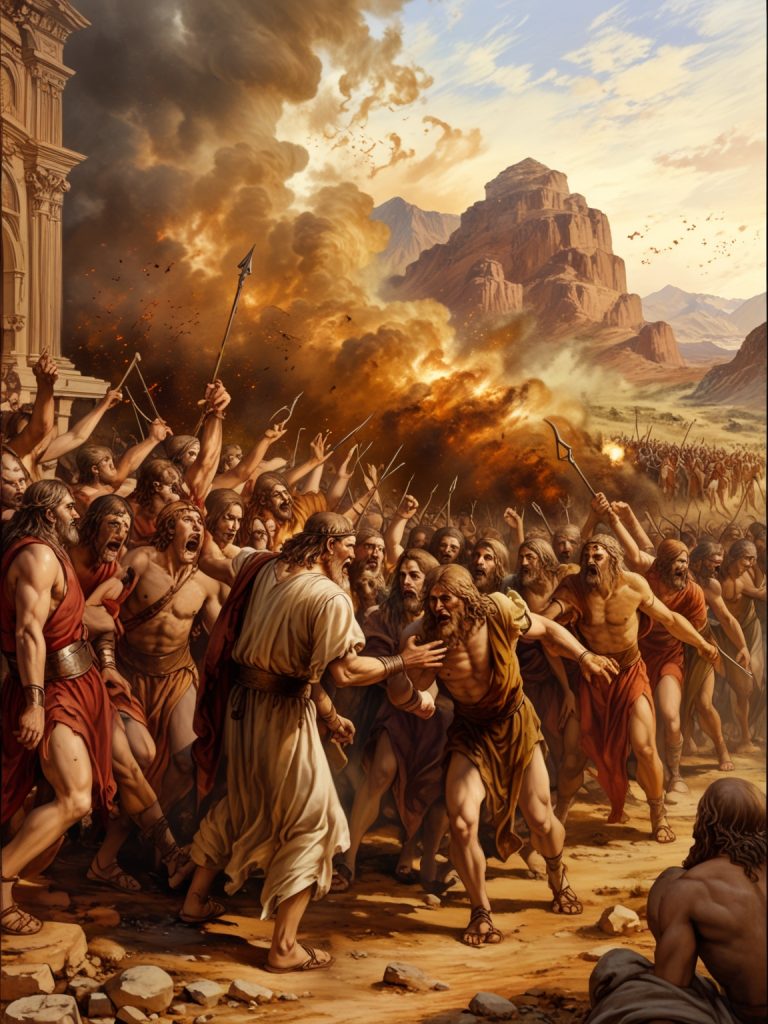
Verse 9: “‘Get out of our way,’ they replied. ‘This fellow came here as a foreigner, and now he wants to play the judge! We’ll treat you worse than them.’ They kept bringing pressure on Lot and moved forward to break down the door.”
In this verse, the men of Sodom respond aggressively to Lot’s plea. They remind Lot that he is an outsider and accuse him of trying to judge them, implying that he has no right to impose his moral standards on them. Their hostility escalates as they threaten to treat Lot even worse than his guests, and they press forward to break down the door, demonstrating their violent intent and complete disregard for hospitality or righteousness.
Verse 10: “But the men inside reached out and pulled Lot back into the house and shut the door.”
As the situation becomes more dangerous, the angels inside the house intervene. They reach out and pull Lot back inside, ensuring his safety. This action signifies divine protection, emphasizing that Lot, despite his flaws, is under God’s care. The angels then shut the door, creating a barrier between Lot and the violent mob outside.
Verse 11: “Then they struck the men who were at the door of the house, young and old, with blindness so that they could not find the door.”
In an extraordinary display of divine power, the angels strike the men outside with blindness. This miraculous act not only protects Lot and his household but also serves as a judgment on the men of Sodom, preventing them from continuing their evil actions. The blindness causes chaos and confusion, illustrating the powerlessness of the wicked in the face of divine intervention.
Wow this passage, it’s a powerful reminder of God’s protection and justice. Lot, despite his vulnerable position as a foreigner in Sodom, receives divine help in his moment of greatest need. The passage underscores the importance of standing up for righteousness, even when faced with hostility and threats. It also shows God’s ability to intervene and protect those who seek to uphold His principles. This story encourages us to trust in God’s protection and to remain steadfast in our commitment to doing what is right, regardless of the opposition we might face.
Genesis 19:12-14 NIV
The two men said to Lot, “Do you have anyone else here—sons-in-law, sons or daughters, or anyone else in the city who belongs to you? Get them out of here, because we are going to destroy this place. The outcry to the Lord against its people is so great that he has sent us to destroy it.”
So Lot went out and spoke to his sons-in-law, who were pledged to marry his daughters. He said, “Hurry and get out of this place, because the Lord is about to destroy the city!” But his sons-in-law thought he was joking.
Genesis 19:12-14 NIV
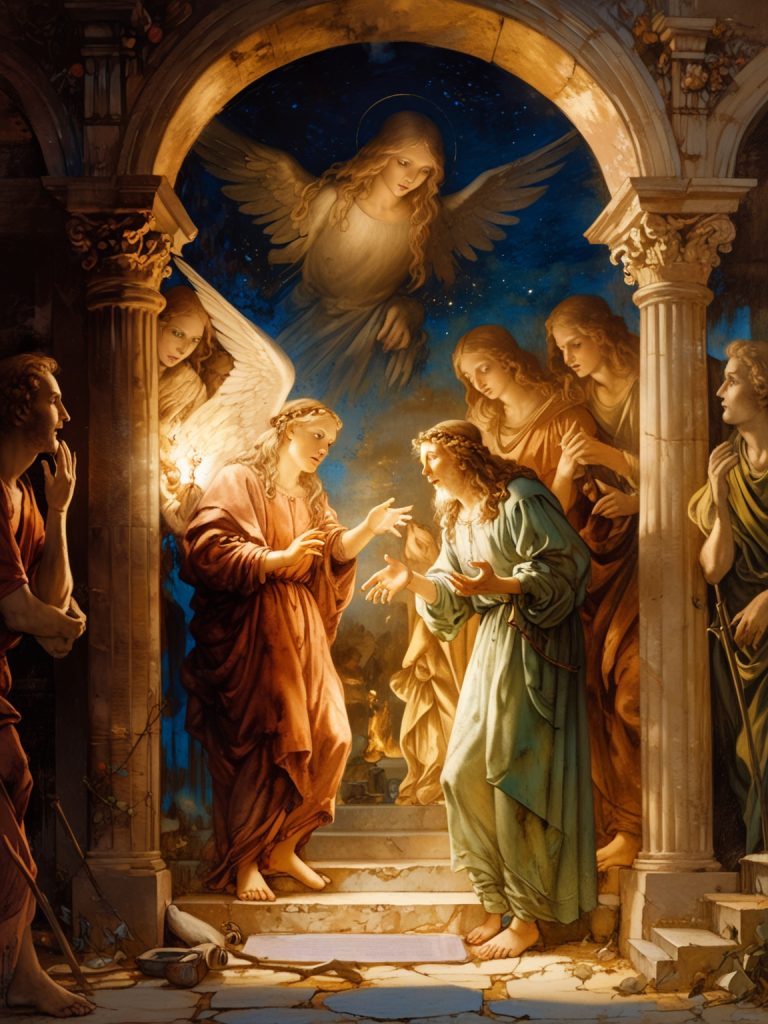
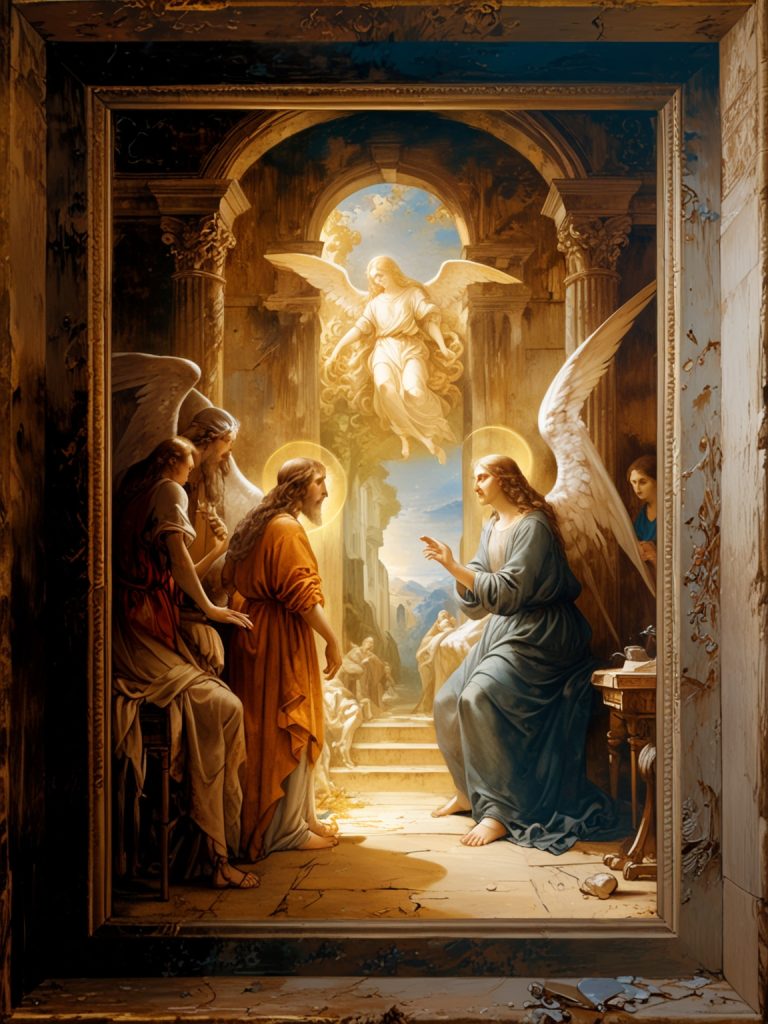
Verse 12: “The two men said to Lot, ‘Do you have anyone else here—sons-in-law, sons or daughters, or anyone else in the city who belongs to you? Get them out of here,”
In this verse, the two men, who are angels in disguise, warn Lot of the imminent destruction of Sodom. They ask Lot if he has any other family members or loved ones in the city. Their instruction to “get them out of here” is a clear indication of the urgency and severity of the impending judgment.
Verse 13: “because we are going to destroy this place. The outcry to the Lord against its people is so great that he has sent us to destroy it.”
The angels explain that the destruction of Sodom is a divine response to the outcry against its people’s wickedness. The extent of the city’s sin has reached a point where God’s judgment is unavoidable, and the angels have been sent specifically to carry out this task. This verse highlights the seriousness of sin and God’s righteousness in addressing it.
Verse 14: “So Lot went out and spoke to his sons-in-law, who were pledged to marry his daughters. He said, ‘Hurry and get out of this place, because the Lord is about to destroy the city!’ But his sons-in-law thought he was joking.”
Lot, heeding the angels’ warning, goes to speak to his sons-in-law, who are betrothed to his daughters. He urgently tells them to leave the city because the Lord is about to destroy it. However, his sons-in-law dismiss his warning as a joke. Their reaction demonstrates a lack of understanding and disbelief in the seriousness of the situation. This disbelief ultimately leads to their downfall, as they do not heed the warning and remain in the doomed city.
This passage underscores the importance of heeding God’s warnings and recognizing the seriousness of sin. Lot’s urgency in warning his family members shows his concern and love for them, yet it also highlights the tragedy of disbelief and complacency in the face of impending judgment. This passage reminds us to be attentive to God’s messages and to act with urgency when He calls us to do so, recognizing the reality of His justice and the need for repentance.
Genesis 19:15-17 NIV
With the coming of dawn, the angels urged Lot, saying, “Hurry! Take your wife and your two daughters who are here, or you will be swept away when the city is punished.”
When he hesitated, the men grasped his hand and the hands of his wife and of his two daughters and led them safely out of the city, for the Lord was merciful to them. As soon as they had brought them out, one of them said, “Flee for your lives! Don’t look back, and don’t stop anywhere in the plain! Flee to the mountains or you will be swept away!”
Genesis 19:15-17 NIV
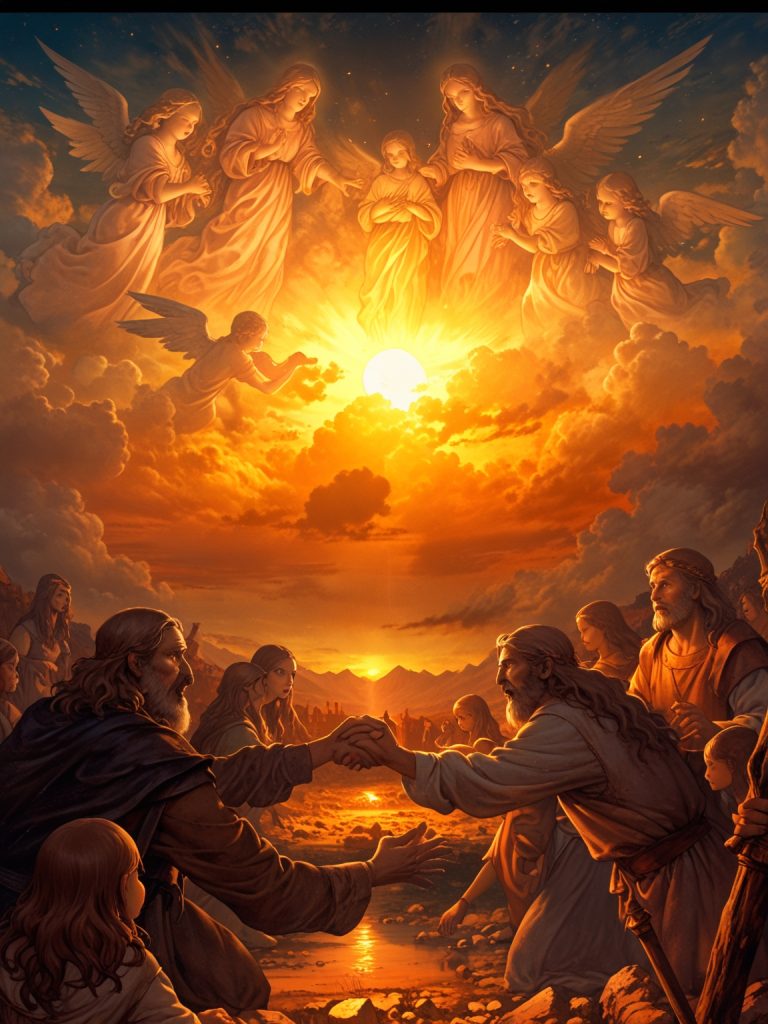
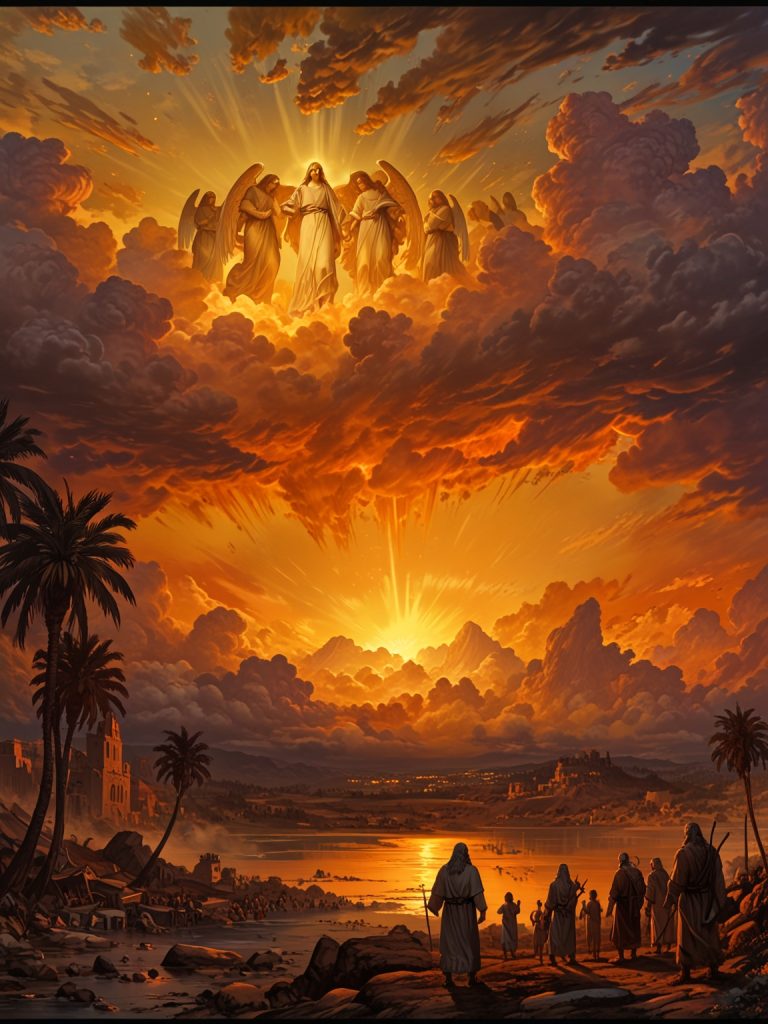

Verse 15: “With the coming of dawn, the angels urged Lot, saying, ‘Hurry! Take your wife and your two daughters who are here, or you will be swept away when the city is punished.’”
As dawn breaks, the urgency of the situation intensifies. The angels press Lot to act quickly and take his wife and two daughters out of the city to avoid the impending punishment. This sense of urgency highlights the immediacy of God’s judgment and the need for swift obedience. The angels’ insistence reflects God’s desire to save Lot and his family from the destruction about to befall Sodom.
Verse 16: “When he hesitated, the men grasped his hand and the hands of his wife and of his two daughters and led them safely out of the city, for the Lord was merciful to them.”
Despite the clear warning, Lot hesitates, possibly due to disbelief, attachment to his home, or the sheer shock of the situation. Recognizing this, the angels physically take hold of Lot and his family, leading them out of the city. This action underscores God’s mercy and intervention, ensuring their safety even when they struggle to act on their own. It’s a powerful demonstration of God’s compassion and the lengths He will go to protect those He loves.
Verse 17: “As soon as they had brought them out, one of them said, ‘Flee for your lives! Don’t look back, and don’t stop anywhere in the plain! Flee to the mountains or you will be swept away!’”
Once outside the city, the angels provide clear, urgent instructions for Lot and his family to flee to the mountains. The command not to look back or stop in the plain emphasizes the need for total separation from Sodom and complete obedience to God’s direction. Looking back or lingering could lead to being caught in the destruction. This verse emphasizes the importance of immediate and decisive action in following God’s guidance, as well as the need to leave behind the past completely.
We see God’s immense mercy in rescuing Lot and his family despite their hesitations. It’s a reminder that God’s grace often extends to us even when our faith wavers. Second, the passage underscores the importance of heeding God’s warnings and acting promptly when He calls us to move. Lastly, the command not to look back serves as a powerful metaphor for our spiritual lives, encouraging us to fully embrace God’s direction and leave behind anything that might hinder our journey with Him. This story encourages us to trust in God’s plans, act with urgency when He directs, and rely on His mercy and protection.
Genesis 19:18-26 NIV
But Lot said to them, “No, my lords, please! Your servant has found favor in your eyes, and you have shown great kindness to me in sparing my life. But I can’t flee to the mountains; this disaster will overtake me, and I’ll die. Look, here is a town near enough to run to, and it is small. Let me flee to it—it is very small, isn’t it? Then my life will be spared.”
He said to him, “Very well, I will grant this request too; I will not overthrow the town you speak of. But flee there quickly, because I cannot do anything until you reach it.” (That is why the town was called Zoar.)
By the time Lot reached Zoar, the sun had risen over the land. Then the Lord rained down burning sulfur on Sodom and Gomorrah—from the Lord out of the heavens. Thus he overthrew those cities and the entire plain, destroying all those living in the cities—and also the vegetation in the land. But Lot’s wife looked back, and she became a pillar of salt.
Genesis 19:18-26 NIV
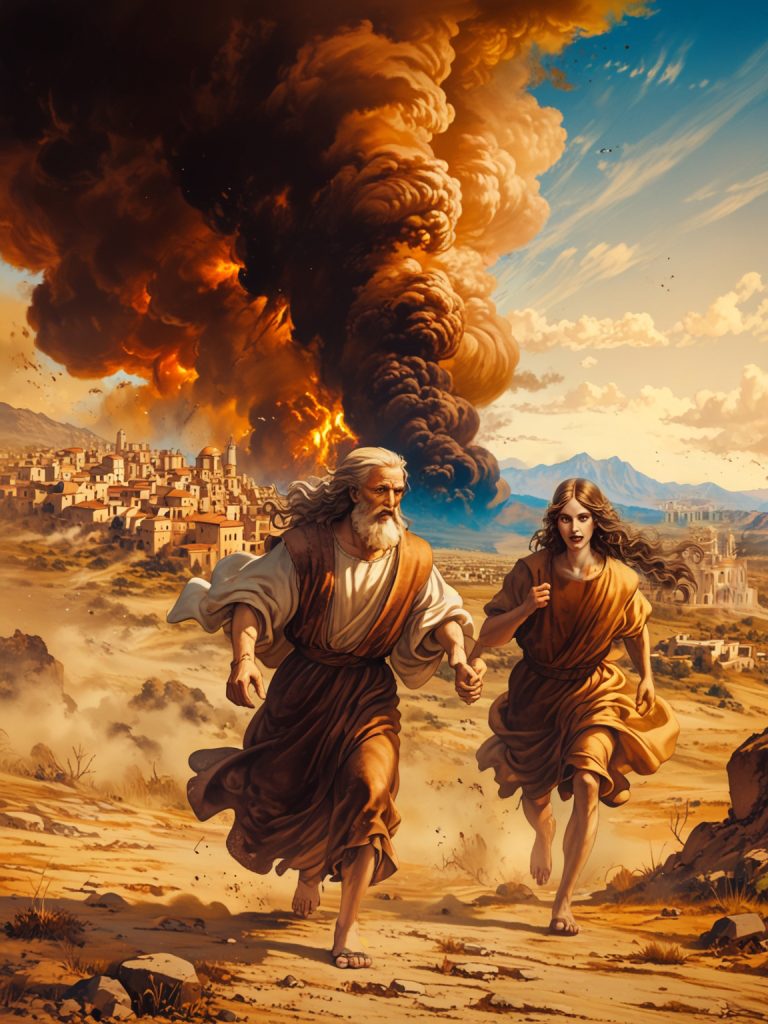
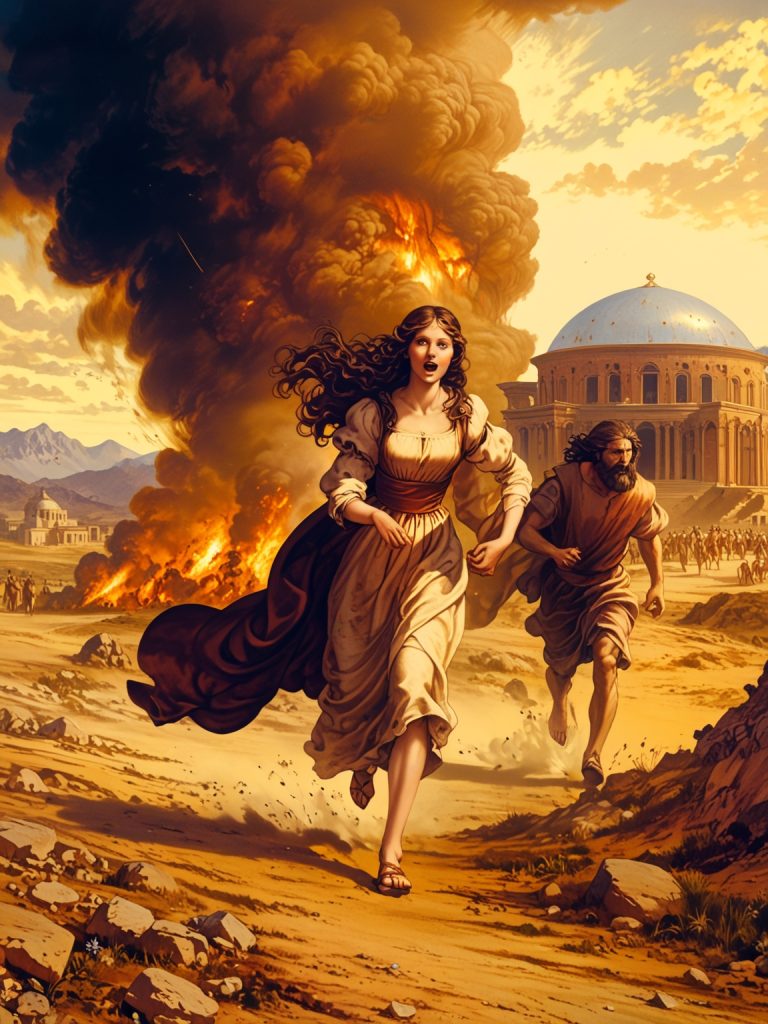
Verse 18: “But Lot said to them, ‘No, my lords, please!’”
Lot addresses the angels with respect, calling them “lords” and pleading with them. This verse sets the stage for Lot’s request for a different means of escape.
Verse 19: “Your servant has found favor in your eyes, and you have shown great kindness to me in sparing my life. But I can’t flee to the mountains; this disaster will overtake me, and I’ll die.”
Lot acknowledges the kindness and mercy shown to him by the angels in sparing his life. However, he expresses his fear that he won’t be able to make it to the mountains in time to escape the impending disaster. Lot is essentially saying that he doesn’t have the strength or ability to reach the mountains before the destruction occurs, fearing he will perish on the way.
Verse 20: “Look, here is a town near enough to run to, and it is small. Let me flee to it—it is very small, isn’t it? Then my life will be spared.”
Lot proposes an alternative plan: fleeing to a nearby small town, which is later identified as Zoar. He emphasizes the town’s small size, perhaps to imply that it wouldn’t be a significant deviation from the angels’ plan and would still allow him to escape the destruction. Lot is seeking a more manageable refuge.
Verse 21: “He said to him, ‘Very well, I will grant this request too; I will not overthrow the town you speak of.’”
The angel agrees to Lot’s request, showing further mercy and flexibility. This demonstrates God’s willingness to accommodate human limitations and fears, providing a way of escape that Lot feels he can manage.
Verse 22: “But flee there quickly, because I cannot do anything until you reach it.” (That is why the town was called Zoar.)”
The angel urges Lot to hurry, emphasizing the urgency of the situation. The destruction of Sodom and Gomorrah is imminent, but it is held back until Lot reaches safety in Zoar. This verse explains the origin of the name Zoar, which means “small.”
Verse 23: “By the time Lot reached Zoar, the sun had risen over the land.”
Lot and his family reach Zoar as the sun rises, marking a new day and the beginning of the fulfillment of God’s judgment. The rising sun could symbolize both the end of one era and the beginning of another.
Verse 24: “Then the Lord rained down burning sulfur on Sodom and Gomorrah—from the Lord out of the heavens.”
This verse describes the divine judgment on Sodom and Gomorrah. The imagery of burning sulfur raining down from the heavens is a powerful depiction of God’s wrath and the total destruction of these sinful cities.
Verse 25: “Thus he overthrew those cities and the entire plain, destroying all those living in the cities—and also the vegetation in the land.”
The judgment is comprehensive, destroying not only the cities and their inhabitants but also the surrounding land and vegetation. This total destruction emphasizes the severity of the judgment and the extent of the sin in those cities.
Verse 26: “But Lot’s wife looked back, and she became a pillar of salt.”
In this tragic verse, Lot’s wife disobeys the angels’ command not to look back at the burning cities. Her turning back indicates a lingering attachment to her past life in Sodom. As a result, she is turned into a pillar of salt, serving as a stark warning about the consequences of disobedience and the dangers of looking back when God calls us to move forward.
We see a powerful narrative of mercy, judgment, and obedience. God provides a way of escape for Lot and his family, showing His compassion even in the midst of judgment. Lot’s hesitation and request for an alternative refuge remind us of our own human frailties and need for God’s patience. The ultimate destruction of Sodom and Gomorrah underscores the seriousness of sin and God’s righteous judgment. Lot’s wife’s fate serves as a poignant lesson about the importance of fully committing to God’s direction and not looking back to our past lives of sin. This story calls us to trust in God’s provision, act with urgency when He directs us, and keep our focus forward on the path He sets before us.
Genesis 19:27-29 NIV
Early the next morning Abraham got up and returned to the place where he had stood before the Lord. He looked down toward Sodom and Gomorrah, toward all the land of the plain, and he saw dense smoke rising from the land, like smoke from a furnace.
So when God destroyed the cities of the plain, he remembered Abraham, and he brought Lot out of the catastrophe that overthrew the cities where Lot had lived.
Genesis 19:27-29 NIV

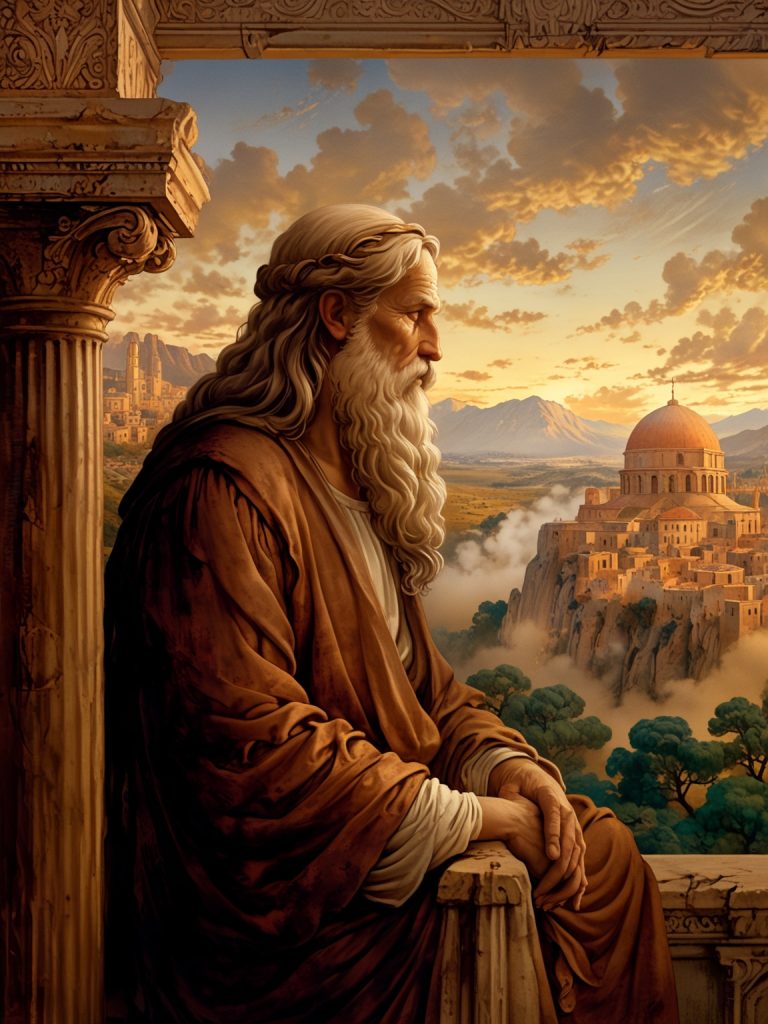
Verse 27: “Early the next morning Abraham got up and returned to the place where he had stood before the Lord.”
Abraham wakes up early and returns to the spot where he had previously interceded with God on behalf of Sodom and Gomorrah. This place holds significance as it was where Abraham had a profound conversation with God, asking Him to spare the cities if righteous people could be found within them. Abraham’s return to this spot shows his concern for the cities and his nephew Lot, as well as his desire to see the outcome of his intercession.
Verse 28: “He looked down toward Sodom and Gomorrah, toward all the land of the plain, and he saw dense smoke rising from the land, like smoke from a furnace.”
From his vantage point, Abraham looks down and sees dense smoke rising from the area where Sodom and Gomorrah once stood. The smoke is described as being like the smoke from a furnace, indicating the complete and intense destruction that has taken place. This imagery highlights the severity of God’s judgment on these cities due to their wickedness. Abraham’s view of the aftermath would have confirmed the fulfillment of God’s warning about the cities’ destruction.
Verse 29: “So when God destroyed the cities of the plain, he remembered Abraham, and he brought Lot out of the catastrophe that overthrew the cities where Lot had lived.”
Despite the total destruction of the cities, God remembered Abraham and his plea for the righteous. Because of Abraham’s intercession, God showed mercy by rescuing Lot from the catastrophe. This verse emphasizes the power of intercessory prayer and God’s faithfulness to remember and honor His promises. Lot’s rescue underscores God’s willingness to save the righteous, even in the midst of judgment.
There are several key lessons to draw:
- The Power of Intercession: Abraham’s return to the place where he interceded for Sodom and Gomorrah reminds us of the importance and impact of praying for others. Abraham’s concern for the cities and his family led him to plead with God, and although the cities were destroyed, his prayers were not in vain—Lot was saved.
- God’s Justice and Mercy: The dense smoke rising from the land illustrates the seriousness of sin and the reality of God’s judgment. At the same time, God’s remembrance of Abraham and His rescue of Lot highlight His mercy and faithfulness. Even in judgment, God extends grace to the righteous.
- Faith in God’s Promises: Abraham’s actions demonstrate a deep trust in God. By returning to the place where he spoke with God, he shows his faith in God’s justice and mercy. This serves as an example for us to trust in God’s promises and remain faithful in our relationship with Him.
- The Consequences of Sin: The destruction of Sodom and Gomorrah is a stark reminder of the consequences of persistent sin and disobedience. It serves as a warning to turn away from wickedness and seek righteousness.
This passage encourages us to be steadfast in prayer, trust in God’s justice and mercy, and live lives that reflect His righteousness. It also reminds us of the profound impact our prayers can have, not just for ourselves, but for those we care about.
Genesis 19:30-35 NIV
Lot and his two daughters left Zoar and settled in the mountains, for he was afraid to stay in Zoar. He and his two daughters lived in a cave. One day the older daughter said to the younger, “Our father is old, and there is no man around here to give us children—as is the custom all over the earth. Let’s get our father to drink wine and then sleep with him and preserve our family line through our father.”
That night they got their father to drink wine, and the older daughter went in and slept with him. He was not aware of it when she lay down or when she got up.
The next day the older daughter said to the younger, “Last night I slept with my father. Let’s get him to drink wine again tonight, and you go in and sleep with him so we can preserve our family line through our father.” So they got their father to drink wine that night also, and the younger daughter went in and slept with him. Again he was not aware of it when she lay down or when she got up.
Genesis 19:30-35 NIV
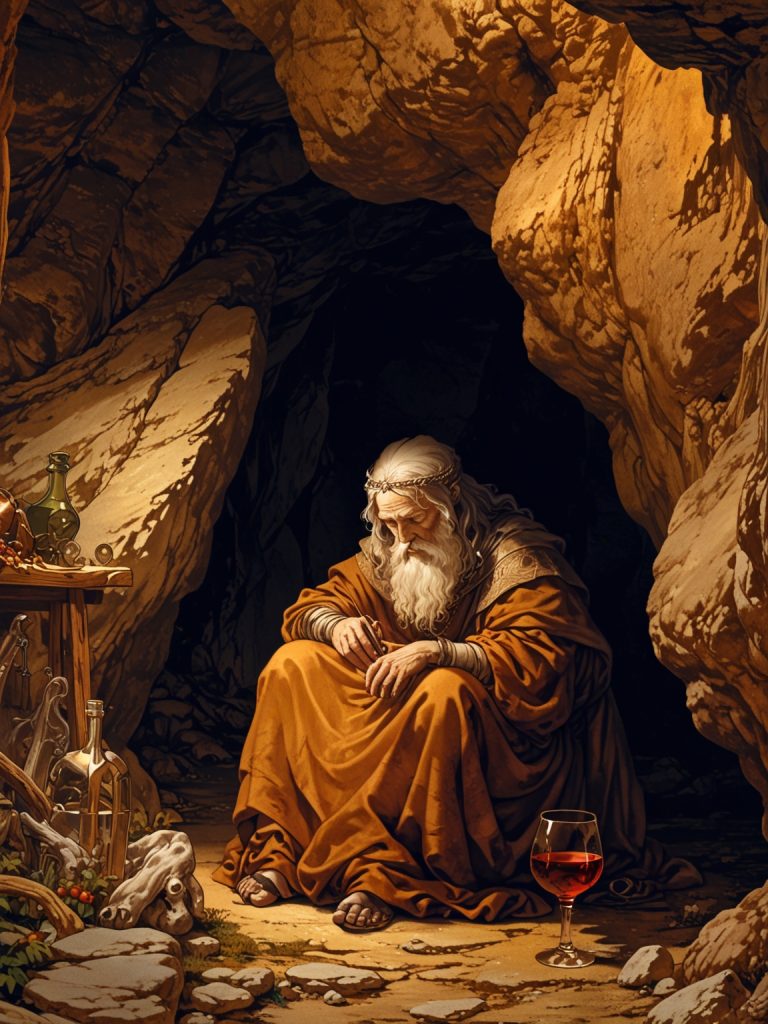
Verse 30: “Lot and his two daughters left Zoar and settled in the mountains, for he was afraid to stay in Zoar. He and his two daughters lived in a cave.”
Lot and his daughters leave Zoar and settle in the mountains because Lot is afraid to stay in Zoar. The text doesn’t specify the exact reason for his fear, but it could be due to the memory of the recent destruction or concern about the safety and morality of Zoar. Seeking isolation, they choose to live in a cave. This highlights Lot’s continuous struggle for safety and the drastic measures he takes to protect his family.
Verse 31: “One day the older daughter said to the younger, ‘Our father is old, and there is no man around here to give us children—as is the custom all over the earth.’”
The older daughter voices her concern about their future. Without any men around, they have no way to continue their family line, which was a significant cultural and practical necessity. This concern reflects the societal norms of their time, where continuing the family lineage was crucial.
Verse 32: “‘Let’s get our father to drink wine and then sleep with him and preserve our family line through our father.’”
In their desperation, the older daughter suggests a plan to get their father drunk and sleep with him to preserve their family line. While this plan is morally and ethically troubling, it highlights their sense of desperation and the extreme measures they feel are necessary to ensure their survival and continuation.
Verse 33: “That night they got their father to drink wine, and the older daughter went in and slept with him. He was not aware of it when she lay down or when she got up.”
The plan is put into action. They get Lot drunk, and the older daughter sleeps with him while he is unaware. This emphasizes the daughters’ determination and the lengths to which they go due to their perceived lack of options.
Verse 34: “The next day the older daughter said to the younger, ‘Last night I slept with my father. Let’s get him to drink wine again tonight, and you go in and sleep with him so we can preserve our family line through our father.’”
The older daughter informs the younger daughter of what happened and suggests they repeat the plan. This reveals their commitment to their goal of preserving the family line, regardless of the moral implications.
Verse 35: “So they got their father to drink wine that night also, and the younger daughter went in and slept with him. Again he was not aware of it when she lay down or when she got up.”
The plan is repeated, and the younger daughter also sleeps with Lot while he is unaware. This repetition highlights their determination and the unfortunate consequences of their isolation and fear.
There are several important points to consider:
- Desperation and Isolation: The actions of Lot’s daughters reflect their extreme desperation and isolation. They believed there were no other options to ensure their family’s future, highlighting the severity of their situation.
- Cultural Context: In their cultural context, having children and continuing the family line was crucial. While their actions are morally troubling, they were driven by their understanding of the importance of family continuity.
- Human Frailty: This story underscores human frailty and the complex moral decisions people sometimes make under dire circumstances. It shows that even those who are generally righteous, like Lot, can be part of troubling situations.
- God’s Grace: Despite the moral complexities, God’s grace is evident throughout the Bible. This passage, like many others, highlights the imperfections of human beings and the need for God’s mercy and guidance.
- Lessons: This story encourages us to seek God’s wisdom and guidance in difficult situations. It reminds us to trust in God’s plan, even when circumstances seem desperate, and to avoid making decisions based solely on fear or isolation.
This passage ultimately serves as a reminder of the complexity of human nature and the need for reliance on God’s wisdom and mercy in all aspects of life.
Genesis 19:36-38 NIV
So both of Lot’s daughters became pregnant by their father. The older daughter had a son, and she named him Moab; he is the father of the Moabites of today. The younger daughter also had a son, and she named him Ben-Ammi; he is the father of the Ammonites of today.
Genesis 19:36-38 NIV

Verse 36: “So both of Lot’s daughters became pregnant by their father.”
This verse reveals the outcome of the daughters’ actions. Both daughters become pregnant by their father, Lot. This fact emphasizes the success of their desperate plan to continue their family line, though it was carried out through morally troubling means.
Verse 37: “The older daughter had a son, and she named him Moab; he is the father of the Moabites of today.”
The older daughter gives birth to a son and names him Moab. Moab becomes the progenitor of the Moabites, a significant group of people in biblical history. The name Moab likely means “from father,” indicating the circumstances of his conception. The Moabites play various roles in the biblical narrative, sometimes as adversaries and sometimes as allies to the Israelites.
Verse 38: “The younger daughter also had a son, and she named him Ben-Ammi; he is the father of the Ammonites of today.”
Similarly, the younger daughter gives birth to a son and names him Ben-Ammi. Ben-Ammi means “son of my people,” reflecting his lineage. He becomes the ancestor of the Ammonites, another significant group in the biblical narrative. The Ammonites, like the Moabites, have complex relationships with the Israelites throughout the Bible.
There are several important points to consider:
- Desperation and Human Frailty: The actions of Lot’s daughters reflect their desperation and the extreme measures they took to ensure their family’s survival. Their situation highlights human frailty and the moral complexities people can face in dire circumstances.
- Consequences of Actions: This story shows that actions, even those taken out of desperation, can have lasting consequences. The births of Moab and Ben-Ammi establish two significant nations that play important roles in biblical history.
- God’s Sovereignty: Despite the troubling circumstances of their conception, Moab and Ben-Ammi become the founders of nations. This indicates that God can bring about His purposes and work through even the most challenging and morally complex situations.
- Historical Context: Understanding the origins of the Moabites and Ammonites provides insight into later biblical events. These nations have significant interactions with Israel, and their origins help explain some of the tensions and relationships described in later scriptures.
- Lessons: This passage encourages us to reflect on the complexity of human decisions and the long-term consequences they can have. It also reminds us of the importance of seeking God’s wisdom and guidance, especially in difficult and desperate times. Moreover, it highlights the theme of redemption and how God can bring about good from even the most challenging circumstances.
Ultimately, this passage serves as a reminder of the complexities of life and the need for reliance on God’s wisdom, mercy, and sovereignty in all aspects of our lives.
In conclusion, Genesis 19 recounts a sobering tale of moral complexity and human frailty, illustrating the consequences of desperate choices made in extreme circumstances. Lot and his daughters’ story challenges us to wrestle with ethical dilemmas and the far-reaching impact of our decisions.
For a deeper exploration of biblical narratives and their profound insights, I invite you to visit Moralisee.com. Here, you’ll find a collection of AI-generated images that visually interpret various Bible chapters, offering fresh perspectives and enhancing your understanding of Scripture’s timeless wisdom. These beautifully crafted images not only captivate the eye but also prompt reflection on spiritual truths and the complexities of faith.


