

Genesis 16:1-3 NIV
Now Sarai, Abram’s wife, had borne him no children. But she had an Egyptian slave named Hagar; so she said to Abram, “The Lord has kept me from having children. Go, sleep with my slave; perhaps I can build a family through her.”
Abram agreed to what Sarai said. So after Abram had been living in Canaan ten years, Sarai his wife took her Egyptian slave Hagar and gave her to her husband to be his wife.
Genesis 16:1-3 NIV
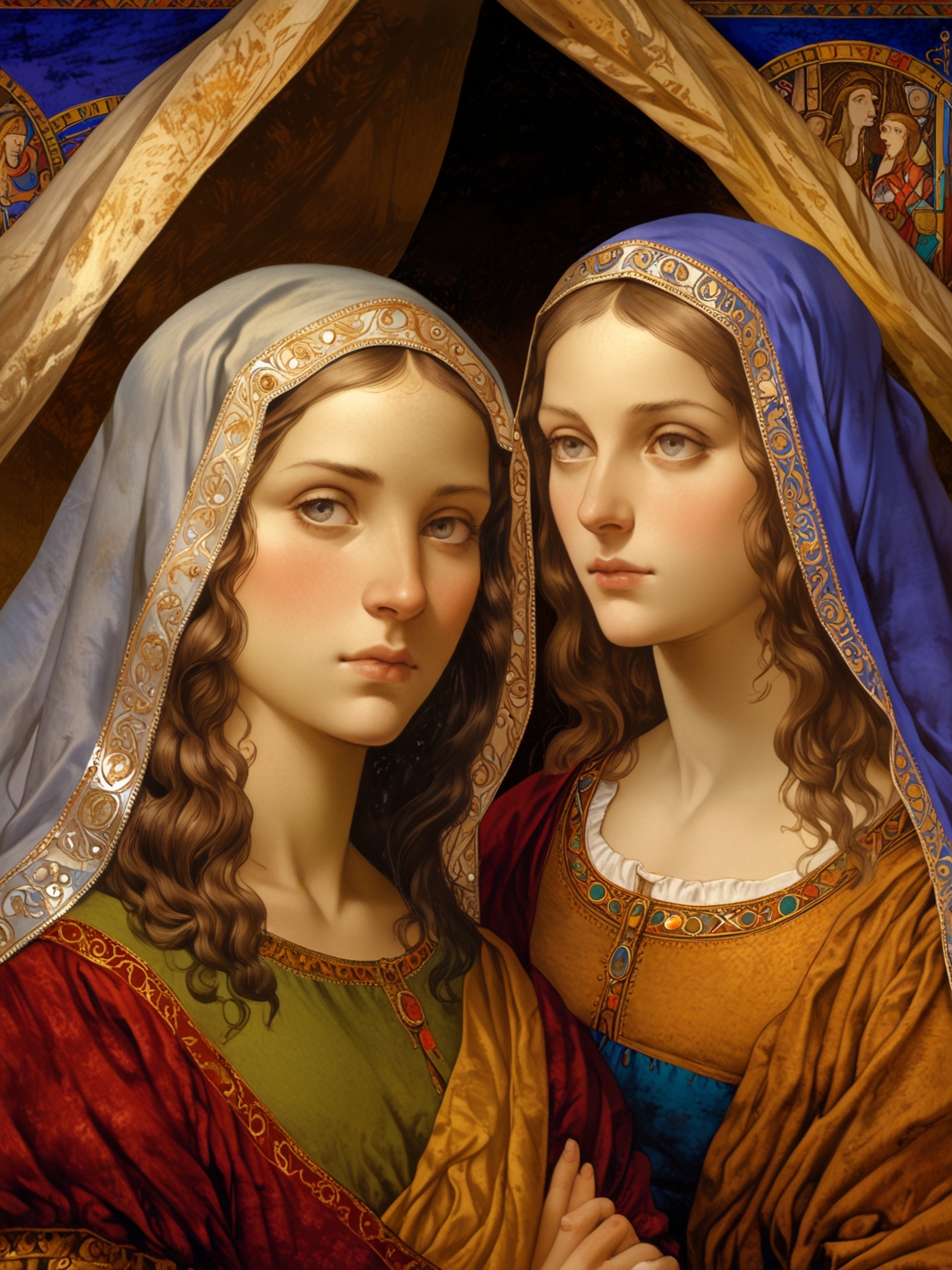
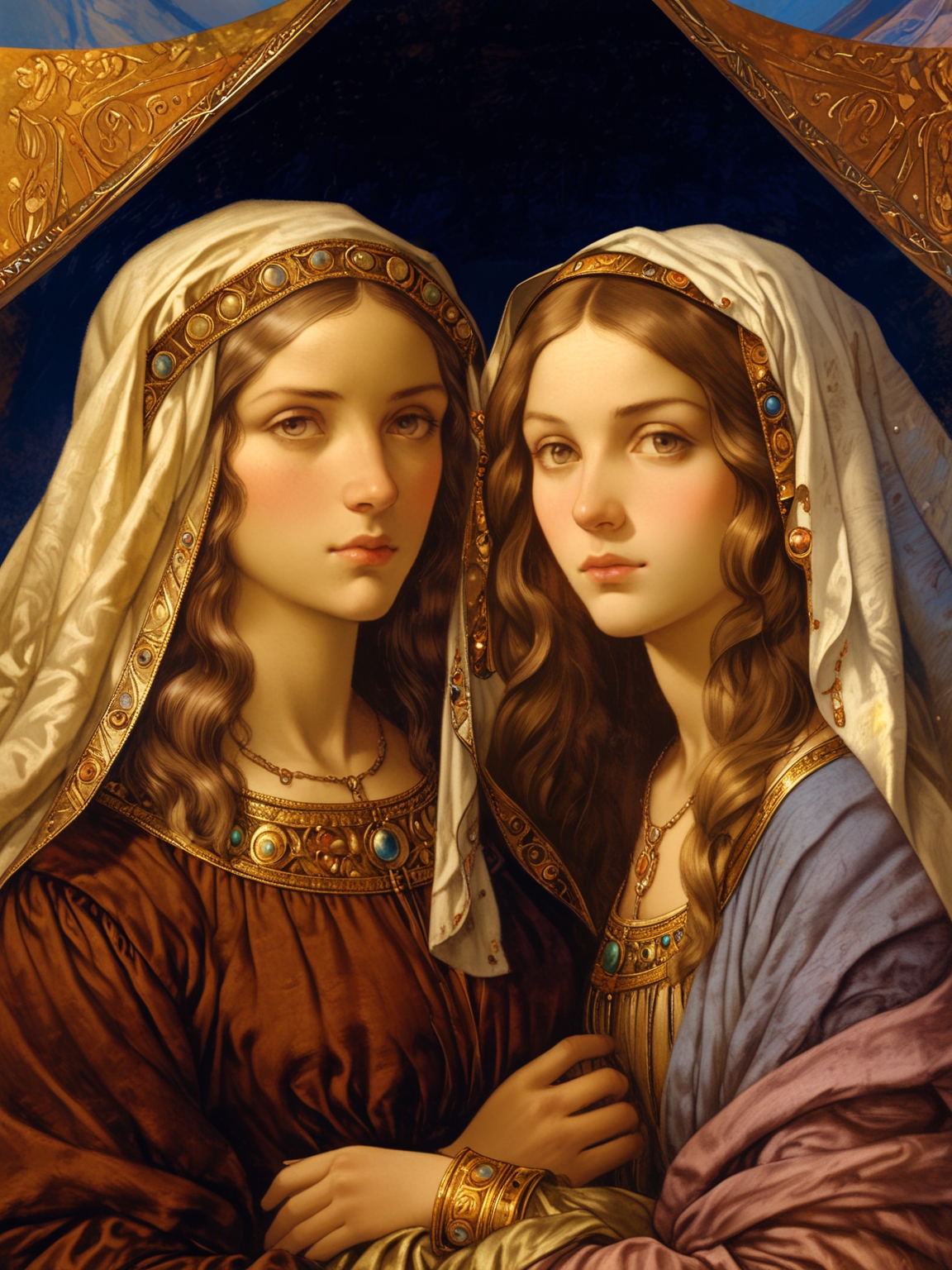
Genesis 16. It’s a story with some twists and turns, but it teaches us a lot about faith and family.
Verse 1: We meet Sarai, Abram’s wife (we’ll call him Abraham later), and we learn something important: they don’t have any children. This was a significant matter back then, because families were all about passing down their name and legacy through their children.
Verse 2: Sarai is discouraged, maybe even hopeless. She feels God has closed her womb, and she is unable to bear children on her own. This is when things become interesting. Sarai proposes something to Abram that may appear weird to us now. She suggests he conceive a child with Hagar, their Egyptian servant.
Verse 3: It jumps ahead little. Sarai has been trying to conceive for ten years without success. Here, she actually follows through on her idea. She proposes Hagar to Abram as another wife.
Now, the situation was not perfect. It was not part of God’s original plan, and it causes some issues later on. But it’s vital to realize that Abram and Sarai lived in a different era and culture, with distinct traditions.
This reminds us that even persons of faith, such as Abraham and Sarai, can experience doubt and frustration. In the next passages, we’ll see how things play out and how God keeps his promises even when his people make mistakes.
Genesis 16:4-6 NIV
He slept with Hagar, and she conceived.
When she knew she was pregnant, she began to despise her mistress. Then Sarai said to Abram, “You are responsible for the wrong I am suffering. I put my slave in your arms, and now that she knows she is pregnant, she despises me. May the Lord judge between you and me.”
“Your slave is in your hands,” Abram said. “Do with her whatever you think best.” Then Sarai mistreated Hagar; so she fled from her.
Genesis 16:4-6 NIV
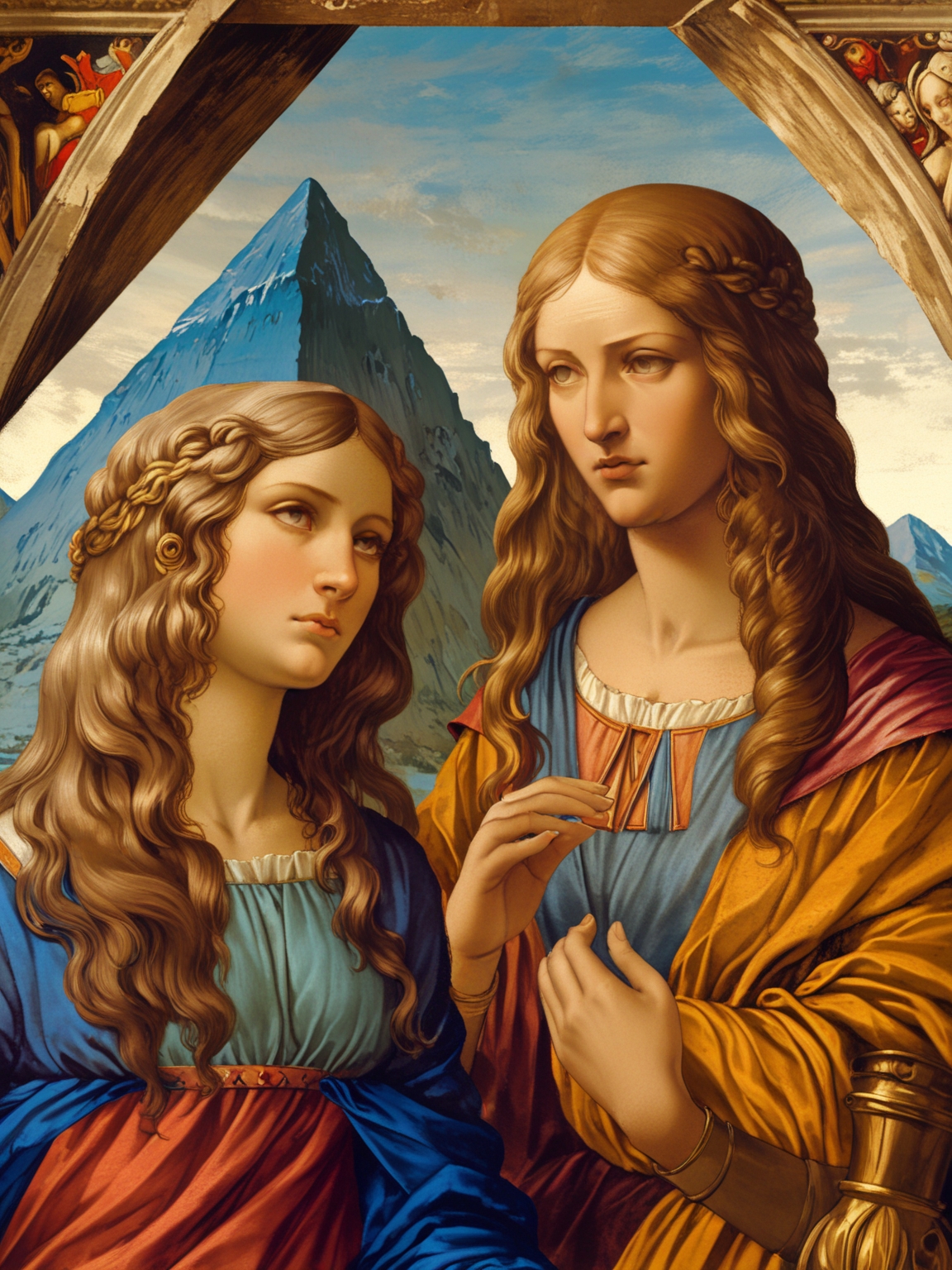
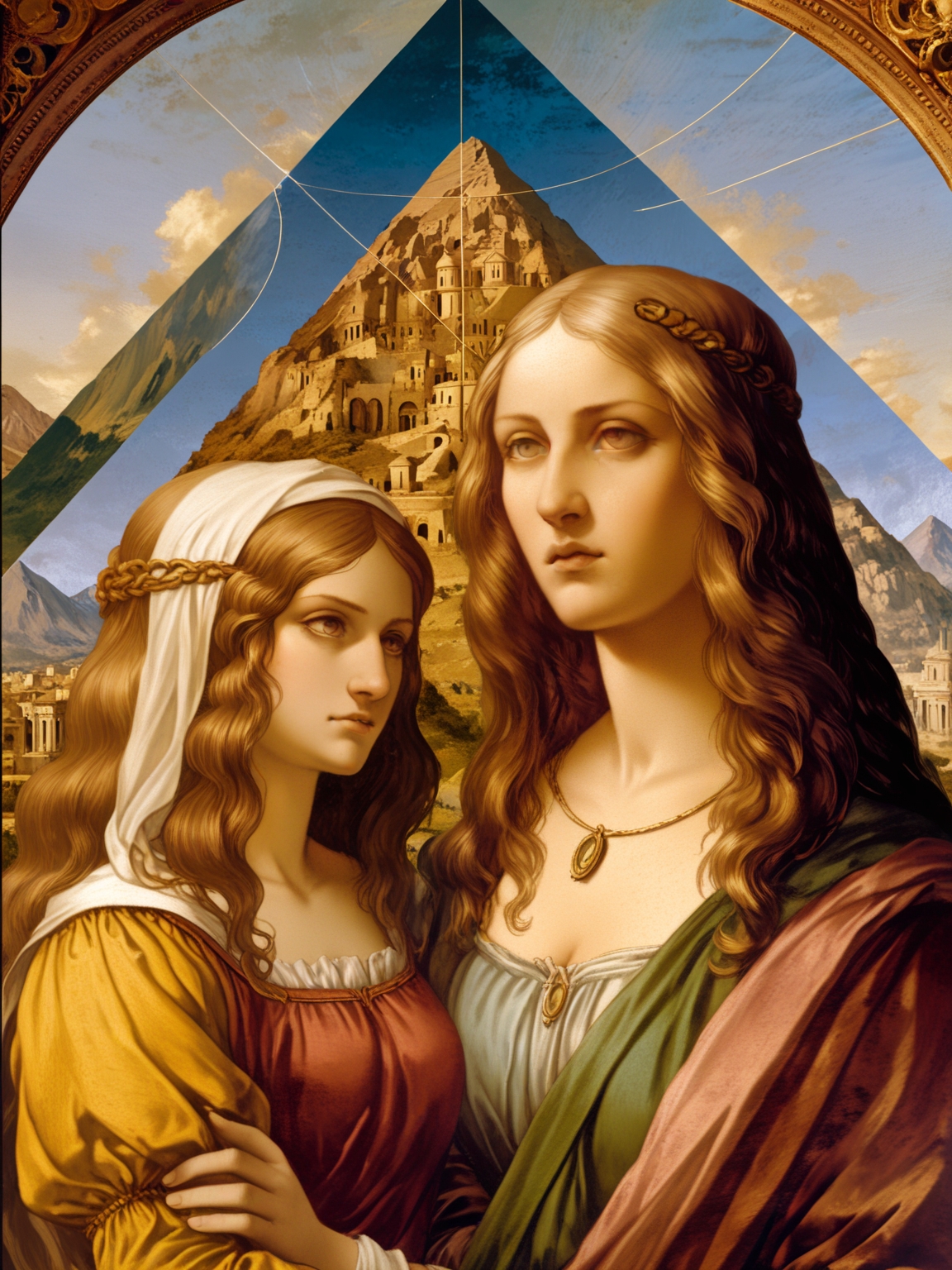
Picking up where we left off, things get complicated in these verses.
Verse 4: As a result of Abram obeying Sarai’s advice, Hagar becomes pregnant. This marks a turning point in the story.
Verse 5: Things take a nasty turn. Hagar, now pregnant, starts to look down on her mistress, Sarai. This is most likely due to her newfound status as the bearer of Abram’s child. It serves as a warning that jealousy and pride may enter into even the most difficult conditions. Sarai is hurt and blames Abram for the tension. She asks God to act as a witness and judge the matter.
Verse 6: Abram does not argue. He admits that Hagar is Sarai’s servant and leaves the decision on how to handle the situation to Sarai. This is a passive answer that does not necessarily fix the problem. Unfortunately, Sarai vents her wrath on Hagar, mistreating her. Hagar runs, frantic and scared.
This entire issue is a mess. It depicts the difficulties of infertility and the complexities of navigating complex family dynamics. It is vital to remember that the Bible does not hide its characters’ shortcomings. Even people of faith make blunders.
Genesis 16:7-10 NIV
The angel of the Lord found Hagar near a spring in the desert; it was the spring that is beside the road to Shur. And he said, “Hagar, slave of Sarai, where have you come from, and where are you going?”
“I’m running away from my mistress Sarai,” she answered.
Then the angel of the Lord told her, “Go back to your mistress and submit to her.” The angel added, “I will increase your descendants so much that they will be too numerous to count.”
Genesis 16:7-10 NIV
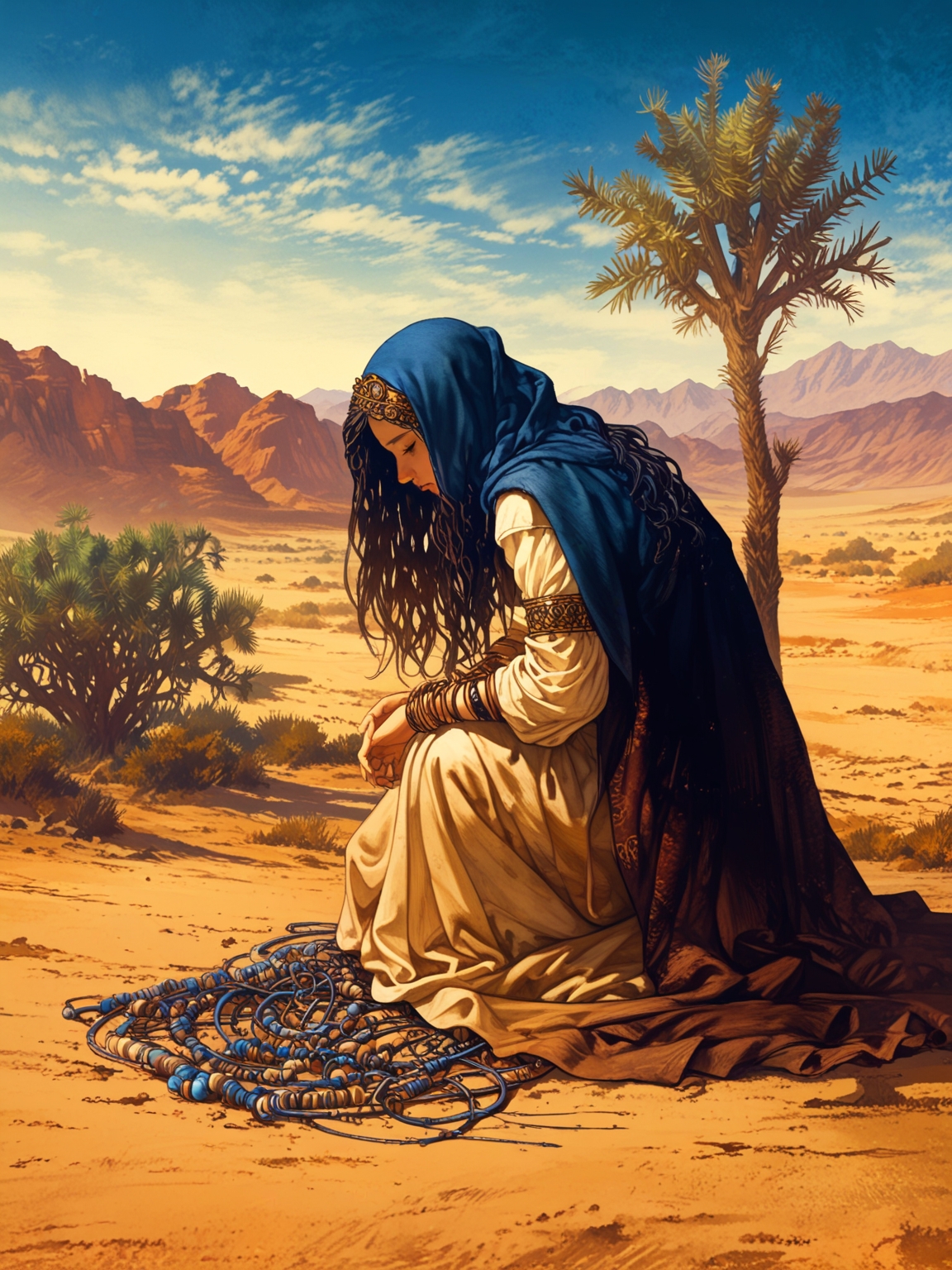
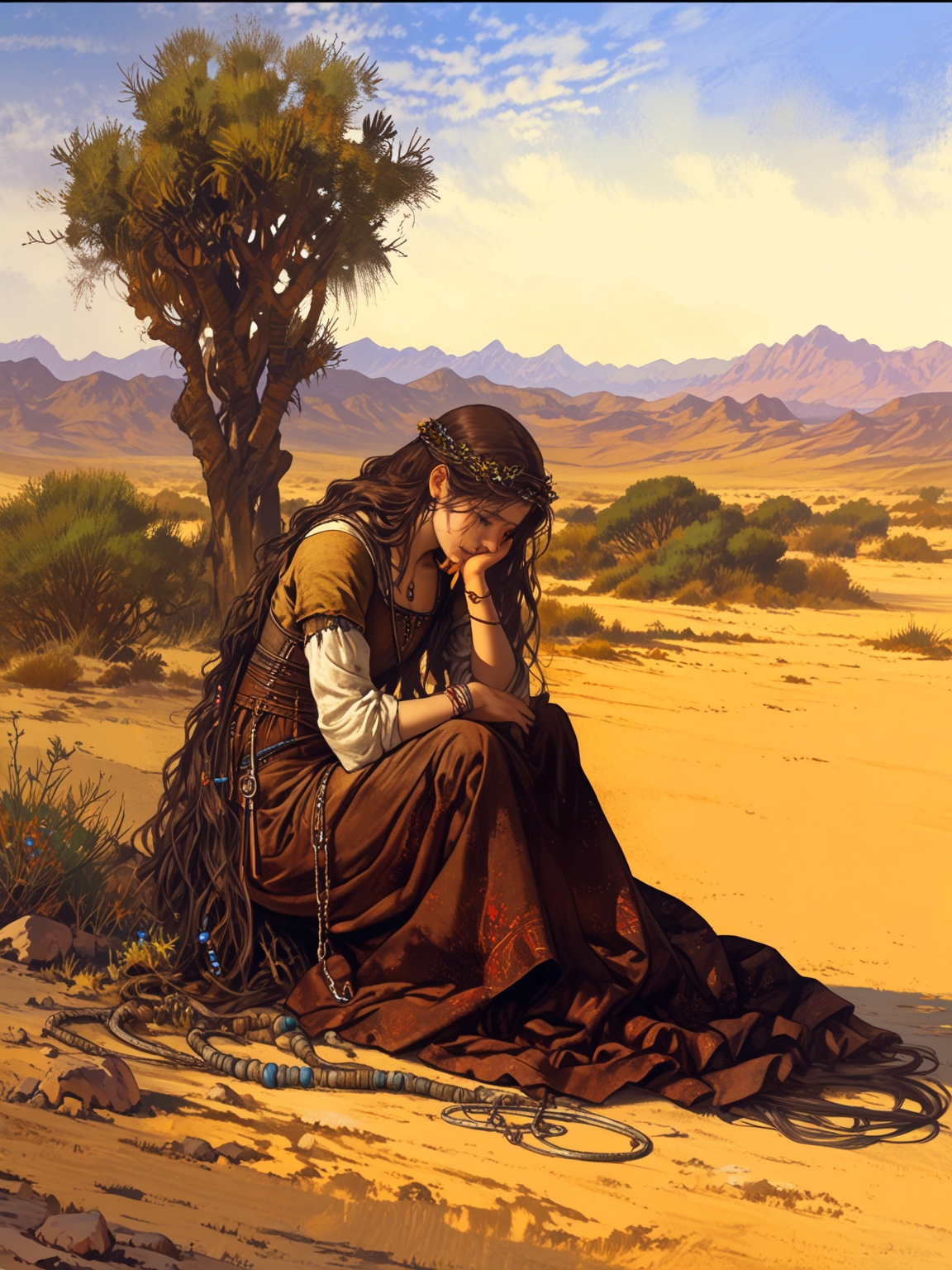
Verse 7: Having fled Sarai’s maltreatment, Hagar finds herself alone and unprotected in the hard desert. Even in the most forlorn area, God finds her. An angel of the Lord arrives at a stream, representing life and hope in the arid wasteland.
Verse 8: The angel addresses Hagar directly, referring to her by name. It’s a reminder that God sees her, even when she feels invisible. The angel asks two basic questions: “Where have you come from?” and “Where are you going?” These are not intended to be accusing, but rather to encourage Hagar to relate her tale and fears.
Verse 9: Hagar, in desperation, speaks the truth. She’s fleeing from a bad position. The angel’s response may surprise us. Rather than telling Hagar to continue escaping, the angel tells her to “go back to your mistress and submit to her.” This can be a difficult pill to swallow, but remember that God frequently works in surprising ways.
Verse 10: Now comes the great part! Even though Hagar must return to a difficult circumstance, the angel sends a message of great hope. God intends to “increase your descendants so much that they will be too numerous to count.” This is a promise that goes well beyond Hagar’s lifetime and speaks to the future generations descended from her bloodline.
Even when life gives us curveballs, God can use them for His good. This narrative demonstrates that God’s faithfulness extends to everyone, including those who feel unseen or forgotten.
Genesis 16:11-12 NIV
The angel of the Lord also said to her:
“You are now pregnant
and you will give birth to a son.
You shall name him Ishmael,
for the Lord has heard of your misery.
He will be a wild donkey of a man;
his hand will be against everyone
and everyone’s hand against him,
and he will live in hostility
toward all his brothers.”
Genesis 16:11-12 NIV
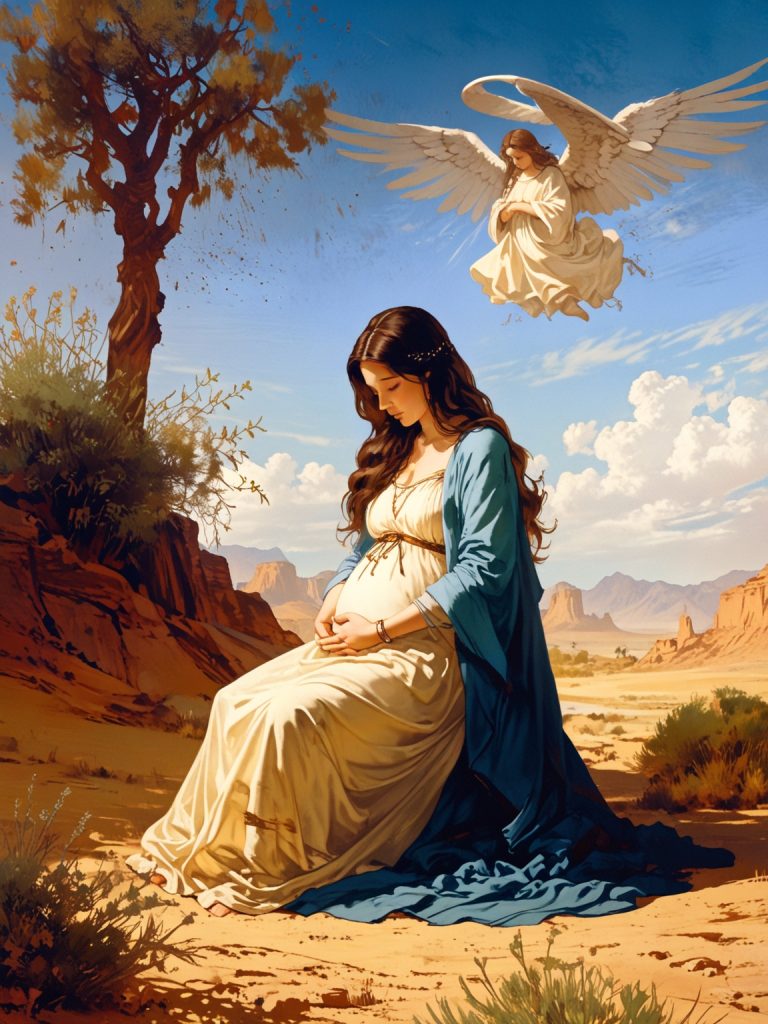
Verse 11: The angel gives Hagar some more information. First, the angel confirms what Hagar might already suspect – she’s pregnant with a son! This is a powerful reminder that even in the midst of hardship, new life can emerge. The angel also instructs Hagar to name her son Ishmael, which means “God hears.” This is a beautiful name, signifying that God has not abandoned Hagar in her suffering.
Verse 12: Here, the passage takes a bit of a turn. The angel describes Ishmael with a metaphor – a “wild donkey of a man.” This suggests someone who is independent, strong-willed, and perhaps even rebellious. It goes on to say that Ishmael will live a life of conflict – “his hand will be against everyone and everyone’s hand against him.” This might seem like a harsh prophecy, but it could also be interpreted as a life of self-reliance and resilience.
The last line tells us that Ishmael will live in hostility towards his “brothers.” This foreshadows some future tension between Ishmael and Isaac, the son Sarai will eventually bear.
It’s important to remember that the Bible doesn’t always paint a rosy picture. It shows the complexities of life, including conflict and hardship. This passage doesn’t diminish the difficulties Hagar will face raising Ishmael, but it does offer a glimpse of his future and the role his descendants will play in God’s plan.
Genesis 16:13-16 NIV
She gave this name to the Lord who spoke to her: “You are the God who sees me,” for she said, “I have now seen the One who sees me.” That is why the well was called Beer Lahai Roi; it is still there, between Kadesh and Bered.
So Hagar bore Abram a son, and Abram gave the name Ishmael to the son she had borne. Abram was eighty-six years old when Hagar bore him Ishmael.
Genesis 16:13-16 NIV
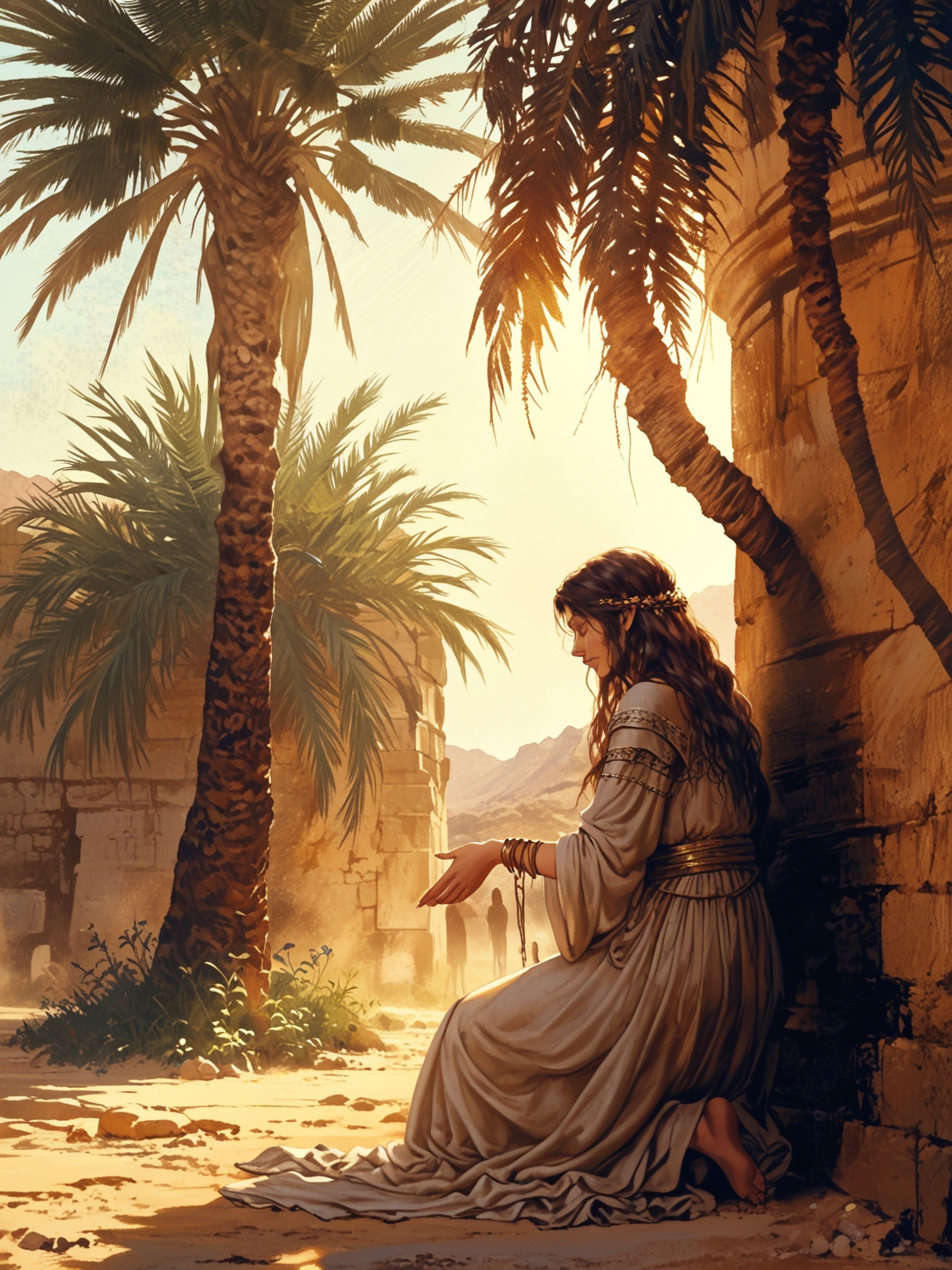
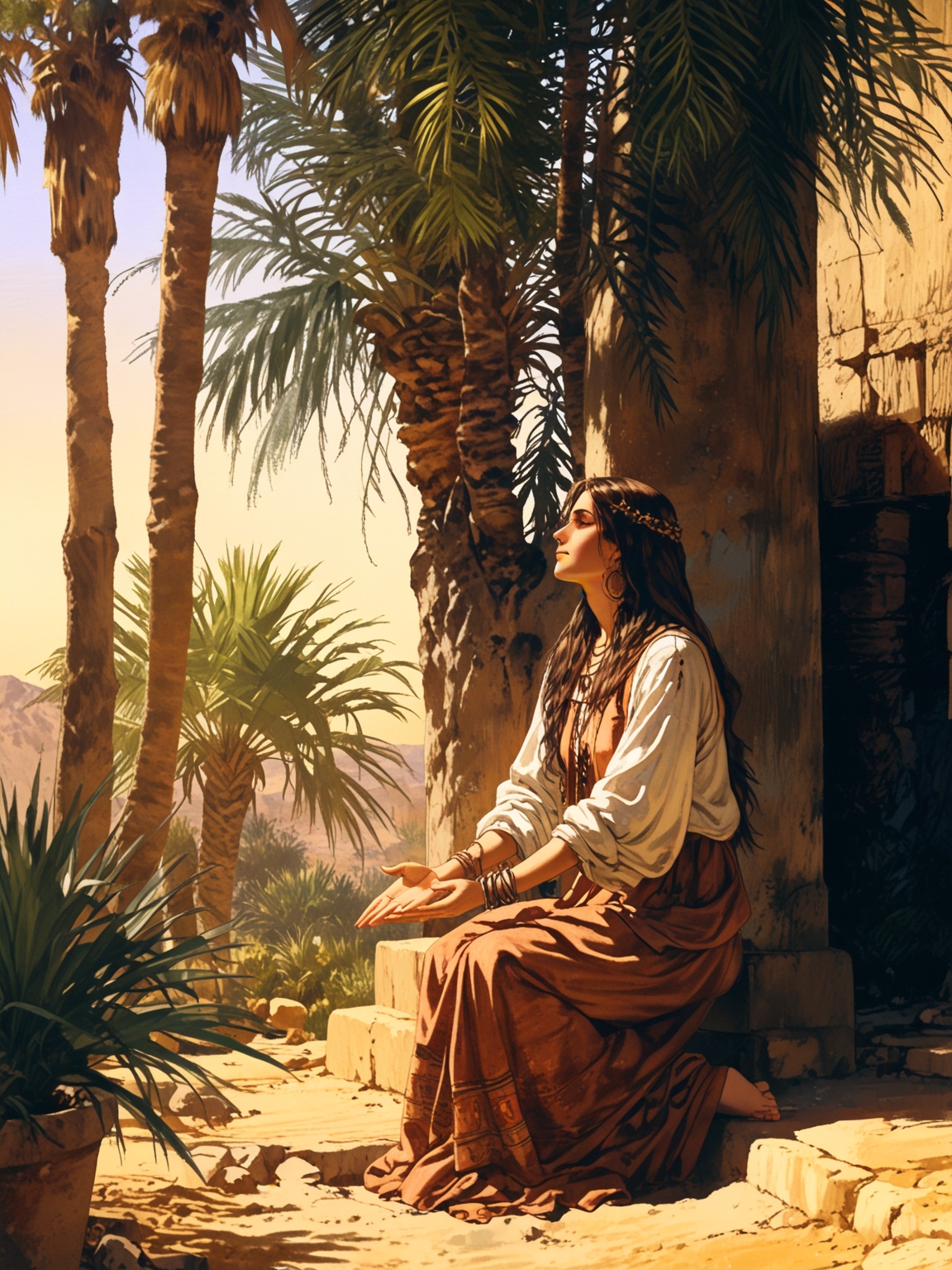
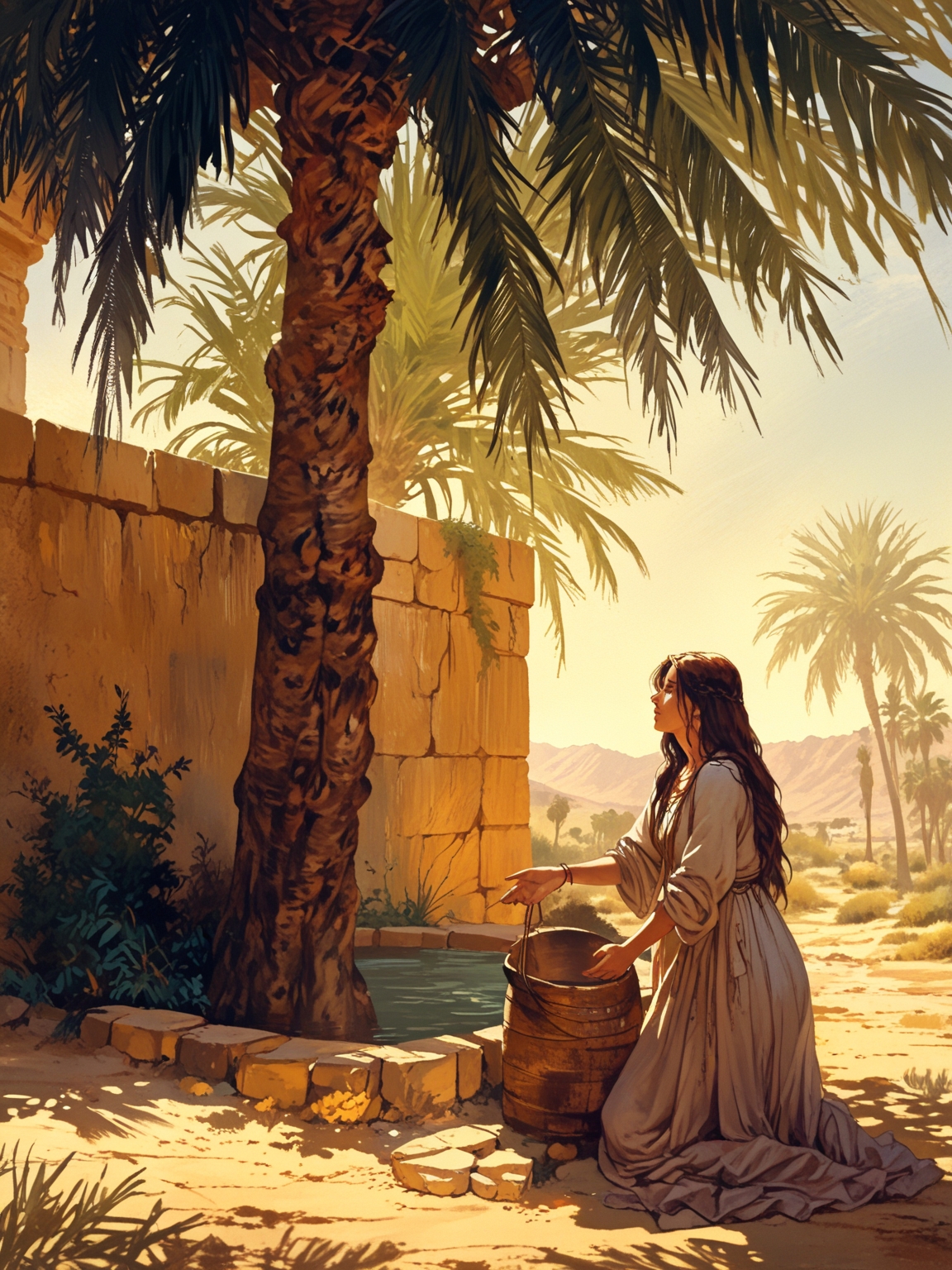
This paragraph concludes the tale of Hagar’s encounter with the angel in the desert. It’s a lovely finale that conveys a sense of hope and God’s presence.
Verse 13: Hagar had a powerful experience. After the angel talks to her, she gives God a new name: “El Roi,” which translates to “the God who sees me.” This is a significant moment. Hagar, who before felt unnoticed and alone, now realizes God’s presence in her life.
Verse 14: This verse explains the origin of a well’s name – “Beer Lahai Roi,” which means “The Well of the Living One Who Sees Me.” This well becomes a lasting reminder of Hagar’s encounter with God and the hope she received. It’s a beautiful detail that shows how even in the harsh desert, God provides for his people.
Verse 15: Finally, Hagar gives birth to a son named Ishmael, as commanded by the angel. Despite the fact that the conditions were not ideal, God’s promise has been fulfilled.
Verse 16: The story concludes by telling us Abram’s age at the time Ishmael was born. It emphasizes the long wait Abram and Sarai had before having a child.
This narrative about Hagar serves as a reminder that even in our darkest situations, God watches us. He hears our cries and gives us hope, even when the future appears uncertain. Even though this event was not part of God’s original design, He uses it to accomplish His goals.
That’s all there is to this part of the story of Abram, Sarai, and Hagar! It’s a complex situation that teaches us a lot about faith, family, and God’s faithfulness even when life gets messy.
We see struggles with infertility, the challenges of navigating complex family dynamics, and the consequences of difficult decisions. But through it all, God remains present. He sees Hagar in her suffering, hears her cries, and offers her hope for the future.
If you’d like to explore more stories from the Bible, I encourage you to check out our bible section, it features beautiful, AI-generated images alongside the text, bringing these stories to life in a whole new way. It’s a great resource for anyone wanting to deepen their understanding of the Bible in a visually engaging way.
Thanks for joining me on this journey through Genesis!


