

Genesis 15:1-3 NIV
After this, the word of the Lord came to Abram in a vision:
“Do not be afraid, Abram.
I am your shield,
your very great reward.”
But Abram said, “Sovereign Lord, what can you give me since I remain childless and the one who will inherit my estate is Eliezer of Damascus?” And Abram said, “You have given me no children; so a servant in my household will be my heir.”
Genesis 15:1-3 NIV
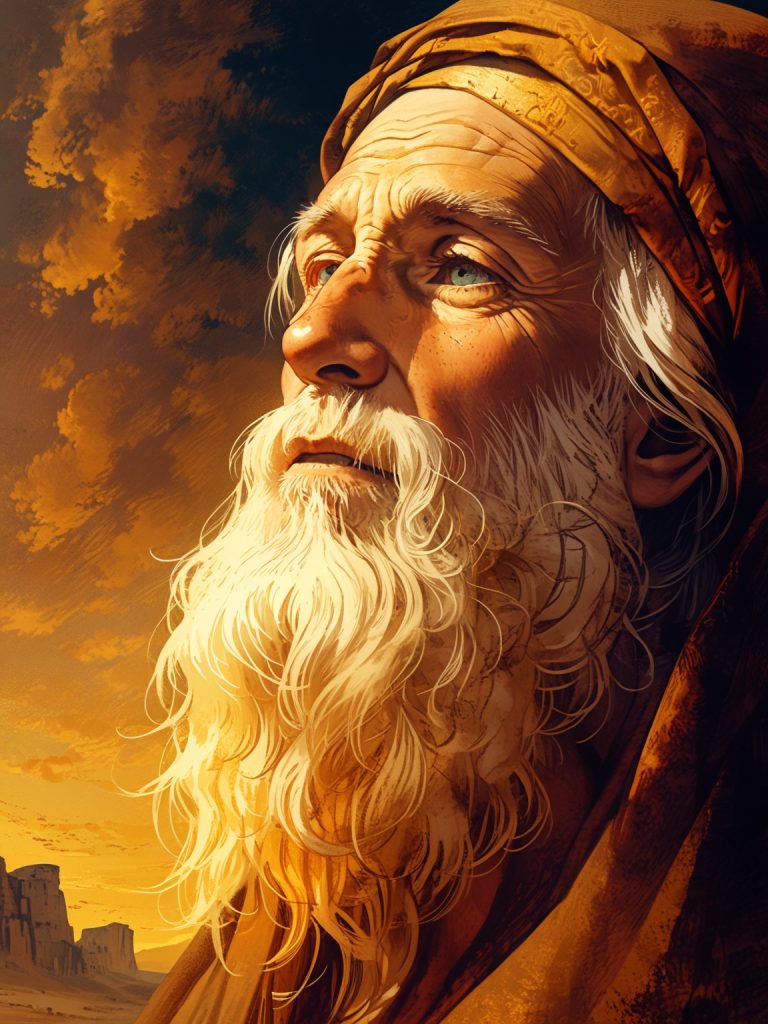
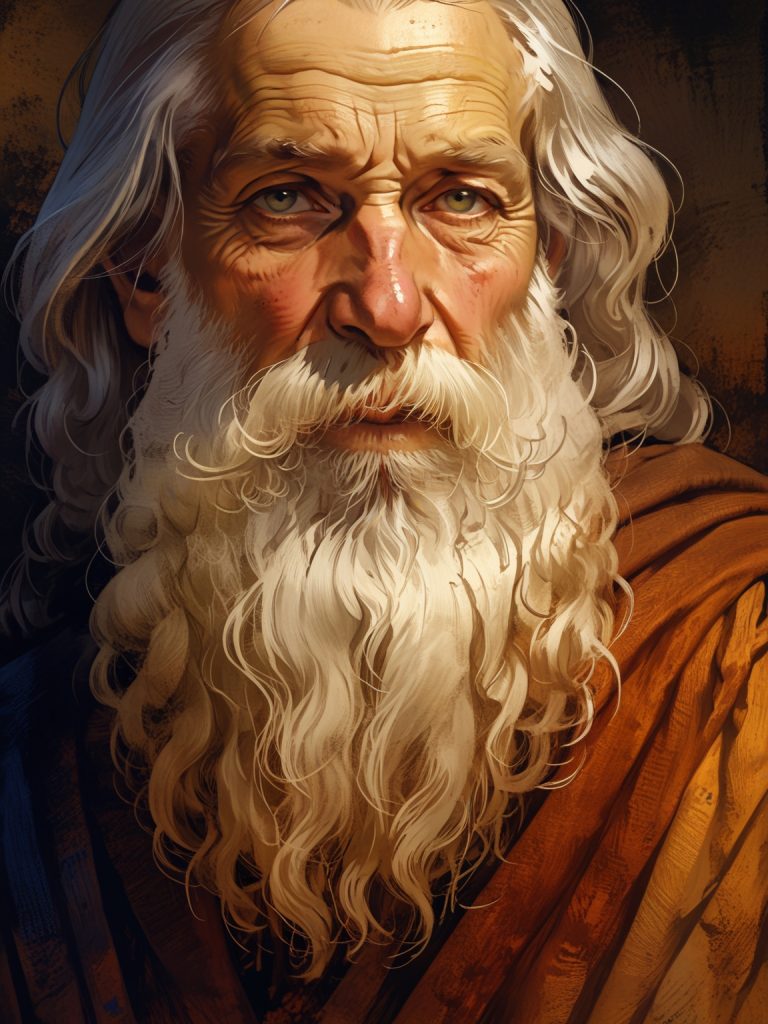
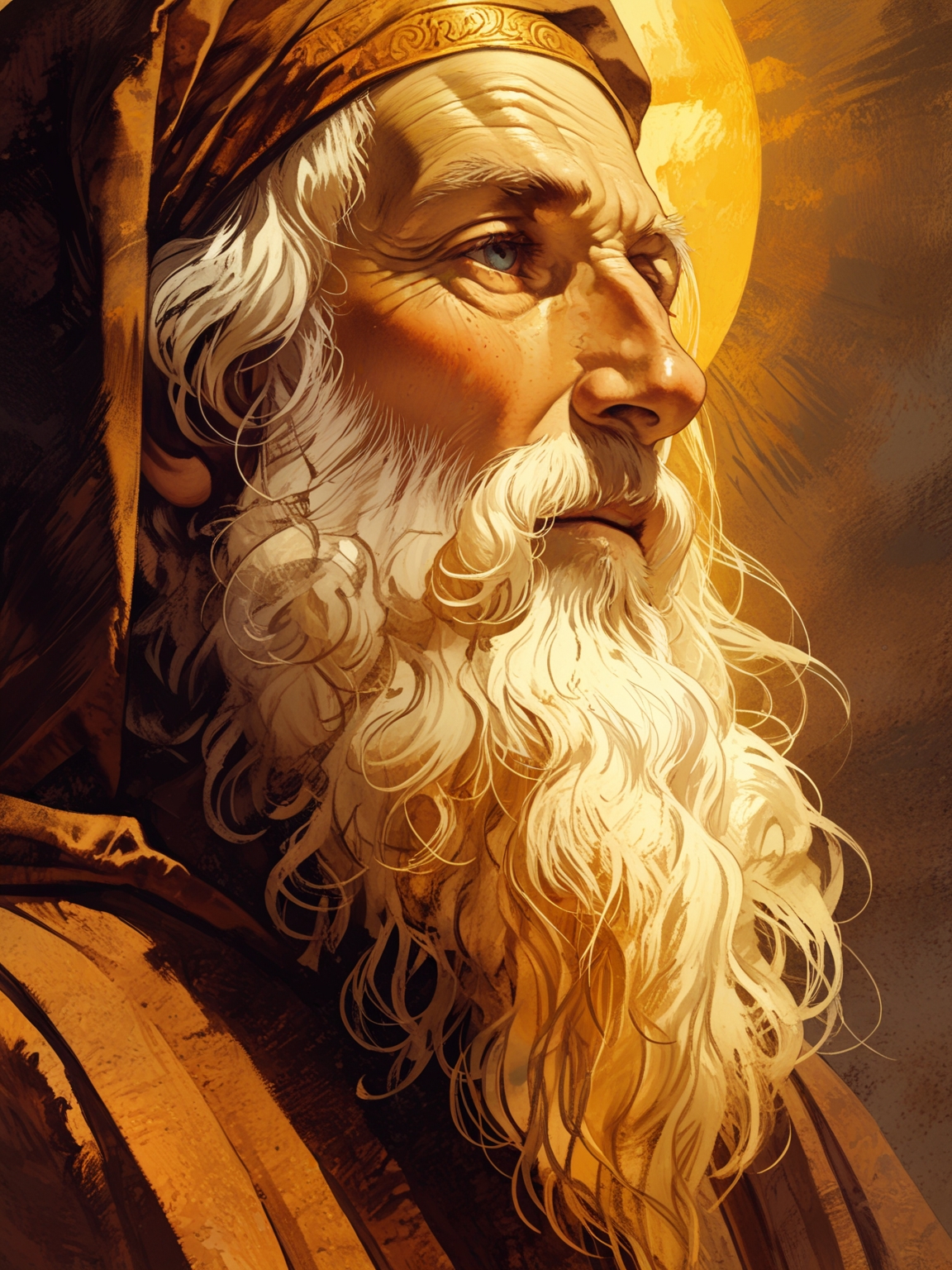
Verse 1: This section marks a watershed moment in Abram’s story. The Bible states, “the word of the Lord came to Abram in a vision.” This suggests God communicated with Abram directly, not in a literal voice, but through a particular dream or picture. The message is clear: “Do not be afraid, Abram.” Imagine how soothing that would be! God understands Abram’s concerns following the events of the preceding chapter, and He wishes to reassure him of His presence and protection. He says, “I am your shield,” like a soldier’s armor, pledging to protect Abram from harm. Finally, God describes Himself as Abram’s “very great reward.” This suggests that following God’s plan, no matter how tough it appears, will eventually bring Abram enormous blessings.
Verse 2: Now things get intriguing. Abram reacts to God’s word with a question. He addresses God as “Sovereign Lord,” a phrase that conveys deep respect. Then he asks, “What can you give me because I am childless?” This is a very humane concern. Abram is concerned about his legacy, about who will inherit his possessions. He describes “Eliezer of Damascus,” a devoted servant who may become Abram’s successor if he has no children.
Verse 3: Abram reiterates his concern. He responds, “You have not given me any children.” This must have been a huge disappointment for Abram, who most certainly wished for a family. He says, “So a servant in my household will be my heir.” Abram believes his future is uncertain.
This text demonstrates a lovely truth: even strong people of faith like Abram have questions and fears. But it also demonstrates God’s faithfulness. Despite Abram’s concerns, God has a big plan for him that we will see develop in the next chapters.
Genesis 15:4-5 NIV
Then the word of the Lord came to him: “This man will not be your heir, but a son who is your own flesh and blood will be your heir.” He took him outside and said, “Look up at the sky and count the stars—if indeed you can count them.” Then he said to him, “So shall your offspring be.”
Genesis 15:4-5 NIV
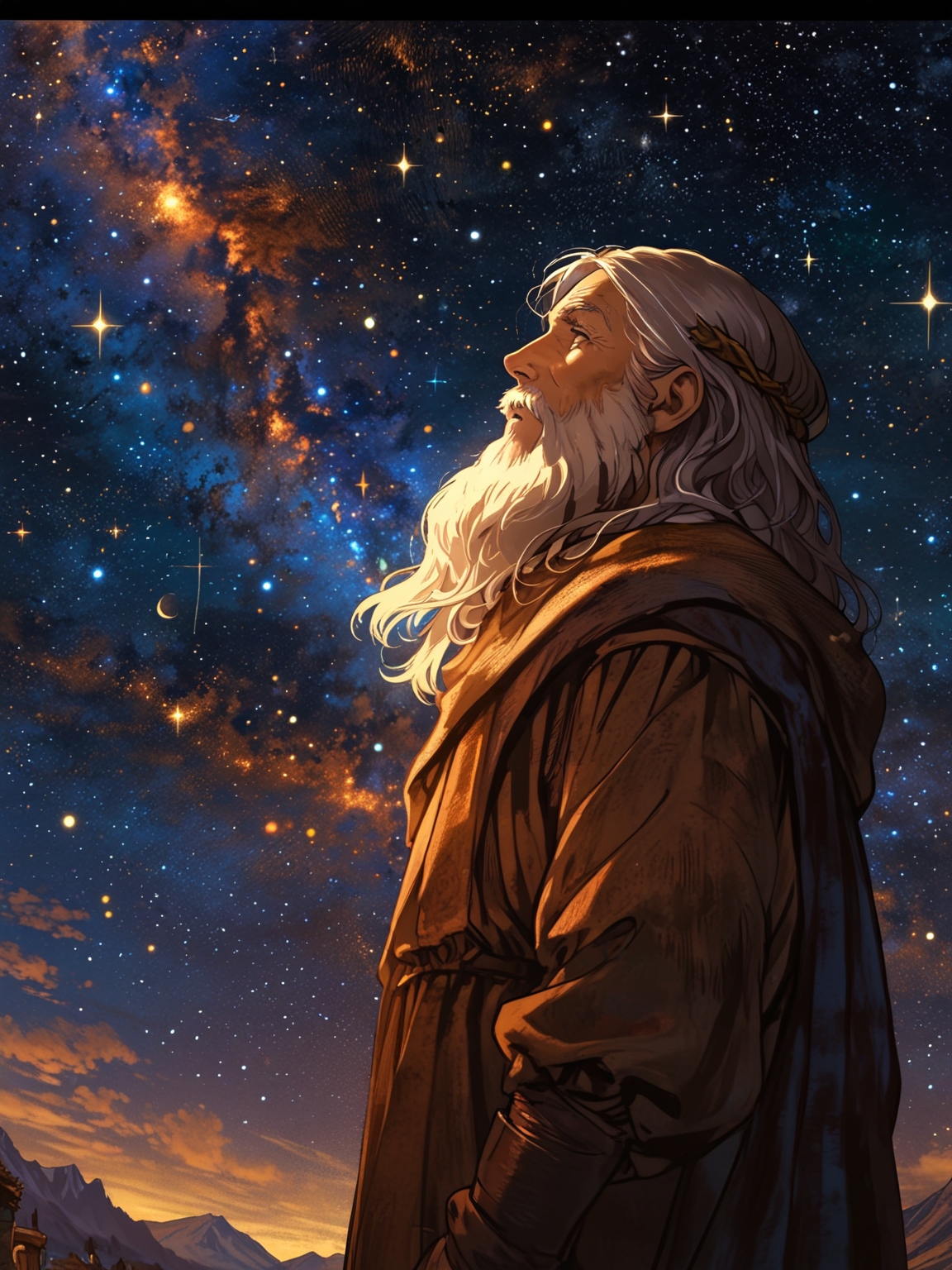

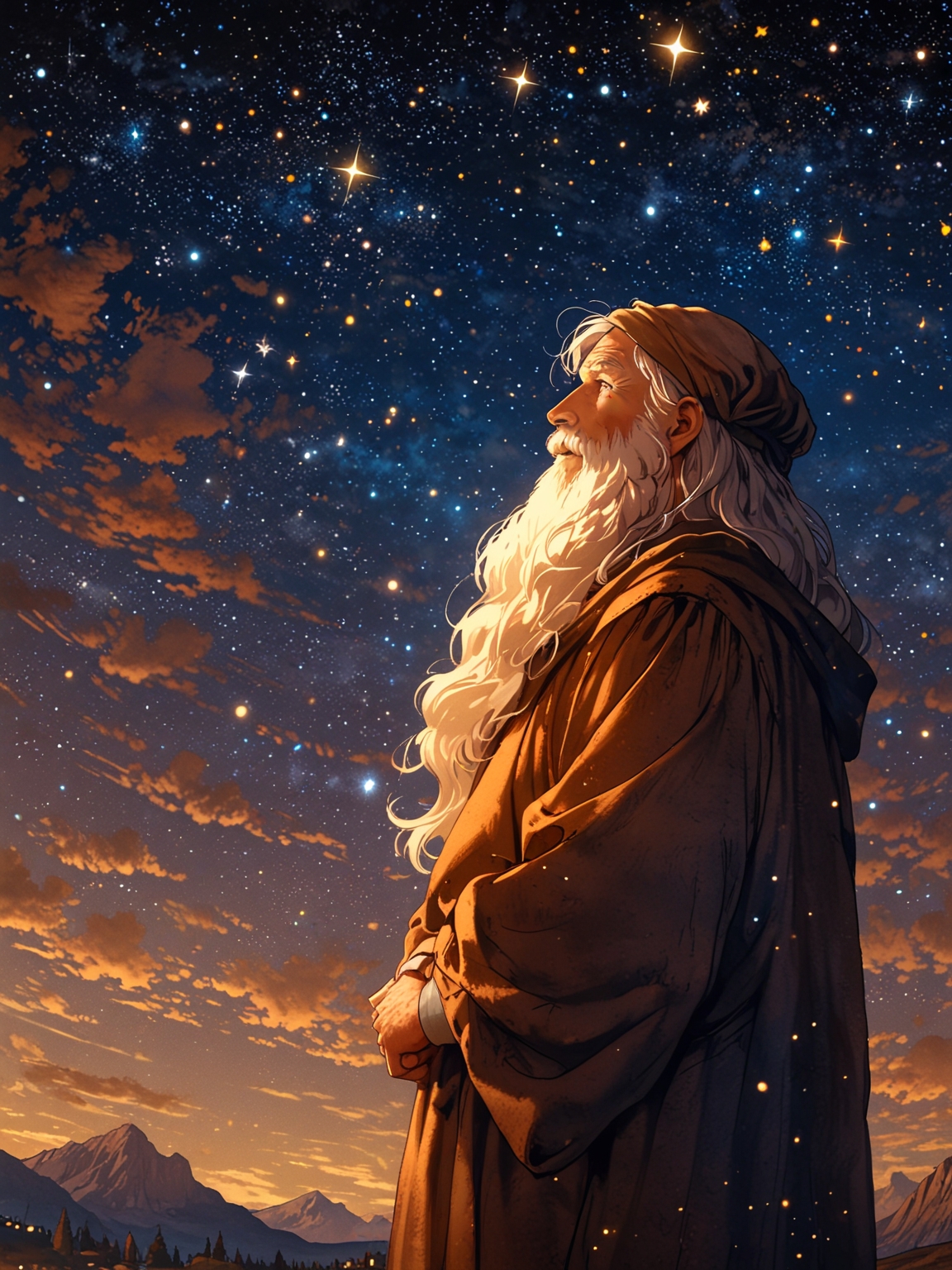
Verse 4: This verse responds directly to Abram’s concerns. God warns him, “This man will not be your heir,” referring to Abram’s devoted servant, Eliezer. This might surprise Abram, but God has something even greater in mind! The verse concludes with a significant promise: “A son of your own flesh and blood will be your heir.” God informs Abram that he will have a biological child to carry on his heritage.
Verse 5: God sends Abram a visual tool to demonstrate his promise. He takes Abram outside and instructs him, “Look up at the sky and count the stars—if you can count them.” Imagine looking up at a wide, starry night sky. It’s impossible to count all the glittering lights! Then God gives the important message: “So shall your offspring be.” Abram’s descendants will be as many as the stars, making it impossible to count them properly.
This verse is a wonderful reminder of God’s faithfulness. He hears our anxieties and concerns, and He has incredible plans for our future that we can’t see. God’s promises may appear unachievable at times, yet, like the innumerable stars, they are guaranteed!
Genesis 15:6-11 NIV
Abram believed the Lord, and he credited it to him as righteousness.
He also said to him, “I am the Lord, who brought you out of Ur of the Chaldeans to give you this land to take possession of it.”
But Abram said, “Sovereign Lord, how can I know that I will gain possession of it?”
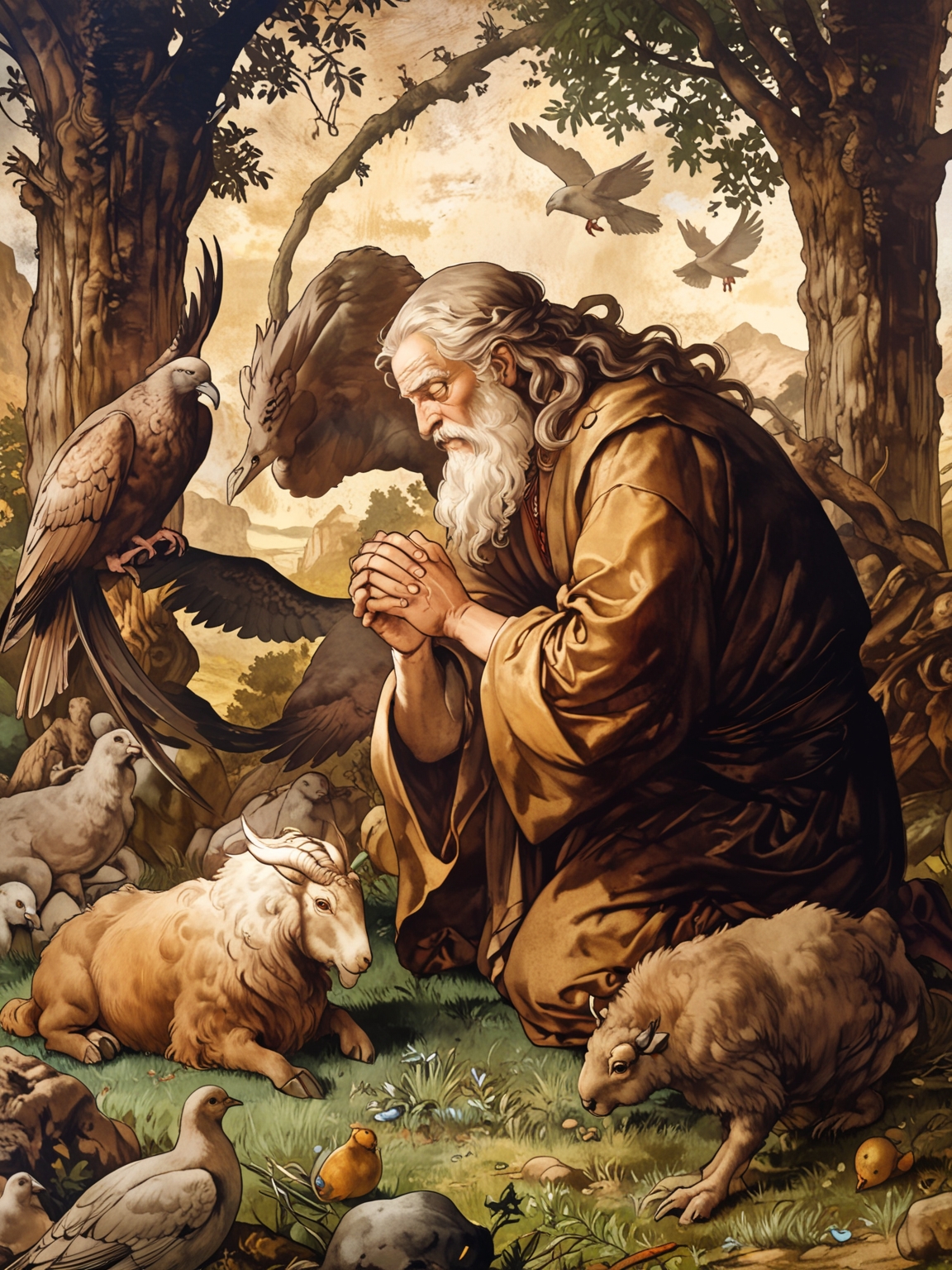
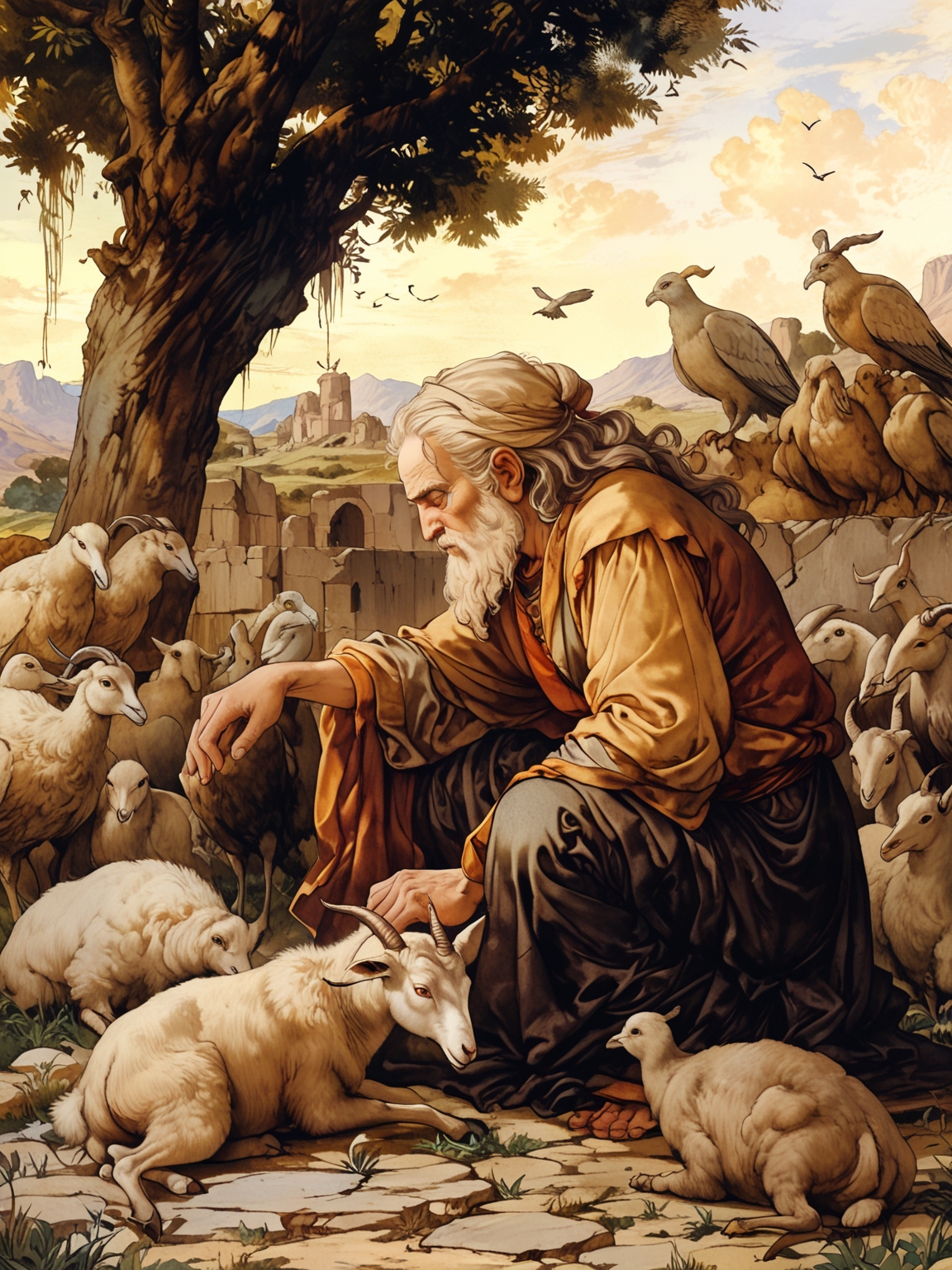
So the Lord said to him, “Bring me a heifer, a goat and a ram, each three years old, along with a dove and a young pigeon.”
Abram brought all these to him, cut them in two and arranged the halves opposite each other; the birds, however, he did not cut in half. Then birds of prey came down on the carcasses, but Abram drove them away.
Genesis 15:6-11 NIV
Verse 6: This verse marks a turning point. The Bible says, “Abram believed the Lord.” Remember that Abram had some misgivings earlier, but now he decides to believe God’s promises concerning a son and a future inheritance. This scripture is incredibly important because it teaches us that faith is essential in God’s eyes. Abram’s favor was achieved by his believe in God’s word, not his good works. The amazing part? The Bible states that this act of faith is “credited to him as righteousness.” In other words, God regards Abram’s confidence as good and right.
Verse 7: God now renews His covenant to Abram. He brings it back: “I am the Lord, who brought you out of Ur of the Chaldeans to give you this land to take possession of it.” God reminds Abram of their shared history, including how He delivered him from his past and brought him to this new place. This is a powerful reminder that God keeps his promises!
Verse 8: Despite Abram’s faith, some doubt creeps back in. He poses the question: “Sovereign Lord, how can I know that I will gain possession of it?” This is a natural question. The land is now populated, and Abram worries how God would keep His promise.
Verse 9 and 10: Here, God responds to Abram’s question in a unique fashion. He directs Abram to select specific animals and prepare them in a unique manner, cutting some in half but leaving the birds whole. This ceremony, known as a covenant sacrifice, allowed God and Abram to walk symbolically between the separated animals, demonstrating their mutual dedication to the agreement.
Verse 11: Scavenging birds interrupt the event, but Abram drives them away. This could represent future problems that threaten the fulfillment of God’s promise, but Abram exhibits his willingness to maintain his faith.
This verse reminds us that even believers might have misgivings. But what matters most is that we believe God’s promises, even when we don’t see the complete picture. God is faithful, and He will carry out His plans in His perfect timing.
Genesis 15:12-16 NIV
As the sun was setting, Abram fell into a deep sleep, and a thick and dreadful darkness came over him. Then the Lord said to him, “Know for certain that for four hundred years your descendants will be strangers in a country not their own and that they will be enslaved and mistreated there. But I will punish the nation they serve as slaves, and afterward they will come out with great possessions. You, however, will go to your ancestors in peace and be buried at a good old age. In the fourth generation your descendants will come back here, for the sin of the Amorites has not yet reached its full measure.”
Genesis 15:12-16 NIV
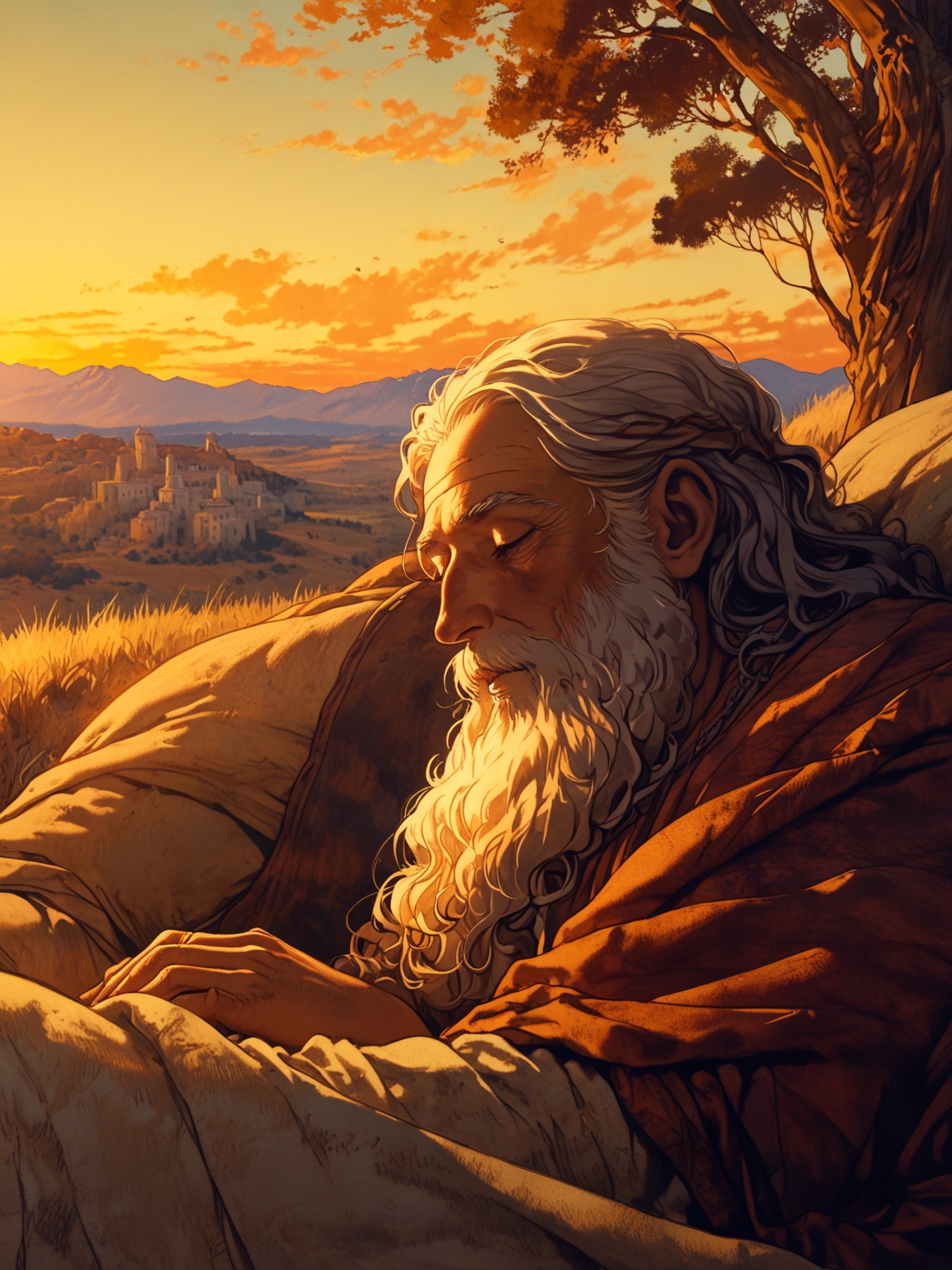
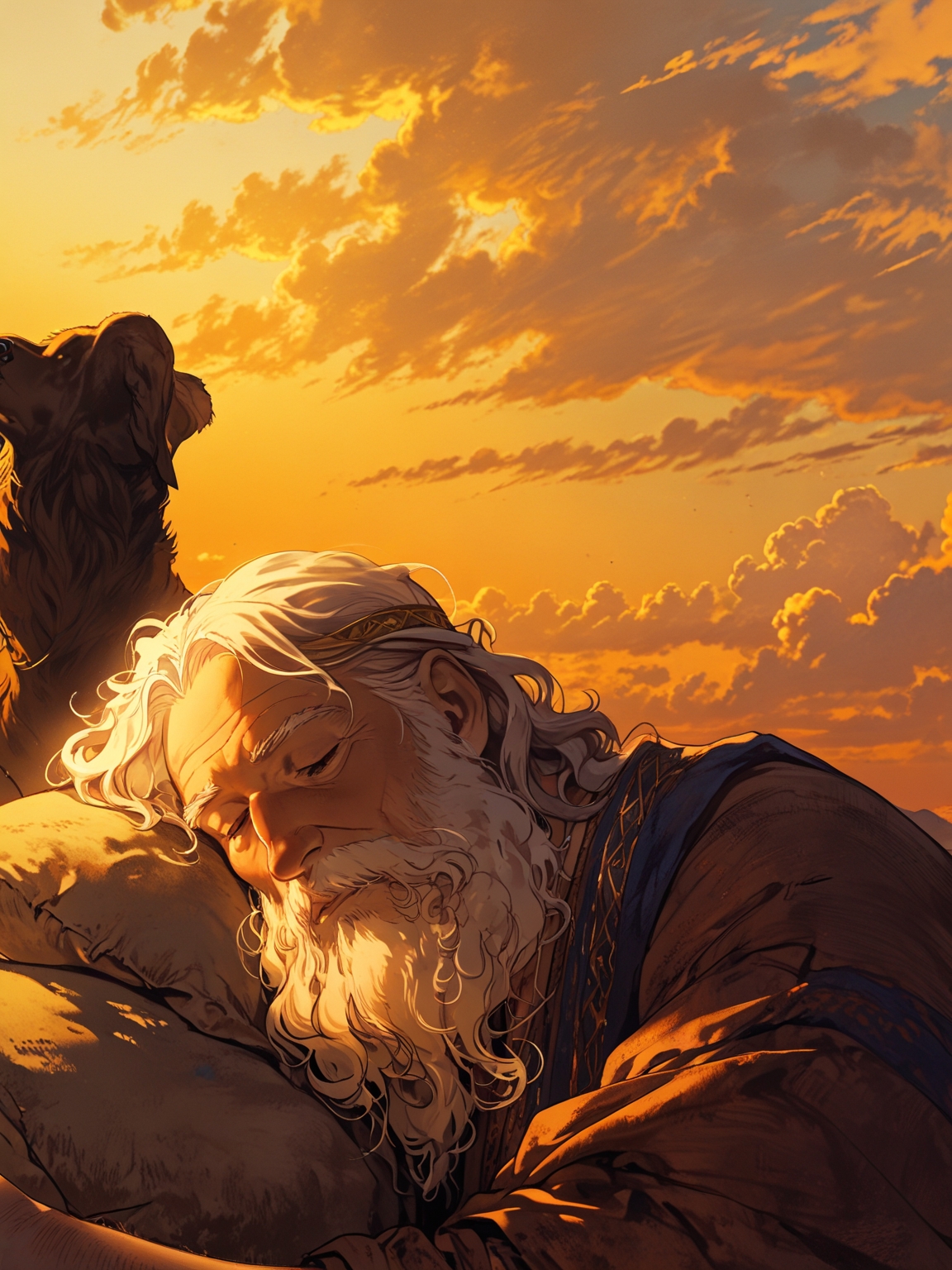
Verse 12: This verse sets the scene. As the sun sets, Abram falls into a deep sleep. The Bible describes it as a “thick and dreadful darkness.” This could be a literal description of nightfall, or it could symbolize a deeper spiritual experience.
Verse 13: Now, God delivers a message to Abram. He says, “Know for certain…” which emphasizes the importance of what follows. God reveals that Abram’s descendants will face a challenging time. For “four hundred years” they will be “strangers in a country not their own,” likely referring to their future enslavement in Egypt.
Verse 14: But here’s the good news! God assures Abram that He will not abandon them. He says, “I will punish the nation they serve as slaves,” meaning God will bring justice on those who mistreat Abram’s descendants. And even better, He promises, “afterward they will come out with great possessions.” This foreshadows the Israelites’ eventual freedom from Egypt and the wealth they will acquire.
Verse 15: Here, God offers comfort to Abram personally. He tells him, “You, however, will go to your ancestors in peace and be buried at a good old age.” Even though Abram won’t see the fulfillment of all the promises, he will have a long and peaceful life.
Verse 16: Finally, God explains the timeline a bit more. He says, “In the fourth generation your descendants will come back here,” referring to their return to the promised land. There’s a reason for the delay, though. God adds, “for the sin of the Amorites has not yet reached its full measure.” The Amorites were the people who currently inhabited the land. God is a just God, and He will wait until their wickedness reaches a tipping point before driving them out and allowing Abram’s descendants to possess the land.
This passage can be a reminder that God’s plans sometimes unfold over a long time. He sees the big picture, even when we can’t. And even though there might be periods of difficulty, God remains faithful and will ultimately fulfill His promises.
Genesis 15:17-21 NIV
When the sun had set and darkness had fallen, a smoking firepot with a blazing torch appeared and passed between the pieces. On that day the Lord made a covenant with Abram and said, “To your descendants I give this land, from the Wadi of Egypt to the great river, the Euphrates— the land of the Kenites, Kenizzites, Kadmonites, Hittites, Perizzites, Rephaites, Amorites, Canaanites, Girgashites and Jebusites.”
Genesis 15:17-21 NIV
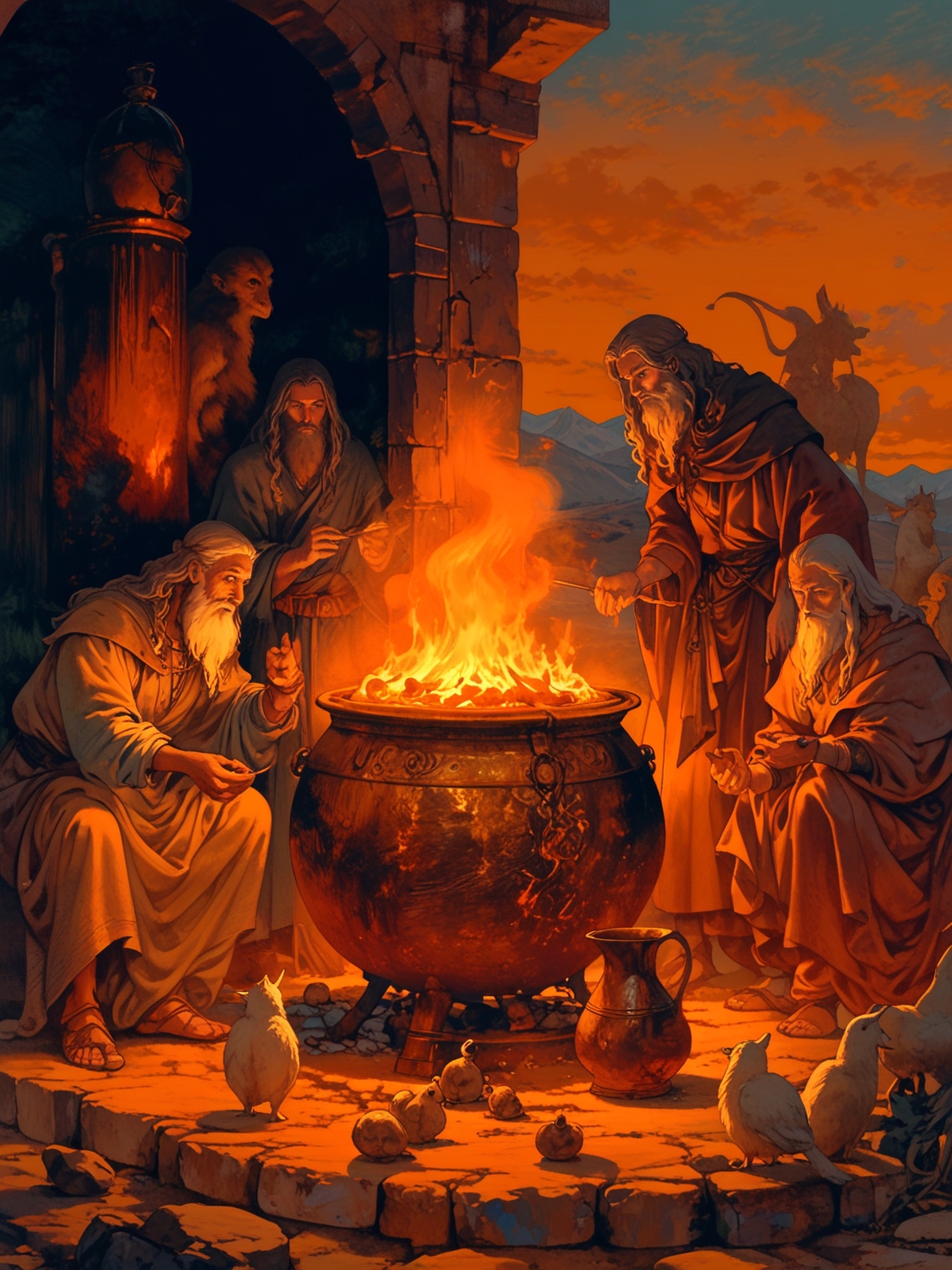
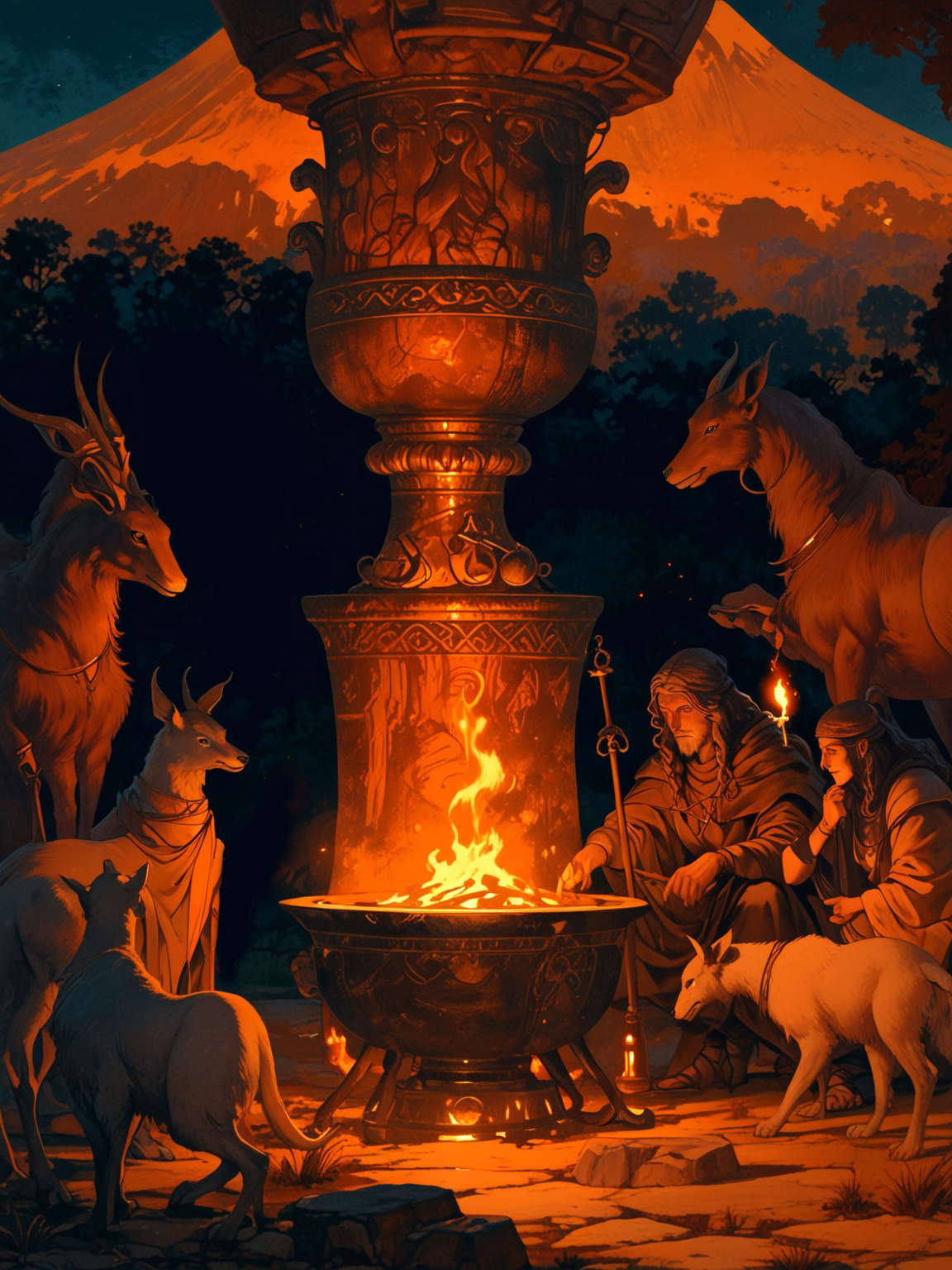
Verse 17 portrays a dramatic scene. Following the previous verses’ sights and messages, the sun sets and darkness falls. Then an astonishing event occurs: “a smoking firepot with a blazing torch appeared and passed between the pieces.” The exact meaning of this imagery is contested, but it is a striking representation of God’s presence and reinforcement of the bond with Abram. The smoke and flames could represent God’s power and holiness, whilst the torch moving between the animal pieces (which we’ll read about in later chapters) represents the finalization of the contract.
Verse 18: God now explicitly outlines the parameters of the agreement. He says, “On that day the Lord made a covenant with Abram and said, ‘To your descendants I give this land.'” This is the formal pronouncement of God’s promise. The land’s particular limits are mentioned, ranging from “the Wadi of Egypt to the great river, the Euphrates.” This is large and fertile territory.
Verse 19-21: These verses list the ten various Canaanite peoples who currently live in the land that God promises to Abram and his descendants. It may appear frightening that these people are already here, yet this list has a purpose. It reminds us of God’s strength. He can keep His promises even when the circumstance appears challenging.
This verse is a wonderful reminder of God’s faithfulness. He makes promises and keeps them. Even if there are obstacles or delays, we can remain confident that God’s plans will eventually be realized.
That’s all for this passage! We’ve seen how God reassured Abram about his future and the future of his descendants, even though there would be hardships along the way. The covenant ceremony with the smoking firepot and the vast territory promised all point to God’s incredible faithfulness.
If you’d like to delve deeper into the Bible, I have a great suggestion! Check out Moralisee.com bible section., it features Bible chapters alongside beautiful, AI-generated images. These images can bring the stories to life in a whole new way, making it even more engaging to explore the scriptures.


