

Genesis 14:1-4 NIV
At the time when Amraphel was king of Shinar, Arioch king of Ellasar, Kedorlaomer king of Elam and Tidal king of Goyim, these kings went to war against Bera king of Sodom, Birsha king of Gomorrah, Shinab king of Admah, Shemeber king of Zeboyim, and the king of Bela (that is, Zoar). All these latter kings joined forces in the Valley of Siddim (that is, the Dead Sea Valley). For twelve years they had been subject to Kedorlaomer, but in the thirteenth year they rebelled.
Genesis 14:1-4 NIV
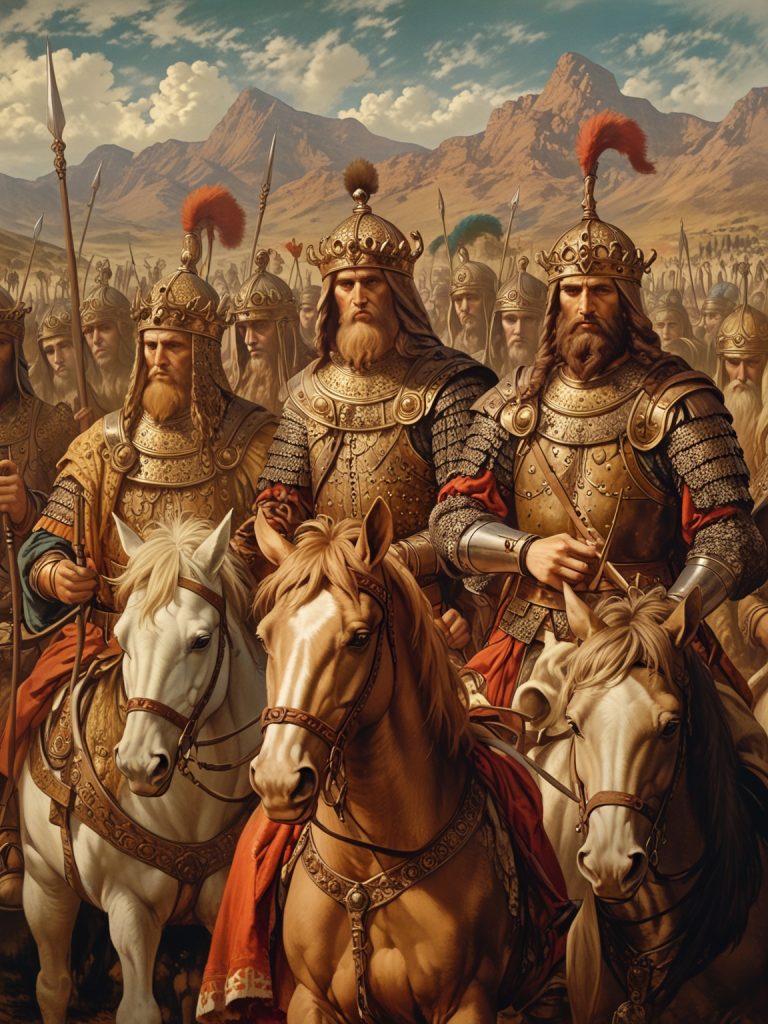
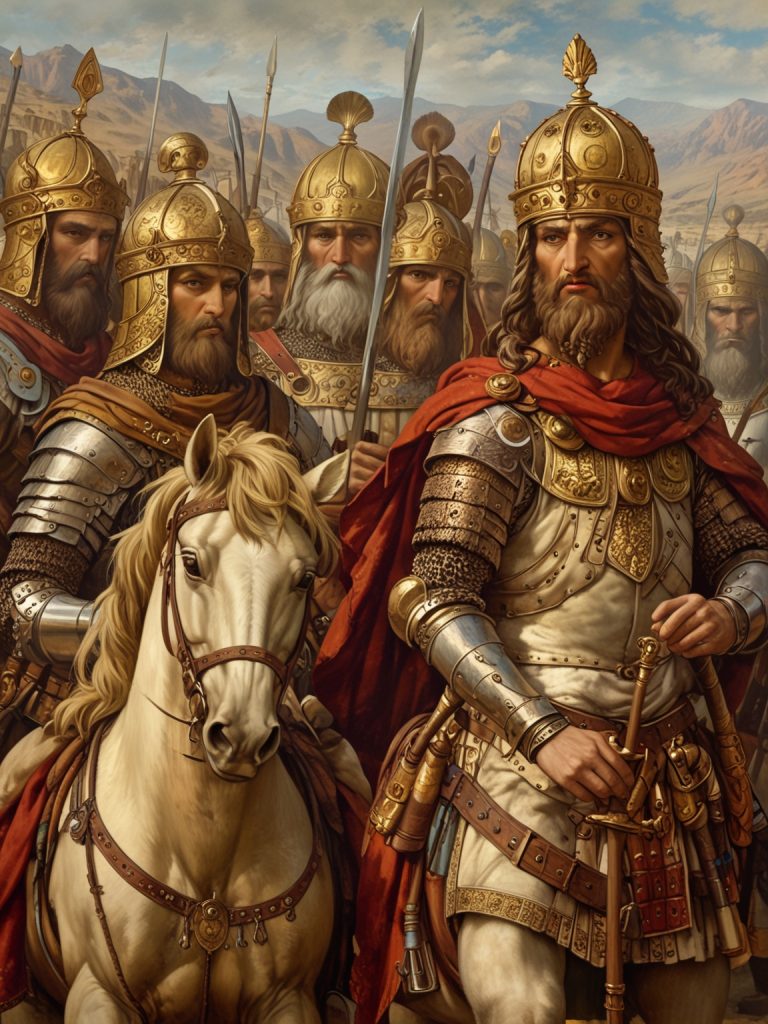
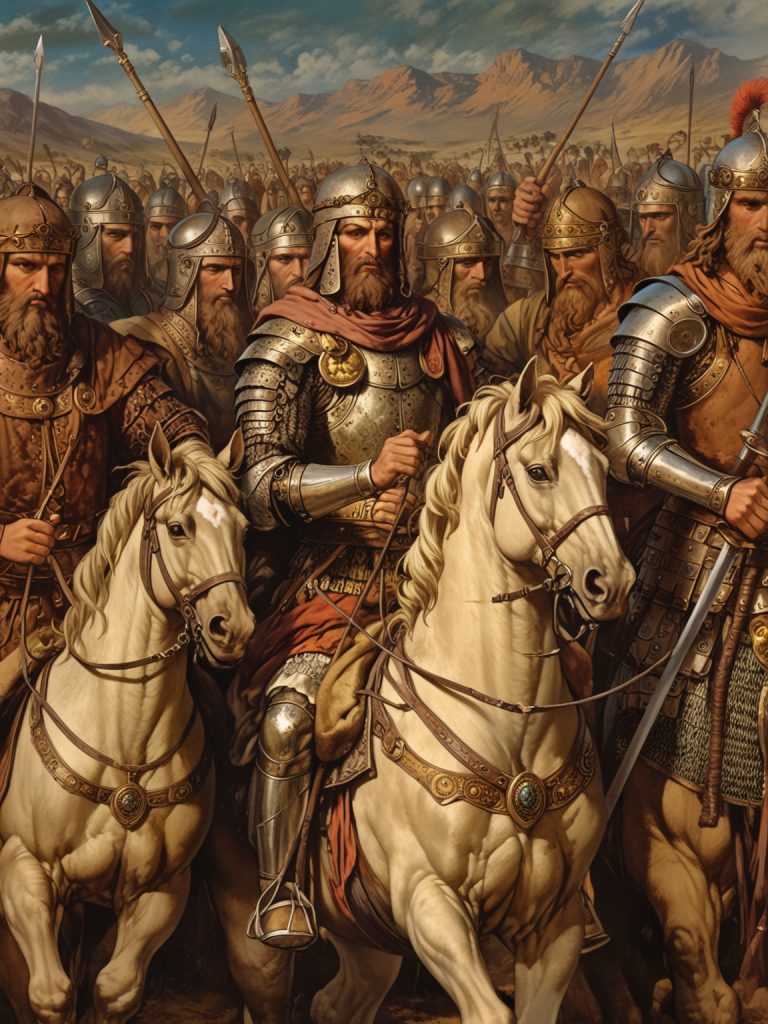
Verse 1: Introducing the Players
This verse introduces us to a whole cast of characters:
- Amraphel, Arioch, Kedorlaomer, and Tidal are strong rulers who ruled over Shinar (later known as Babylon), Ellasar (precise location uncertain), Elam (an ancient civilization in what is now Iran), and Goyim (which means “nations” – likely a tribal alliance).
- Bera, Birsha, Shinab, Shemeber, and the king of Bela (Zoar) are the monarchs of five city-states in the region: Sodom, Gomorrah, Admah, Zeboyim, and Zoar (which means “small”).
Verse 2: War on the Horizon
Things take a turn as the first group of kings, led by Kedorlaomer, declares war on the second group! Imagine the tension brewing as these powerful armies prepare for battle.
Verse 3: A United Front (for Now)
Faced with this menace, the five city-states set aside their differences and banded together. They collect their armies at the Valley of Siddim, which is thought to be near the Dead Sea. This unusual union demonstrates the power of a shared enemy to unite people.
Verse 4: A History of Rebellion
This verse gives us some backstory. Kedorlaomer’s reign over these city-states appears to have lasted twelve years. However, it appears that the people’s tolerance had worn thin, and they rebelled in the thirteenth year. This uprising lays the groundwork for the impending conflict.
So, what can we learn from these first four verses?
We witness a complicated political scene, with large kingdoms and smaller city-states. We also see the consequences of rebellion, as well as the need of working together to combat a common challenge. This is only the beginning of the story, and things will become even more intriguing!
Genesis 14:5-7 NIV
In the fourteenth year, Kedorlaomer and the kings allied with him went out and defeated the Rephaites in Ashteroth Karnaim, the Zuzites in Ham, the Emites in Shaveh Kiriathaim and the Horites in the hill country of Seir, as far as El Paran near the desert. Then they turned back and went to En Mishpat (that is, Kadesh), and they conquered the whole territory of the Amalekites, as well as the Amorites who were living in Hazezon Tamar.
Genesis 14:5-7 NIV
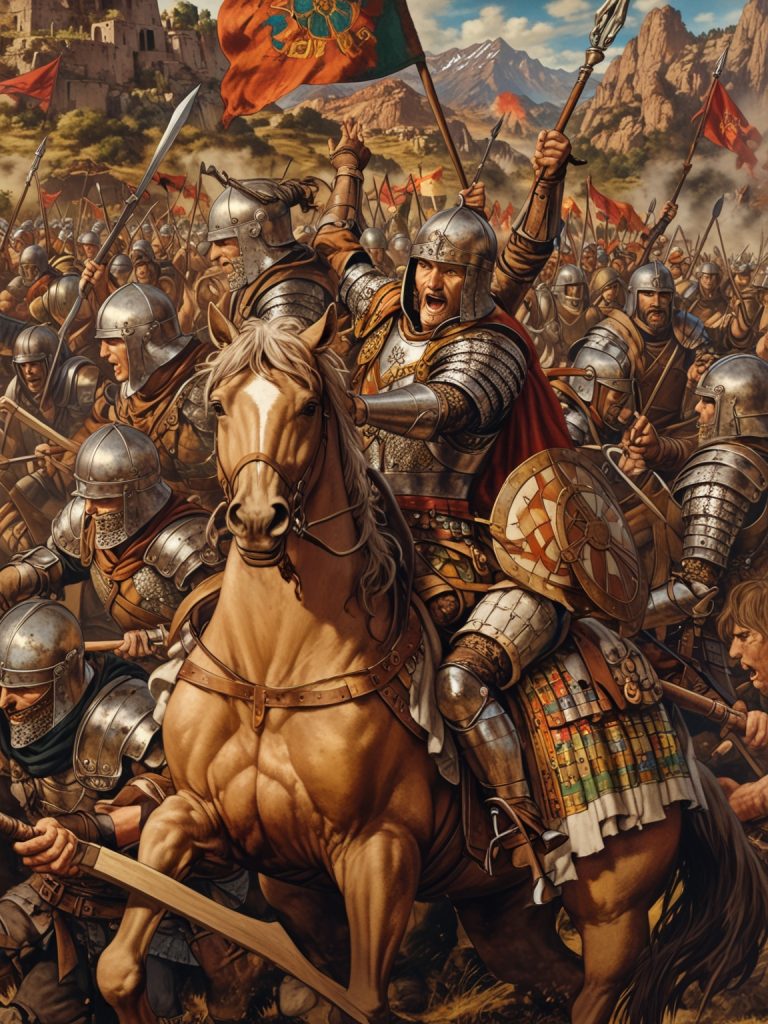
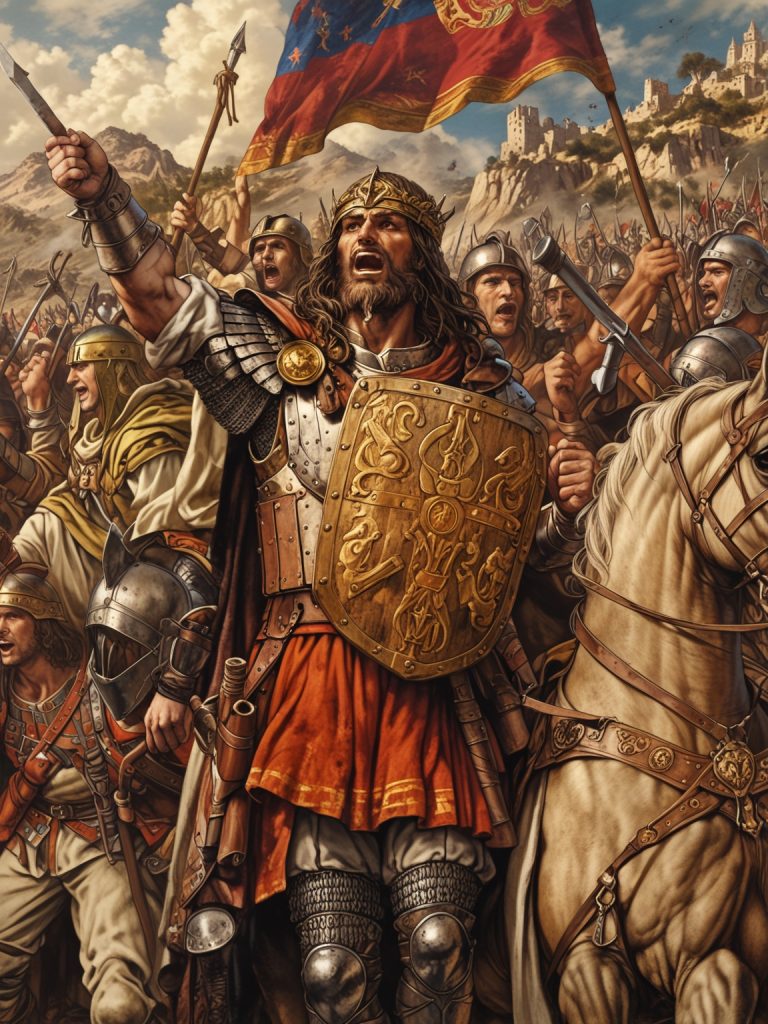
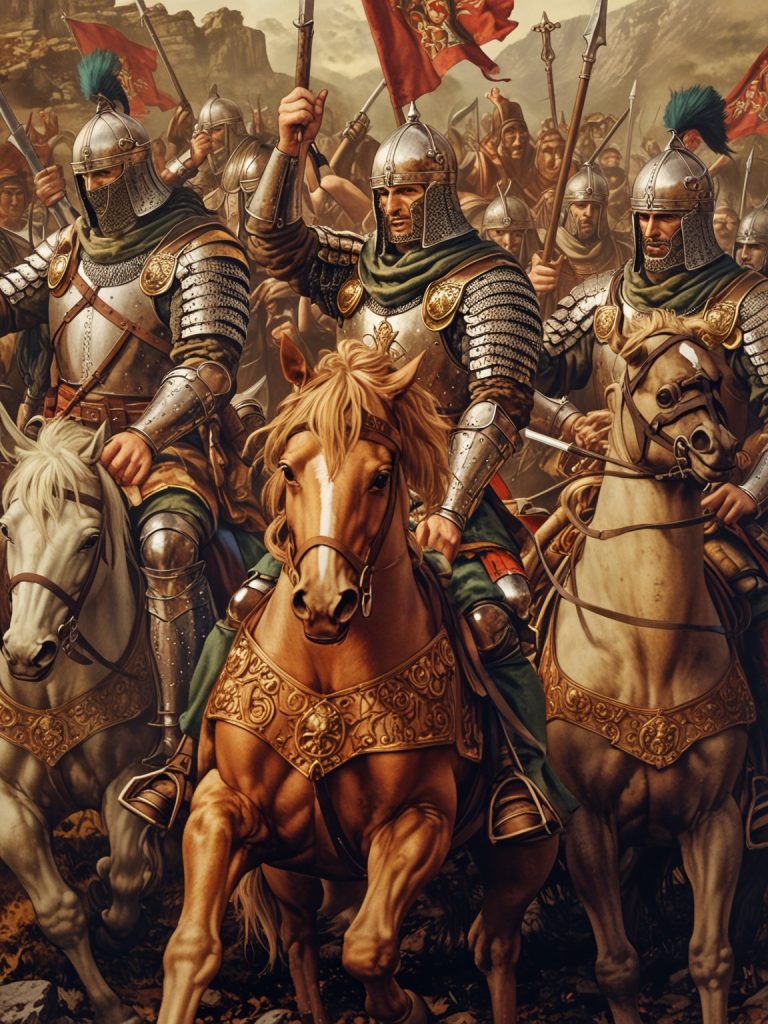
Now that the city-states have declared war on Kedorlaomer and his kingly allies, let’s see what they are up to!
Verse 5: Victories Before the Showdown
This verse moves forward a year, to the “fourteenth year.” We discover here that Kedorlaomer and his friends did not simply sit around waiting for the insurrection. They embarked on a military campaign, conquering many groups of people.
- Rephaites in Ashteroth Karnaim: The Rephaim were known as a race of giants. Ashteroth Karnaim is believed to be a location in modern-day Jordan.
- Zuzites in Ham: Not much is known about the Zuzim, but “Ham” likely refers to a specific location.
- Emites in Shaveh Kiriathaim: The Emites were another people group inhabiting the land. Shaveh Kiriathaim translates to “the plain of double cities,” again, suggesting a specific place.
Verse 6: Expanding the Territory
The conquest continues! Kedorlaomer’s forces push further south, defeating the:
- Horites in the hill country of Seir: The Horites were another people group living in the mountainous region of Seir (in modern-day Edom).
- Territory near El Paran: El Paran is believed to be near the southern border of Canaan.
Verse 7: Doubling Back and More Victories
This verse gets interesting. Kedorlaomer’s army seems to be on a “victory lap” of sorts. They:
- Turned back: This suggests they might have been heading south initially, then changed course.
- En Mishpat (Kadesh): They arrive at a place called En Mishpat, which also means “Kadesh.” This was an important location in the Israelites’ future journey.
- Amalekites and Amorites: Here, they conquer yet another two people groups – the Amalekites and the Amorites.
What can we learn from these verses?
This text describes a formidable military alliance led by Kedorlaomer. It also introduces us to the many people groups who lived on the land before the Israelites arrived. It is important to remember that the Bible does not always explain the “why” of these conflicts. However, it sets the stage for the following section of the story, in which Kedorlaomer and his allies face off against the rebellious city-states of Sodom and Gomorrah.
Genesis 14:8-12 NIV
Then the king of Sodom, the king of Gomorrah, the king of Admah, the king of Zeboyim and the king of Bela (that is, Zoar) marched out and drew up their battle lines in the Valley of Siddim against Kedorlaomer king of Elam, Tidal king of Goyim, Amraphel king of Shinar and Arioch king of Ellasar—four kings against five. Now the Valley of Siddim was full of tar pits, and when the kings of Sodom and Gomorrah fled, some of the men fell into them and the rest fled to the hills. The four kings seized all the goods of Sodom and Gomorrah and all their food; then they went away. They also carried off Abram’s nephew Lot and his possessions, since he was living in Sodom.
Genesis 14:8-12 NIV
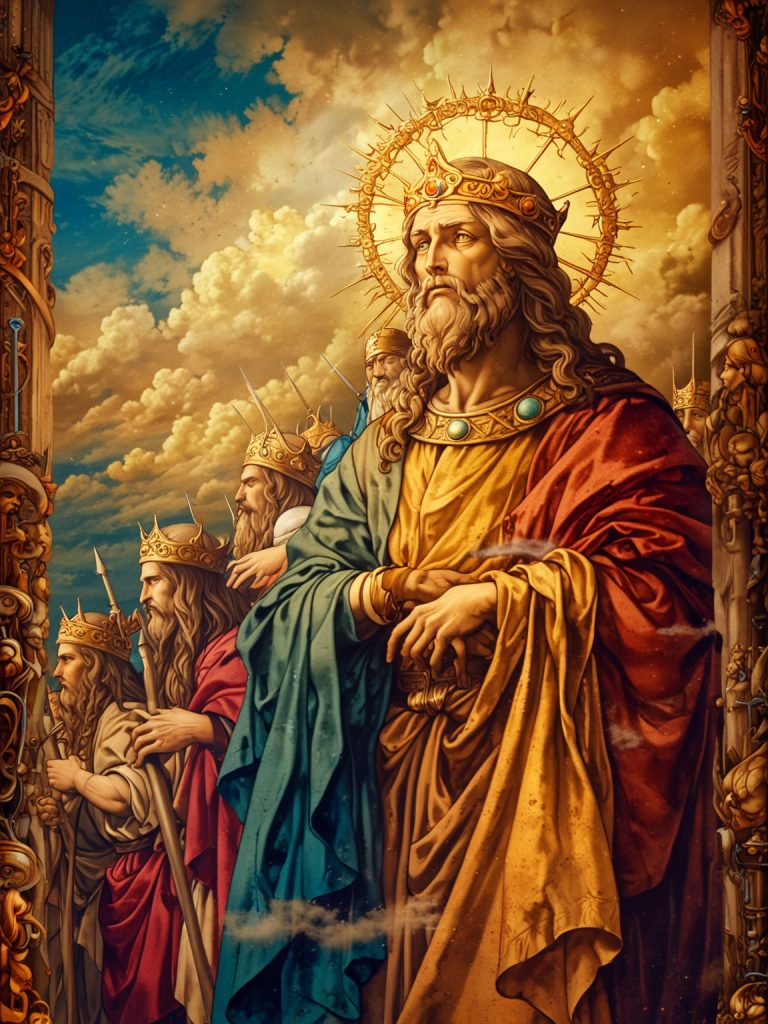
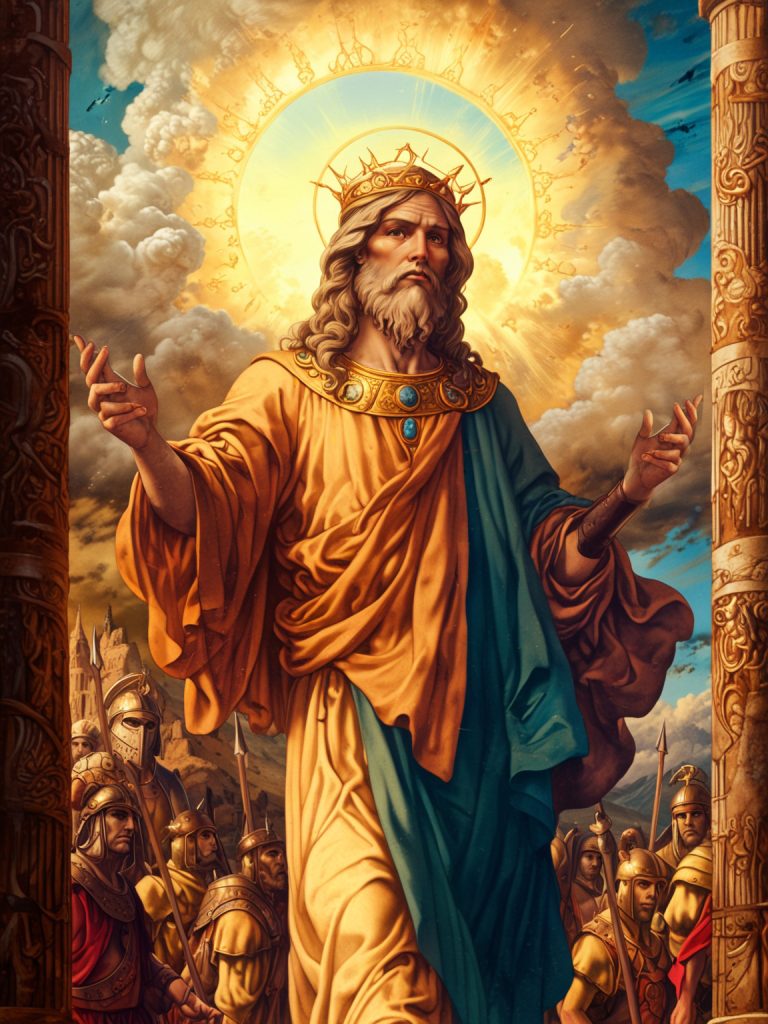
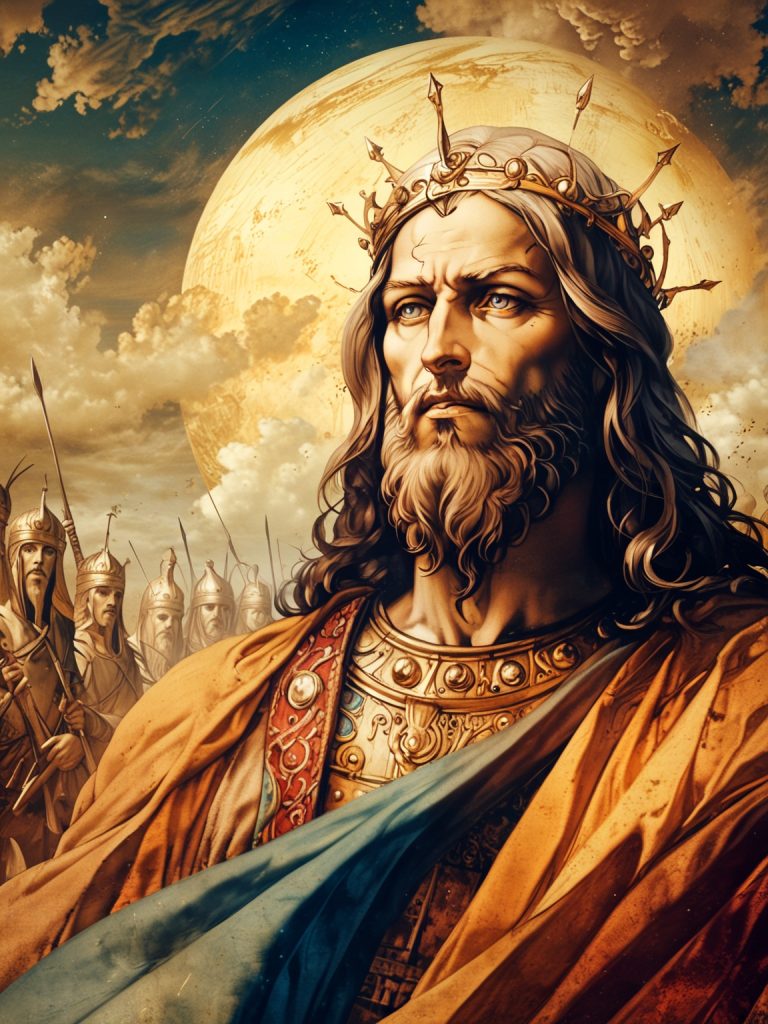
We left off with Kedorlaomer and his allies conquering several people groups. Now, things get real as the showdown between the mighty alliance and the rebellious city-states begins.
Verse 8: Taking a Stand
Remember the five city-states that joined forces against Kedorlaomer? Here, we see their kings:
- King of Sodom: Sodom, as we know from future passages, was a city known for its wickedness.
- King of Gomorrah: Gomorrah shared Sodom’s reputation.
- Kings of Admah, Zeboyim, and Bela (Zoar): These were the three smaller city-states that joined the alliance.
These five kings weren’t about to go down without a fight. They:
- Marched out: They took a brave stance, leaving the safety of their cities to confront the invading army.
- Drew up their battle lines: This signifies a strategic positioning of their troops for combat.
- Valley of Siddim: This became the battleground, a location we learned about earlier (possibly near the Dead Sea).
Verse 9: The Odds Are Stacked
The verse highlights the imbalance of power:
- Four kings against five: While the city-states had more rulers, their combined forces might have been smaller compared to Kedorlaomer’s army.
- Names of the opposing kings: These are the same powerful kings we met in verse 1.
Verse 10: A Sticky Situation (Literally!)
This verse adds an interesting detail about the battlefield:
- Valley of Siddim was full of tar pits: Imagine a battleground filled with natural pits of sticky tar! This unexpected element could have significantly impacted the fight.
Here’s the outcome:
- Kings of Sodom and Gomorrah fled: Maybe the tar pits played a role, or perhaps they were simply overwhelmed.
- Some of the men fell into them: This paints a tragic picture of soldiers being immobilized in the tar.
- Rest fled to the hills: The remaining soldiers sought refuge in the higher ground.
Verse 11: Spoils of War
The victors claimed their prize:
- Seized all the goods of Sodom and Gomorrah: This shows the brutality of war – the victors plunder the defeated cities.
- All their food: This suggests they might have planned to stay for a while or needed to replenish their supplies.
Verse 12: A Twist of Fate
This verse introduces a new wrinkle in the story:
- Abram’s nephew Lot: Remember Abram from previous chapters? Lot was his nephew who chose to live in Sodom.
- Carried off Lot and his possessions: In the chaos, Lot and his belongings were taken by the winning side.
Genesis 14:13-16 NIV
A man who had escaped came and reported this to Abram the Hebrew. Now Abram was living near the great trees of Mamre the Amorite, a brother of Eshkol and Aner, all of whom were allied with Abram. When Abram heard that his relative had been taken captive, he called out the 318 trained men born in his household and went in pursuit as far as Dan. During the night Abram divided his men to attack them and he routed them, pursuing them as far as Hobah, north of Damascus. He recovered all the goods and brought back his relative Lot and his possessions, together with the women and the other people.
Genesis 14:13-16 NIV
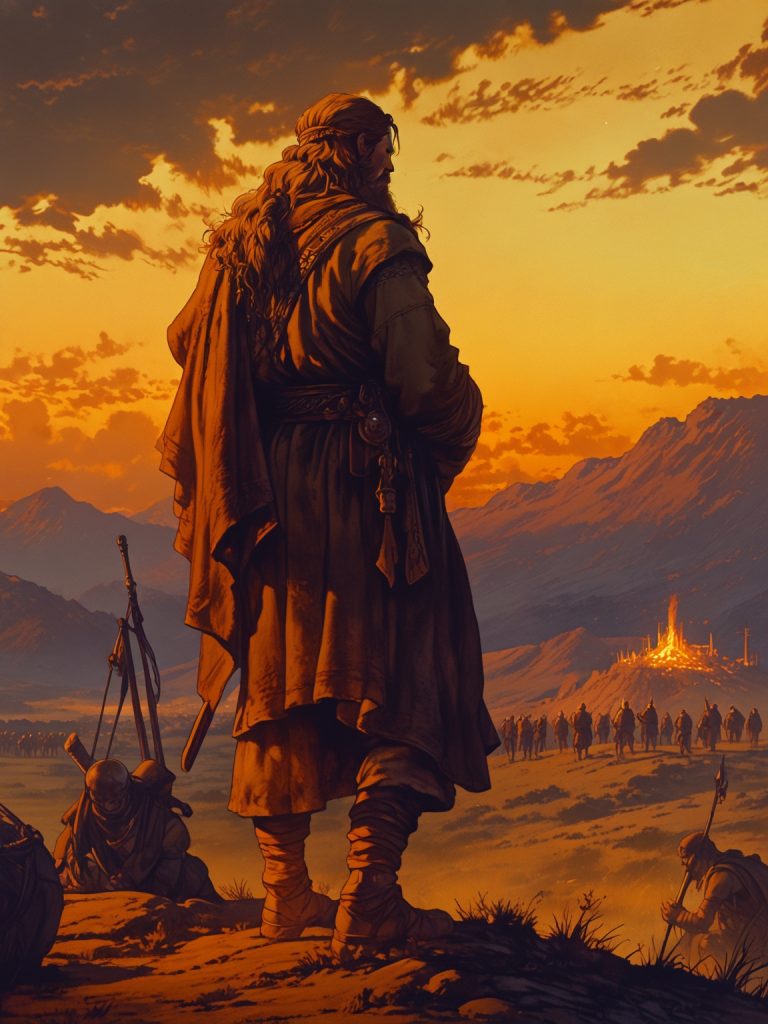
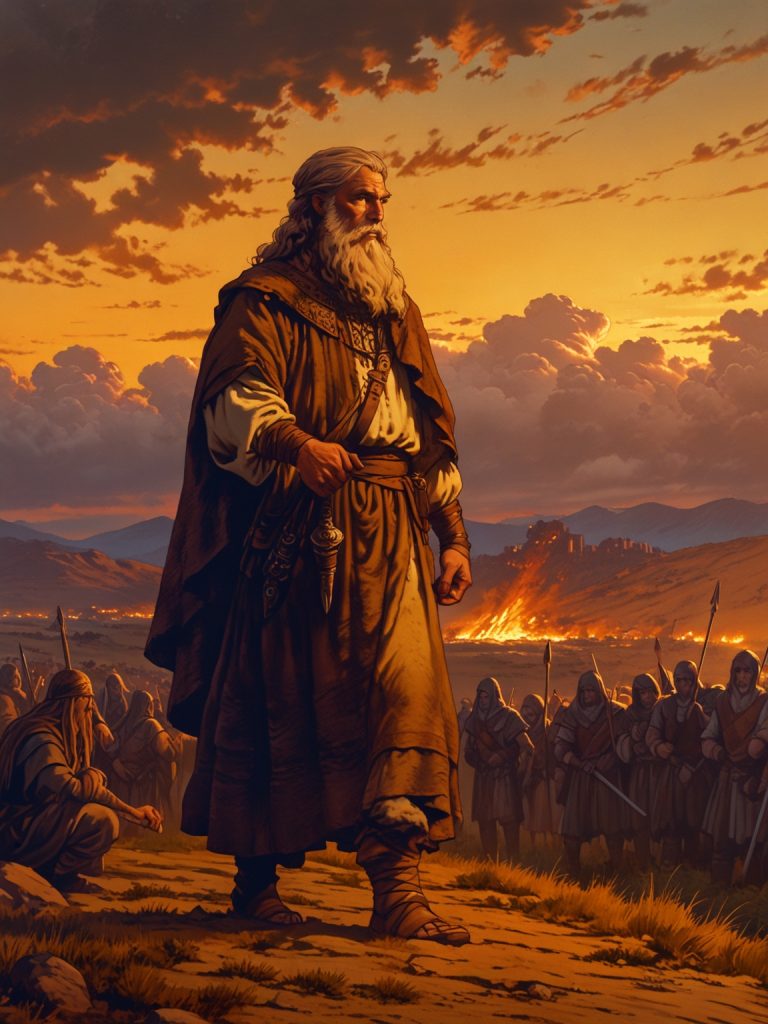
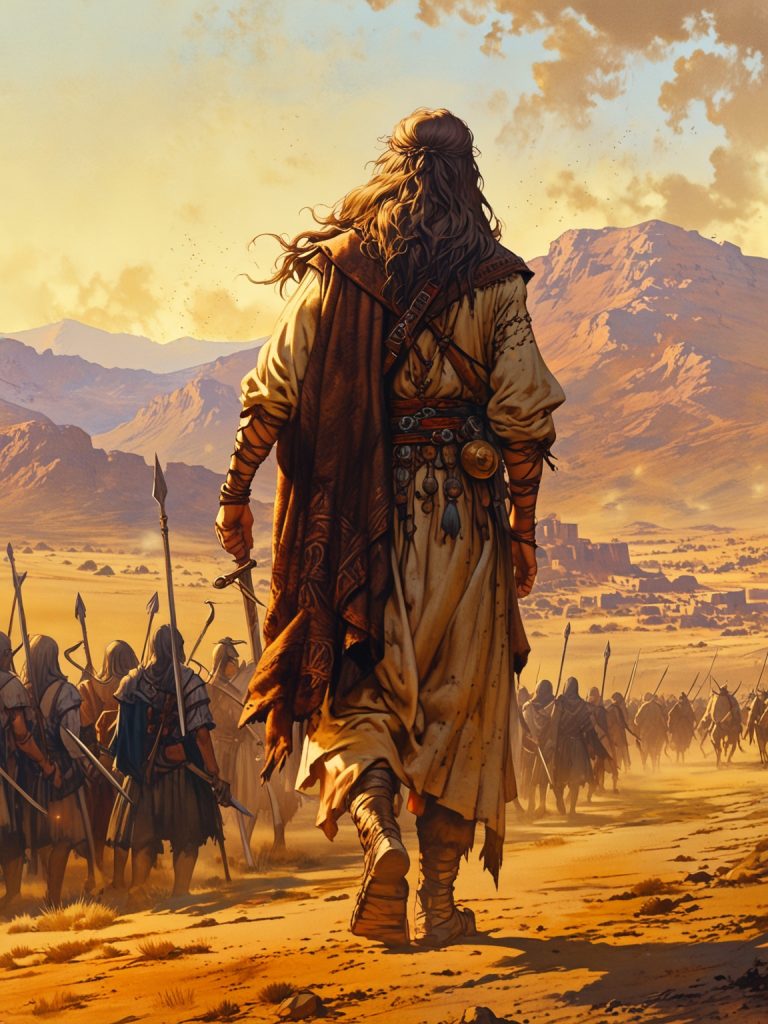
We saw the city-states lose the battle and even Abram’s nephew Lot getting captured. Now, things get exciting as Abram steps in!
Verse 13: A Cry for Help
- A man who had escaped: This verse introduces a survivor from the battle who managed to flee.
- Reported this to Abram the Hebrew: This is the first time “Hebrew” is used for Abram, possibly highlighting his origins outside the land.
- Living near the great trees of Mamre: This describes Abram’s location, which seems peaceful with these large trees.
- Mamre the Amorite: Mamre was a neighbor, possibly a Canaanite leader. Interestingly, Abram is described as an ally of Mamre, Eshkol, and Aner, suggesting peaceful relationships with the local people.
Verse 14: Abram Takes Action
- Heard that his relative: The escaped person informs Abram about Lot’s capture. Notice how the Bible calls Lot a “relative” rather than nephew, which is a broader term.
- Called out the 318 trained men: This verse reveals Abram’s surprising military power. He has a significant number of trained fighters born in his household, hinting at his wealth and influence.
- Went in pursuit as far as Dan: Abram wasted no time. Dan was a city far north, showing his determination to rescue Lot.
Verse 15: A Strategic Victory
- Divided his men to attack them: This verse highlights Abram’s military strategy. Dividing his forces likely surprised the larger army of Kedorlaomer, who might not have expected an attack at night.
- Routed them: This means Abram’s forces decisively defeated the enemy.
- Pursued them as far as Hobah: The pursuit continued far north, pushing the enemy back a significant distance.
Verse 16: A Hero’s Return
- Recovered all the goods: Abram not only rescued Lot but also recovered everything that was stolen from the city-states.
- Brought back his relative Lot: This is the heart of the story. Abram successfully rescued Lot from captivity.
- Possessions, women and other people: This shows Abram’s compassion. He wasn’t just focused on Lot but also on everyone else who was captured.
What can we learn from this passage?
This passage emphasizes Abram’s dedication, courage, and leadership. He jeopardized his own safety and wealth to assist his family. It also demonstrates the value of strategic preparation and surprise attacks in battle. In the next installment of the story, we will witness the repercussions of this heroic rescue and how it relates to Abram’s dest
Genesis 14:17 NIV
After Abram returned from defeating Kedorlaomer and the kings allied with him, the king of Sodom came out to meet him in the Valley of Shaveh (that is, the King’s Valley).
Genesis 14:17 NIV
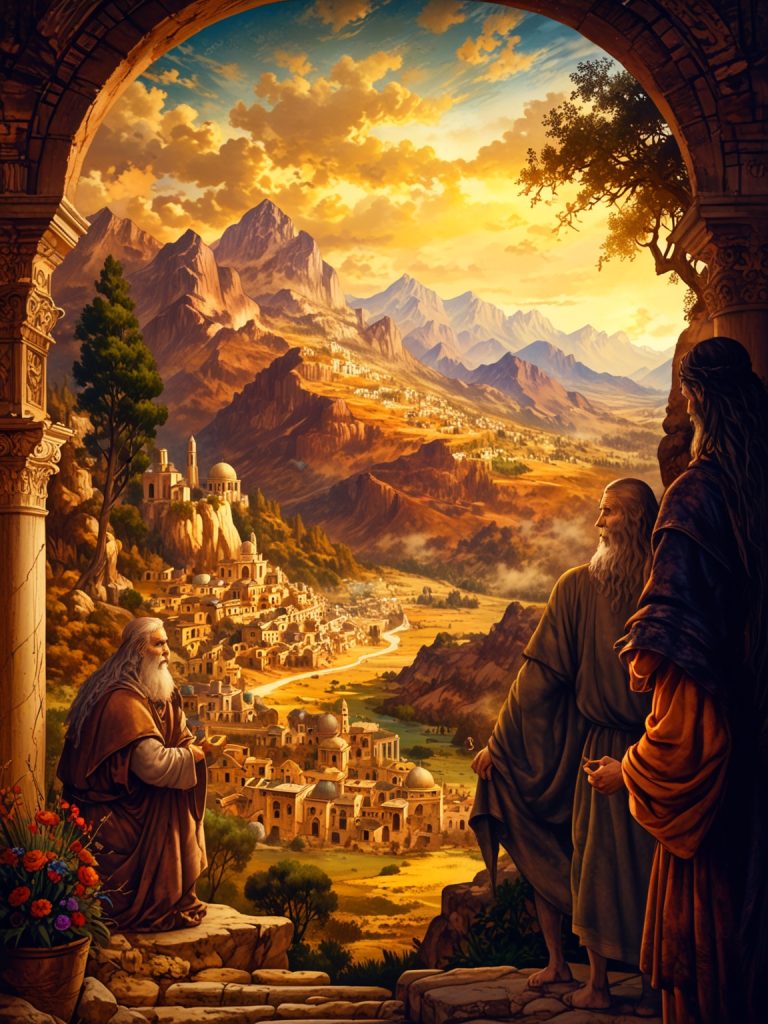
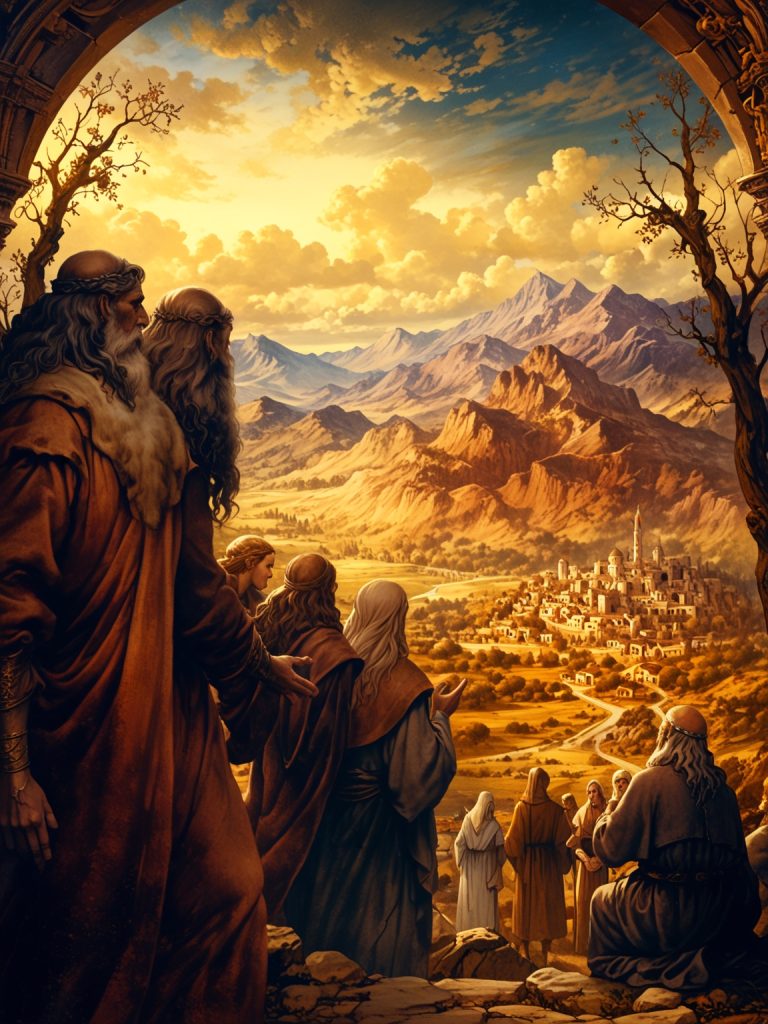
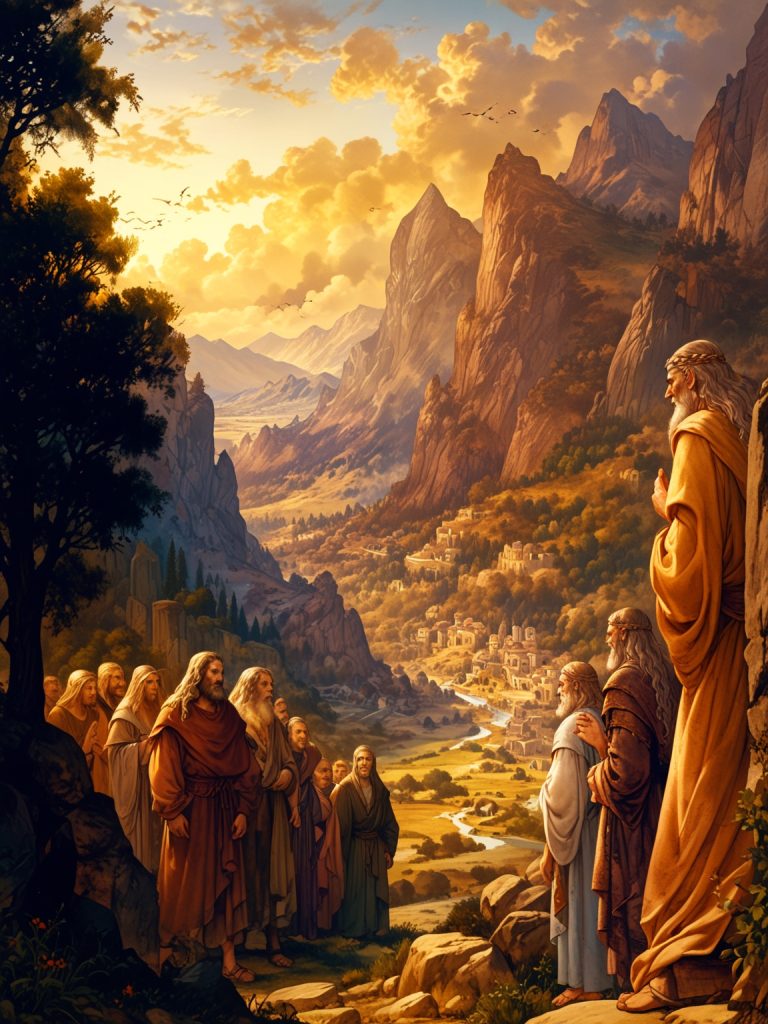
Imagine Abram, our friend from earlier chapters, a man of faith, just returning from a mighty victory. Kedorlaomer, a nasty king, had swept through the land with his allies, causing havoc. But Abram, along with his nephew Lot, rose to the challenge and defeated them!
Now, the King of Sodom, a city noted for its less-than-ideal ways, appears to meet Abram in the Valley of Shaveh, also known as the King’s Valley. The name of this valley may allude to its significance as a gathering site or possibly a battlefield. Why would the King of Sodom wait there? Well, the next verses will tell us more, but for now, let us simply enjoy the scene: a tired warrior returning home after a long battle, and a local ruler whose reasons remain unknown. Stay tuned, for the narrative becomes even more exciting as it progresses!
Genesis 14:18-20 NIV
Then Melchizedek king of Salem brought out bread and wine. He was priest of God Most High, and he blessed Abram, saying,
“Blessed be Abram by God Most High,
Creator of heaven and earth.
And praise be to God Most High,
who delivered your enemies into your hand.”
Then Abram gave him a tenth of everything.
Genesis 14:18-20 NIV
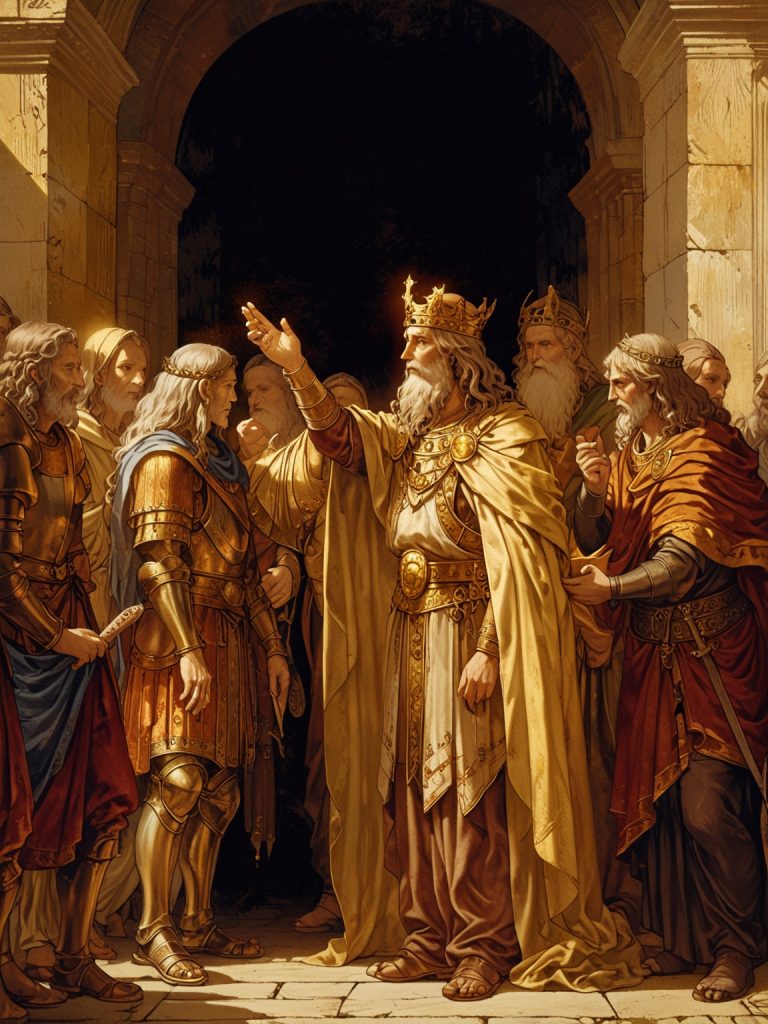
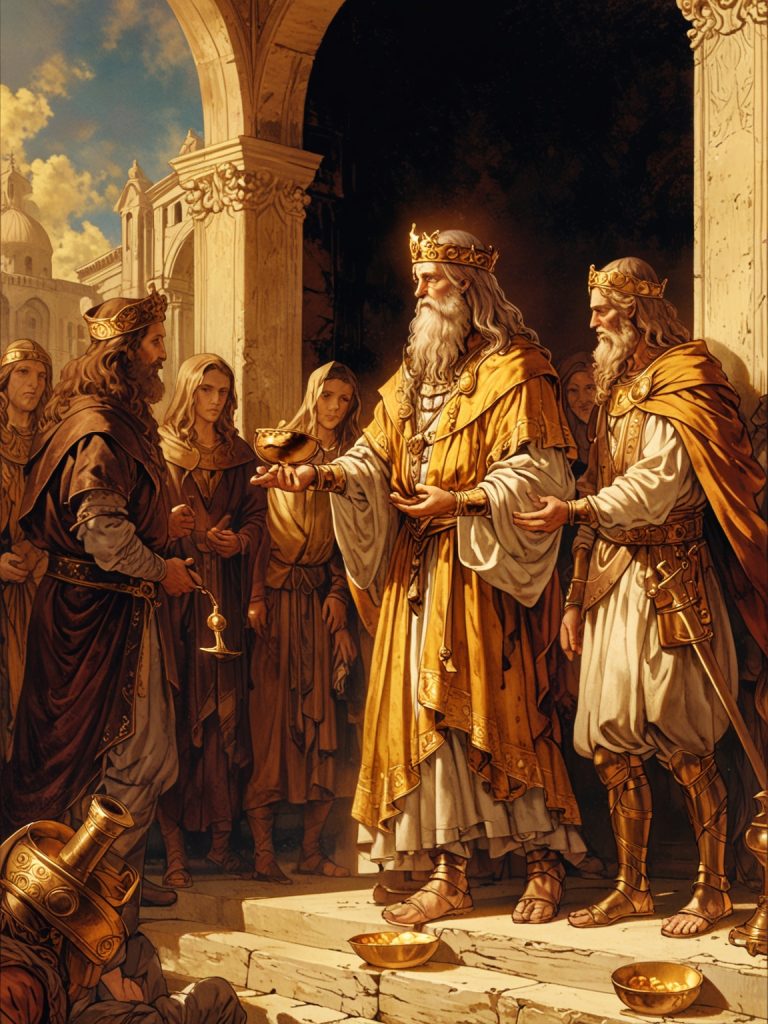
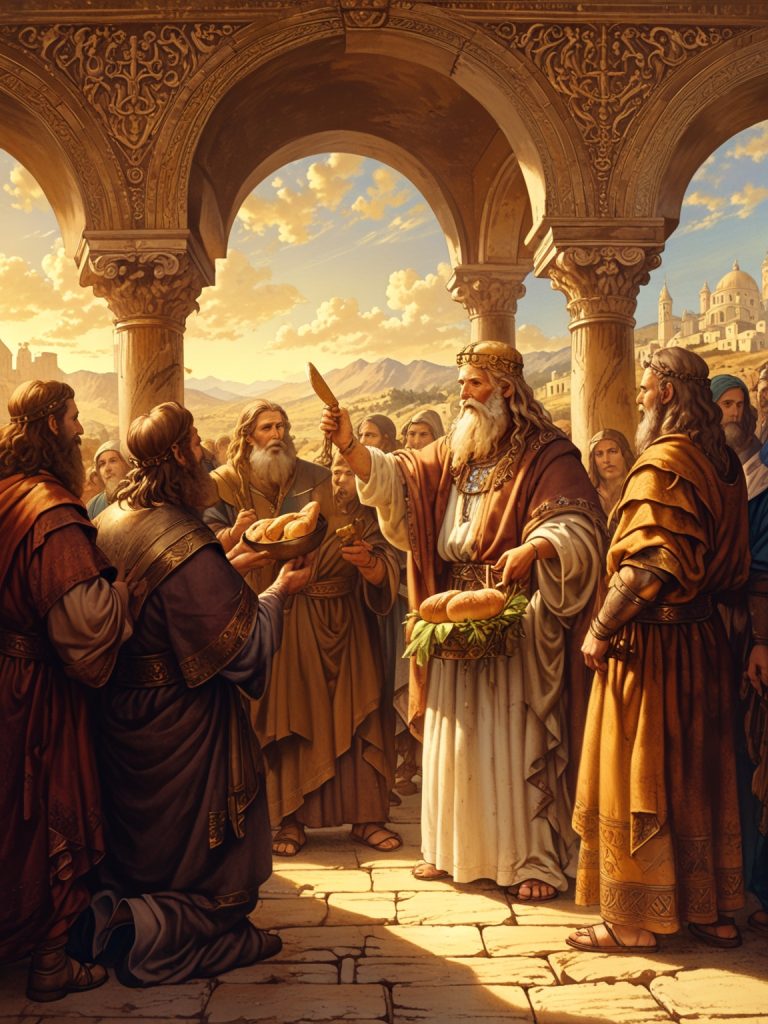
Remember how the King of Sodom encountered Abram in the valley? Here comes another visitor: Melchizedek, the ruler of Salem. Now, Salem is thought to be the same location that subsequently became Jerusalem, a sacred city!
This Melchizedek is a fascinating figure. He’s both a king and a priest of “God Most High,” a title that emphasizes the one true God above all others. Unlike the King of Sodom, Melchizedek did not arrive empty-handed. He brings out bread and wine, which serve as symbols of hospitality and, in certain cases, predict future occurrences (think communion!).
Then comes the blessing! Melchizedek recognizes Abram’s victory as a gift from God, the creator of everything. He praises God for bringing Abram’s foes into his hands. This is a wonderful moment that acknowledges Abram’s courage while also emphasizing God’s part in the victory.
Finally, in verse 20, Abram responds by giving Melchizedek a tenth of everything he has recovered. This “tithe,” the first reference of such a practice in the Bible, demonstrates Abram’s love for God and thanks for Melchizedek’s blessing.
Genesis 14:21-24 NIV
The king of Sodom said to Abram, “Give me the people and keep the goods for yourself.”
But Abram said to the king of Sodom, “With raised hand I have sworn an oath to the Lord, God Most High, Creator of heaven and earth, that I will accept nothing belonging to you, not even a thread or the strap of a sandal, so that you will never be able to say, ‘I made Abram rich.’ I will accept nothing but what my men have eaten and the share that belongs to the men who went with me—to Aner, Eshkol and Mamre. Let them have their share.”
Genesis 14:21-24 NIV
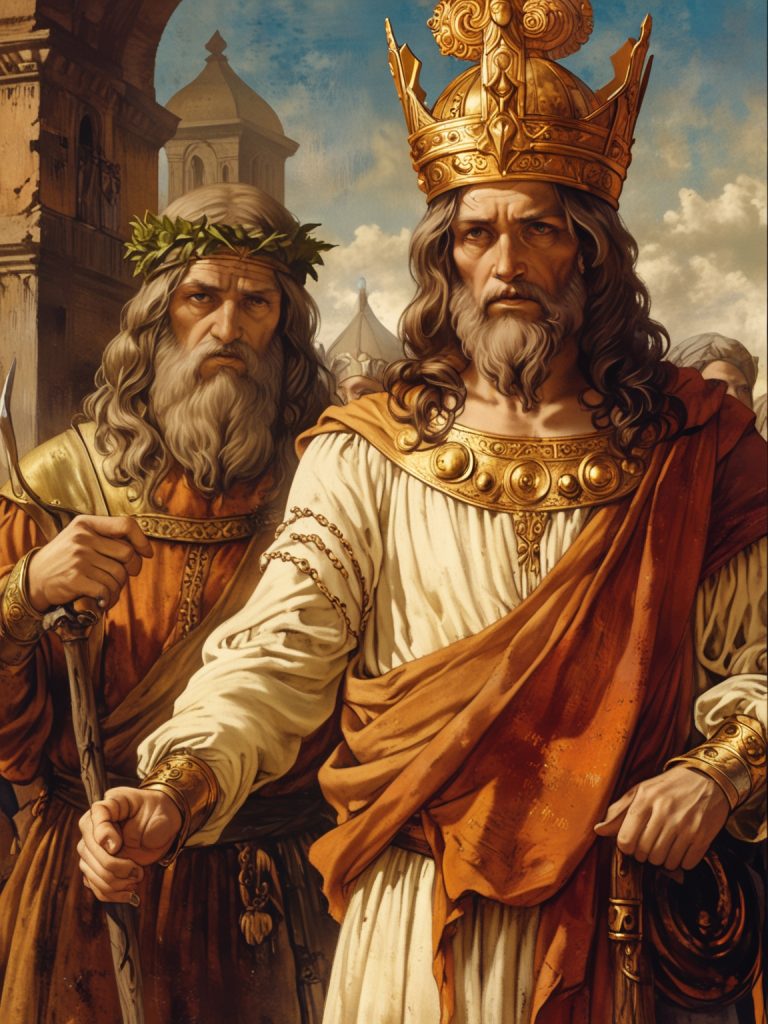
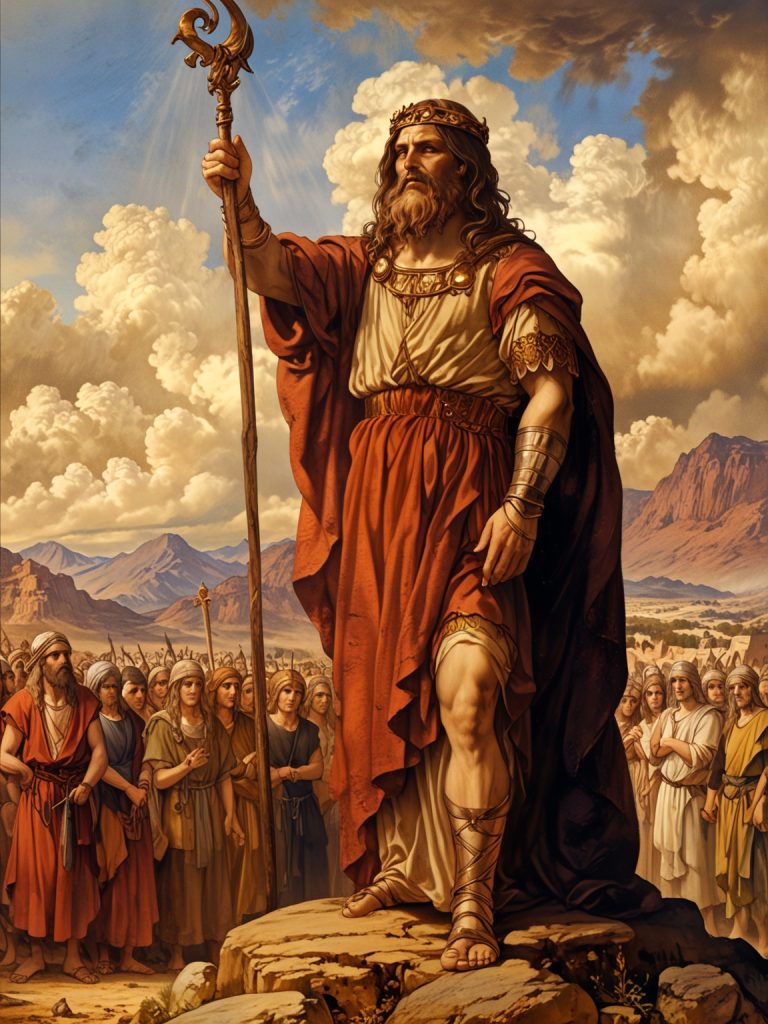
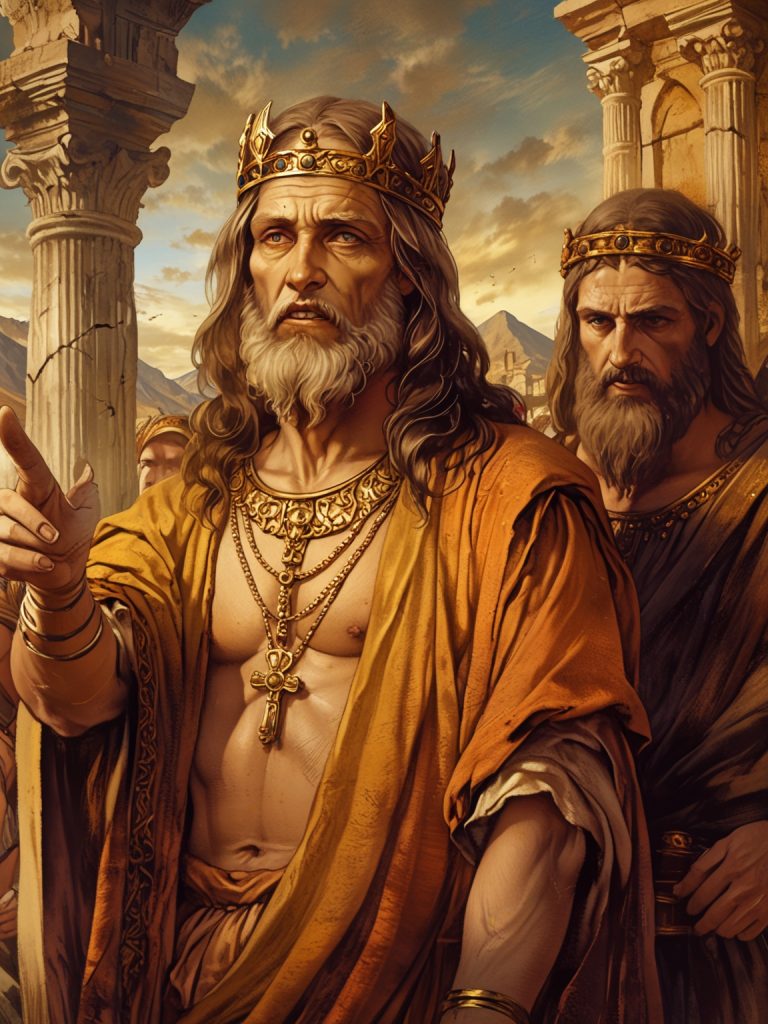
Remember how the king of Sodom encountered Abram in the valley? Here’s when things become interesting.
The King of Sodom offers an offer: “Give me the people you rescued, and you can keep all of the recovered goods!” This may appear generous at first, but consider Sodom’s reputation. It wasn’t a shining example of morality.
Now, Abram’s response is critical. He lifts his hand, signifying an oath, and pledges his allegiance to “the Lord, God Most High, Creator of heaven and earth.” This is a powerful statement. Abram acknowledges that his success was due to God rather than his own strength.
He then becomes much more specific. Verse 23 is about avoiding the appearance of owing anything to the King of Sodom. Abram will not accept “even a thread or the strap of a sandal.” He wants it obvious that his wealth is from God, not an earthly sovereign.
Finally, in verse 24, Abram explains what he will accept: just enough for his men and allies (Aner, Eshkol, and Mamre). He believes that everyone concerned should be appropriately compensated, but he refuses to take anything from Sodom.
This passage reveals a lot about Abram’s character. He’s a man of integrity who is profoundly committed to God. He wouldn’t claim credit for a triumph he believed God had bestowed upon him, and he wouldn’t submit to a ruler with questionable morality. It’s a profound lesson in sticking to your convictions even when offered enticing incentives.
That whole story in Genesis 14 is pretty amazing, right? We see Abram’s faith in action – his courage in battle, his humility in victory, and his unwavering commitment to God. It’s a reminder that when we stay true to our values, even in tempting situations, God is always there for us.
If you enjoyed these glimpses into the Bible with these cool images, head over to Moralisee.com bible section! We have tons of other chapters from the Bible brought to life with beautiful, AI-generated artwork. It’s a fantastic way to explore the stories and deepen your understanding of the scriptures. So why not check it out and see what amazing visuals await?


