

Genesis 13:1-2 NIV
So Abram went up from Egypt to the Negev, with his wife and everything he had, and Lot went with him. Abram had become very wealthy in livestock and in silver and gold.
Genesis 13:1-2 NIV
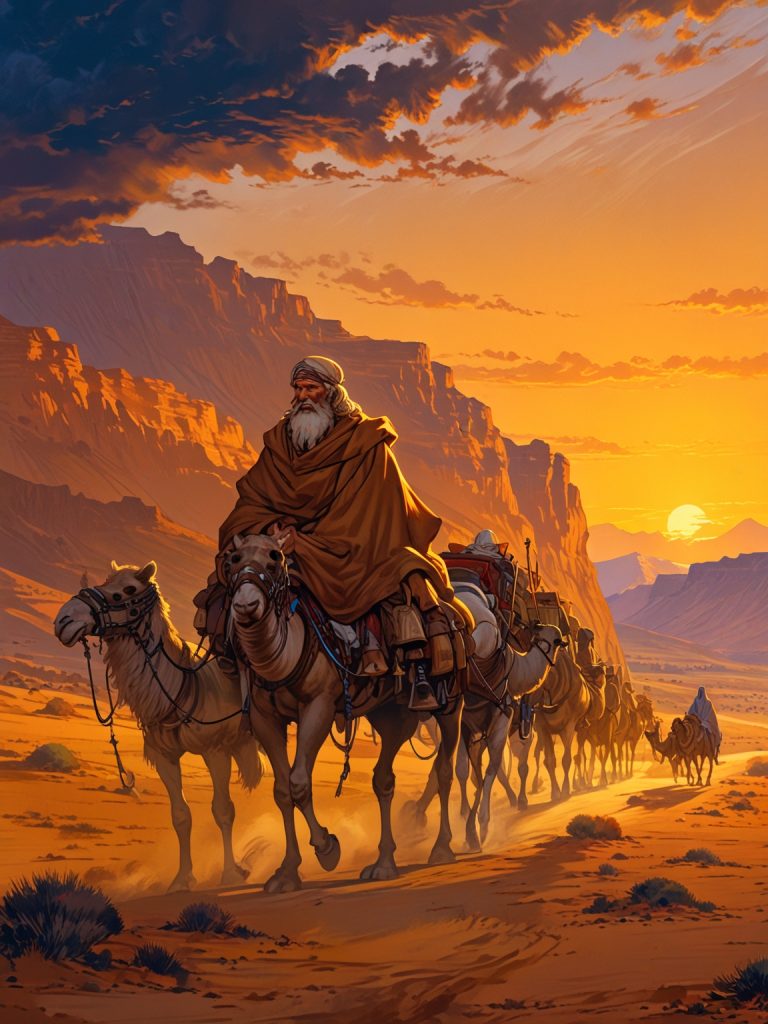
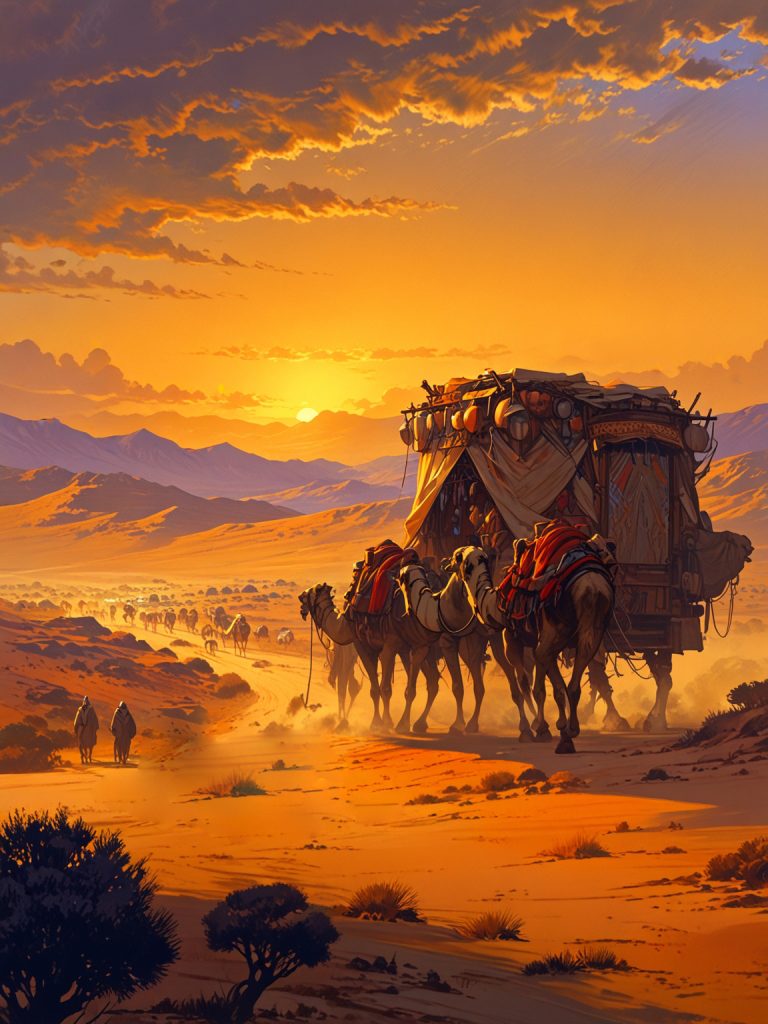
Let’s look at Genesis 13:1-2. This text represents a watershed moment in Abram’s spiritual journey. We’ve seen him uprooted from his home to follow God’s call to a new land. There were problems, but things were improving in Egypt.
Now, verse 1 says Abram “went up from Egypt to the Negev.” Consider “up” here to be a departure from the verdant Nile Valley rather than a physical location. The Negev is Canaan’s southern portion, characterized by dry, semi-arid conditions. Why are you making the move? Well, things may have become a tad crowded.
According to verse 2, Abram was “very wealthy in livestock, silver, and gold.” God had blessed him abundantly. However, big blessings sometimes bring troubles. Consider Abram’s huge herds of sheep, goats, and cattle, all of which require adequate grass. Perhaps there simply wasn’t enough in the Nile Valley for everyone.
This sets the stage for the following verses. We’ll see Abram and his nephew Lot face a difficult decision. Throughout it all, God remains faithful, guiding Abram along his path. So, let’s continue reading to discover where this new chapter takes him!
Genesis 13:3-4 NIV
From the Negev he went from place to place until he came to Bethel, to the place between Bethel and Ai where his tent had been earlier and where he had first built an altar. There Abram called on the name of the Lord.
Genesis 13:3-4 NIV
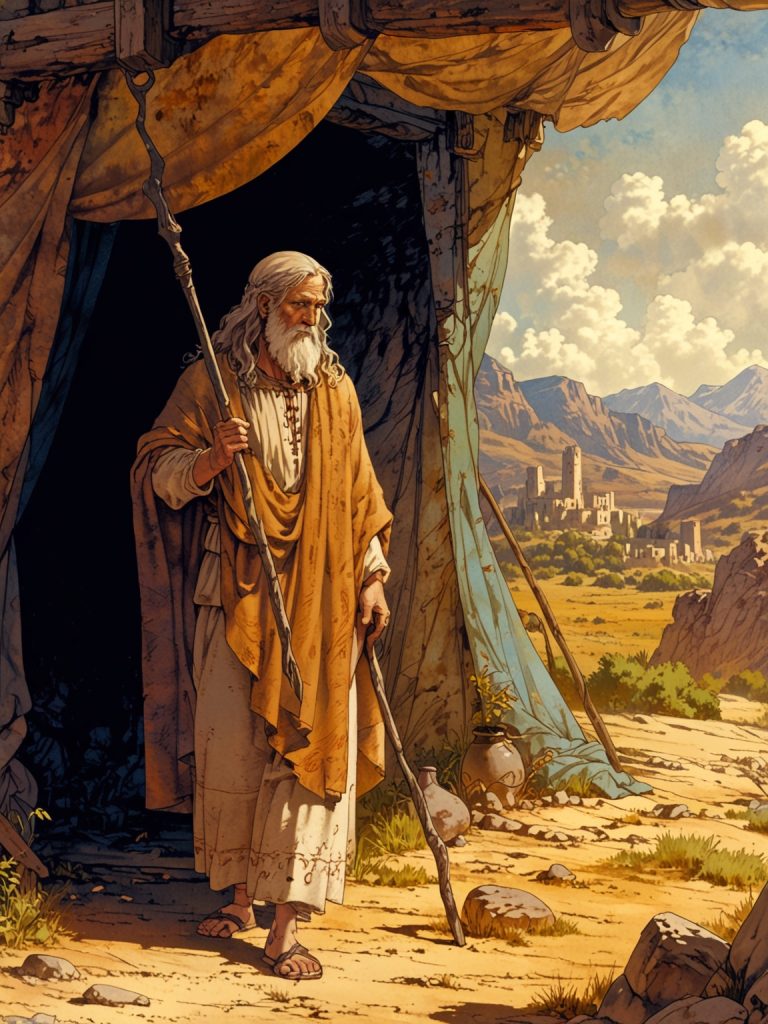
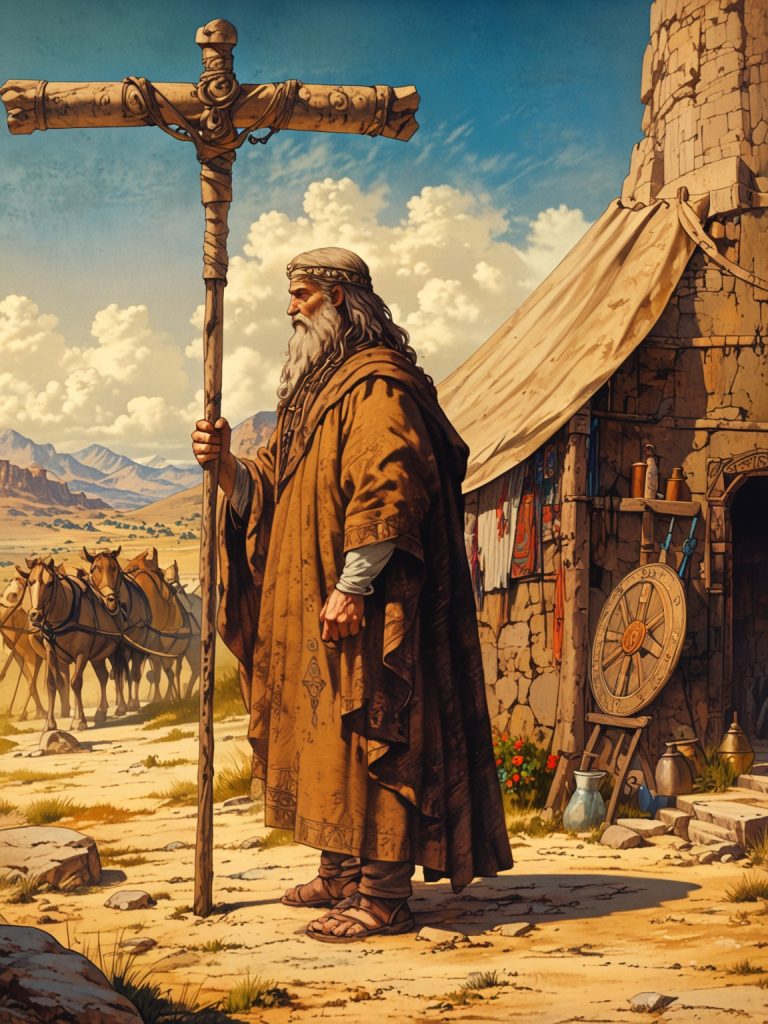
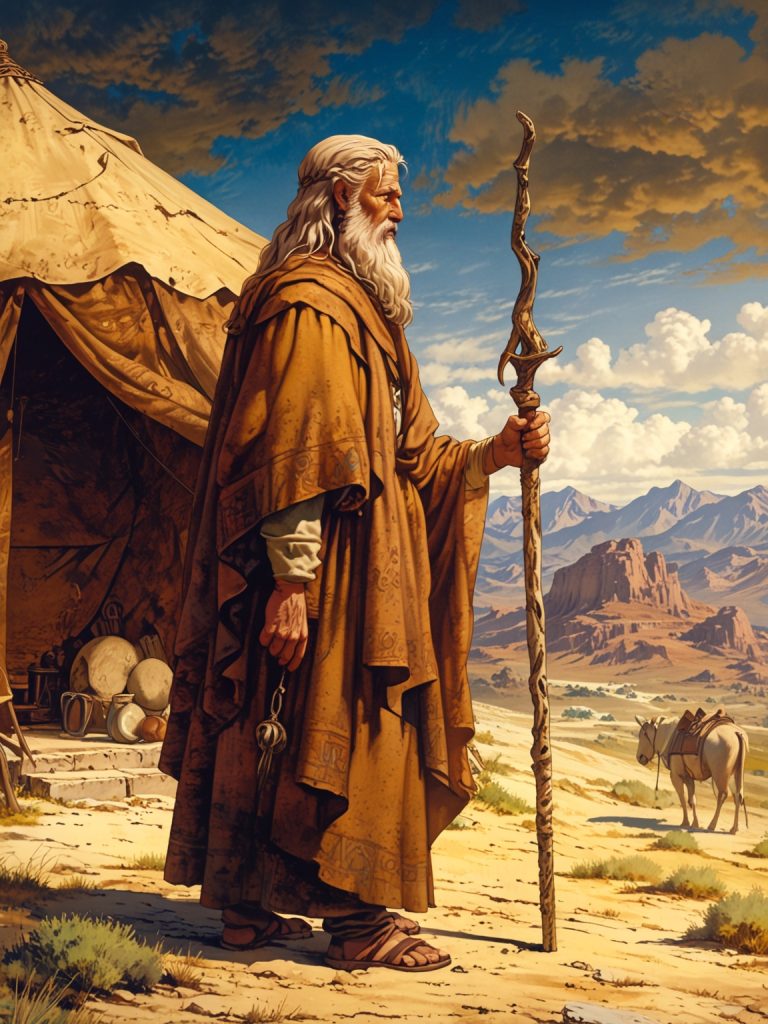
We left Abram and his family on the move, going north from the Negev. Verse 3 states that he did not settle down right away, but instead moved “from place to place.” This wasn’t just a casual stroll; Abram had a lot of livestock to find suitable grazing pasture for. Consider the dust clouds as his livestock and family moved from pasture to pasture!
Finally, in verse 4, they arrive at a familiar location: “Bethel, to the place between Bethel and Ai where his tent had been earlier.” This was Abram’s first camp in Canaan, where God talked to him and promised him a prosperous future (Genesis 12).
Now, the Bible states something unique about this location: “where he had first built an altar.” An altar is a site where people make sacrifices to God. By erecting an altar here, Abram was expressing, “Thank you, God, for bringing me to this land.” He was recommitting himself to doing God’s will, even though it wasn’t always easy.
Then comes a lovely verse: “There Abram called on the name of the Lord.” This is not a quick prayer. It depicts Abram having a heart-to-heart with God, reflecting on his journey and seeking God’s direction for the future. This is a poignant reminder that, even when life gets busy, we must make time to connect with God.
Genesis 13:5-13 NIV
Now Lot, who was moving about with Abram, also had flocks and herds and tents. But the land could not support them while they stayed together, for their possessions were so great that they were not able to stay together. And quarreling arose between Abram’s herders and Lot’s. The Canaanites and Perizzites were also living in the land at that time.
So Abram said to Lot, “Let’s not have any quarreling between you and me, or between your herders and mine, for we are close relatives. Is not the whole land before you? Let’s part company. If you go to the left, I’ll go to the right; if you go to the right, I’ll go to the left.”
Lot looked around and saw that the whole plain of the Jordan toward Zoar was well watered, like the garden of the Lord, like the land of Egypt. (This was before the Lord destroyed Sodom and Gomorrah.) So Lot chose for himself the whole plain of the Jordan and set out toward the east. The two men parted company: Abram lived in the land of Canaan, while Lot lived among the cities of the plain and pitched his tents near Sodom. Now the people of Sodom were wicked and were sinning greatly against the Lord.
Genesis 13:5-13 NIV
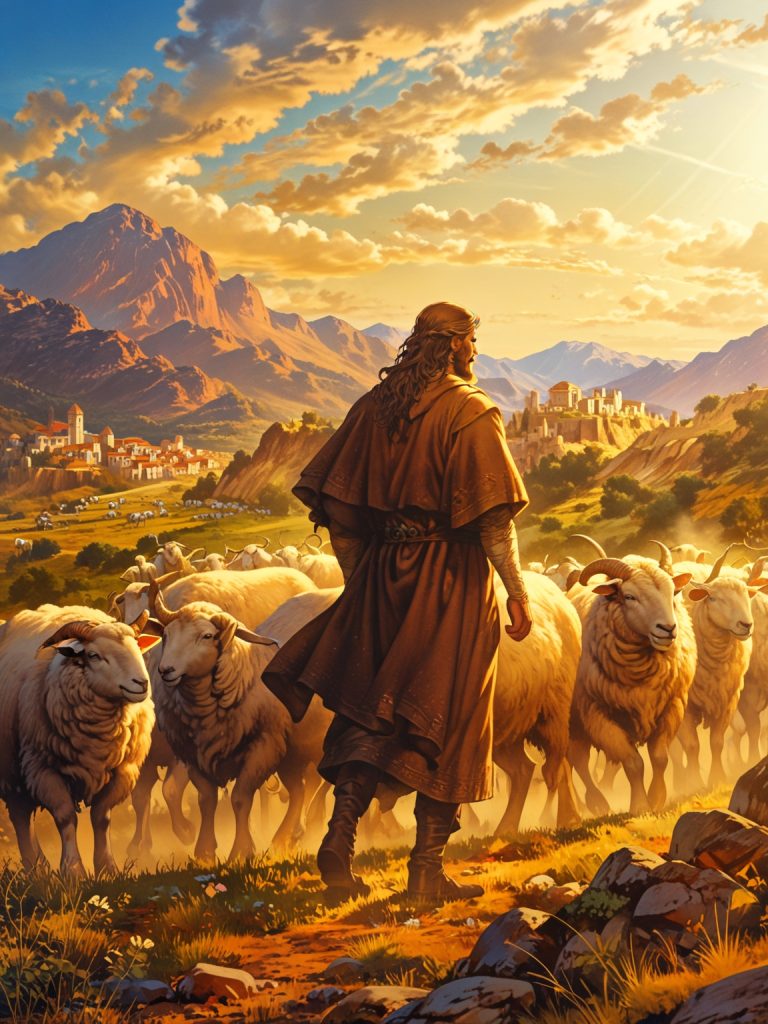
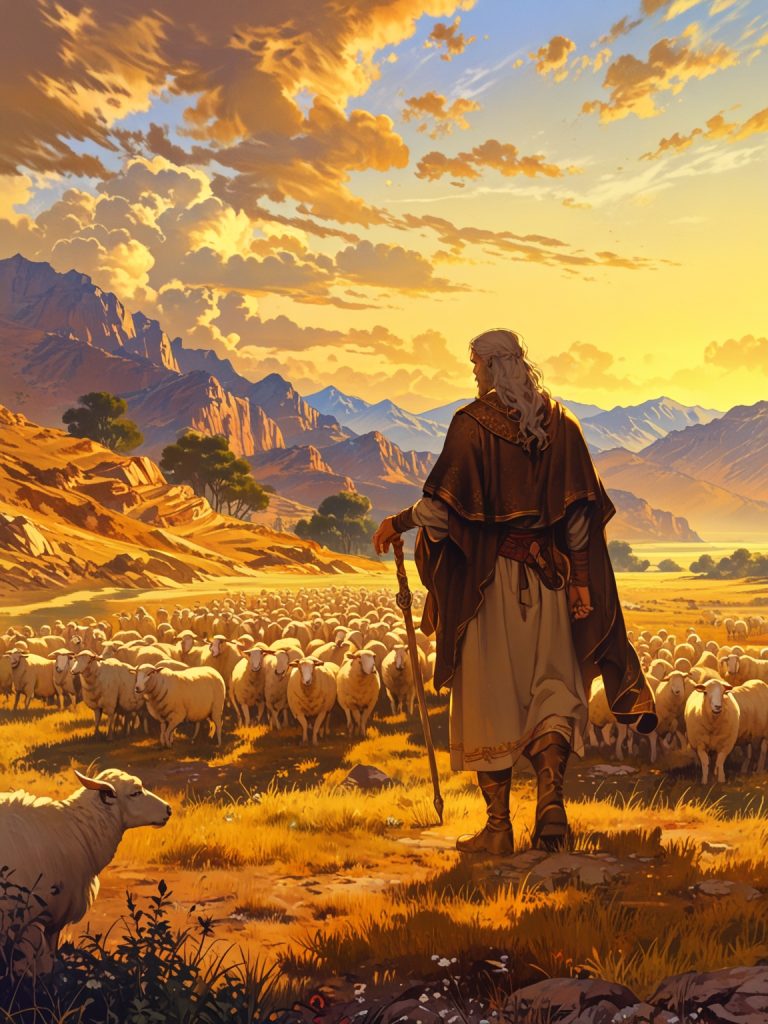
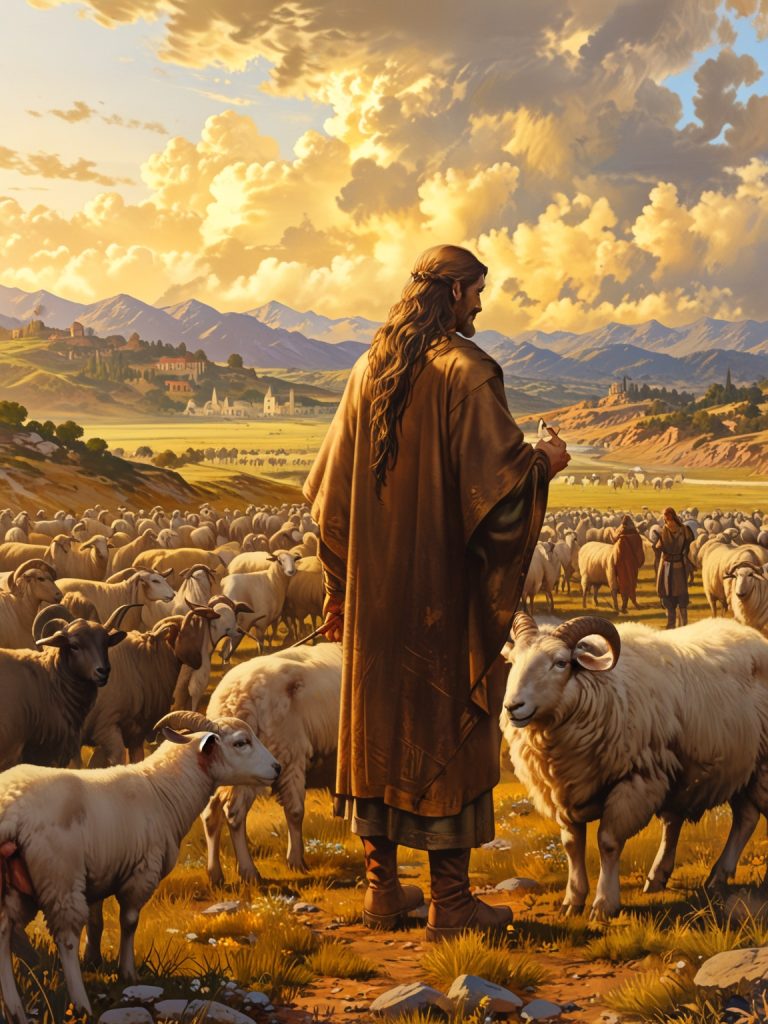
Verse 5 tells us Lot, who’s been traveling with Abram, has become quite successful himself – “flocks and herds and tents.” That’s a good thing, right? Well, yes and no.
Look at verse 6: “But the land could not support them while they stayed together.” All those animals needed a lot of grazing land, and Canaan just wasn’t big enough for both Abram and Lot’s growing herds. Imagine the tension – competition for water, arguments over who gets the best pastures. Verse 7 confirms this with “quarreling arose between Abram’s herders and Lot’s.” Not exactly the picture of family harmony!
Now, Abram’s a wise man. He sees this conflict brewing and steps in as a peacemaker in verse 8. He reminds Lot, “we are close relatives,” a way of saying, “Hey, family shouldn’t fight.”
Then comes a generous offer in verse 9: “Is not the whole land before you? Let’s part company.” Abram basically says, “There’s plenty of land out there. Let’s each go our own way and avoid conflict.”
Lot takes a good look around in verse 10. The “plain of the Jordan” catches his eye. It’s well-watered, lush, like a paradise. This was before the destruction of Sodom and Gomorrah, so it was a very tempting place.
Verse 11 tells us Lot makes his choice. He heads east towards this fertile land, eventually settling near Sodom. Abram, on the other hand, stays in Canaan (verse 12). The two go their separate ways.
Here’s the thing, though. Sodom, as we’ll learn later, is a wicked city. Verse 13 gives us a hint: “the people of Sodom were wicked and were sinning greatly against the Lord.” Lot’s choice of location might seem wise now, but it will have consequences down the road.
Genesis 13:14-17 NIV
The Lord said to Abram after Lot had parted from him, “Look around from where you are, to the north and south, to the east and west. All the land that you see I will give to you and your offspring forever. I will make your offspring like the dust of the earth, so that if anyone could count the dust, then your offspring could be counted. Go, walk through the length and breadth of the land, for I am giving it to you.”
Genesis 13:14-17 NIV
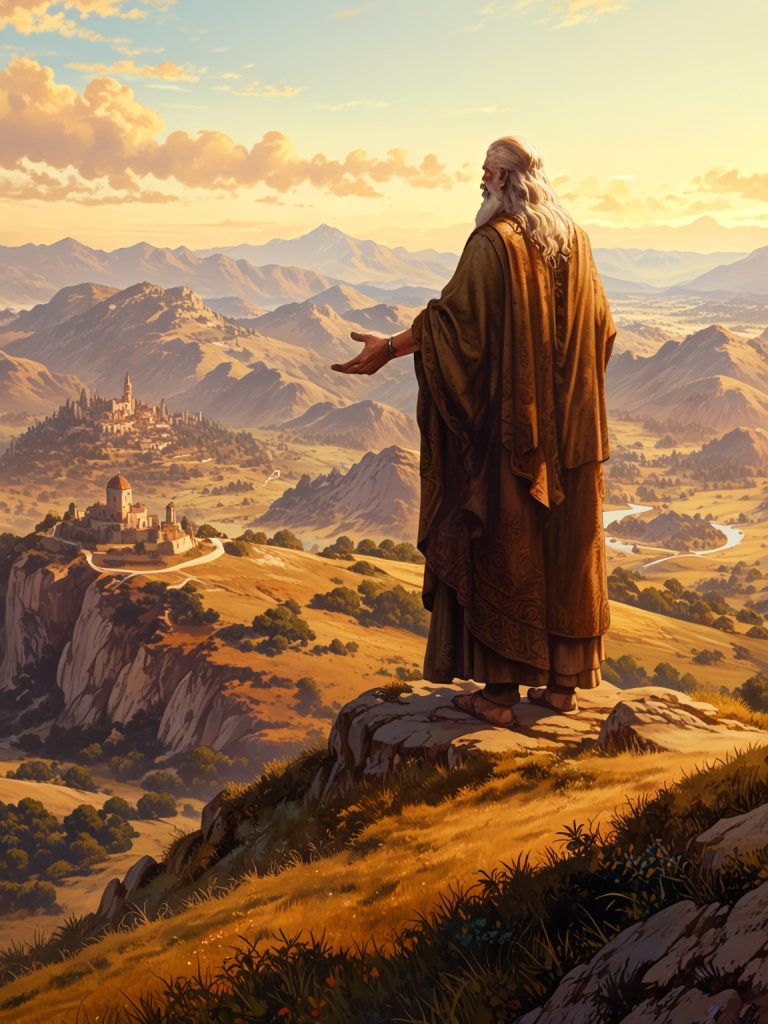
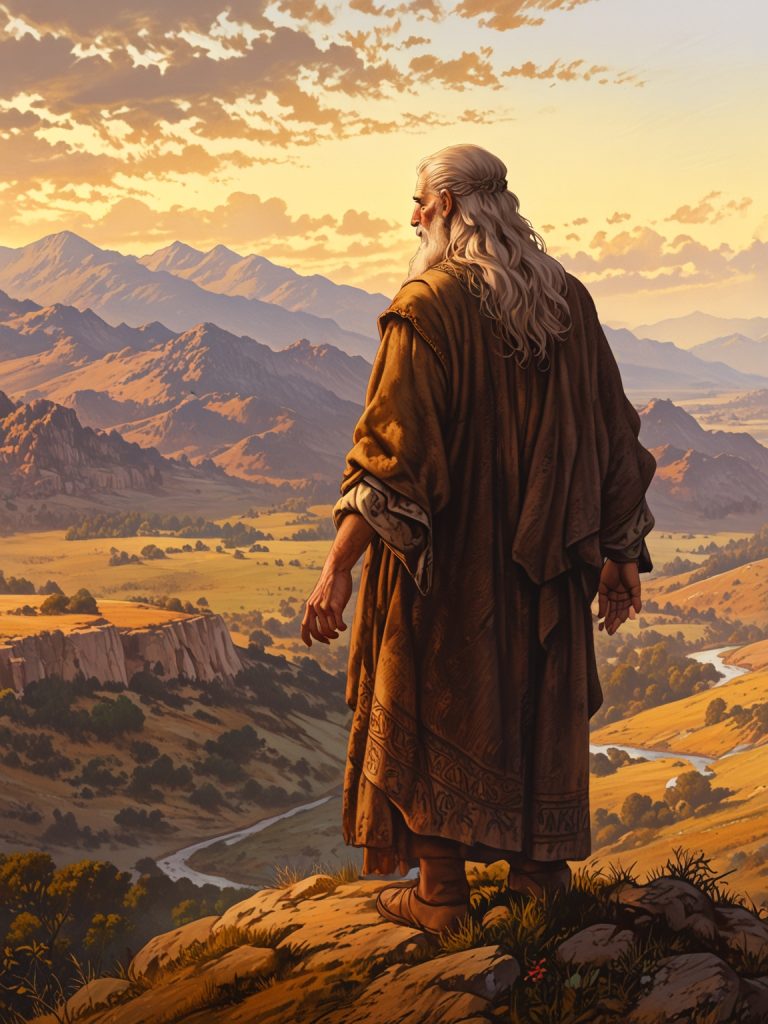
This is a powerful moment for Abram. Remember, he just let his nephew Lot go his own way. Maybe there’s a feeling of loneliness, of uncertainty about the future.
But look what happens in verse 14: “The Lord said to Abram after Lot had parted from him.” God doesn’t abandon Abram! In fact, He comes to him with a special message. The first part is an invitation in verse 14: “Look around from where you are, to the north and south, to the east and west.” Imagine God gesturing to the vast expanse of land around Abram.
Then comes the amazing promise in verse 15: “All the land that you see I will give to you and your offspring forever.” Wow! This is a renewal of the promise God first made to Abram back in Genesis 12. The land Abram is just a visitor in now will one day belong to his descendants. This is a promise of security, a promise of a future home.
God strengthens this promise in verse 16 with an incredible image: “I will make your offspring like the dust of the earth, so that if anyone could count the dust, then your offspring could be counted.” It’s a picture of countless descendants, a vast multitude. Abram’s family line will be a blessing to the nations.
And finally, in verse 17, God gives Abram a command: “Go, walk through the length and breadth of the land, for I am giving it to you.” It’s almost like God is saying, “Walk it, touch it, Abram. This will be your inheritance.”
Genesis 13:18 NIV
So Abram went to live near the great trees of Mamre at Hebron, where he pitched his tents. There he built an altar to the Lord.
Genesis 13:18 NIV
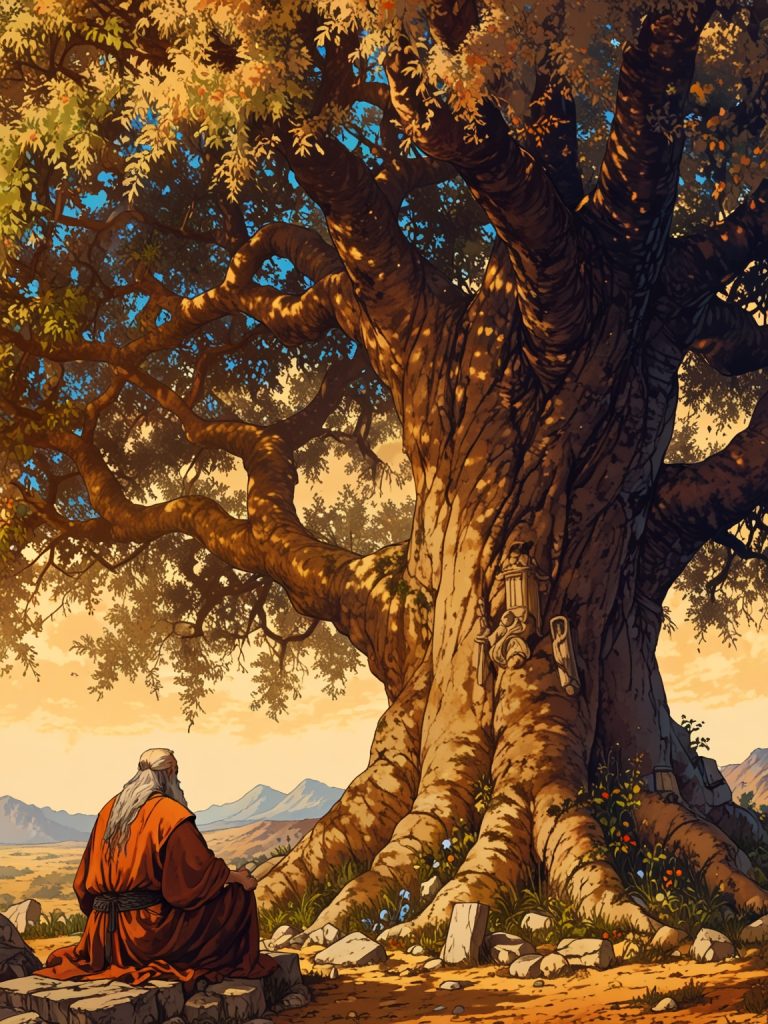
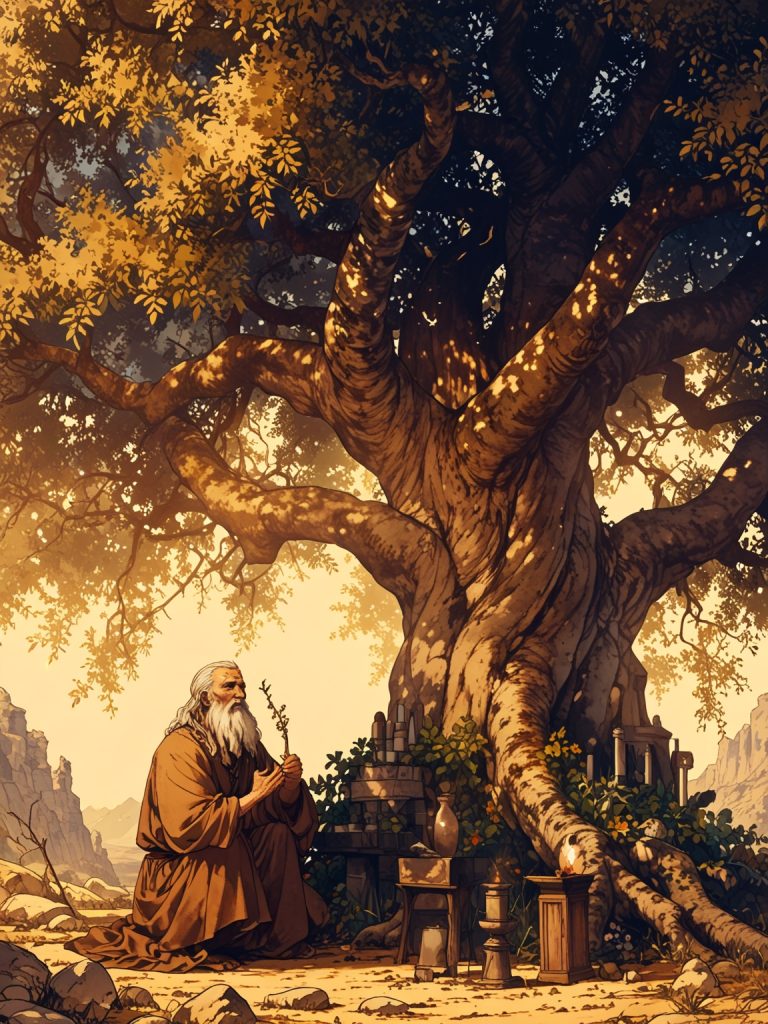
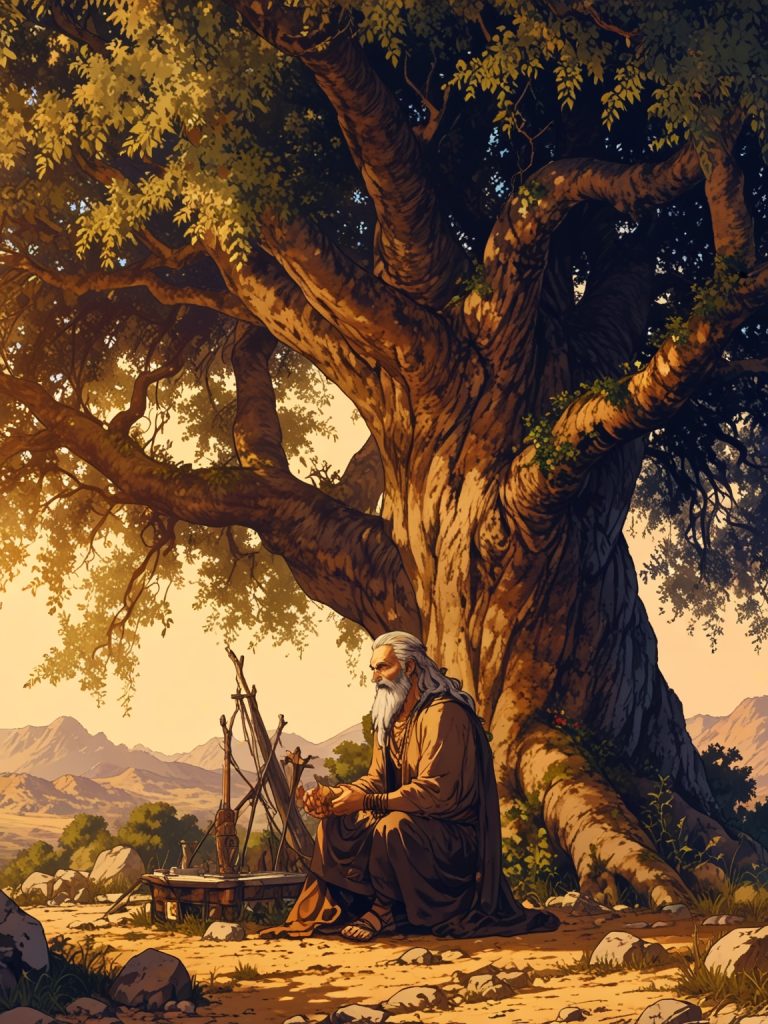
This short verse is a quiet coda to this chapter filled with big decisions and promises.
So, what does it tell us? Well, verse 18 says: “So Abram went to live near the great trees of Mamre at Hebron, where he pitched his tents. There he built an altar to the Lord.”
Let’s unpack this a bit. First, Abram “went to live near the great trees of Mamre at Hebron.” This tells us Abram didn’t stay put in one place. He likely moved his camp based on where the best grazing land was for his herds. Hebron, though, seems to become a bit of a home base for him.
“He pitched his tents” is a reminder that Abram is still a nomad, living a mobile lifestyle. He hasn’t settled down yet, but he’s found a familiar spot.
And then comes the most important detail: “There he built an altar to the Lord.” Remember how Abram built altars earlier in his journey (Genesis 12:7, 8)? This is another act of worship, another way of saying thank you to God for His promises and guidance. Even though things haven’t been easy, Abram remains faithful.
This verse is a beautiful reminder that no matter where life takes us, we can always find a way to connect with God. Maybe it’s a prayer in the quiet of our morning, or a moment of reflection in nature. The important thing is to keep that line of communication open, just like Abram did.
Folks, that concludes Genesis 13. We’ve seen Abram deal with adversity, get tremendous promises from God, and eventually remain faithful. It’s a poignant reminder that God is always with us, even when things seem unclear.
Abram’s tale continues in the following chapters of Genesis, with many more twists and turns. But for those who want to dig deeper into this section, I’ve got something wonderful to share!
This website contains gorgeous, thought-provoking graphics inspired by medieval manuscripts that illustrate biblical stories. Consider witnessing moments from Abram’s voyage brought to life in vivid colors and intricate detail.
Moralisee.com offers a unique way to connect with the Bible, sparking your imagination and enriching your understanding of these timeless stories and explore Genesis. Let the images ignite your faith and help you see the Bible in a whole new light.
Remember, God’s word is alive and active, and there’s always something new to discover. Blessings to you all!


