

Genesis 41:1-4 NIV
When two full years had passed, Pharaoh had a dream: He was standing by the Nile, when out of the river there came up seven cows, sleek and fat, and they grazed among the reeds. After them, seven other cows, ugly and gaunt, came up out of the Nile and stood beside those on the riverbank. And the cows that were ugly and gaunt ate up the seven sleek, fat cows. Then Pharaoh woke up.
Genesis 41:1-4 NIV
Today we’re diving into a fascinating dream from the Book of Genesis, Chapter 41, verses 1-4. Buckle up, because this dream is packed with symbolism!
Setting the Scene (Verse 1):
The passage starts by telling us “When two full years had passed, Pharaoh had a dream.” Now, this isn’t just any dream. Two full years have passed since a major famine – a seven-year stretch of no rain mentioned earlier in the story. This famine would have weighed heavily on Pharaoh’s mind, and it sets the stage for a dream that could be about the future of Egypt.
The River Nile (Verse 2):
The dream begins with Pharaoh “standing by the Nile.” The Nile was the lifeblood of Egypt. It provided water for crops, transportation, and even religious significance. So, being by the Nile connects Pharaoh to the very source of life and prosperity for his people.
The Arrival of the Cows (Verses 2-3):


Then, things get interesting! “Out of the river there came up seven cows, sleek and fat, and they grazed among the reeds.” These first seven cows are a beautiful picture. They’re plump and healthy, suggesting abundance and good times. They graze peacefully, which could represent a period of peace and prosperity.
But wait, there’s more! The dream takes a turn with “seven other cows, ugly and gaunt, came up out of the Nile.” These cows are the complete opposite – skinny, unhealthy, a symbol of hardship.
A Dream Within a Dream (Verse 4):

The twist comes when “the cows that were ugly and gaunt ate up the seven sleek, fat cows.” This part of the dream is pretty unsettling. It portrays a potential future where good times are devoured by bad times.
So, What Does it Mean?
Now, folks, interpreting dreams can be tricky. But considering the context of the famine, it seems likely this dream is a warning to Pharaoh. The good years might be returning (the fat cows), but there’s a chance of trouble ahead (the skinny cows).
We’ll have to wait and see how the story unfolds, but this dream is a reminder that even in good times, we should be prepared for challenges. It’s also a call for wisdom and responsible leadership, just like Pharaoh will need in the chapters to come.
Genesis 41:5-7 NIV
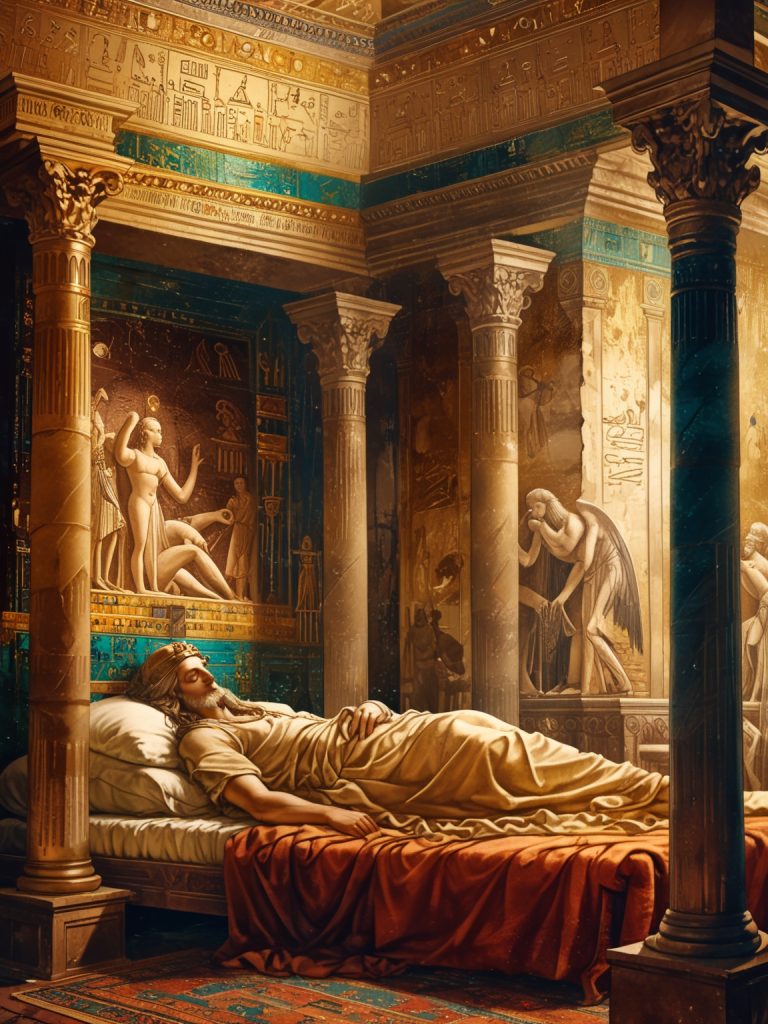
He fell asleep again and had a second dream: Seven heads of grain, healthy and good, were growing on a single stalk. After them, seven other heads of grain sprouted—thin and scorched by the east wind. The thin heads of grain swallowed up the seven healthy, full heads. Then Pharaoh woke up; it had been a dream.
Genesis 41:5-7 NIV
Picking up where we left off in Genesis, Chapter 41. Remember that crazy dream Pharaoh had about the cows by the Nile? Well, buckle up, because things get even more symbolic with his second dream (verses 5-7)!
Double the Dreams, Double the Meaning? (Verse 5):
The passage starts with, “He fell asleep again and had a second dream.” This repetition is important. It shows that this dream isn’t just a random thought – it’s connected to the first one. Maybe Pharaoh is even more troubled this time!
From Cows to Grain (Verse 5):
Instead of cows, this dream features “Seven heads of grain, healthy and good, were growing on a single stalk.” Grain is another symbol of life and prosperity in the Bible. Here, we have a picture of abundance, with a single stalk producing a whopping seven healthy heads!
The Scorching Turn (Verse 6):
But just like the first dream, things take a dark turn. “After them, seven other heads of grain sprouted—thin and scorched by the east wind.” This second set of grain is the complete opposite – sickly and burnt by the hot wind. The east wind in the Bible can symbolize judgment or hardship.
Swallowing the Good (Verse 7):
And just like the first dream, things get even more unsettling. “The thin heads of grain swallowed up the seven healthy, full heads.” This part of the dream mirrors the cows, showing a potential future where good times are devoured by bad times.
So, What Does it Mean (Again)?
With two similar dreams, it seems pretty clear Pharaoh is getting a message. Both dreams use symbols of abundance (cows and healthy grain) being replaced by symbols of hardship (skinny cows and burnt grain). This could be a warning of a coming famine, a time of great scarcity.
Now, folks, it’s important to remember that dreams can be interpreted in different ways. But considering the context of the previous famine, these dreams seem to be a call for preparation. Pharaoh needs to be ready for tough times ahead.
More to Come!
We’ll see how Pharaoh reacts to these dreams and what it means for him and Egypt. Stay tuned, because things are about to get interesting! Until next time, keep on seeking wisdom and guidance from the Lord!
Genesis 41:8-13 NIV
In the morning his mind was troubled, so he sent for all the magicians and wise men of Egypt. Pharaoh told them his dreams, but no one could interpret them for him.
Then the chief cupbearer said to Pharaoh, “Today I am reminded of my shortcomings. Pharaoh was once angry with his servants, and he imprisoned me and the chief baker in the house of the captain of the guard. Each of us had a dream the same night, and each dream had a meaning of its own. Now a young Hebrew was there with us, a servant of the captain of the guard. We told him our dreams, and he interpreted them for us, giving each man the interpretation of his dream. And things turned out exactly as he interpreted them to us: I was restored to my position, and the other man was impaled.”
Genesis 41:8-13 NIV
We’ve seen Pharaoh’s two strange dreams about cows and grain, and let’s be honest, they’re pretty unsettling! So, what happens next? Buckle up, because things get interesting (verse 8 onwards)!
Pharaoh’s Puzzlement (Verse 8):
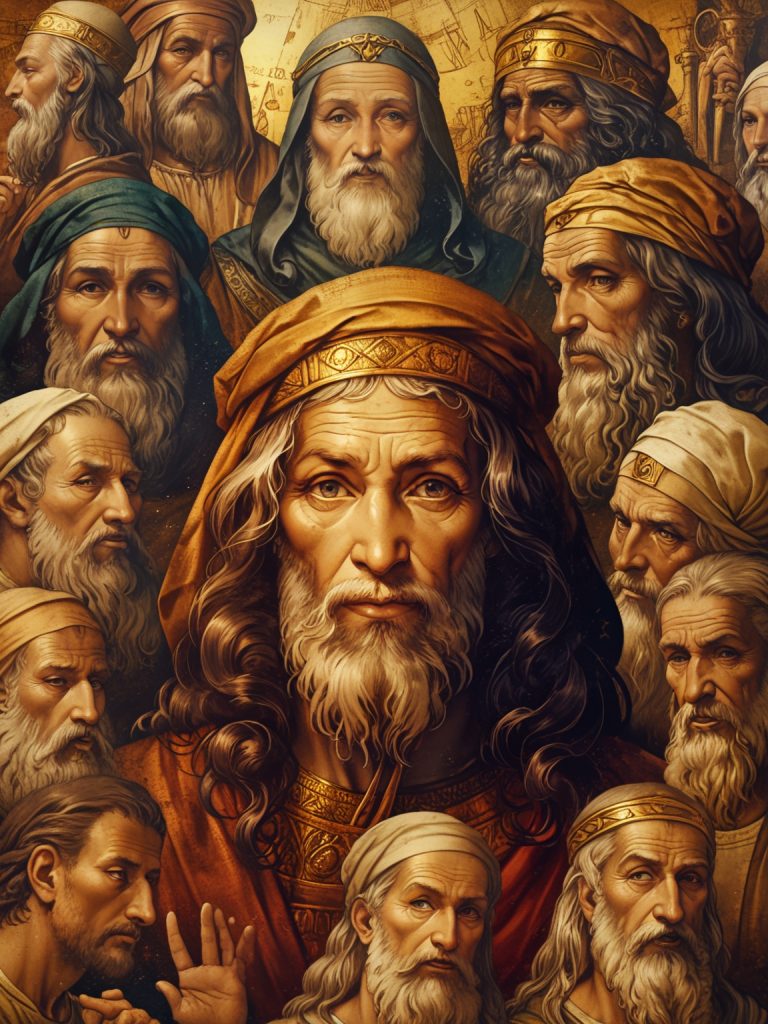
The passage starts with, “In the morning his mind was troubled, so he sent for all the magicians and wise men of Egypt.” These dreams are clearly bothering Pharaoh. He’s worried, and he wants answers!
Now, in those days, Egyptians believed magicians and wise men could interpret dreams. So, Pharaoh gathers them all, hoping they can unlock the meaning of his visions.
Pharaoh Spills the Beans (Also, the Dreams) (Verse 8):
“Pharaoh told them his dreams, but no one could interpret them for him.” Here’s the surprising part: even the supposed experts are stumped! This adds to Pharaoh’s frustration. These dreams must be super important if even the “wise men” can’t figure them out.
Enter the Chief Cupbearer (Verse 9):
Just when things seem hopeless, a new character emerges: “Then the chief cupbearer said to Pharaoh, “Today I am reminded of my shortcomings.” This guy, who pours Pharaoh’s drinks, seems to have a moment of self-reflection. He realizes something important because of Pharaoh’s predicament.
A Flashback to Trouble (Verse 10):
The chief cupbearer then tells a story: “Pharaoh was once angry with his servants, and he imprisoned me and the chief baker in the house of the captain of the guard.” This flashback tells us the cupbearer and the baker were once in Pharaoh’s bad books and ended up in jail together.
Dreams on Dreams (Verses 11-12):
The story gets even more interesting! “Each of us had a dream the same night, and each dream had a meaning of its own.” It turns out, both the cupbearer and the baker had dreams on the same night, each with its own message.
“Now a young Hebrew was there with us, a servant of the captain of the guard,” the cupbearer continues. This “young Hebrew” is none other than Joseph, who we’ll be hearing a lot more about from now on.
Joseph the Interpreter (Verse 12):
“We told him our dreams, and he interpreted them for us, giving each man the interpretation of his dream.” The cupbearer reveals that Joseph, this Hebrew jailmate, was able to interpret their dreams and give them meaning!
Dreams Come True (Verse 13):
And guess what? “And things turned out exactly as he interpreted them to us: I was restored to my position, and the other man was impaled.” The cupbearer is basically saying, “Hey Pharaoh, this Joseph guy is the real deal! He interpreted our dreams perfectly, and they came true!”
So, What Does it Mean?
This whole story is a fascinating turn of events. It highlights Joseph’s gift for interpreting dreams, something that will become crucial in the coming chapters. It also shows that God can work through anyone, even a young Hebrew prisoner, to reveal his message.
Pharaoh’s Next Move?
The cupbearer’s story has definitely piqued Pharaoh’s interest. Will he finally get the answers he seeks about his troubling dreams? Stay tuned, friends, because things are about to get even more exciting! Until next time, keep on trusting in God’s plan, even when it seems unexpected.
Genesis 41:14-24 NIV
So Pharaoh sent for Joseph, and he was quickly brought from the dungeon. When he had shaved and changed his clothes, he came before Pharaoh.
Pharaoh said to Joseph, “I had a dream, and no one can interpret it. But I have heard it said of you that when you hear a dream you can interpret it.”
“I cannot do it,” Joseph replied to Pharaoh, “but God will give Pharaoh the answer he desires.”
Then Pharaoh said to Joseph, “In my dream I was standing on the bank of the Nile, when out of the river there came up seven cows, fat and sleek, and they grazed among the reeds. After them, seven other cows came up—scrawny and very ugly and lean. I had never seen such ugly cows in all the land of Egypt. The lean, ugly cows ate up the seven fat cows that came up first. But even after they ate them, no one could tell that they had done so; they looked just as ugly as before. Then I woke up.
“In my dream I saw seven heads of grain, full and good, growing on a single stalk. After them, seven other heads sprouted—withered and thin and scorched by the east wind. The thin heads of grain swallowed up the seven good heads. I told this to the magicians, but none of them could explain it to me.”
Genesis 41:14-24 NIV
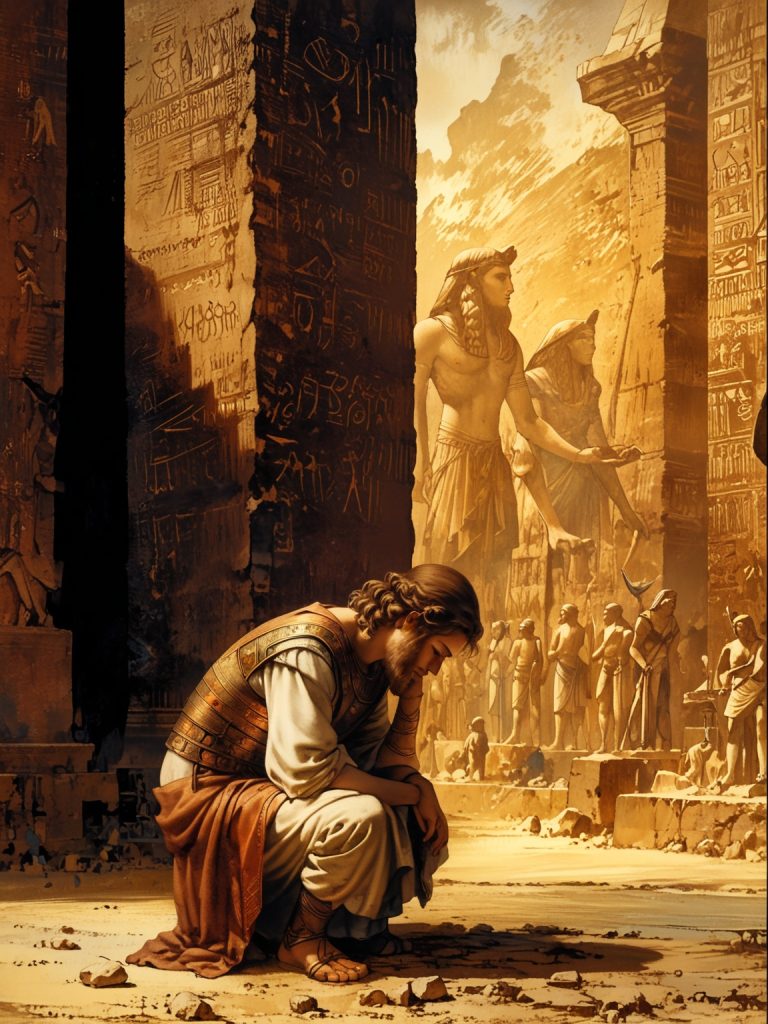
Genesis, Chapter 41, verses 14-24. This story features Joseph, a familiar face by now, and a rather… bovine dream from Pharaoh himself.
Breaking it Down:
- Verses 14-16: We see Joseph, still imprisoned, get a sudden summons from Pharaoh. This might surprise you – Joseph wasn’t exactly a royal favorite. But Pharaoh has a dream that’s bothering him, and he’s heard whispers about Joseph’s dream-interpreting skills. Here, Joseph displays wonderful humility. He doesn’t claim credit for his gift; he acknowledges that God is the true source of interpretation. This is a great reminder that any talents we possess ultimately come from the divine.
- Verses 17-21: Pharaoh spills the beans (or, should we say, the cows?) about his dream. Seven fat, healthy cows emerge from the Nile, followed by seven scrawny ones who devour the first group. Despite this bizarre bovine buffet, the scrawny cows remain… scrawny. It’s a dream that would leave anyone scratching their heads!
- Verses 22-24: The dream takes a turn towards agriculture. Seven plump, healthy heads of grain sprout from a single stalk, followed by seven shriveled, burnt ones. These scrawny stalks then gobble up the good ones! Pharaoh consults his court magicians, but none can decipher the dream’s meaning.
The Cliffhanger:
This is where our passage ends, leaving us with a juicy cliffhanger. What DO these dreams mean? What will become of Egypt? Stay tuned, friends, because next time, we’ll see how Joseph uses his God-given gift to interpret the dream and rise to a position of incredible power!
Food for Thought:
- How does Joseph’s humility inspire you?
- Have you ever had a strange dream that stuck with you?
- What can we learn from the way Pharaoh seeks answers?
Genesis 41:25-40 NIV
Then Joseph said to Pharaoh, “The dreams of Pharaoh are one and the same. God has revealed to Pharaoh what he is about to do. The seven good cows are seven years, and the seven good heads of grain are seven years; it is one and the same dream. The seven lean, ugly cows that came up afterward are seven years, and so are the seven worthless heads of grain scorched by the east wind: They are seven years of famine.
“It is just as I said to Pharaoh: God has shown Pharaoh what he is about to do. Seven years of great abundance are coming throughout the land of Egypt, but seven years of famine will follow them. Then all the abundance in Egypt will be forgotten, and the famine will ravage the land. The abundance in the land will not be remembered, because the famine that follows it will be so severe. The reason the dream was given to Pharaoh in two forms is that the matter has been firmly decided by God, and God will do it soon.
“And now let Pharaoh look for a discerning and wise man and put him in charge of the land of Egypt. Let Pharaoh appoint commissioners over the land to take a fifth of the harvest of Egypt during the seven years of abundance. They should collect all the food of these good years that are coming and store up the grain under the authority of Pharaoh, to be kept in the cities for food. This food should be held in reserve for the country, to be used during the seven years of famine that will come upon Egypt, so that the country may not be ruined by the famine.”
The plan seemed good to Pharaoh and to all his officials. So Pharaoh asked them, “Can we find anyone like this man, one in whom is the spirit of God?”
Then Pharaoh said to Joseph, “Since God has made all this known to you, there is no one so discerning and wise as you. You shall be in charge of my palace, and all my people are to submit to your orders. Only with respect to the throne will I be greater than you.”
Genesis 41:25-40 NIV
This section is about dreams, divine intervention, and a whole lot of grain!
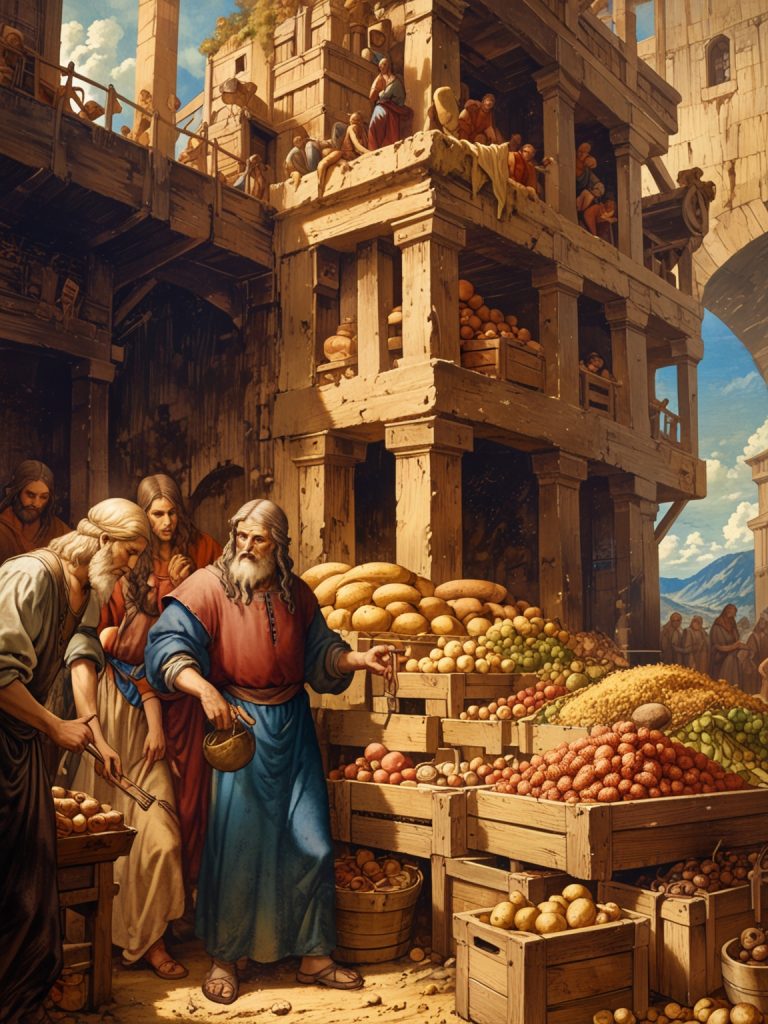
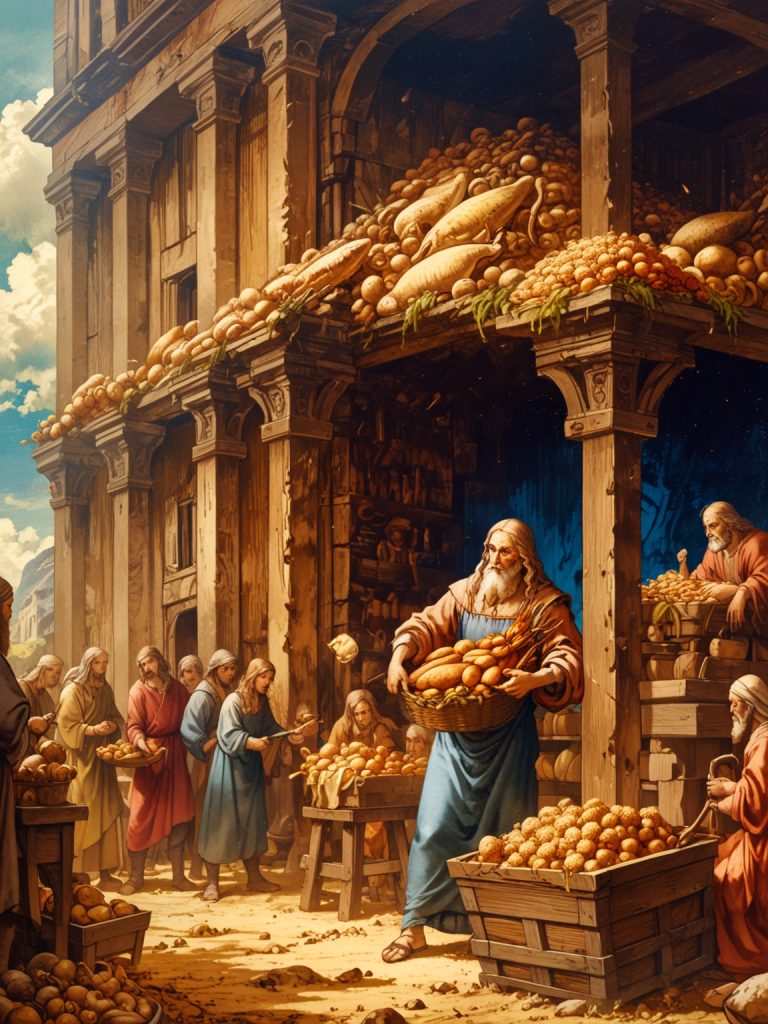
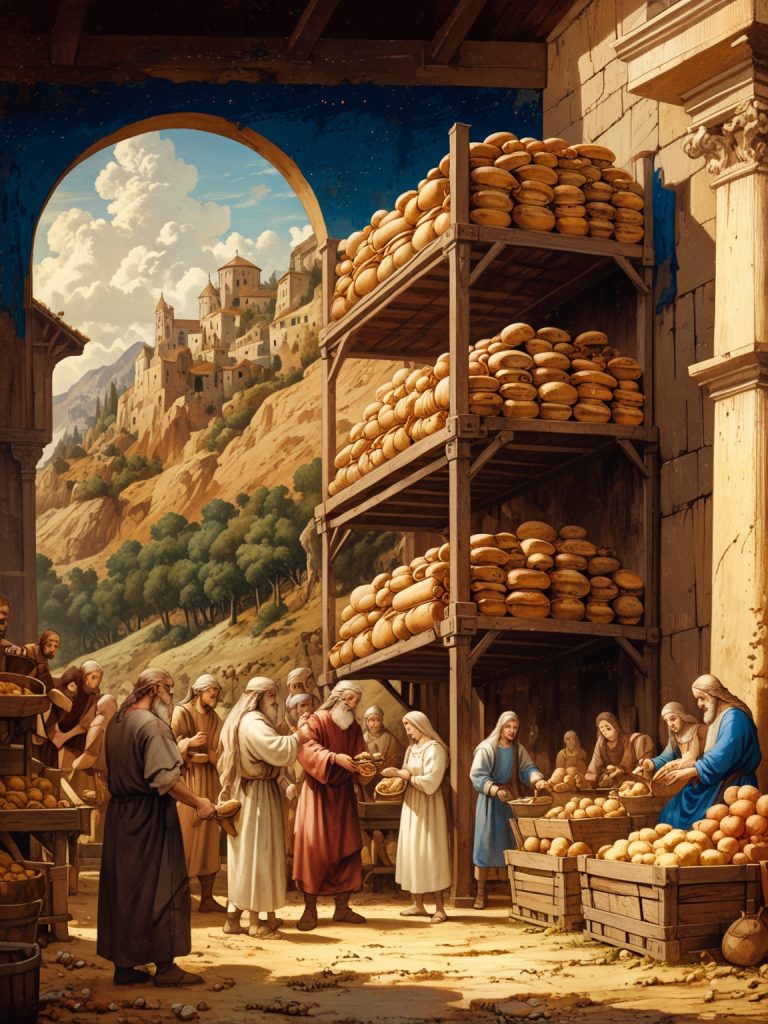
Let’s unpack it verse by verse:
- Verse 25: Joseph, finally brought before Pharaoh after years in prison, interprets the Pharaoh’s troubling dreams. He assures Pharaoh that the two dreams, the healthy cows and then the scrawny ones, the full grain and then the withered grain, are actually one message. Here, Joseph emphasizes that God is revealing what’s coming to pass.
- Verses 26-28: Joseph breaks down the dream’s meaning. The seven healthy cows and full grain represent seven years of abundance, while the seven scrawny cows and withered grain symbolize seven years of famine. He reminds Pharaoh that this message from God is clear – there will be plenty followed by hardship.
- Verses 29-31: Joseph paints a vivid picture of the coming abundance, followed by a devastating famine so severe, it will erase the memory of the good times. The repetition of the dream highlights the certainty of God’s plan.
- Verses 32-34: Now comes the brilliant part! Joseph proposes a solution: Find a wise and capable leader to oversee the land during the good years. This leader should collect a fifth of the harvest each year and store it away for the famine.
- Verses 35-36: The plan involves stockpiling food – grain – during the plentiful years. This reserve will be crucial to sustain Egypt during the coming famine and prevent widespread devastation.
- Verse 37: Pharaoh and his advisors are impressed! They see the wisdom and practicality in Joseph’s proposal.
- Verses 38-40: Pharaoh acknowledges that Joseph, with God’s spirit guiding him, is the perfect person for this critical task. He elevates Joseph to a position of immense power, second only to the Pharaoh himself!
What can we learn from this passage?
- God’s Providence: This story showcases God’s ability to foresee the future and intervene in human affairs. Through Joseph’s dreams and interpretations, God prepares Egypt for a challenging time.
- Preparation is Key: The passage emphasizes the importance of planning for difficult times. It’s a reminder to be wise stewards of our resources and prepare for unforeseen circumstances.
- Wisdom and Leadership: Joseph exemplifies the value of wisdom and leadership in times of crisis. His ability to interpret the dreams and propose a solution positions him to be a great leader for Egypt.
Genesis 41:41-45 NIV
So Pharaoh said to Joseph, “I hereby put you in charge of the whole land of Egypt.” Then Pharaoh took his signet ring from his finger and put it on Joseph’s finger. He dressed him in robes of fine linen and put a gold chain around his neck. He had him ride in a chariot as his second-in-command, and people shouted before him, “Make way!” Thus he put him in charge of the whole land of Egypt.
Then Pharaoh said to Joseph, “I am Pharaoh, but without your word no one will lift hand or foot in all Egypt.” Pharaoh gave Joseph the name Zaphenath-Paneah and gave him Asenath daughter of Potiphera, priest of On, to be his wife. And Joseph went throughout the land of Egypt.
Genesis 41:41-45 NIV
Remember how Joseph, blessed with God’s favor, interpreted Pharaoh’s dreams and proposed a genius plan to prepare for the coming famine? Well, buckle up, because today’s passage in Genesis 41, verses 41-45, shows the incredible reward Joseph receives for his wisdom!
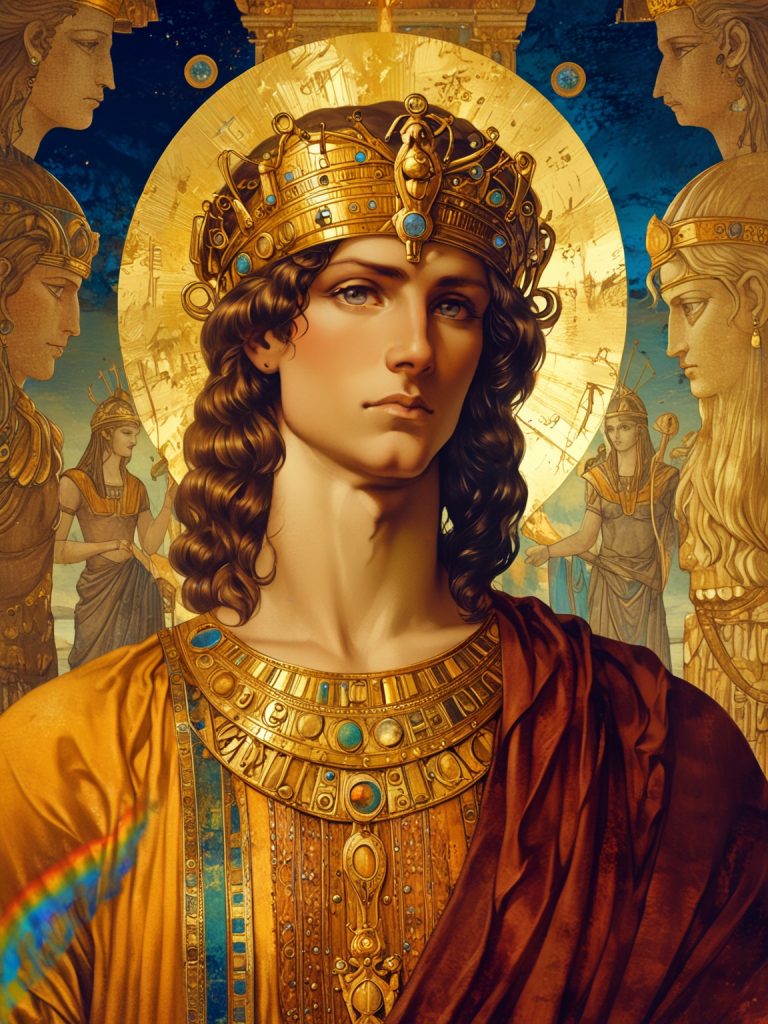
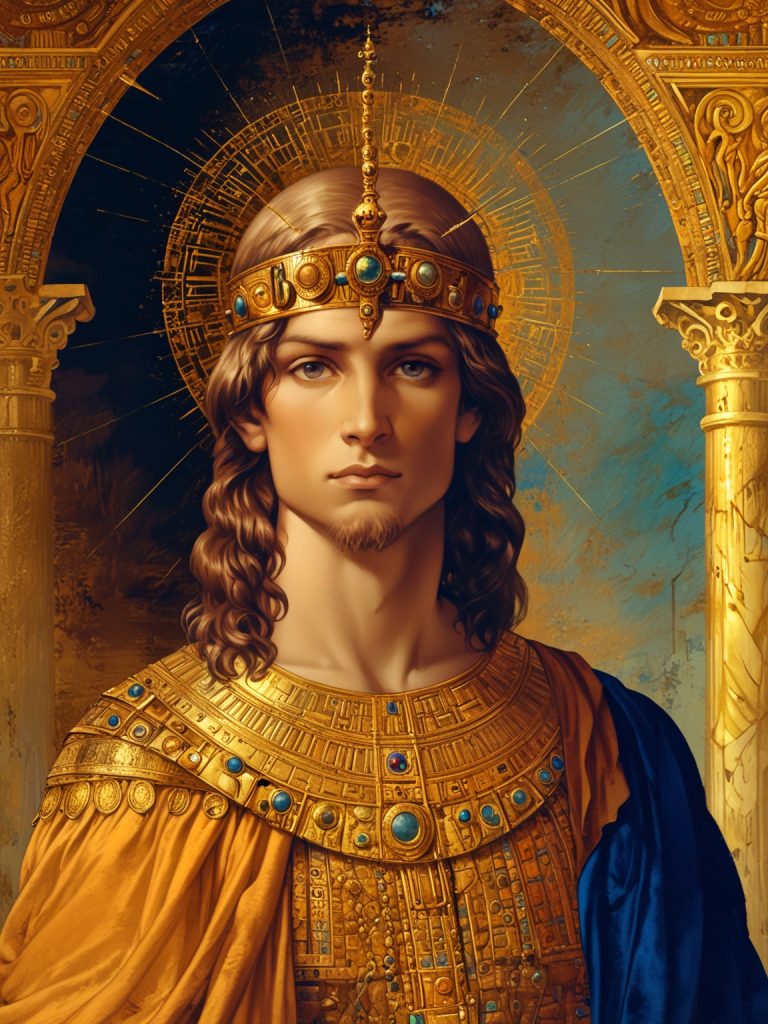
Let’s break it down verse by verse:
- Verse 41: Pharaoh, completely convinced by Joseph’s interpretation and plan, elevates him to a position of immense power! He literally says, “You’re in charge of the whole land of Egypt!” Talk about a promotion!
- Verse 42: This verse gets even more exciting! Pharaoh bestows upon Joseph symbols of his newfound authority. The signet ring, worn on the finger, was like a royal stamp of approval, allowing Joseph to act on Pharaoh’s behalf. The fine linen robes and gold chain were symbols of wealth and high status.
- Verse 43: Imagine the scene! Joseph, once a falsely accused prisoner, now rides in a chariot as Pharaoh’s second-in-command. People shout to make way for him – a stark contrast to the days when he was likely ignored or even mocked.
- Verse 44: Pharaoh further emphasizes Joseph’s power by declaring, “Without your word, no one will act in Egypt.” This means Joseph has the authority to make decisions that impact the entire nation!
- Verse 45: Pharaoh doesn’t stop there! He gives Joseph an Egyptian name, “Zaphenath-Paneah,” signifying his complete integration into Egyptian society. He even arranges a marriage for Joseph to Asenath, daughter of a powerful priest. This marriage not only secures Joseph’s position but also connects him to a prominent Egyptian family.
The passage ends with Joseph, “going throughout the land of Egypt.” Imagine the satisfaction of not only being free but also being entrusted with the well-being of a whole nation!
What can we learn from this passage?
- God Rewards Faithfulness: Joseph’s unwavering faith in God, even during his imprisonment, ultimately led to his incredible rise to power. It’s a reminder that God sees our faithfulness and rewards it in His own time.
- Unexpected Blessings: Just when things seem hopeless, God can intervene and turn our lives around in an unexpected way. Joseph’s story shows that God’s plans can be far greater than anything we can imagine.
- Using Our Gifts: God equips each of us with unique gifts and talents. Joseph’s ability to interpret dreams and plan for the future allowed him to serve God in a powerful way. Let’s strive to use our own gifts to serve God and others.
Genesis 41:46-57 NIV
Joseph was thirty years old when he entered the service of Pharaoh king of Egypt. And Joseph went out from Pharaoh’s presence and traveled throughout Egypt. During the seven years of abundance the land produced plentifully. Joseph collected all the food produced in those seven years of abundance in Egypt and stored it in the cities. In each city he put the food grown in the fields surrounding it. Joseph stored up huge quantities of grain, like the sand of the sea; it was so much that he stopped keeping records because it was beyond measure.
Before the years of famine came, two sons were born to Joseph by Asenath daughter of Potiphera, priest of On. Joseph named his firstborn Manasseh and said, “It is because God has made me forget all my trouble and all my father’s household.” The second son he named Ephraim and said, “It is because God has made me fruitful in the land of my suffering.”
The seven years of abundance in Egypt came to an end, and the seven years of famine began, just as Joseph had said. There was famine in all the other lands, but in the whole land of Egypt there was food. When all Egypt began to feel the famine, the people cried to Pharaoh for food. Then Pharaoh told all the Egyptians, “Go to Joseph and do what he tells you.”
When the famine had spread over the whole country, Joseph opened all the storehouses and sold grain to the Egyptians, for the famine was severe throughout Egypt. And all the world came to Egypt to buy grain from Joseph, because the famine was severe everywhere.
Genesis 41:46-57 NIV
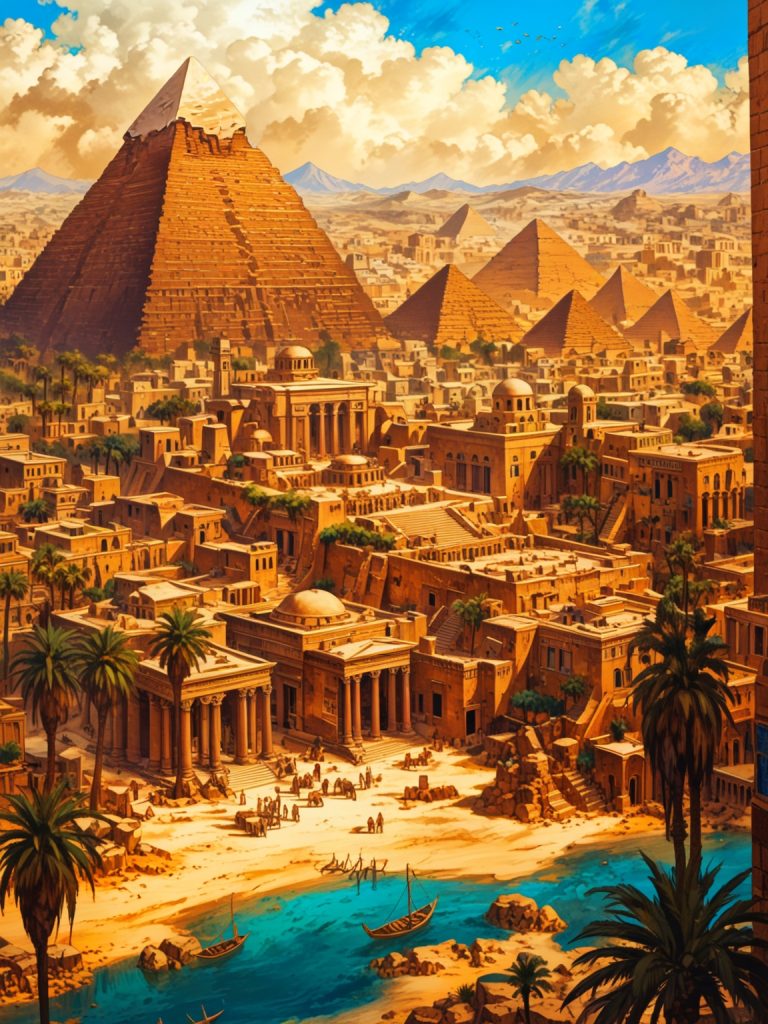
Remember Joseph, the dream interpreter extraordinaire, who’s now second-in-command in Egypt? Today in Genesis 41, verses 46-57, we see Joseph put his incredible foresight and leadership skills to work as he prepares Egypt for the coming famine. Let’s unpack this passage verse by verse:
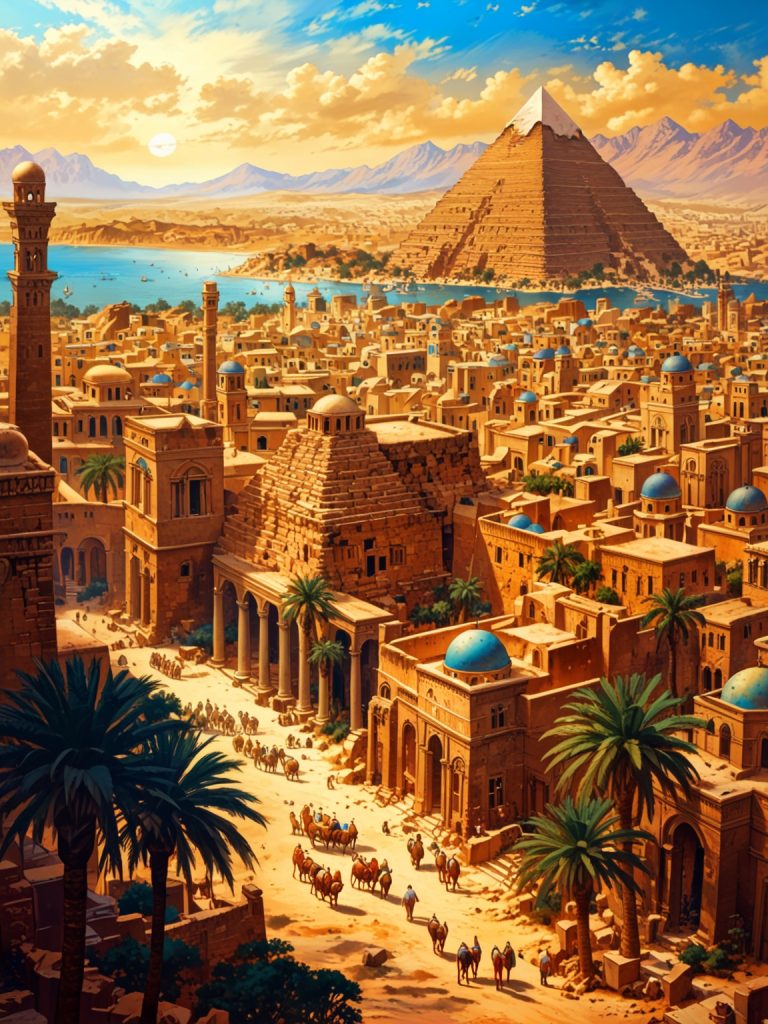
Verses 46-49:
- We learn Joseph was 30 years old when he started working for Pharaoh. Imagine the rollercoaster ride he’s been on – from favored son to falsely accused prisoner to powerful leader!
- The passage then describes the seven years of abundance. Remember, Joseph had interpreted the dreams, so he knew what was coming. And guess what he did? He didn’t just sit back and enjoy the good times. He used his authority to collect and store a massive amount of grain throughout Egypt. It was so much, they stopped keeping records!
Verses 50-52:
- In the midst of all this work, Joseph’s family is growing! He has two sons with his wife Asenath. The names he chooses for his sons are quite meaningful:
- Manasseh – meaning “God has made me forget all my trouble.”
- Ephraim – meaning “God has made me fruitful in the land of my suffering.” These names reflect not only the hardship Joseph endured but also God’s faithfulness in bringing him through it and giving him a new life.
Verse 53:
- Then, just as prophesied, the seven years of abundance come to an end.
Verses 54-57:
- The dreaded famine hits, not just Egypt, but the surrounding lands as well. However, thanks to Joseph’s foresight, Egypt has stockpiles of food! People become desperate and turn to Pharaoh for help. Pharaoh, remembering Joseph’s wisdom, directs them to Joseph, essentially putting him in charge of the food distribution. With the famine worsening, Joseph opens the storehouses and starts selling grain – not just to Egyptians, but to people from all over the world! Egypt becomes the breadbasket of the region.
What can we learn from this passage?
- Preparation is Key: This passage is a powerful reminder of the importance of planning for tough times. During the good years, Joseph didn’t simply enjoy the bounty; he prepared for the future. It’s a lesson we can all learn – to be wise stewards of our resources and prepare for potential hardships.
- God’s Faithfulness: Even in the midst of famine, God’s faithfulness shines through. He uses Joseph’s leadership to not only save Egypt but also to help people from surrounding regions. It’s a reminder that God can use us to be a source of blessing for others, even during difficult times.
- Finding Meaning in Suffering: Joseph’s sons’ names are a beautiful reminder that even in suffering, God can bring forth new life and meaning.
Wrapping Up Genesis 41: From Dreams to Deliverance
Wow, what a journey we’ve been on with Joseph in Genesis 41! We’ve seen him rise from forgotten prisoner to powerful leader, all thanks to his God-given wisdom and his ability to interpret Pharaoh’s dreams. This chapter is a powerful testament to:
- The importance of preparation: Joseph’s foresight in storing grain during the plentiful years saved countless lives during the famine.
- God’s faithfulness: Even in hardship, God’s plan unfolds. He uses Joseph’s leadership to bring relief to a suffering nation.
- Finding meaning in suffering: Joseph’s story reminds us that God can bring good out of even the most difficult situations.
Feeling inspired? Want to delve deeper into the Bible with the help of stunning AI-generated visuals? Explore Moralisee.com! We have chapters filled with beautiful images that will bring the stories of the Bible to life in a whole new way. Explore the wisdom of scripture, reflect on its meaning, and let the visuals ignite your imagination.


