

Genesis 40:1-5 NIV
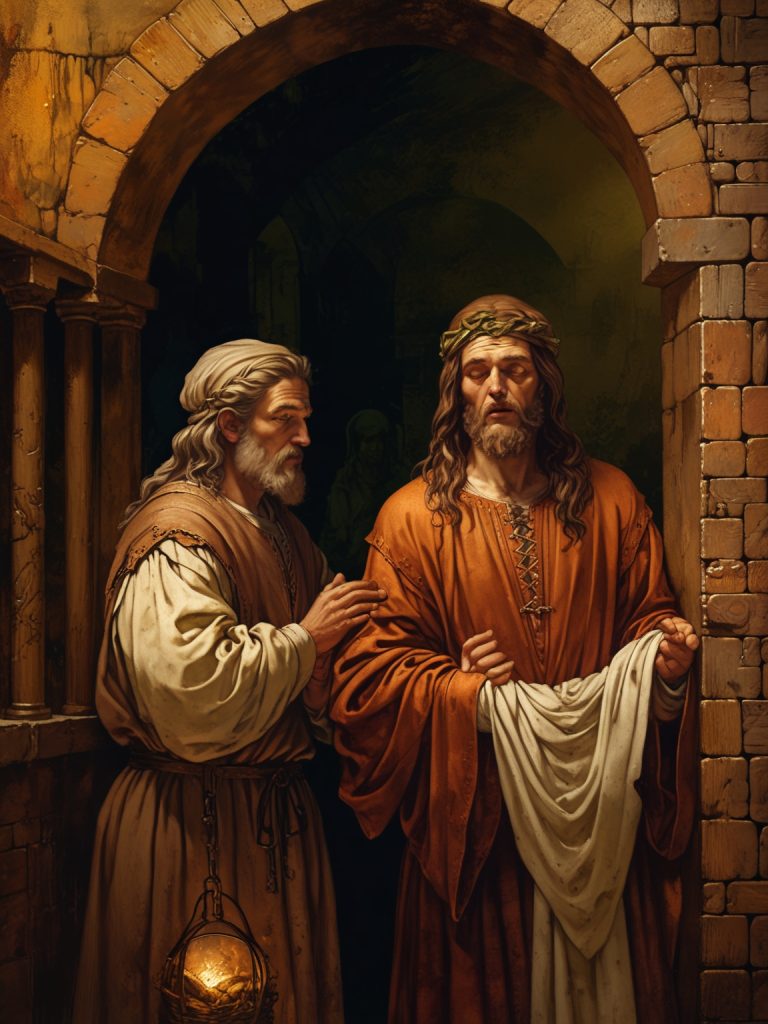
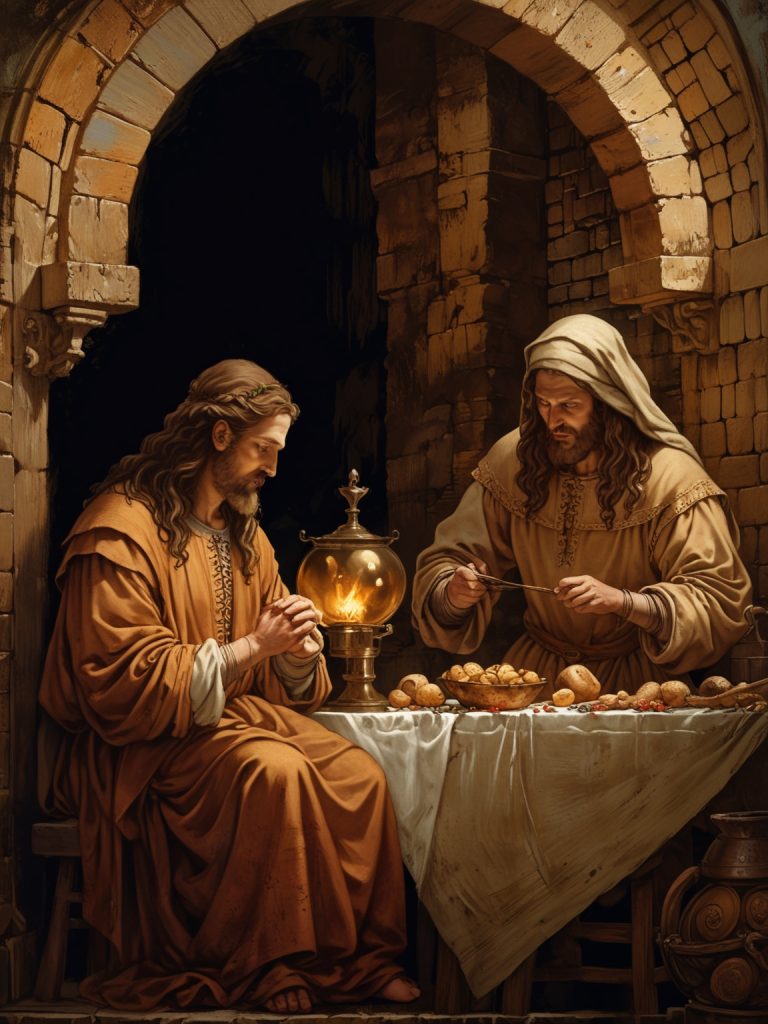
Some time later, the cupbearer and the baker of the king of Egypt offended their master, the king of Egypt. Pharaoh was angry with his two officials, the chief cupbearer and the chief baker, and put them in custody in the house of the captain of the guard, in the same prison where Joseph was confined. The captain of the guard assigned them to Joseph, and he attended them.
After they had been in custody for some time, each of the two men—the cupbearer and the baker of the king of Egypt, who were being held in prison—had a dream the same night, and each dream had a meaning of its own.
Genesis 40:1-5 NIV
Let’s dive into this passage together and see what it has to tell us, verse by verse.
Verse 1: “Some time later, the cupbearer and the baker of the king of Egypt offended their master, the king of Egypt.”
Here we see that two important officials in Pharaoh’s court, the cupbearer and the baker, did something that displeased Pharaoh. These roles were significant, especially in a royal court. The cupbearer was responsible for serving wine to the king, ensuring it was safe, while the baker provided food. Their offenses must have been serious enough to catch the attention of Pharaoh, leading to consequences that we’ll see unfold.
Verse 2: “Pharaoh was angry with his two officials, the chief cupbearer and the chief baker.”
Pharaoh’s anger is emphasized here, showing that their offenses were not minor. His wrath leads to action against them, setting the stage for their imprisonment. It’s a reminder of how positions of trust come with great responsibility, and when that trust is broken, the fallout can be severe.
Verse 3: “And put them in custody in the house of the captain of the guard, in the same prison where Joseph was confined.”
Now, the scene shifts to the prison where Joseph is being held. It’s interesting to note that both the cupbearer and the baker are placed in the same prison as Joseph, who we know is there due to false accusations. This setup is no coincidence—it’s part of God’s bigger plan that’s about to unfold.
Verse 4: “The captain of the guard assigned them to Joseph, and he attended them.”
Here we see Joseph being given a responsibility despite his circumstances. He’s put in charge of attending to these high-ranking officials. Joseph’s character shines through here; even in prison, he’s faithful and diligent, serving others. It’s a beautiful example of how we can honor God by serving others, no matter where we find ourselves.
Verse 5: “After they had been in custody for some time, each of the two men—the cupbearer and the baker of the king of Egypt, who were being held in prison—had a dream the same night, and each dream had a meaning of its own.”
This verse introduces a pivotal moment. Both the cupbearer and the baker have significant dreams on the same night. In those times, dreams were often seen as messages from God or the gods, carrying important meanings. The fact that these dreams occurred simultaneously and had distinct meanings suggests that something important is about to happen. We’ll see how these dreams play a crucial role in Joseph’s life and God’s plan.
In this passage, we witness the beginning of an unfolding story where God’s hand is at work, even in a prison cell. It reminds us that God is always present, orchestrating events in ways we might not immediately see, but that ultimately serve His greater purpose.
Genesis 40:6-15 NIV
When Joseph came to them the next morning, he saw that they were dejected. So he asked Pharaoh’s officials who were in custody with him in his master’s house, “Why do you look so sad today?”
“We both had dreams,” they answered, “but there is no one to interpret them.”
Then Joseph said to them, “Do not interpretations belong to God? Tell me your dreams.”
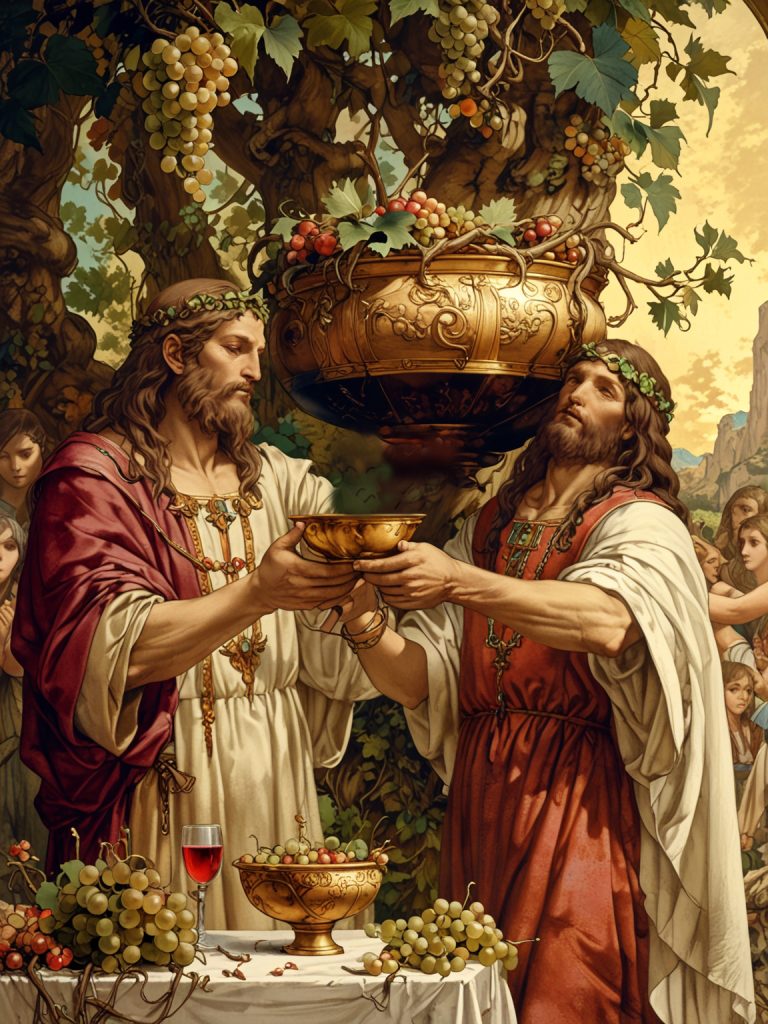
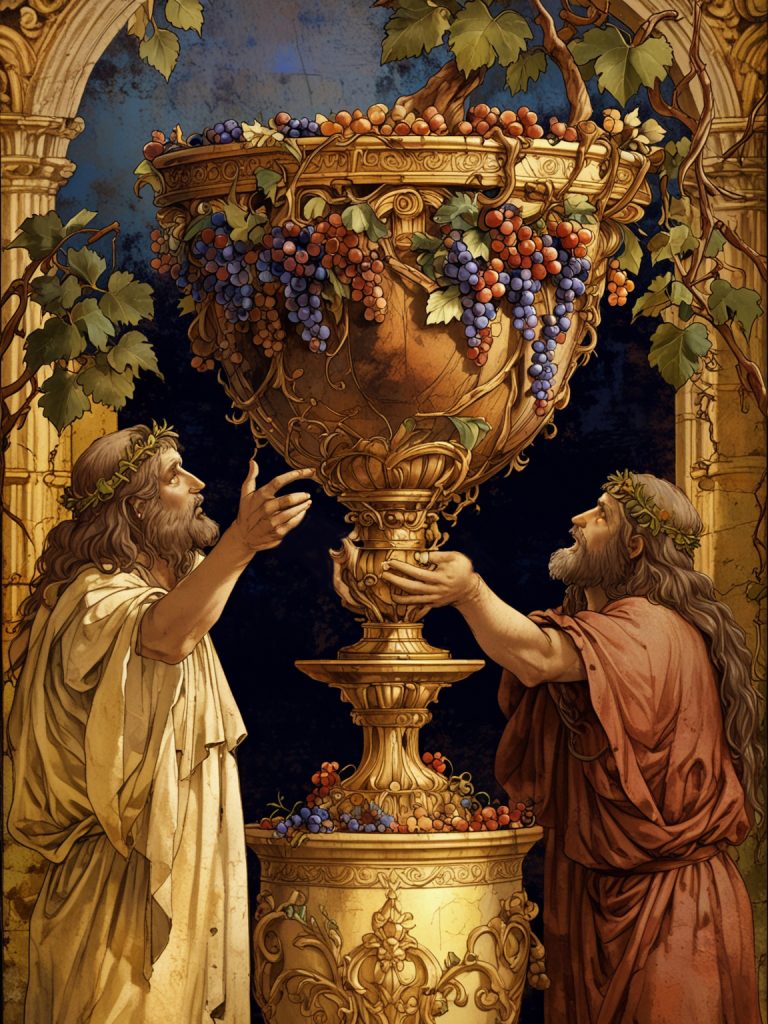
So the chief cupbearer told Joseph his dream. He said to him, “In my dream I saw a vine in front of me, and on the vine were three branches. As soon as it budded, it blossomed, and its clusters ripened into grapes. Pharaoh’s cup was in my hand, and I took the grapes, squeezed them into Pharaoh’s cup and put the cup in his hand.”
“This is what it means,” Joseph said to him. “The three branches are three days. Within three days Pharaoh will lift up your head and restore you to your position, and you will put Pharaoh’s cup in his hand, just as you used to do when you were his cupbearer. But when all goes well with you, remember me and show me kindness; mention me to Pharaoh and get me out of this prison. I was forcibly carried off from the land of the Hebrews, and even here I have done nothing to deserve being put in a dungeon.”
Genesis 40:6-15 NIV
Let’s crack open Genesis 40 and dive into verses 6-15, a fascinating story about dreams, interpretation, and a glimmer of hope in a dark place.
Setting the Scene (v. 6):
The passage starts with Joseph, still imprisoned after being falsely accused by Potiphar’s wife. We see him interact with Pharaoh’s officials, the cupbearer and baker, who are clearly down in the dumps.
The Power of Interpretation (v. 7-8):
Joseph notices their sadness and initiates a conversation. He asks why they look so glum, which is a great reminder for us to be attentive to the emotional well-being of those around us. When the officials reveal they’ve had dreams but have no one to interpret them, Joseph makes a powerful statement: “Do not interpretations belong to God?” (v. 8). This highlights Joseph’s faith – he believes that dreams have meaning, but their true understanding comes from God.
The Cupbearer’s Dream (v. 9-11):
Encouraged by Joseph’s words, the cupbearer shares his dream. It’s a vivid one – a vine with three branches that blossom and produce grapes. The cupbearer then takes these grapes, squeezes them into Pharaoh’s cup, and presents it to the king.
Joseph Interprets (v. 12-13):
With confidence, Joseph dives into interpretation. He explains that the three branches represent three days. This isn’t just a random guess; Joseph is likely drawing on his knowledge of God and symbolism. He then predicts that within three days, the cupbearer will be reinstated to his position and once again serve Pharaoh his drink.

A Plea for Help (v. 14-15):
This is where the story gets interesting. The cupbearer is ecstatic about his impending good fortune. But Joseph seizes this opportunity. He reminds the cupbearer not to forget him when things are good again. He tells the story of his own injustice, being falsely accused and imprisoned despite his innocence. There’s a clear plea here – Joseph wants the cupbearer to advocate for him once he’s back in Pharaoh’s favor.
The Takeaway:
This passage offers several valuable lessons. First, it emphasizes the importance of God in interpreting dreams. Second, we see Joseph’s character – he’s kind, observant, and even in his own difficult situation, he seeks to help others. Finally, the story leaves us hanging – will the cupbearer remember Joseph? Will he be released from prison? Stay tuned, friends, because next time, we’ll see how this story unfolds!
Genesis 40:16-23 NIV
When the chief baker saw that Joseph had given a favorable interpretation, he said to Joseph, “I too had a dream: On my head were three baskets of bread. In the top basket were all kinds of baked goods for Pharaoh, but the birds were eating them out of the basket on my head.”
“This is what it means,” Joseph said. “The three baskets are three days. Within three days Pharaoh will lift off your head and impale your body on a pole. And the birds will eat away your flesh.”
Now the third day was Pharaoh’s birthday, and he gave a feast for all his officials. He lifted up the heads of the chief cupbearer and the chief baker in the presence of his officials: He restored the chief cupbearer to his position, so that he once again put the cup into Pharaoh’s hand— but he impaled the chief baker, just as Joseph had said to them in his interpretation.
The chief cupbearer, however, did not remember Joseph; he forgot him.
Genesis 40:16-23 NIV
Picking up where we left off in Genesis 40, let’s see how Joseph’s dream interpretations play out, with some surprising twists and turns.

The Baker’s Dream (v. 16-17):
Encouraged by the cupbearer’s positive dream analysis, the baker jumps in to share his own. This dream is quite different – it features three baskets stacked on the baker’s head, filled with Pharaoh’s baked goods. But here’s the disturbing part: birds come and devour the food right out of the baskets.
Interpretation with a Heavy Heart (v. 18-19):
Joseph interprets this dream too, and unfortunately, it’s not good news for the baker. He explains that the baskets again represent three days, but this time, it signifies the baker’s downfall. Joseph predicts that within three days, Pharaoh will lift off the baker’s head, not in a celebratory way, but by impaling him on a pole. This is a harsh interpretation, and you can almost feel Joseph’s empathy for the baker despite his own troubles.
Dreams Come True… Mostly (v. 20-22):
The passage then skips to Pharaoh’s birthday. Here’s where things get interesting – both the cupbearer and the baker are brought before Pharaoh. This could be a coincidence, or perhaps the dreams prompted an investigation into their behavior. Just as Joseph predicted, the cupbearer is reinstated to his position, while the baker meets a tragic end.
A Forgotten Promise (v. 23):
This is where the story takes a disheartening turn. The cupbearer, now back in Pharaoh’s good graces, completely forgets about Joseph! Remember how Joseph pleaded for the cupbearer to remember him and advocate for his release? Sadly, that promise seems to have vanished from the cupbearer’s mind.
The Takeaway:
This passage teaches us a few things. First, dreams can be both positive and negative, and God can reveal their meaning through people like Joseph. Second, life can be unpredictable. Even when things seem to be going well, we shouldn’t forget those in need. The cupbearer’s forgetfulness is a reminder of the importance of keeping our promises and helping others, even when it’s inconvenient.
A Cliffhanger Ending:
We’re left with a sense of injustice. Joseph’s interpretations were spot-on, yet he remains imprisoned. But don’t worry, friends! There’s more to this story. Next time, we’ll see if there’s any hope for Joseph, or if he’ll continue to be forgotten.
Genesis 40 offers a glimpse into the power of dreams and interpretations. Joseph, despite his unjust imprisonment, demonstrates his faith and God-given gift. The contrasting fates of the cupbearer and baker leave us pondering the unpredictability of life and the importance of keeping promises. But this is just the beginning of Joseph’s story!
Explore Moralisee.com to explore the next chapter of Genesis and delve deeper into the Bible with our captivating AI-generated images that bring these stories to life. Let’s continue this journey of faith and discovery together!


